







Introduction:The Tarrazú region of Costa Rica is renowned for its high altitudes and volcanic soils, nurturing numerous specialty coffees with distinctive flavors. This article delves into two classic coffee varieties — the Red Honey processed Catuaí from Tobosi Estate and the Washed Catuaí from Canet Estate — analyzing everything from regional environments and processing methods to roast profiles, cupping notes, and pour over parameters. Discover how different processing techniques influence a coffee’s sweetness, acidity, and body, along with practical brewing tips to help you better appreciate the diverse charms of Tarrazú coffee.
Though geographically small, Costa Rica has become one of the world’s premier specialty coffee origins thanks to its unique volcanic terrain, high elevations, and diverse microclimates. Among its regions, Tarrazú stands out as a “flavor treasure” in the hearts of many coffee enthusiasts, celebrated for its consistent quality and rich flavor complexity. Among the many estates and processing methods, the Red Honey Catuaí from Tobosi Estate and the Washed Catuaí from Canet Estate are two classic varieties frequently compared. Although both hail from Tarrazú, their differing processing methods present markedly distinct flavor profiles.
Costa Rica’s coffee cultivation history dates back to 1779, and since exports began in 1820, it has been famed for its high quality and stable production volumes. With approximately 32,000 coffee farmers — each cultivating less than one hectare on average — the country still produces 1.7 million bags (60 kg per bag) annually, of which 380,000 bags are for domestic consumption, translating to a per capita annual consumption of 5.5 kg, surpassing that of Japan and Taiwan. According to the International Coffee Organization (ICO), Costa Rica produces around 1.6 million bags of Arabica coffee each year. While its output may be lower than that of Guatemala or Honduras, its quality and pricing consistently lead the market. This success is thanks to its exceptional geographic conditions — numerous volcanoes exceed 2,000 meters in elevation, and fertile volcanic soils combined with cool high-altitude climates allow coffee cherries to ripen slowly, accumulating richer flavor compounds.
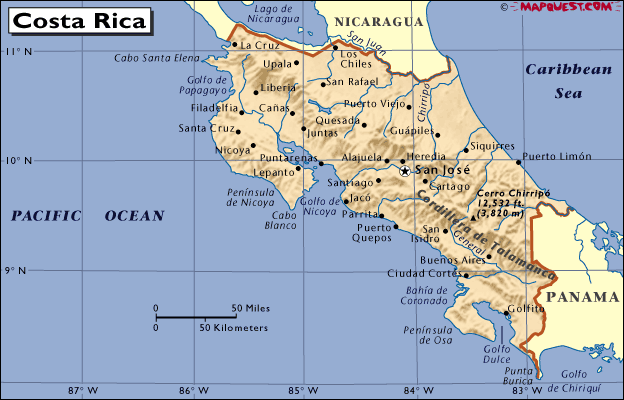
Costa Rica is divided into eight major coffee-growing regions, among which Tarrazú, Central Valley, and West Valley are the most noted for their stable quality and distinctive characteristics. Tarrazú is famous for producing coffee with high acidity, high sweetness, and nutty, chocolatey flavor notes, making it an excellent choice for many coffee beginners. Washed Tarrazú is a typical representative, featuring aromas of sweet orange, nuts, and chocolate, coupled with a soft and balanced mouthfeel that perfectly showcases the core traits of Costa Rica’s specialty coffee.
Costa Rica’s coffee harvest season typically runs from December to April each year, which also marks the peak of the picking period. In recent years, micro-processing facilities have sprung up rapidly, adopting innovative technologies that use only 5% of the water required by traditional washed processing plants, significantly lowering the investment barrier. Among them, the Honey Process — known for its intense sweetness, soft acidity, and complex flavors — has become a new favorite in the market, achieving frequent success in major coffee competitions and greatly enhancing estates’ international visibility.
The Core Secrets of the Honey Process
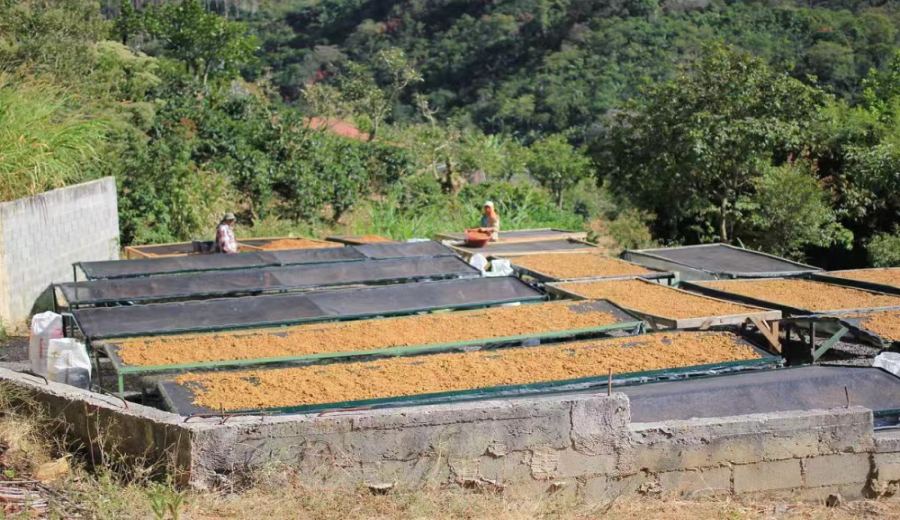
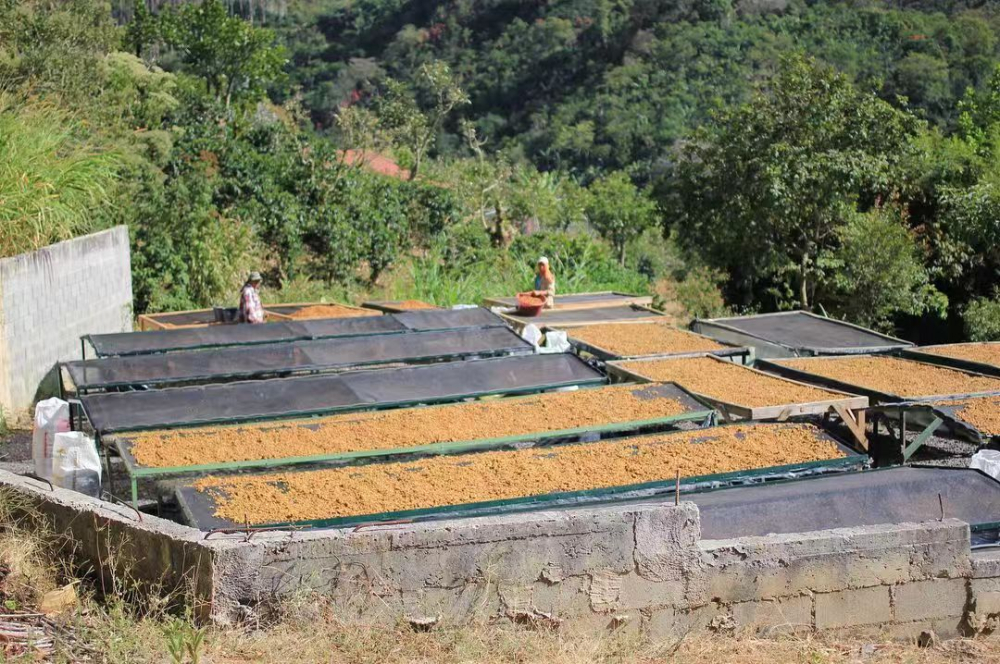
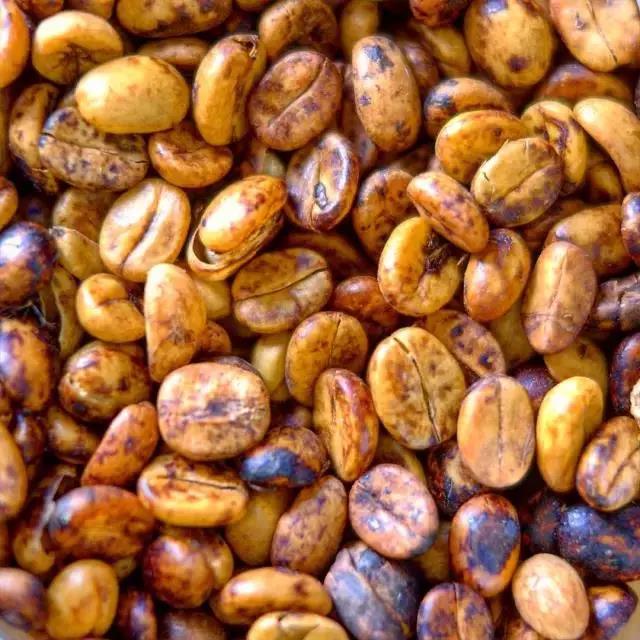
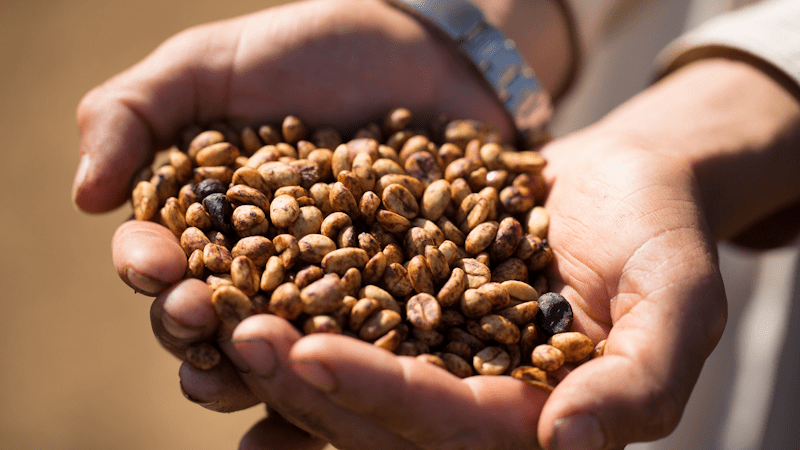
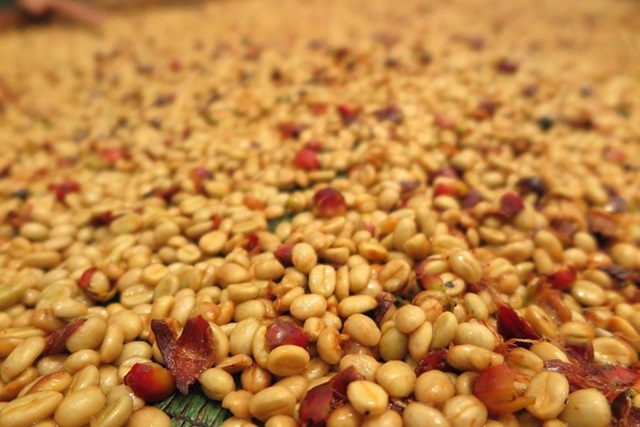
The Honey Process (also known as Miel Process) is a widely used technique in Central American countries such as Costa Rica, Panama, and Guatemala. Its defining feature is the retention of the coffee fruit’s mucilage layer, which, through sun drying, allows sugars and enzymes to penetrate the beans, imparting greater sweetness and fruity aromas. The term “honey” does not refer to the addition of actual honey, but rather describes the honey-like sheen and sweetness that develops during drying.
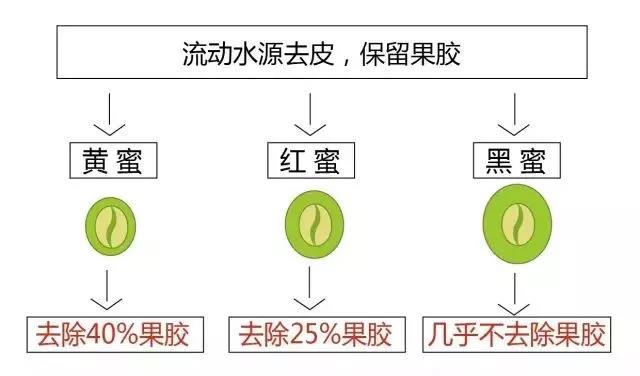
In Costa Rica, farmers further classify the Honey Process based on the percentage of mucilage retained — White Honey (50% retained), Yellow Honey (60%), Red Honey (80%), and Black Honey (100%). The more mucilage retained, the higher the sweetness and flavor complexity, but also the longer the drying time and the stricter the requirements for weather and technique. For example, Tobosi Estate employs a unique Sweet Sap Honey Process, additionally soaking the parchment-covered beans in coffee cherry juice to further enhance flavor intensity and layered complexity.
Tobosi Estate: Rich Sweetness of Red Honey Processed Catuaí
Established in 2010, Tobosi Estate is located about a two-hour drive south of Costa Rica’s capital, San José, at elevations between 1,500 and 1,600 meters. It spans 23 hectares and primarily cultivates Red and Yellow Catuaí (Catuai), Villasarchi, and Geisha. The estate is part of the Grupo Los Grande de Copey S.A. group, which also includes the higher-elevation Copey Estate (1,900–2,000 m) and Finca Don Antonio, the 2017 COE competition champion. Tobosi Estate’s coffee trees are planted in blocks selected through soil analysis and environmental testing to ensure optimal growth conditions for every bean.
The estate owner, Jorge Bernes, comes from a family with two centuries of coffee-growing heritage, and quality control is managed by Mario, a cupper and roaster with 19 years of experience. All coffee is handpicked to precisely gauge cherry ripeness, and a full traceability system ensures transparent quality. The Red Honey processed Catuaí variety, grown at 1,600 meters, qualifies as SHB (Strictly Hard Bean, above 1,200 m). Its roast curve emphasizes development time — after medium-high heat dehydration, the air vent is fully opened at first crack, extending the development phase by two minutes to allow full sugar conversion, resulting in a rich caramel sweetness.
In cupping, this coffee presents floral, creamy, citrus, and sugarcane dry aromas; the wet aroma offers sweet notes of toffee and white grape. When sipped, clear fruit flavors of plum, sweet orange, peach, and pomelo come through, delivering excellent balance, solid sweetness, and rich layers.
Canet Estate: Crisp Acidity of Washed Catuaí
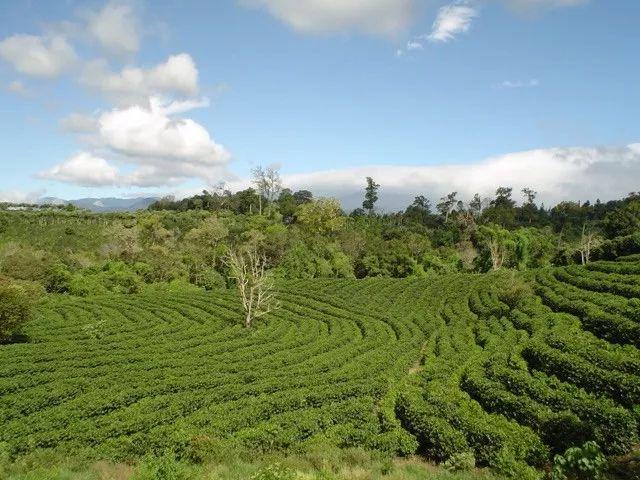
Canet Estate is located in the town of San Marcos within the Tarrazú region, at elevations of 1,800 to 1,900 meters — one of the highest-altitude growing areas in the zone. Co-managed by the Robles brothers and the Montero family, it mainly grows Yellow Caturra, a disease-resistant variety developed in 1949 by Brazil’s Instituto Agronômico de Campinas. Suited to high altitudes and windy conditions, it features clean, delicate acidity. The estate’s washed processing method, through traditional mucilage removal and fermentation steps, highlights a brighter acidity and fresh fruitiness.
Represented by the “Beethoven” lot, the Washed Catuaí exhibits cupping notes of intense floral and fruity aromas — such as strawberry, apple, lemon, and grape — with an acidity as clear and lingering as wind chimes. Its sweetness is dominated by honey and toffee, and the body feels silky like a smooth black tea, with a long-lasting finish. Roasted to a medium-light level to preserve more fruity acidity and floral notes, it is dropped at a lower temperature to accentuate its refreshing character.
Roasting & Pour Over Recommendations: How to Extract Optimal Flavor?
For Tobosi Estate’s Red Honey Catuaí, a medium-dark roast is recommended to enhance caramel sweetness and body. For pour over, use a V60 dripper, water temperature at 90–91°C, and medium-fine grind (e.g., small Fuji #3.5). A three-stage pour is suggested: initial bloom with 25g water for 25 seconds, then pour to 120g and pause, followed by pouring to 225g after the water level drops halfway, with total brew time around 2 minutes. These parameters balance sweetness and acidity, highlighting its rich fruit notes.
As for Canet Estate’s Washed Catuaí, a slightly lower water temperature (around 88–90°C) and coarser grind (e.g., small Fuji #4) are ideal to preserve its bright acidity and floral aromas. A siphon or French press can also be great choices, further softening the mouthfeel and showcasing its silky body.
In summary, although both the Red Honey processed Tobosi Estate and the Washed Canet Estate coffees come from the same Tarrazú region and share similar varieties, their differing processing methods and roast strategies yield distinctly different flavor directions — the former excels in rich sweetness and full body, while the latter shines with crisp acidity and lively fruitiness. Whether you prefer coffee with a lush sweetness or one with a bright, refreshing profile, these two beans will both bring you the unique charm of the Tarrazú region.
The above content is compiled by CoffeeHunters, a coffee news website.


