







Introduction:Do you want to understand how Japanese slow roasting and Nordic fast roasting influence the flavor profile of the same Yirgacheffe Red Cherry coffee beans? This article provides an in-depth analysis by comparing actual roasting curves, exploring the differences in key parameters such as charge temperature, heat control, and development phase between the two roasting methods. From the appearance of roasted beans, ground coffee color, to cupping performance, we’ll show you how different roasting philosophies shape a coffee’s aroma, sweetness-acidity balance, and flavor layers. Whether you’re a roasting enthusiast or a pour over fan, you’ll gain practical insights.
In the world of specialty coffee, roasting is one of the most critical factors that determine a coffee’s flavor expression. Among various styles, Japanese slow roasting and Nordic fast roasting represent two of the most iconic approaches, each showcasing distinct flavor directions and technical philosophies. This article uses a batch of Yirgacheffe Red Cherry coffee beans—processed using the natural sun-drying method—as an example. By providing a detailed comparison of two actual roasting curves, focusing on core parameters such as charge temperature, heat and air dam adjustments, yellowing point, and first crack development time, we’ll guide you through how these two roasting methods impact the final cup.
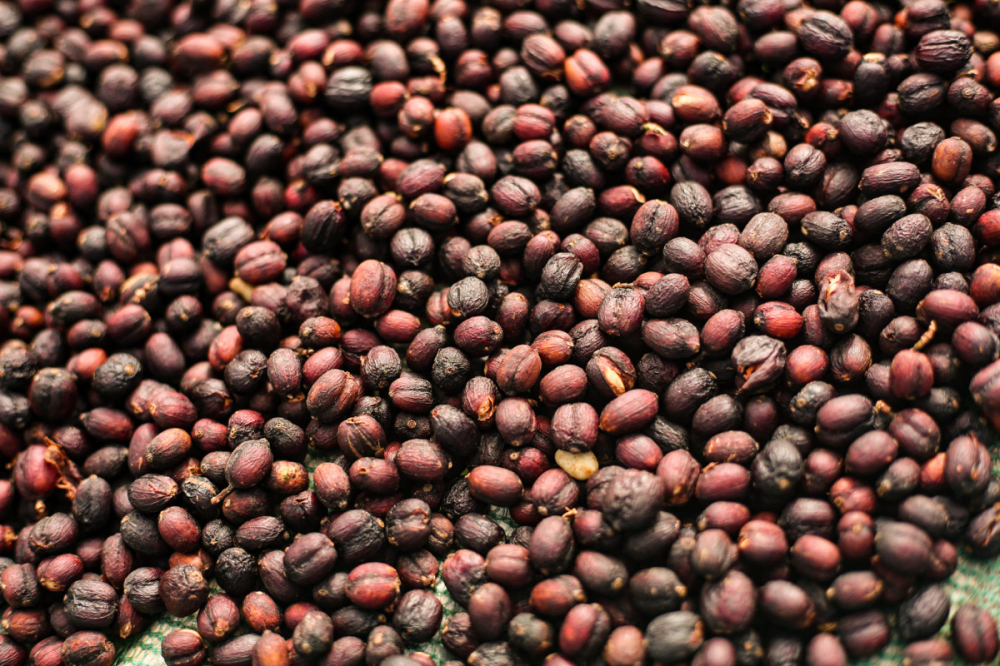
First, let’s take a look at the background of these coffee beans. This batch of Yirgacheffe Red Cherry comes from the Worka Cooperative, where smallholder farmers are mostly located at high altitudes ranging approximately from 1,850 to 2,100 meters. The main variety grown here is the indigenous Heirloom, which thrives in high-altitude environments and possesses unique aromatic potential. These green beans were graded as G1—the highest grade—by the ECX, not only featuring plump appearance and low defect rates but also exhibiting the classic citrus and floral characteristics of Yirgacheffe. This forms an excellent foundation for the subsequent roasting flavor development.
In the actual roasting process, we adopted two different curve designs: Japanese slow roast and Nordic fast roast. For the slow roast, we employed a relatively gentle heating strategy with a higher charge temperature. The initial heat was kept low and then moderately increased by about 10% during the yellowing stage to compensate for the heat lost due to airflow. The air dam was gradually adjusted from an initial 20% up to 80%, ensuring even heat distribution during the drying and Maillard reaction phases. The first crack progressed smoothly and steadily, and the overall roasting time was longer, emphasizing full development of sweetness and body.
In contrast, the Nordic fast roast curve started with a lower charge temperature and significantly higher initial heat, aiming to quickly raise the bean core temperature and activate volatile aromatic compounds, especially fruity and floral notes. The air dam was maintained at 80% before first crack to enhance hot air penetration efficiency, simulating the operating environment of common European roasters. This roasting style particularly emphasizes gradually reducing heat during the yellowing, browning, and first crack stages to prolong the Maillard reaction and caramelization processes, thereby highlighting the coffee’s acidity layers and tea-like qualities.

Observing the finished roasted beans, clear differences between the two styles can be observed. Slow-roasted beans appear more relaxed and evenly colored, and their ground powder shows a relatively consistent hue. In contrast, fast-roasted beans have a slightly tighter appearance, and their ground coffee exhibits more noticeable color variation, indicating a more intense heat reaction. These visual traits often correlate closely with the final brewing performance.
Further cupping comparisons reveal that the flavor profiles of the two are vastly different. The Japanese slow roast version delivers a steady mouthfeel, with clear and layered sweetness. It has a smooth entry with prominent caramel and nutty tones, maintaining high overall consistency. It suits drinkers who prefer a rich and full-bodied flavor. More importantly, this roasting method requires a shorter resting period—sometimes just 2 hours—and shows almost no noticeable roastiness.
On the other hand, the Nordic fast roast shines in the cup with vibrant fruity and floral aromas. The flavor features distinct citrus and berry notes, blended with a soft tea-like quality, presenting bright yet balanced acidity. However, this roasting style demands higher quality in the green beans; any defects are more likely to be amplified during fast roasting, making the selection of premium beans crucial. Additionally, fast-roasted beans usually require a longer resting time. Once fully developed, the aroma released upon grinding just before brewing can be truly astonishing.
Overall, Japanese slow roasting and Nordic fast roasting each have their unique technical emphases and flavor appeals. Slow roasting focuses on stable heat accumulation, ideal for highlighting sweetness and body, and is more forgiving with green bean quality. Fast roasting, meanwhile, emphasizes high-temperature rapid extraction of flavor compounds, pursuing intense aroma and tea-like expression, but requires stricter control over the entire process and green bean quality. No matter which style you prefer, understanding these roasting differences will help you make better choices when selecting and brewing coffee, allowing you to enjoy a richer coffee experience.
The above content is compiled by CoffeeHunters, a coffee news website.


