







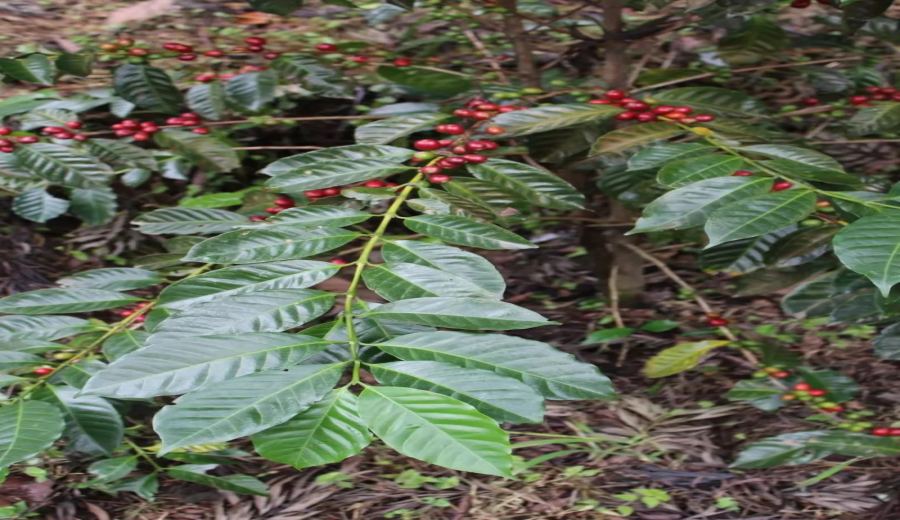
Introduction:The Geisha (Geisha) coffee variety was first discovered in 1931 in the Gesha Forest of Ethiopia, later making its way through several regions before ultimately shining brightly in Panama. However, despite sharing the same name, the products from Panama and the Gesha Village in Ethiopia differ greatly in flavor, growing environment, and brewing methods. This article will delve into the varietal background, regional characteristics, flavor profiles, and pour-over brewing recommendations for Geisha from both regions, helping you better grasp the unique charm of this renowned coffee from two major origins.
The Geisha variety can be traced back to 1931, when it was discovered in the forests near the Gesha town in southern Ethiopia and subsequently sent to Kenya for research. It then made its way to Uganda, Tanzania, and even Costa Rica. But it wasn’t until the mid-20th century that this variety was rediscovered in Panama and gained fame after the Hacienda Esmeralda won top honors in a competition.
Although they share the same name, the Geisha from Panama and the Gesha Village in Ethiopia actually originate from the same varietal lineage but exhibit distinctly different flavor characteristics due to varying terroir conditions. This article will provide a detailed introduction to the Geisha from these two regions—from varietal origins, regional terroir, coffee characteristics, to roasting profiles and pour-over extraction recommendations—allowing you to gain an in-depth understanding of their unique traits.
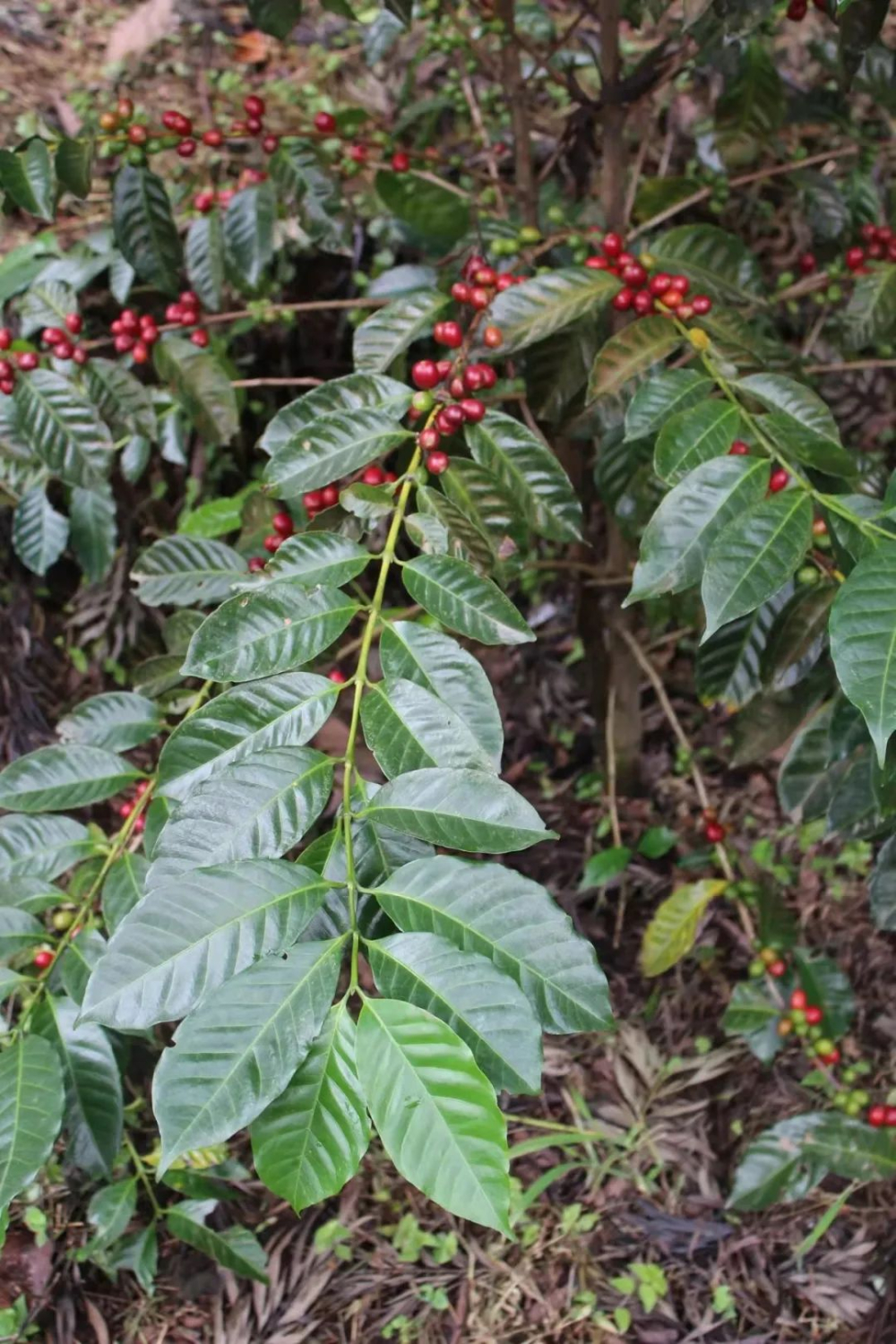
First and foremost, Geisha is fundamentally a coffee variety characterized by intense floral and fruity aromas, delicate acidity, and rich layers of flavor. It first appeared in the forests near the GESHA town in Ethiopia in 1931 but initially received little attention. It wasn’t until it was introduced to Panama and successfully isolated and cultivated by Hacienda Esmeralda that this variety truly began to shine.
Meanwhile, the Gesha Village in Ethiopia was established in the 2000s by American documentary filmmaker Adam Overton and his Ethiopian wife Rachel Samuel. They are dedicated to rehabilitating and cultivating this highly promising variety. Today, Gesha Village has become one of the largest-scale Geisha-growing regions in the world and preserves many original Geisha lineages.
Terroir and Regional Characteristics of Panamanian Geisha
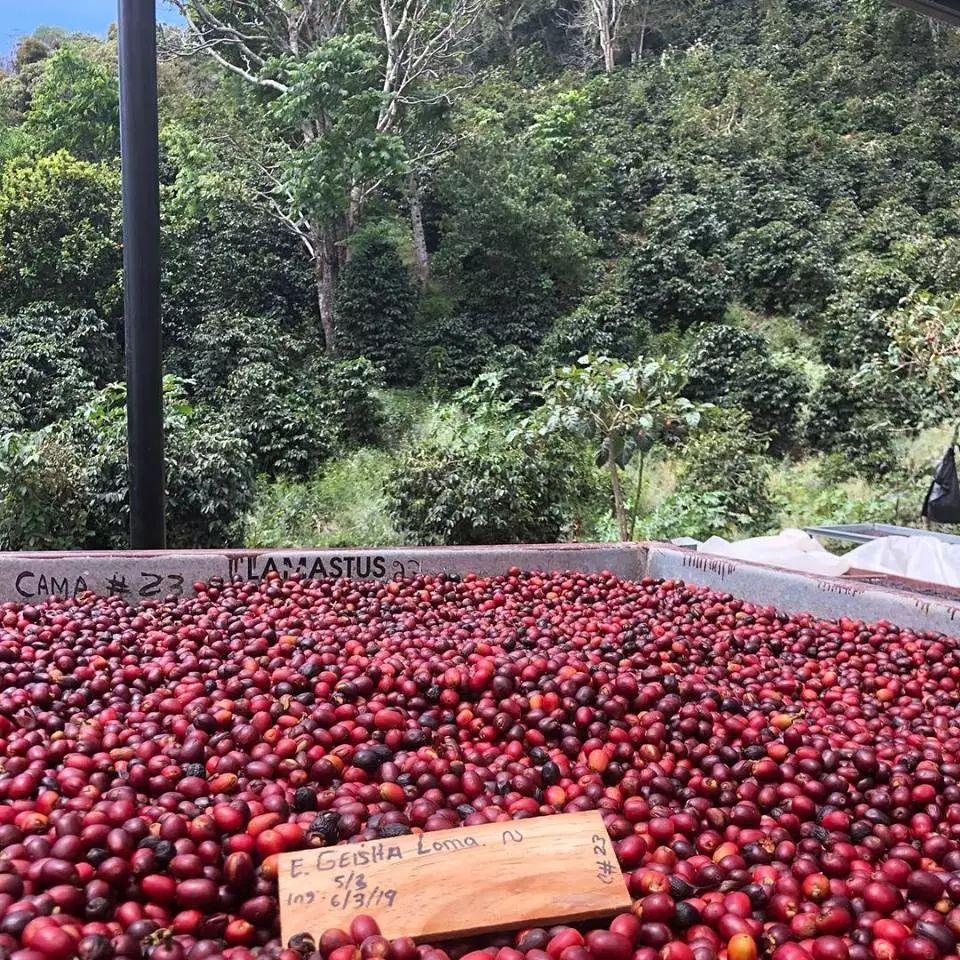
Panamanian Geisha is primarily grown in the Boquete region of Chiriquí Province in the western part of the country, close to the border with Costa Rica, at elevations typically ranging between 1600 and 2000 meters. The climate is cool and often cloudy, with annual rainfall reaching up to 3500 millimeters. The complex terrain of the region creates numerous microclimates, providing ideal growing conditions for Geisha.
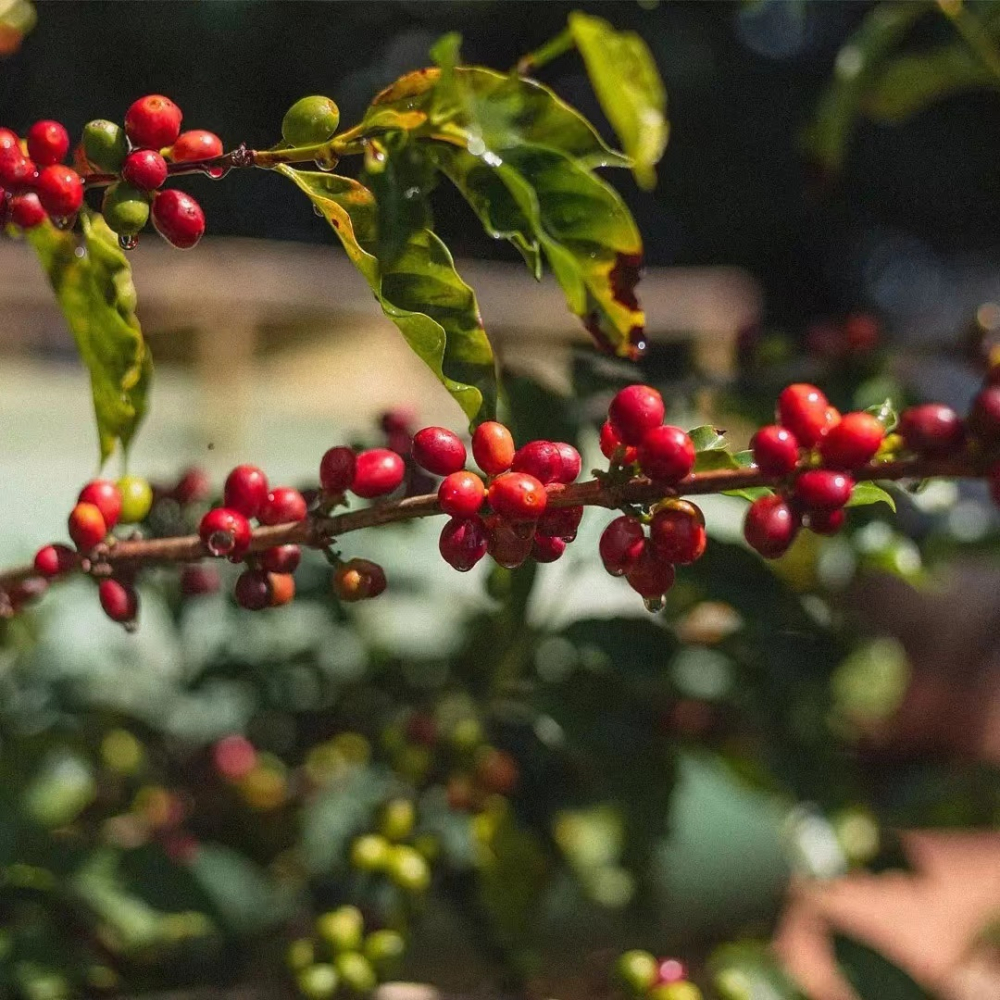
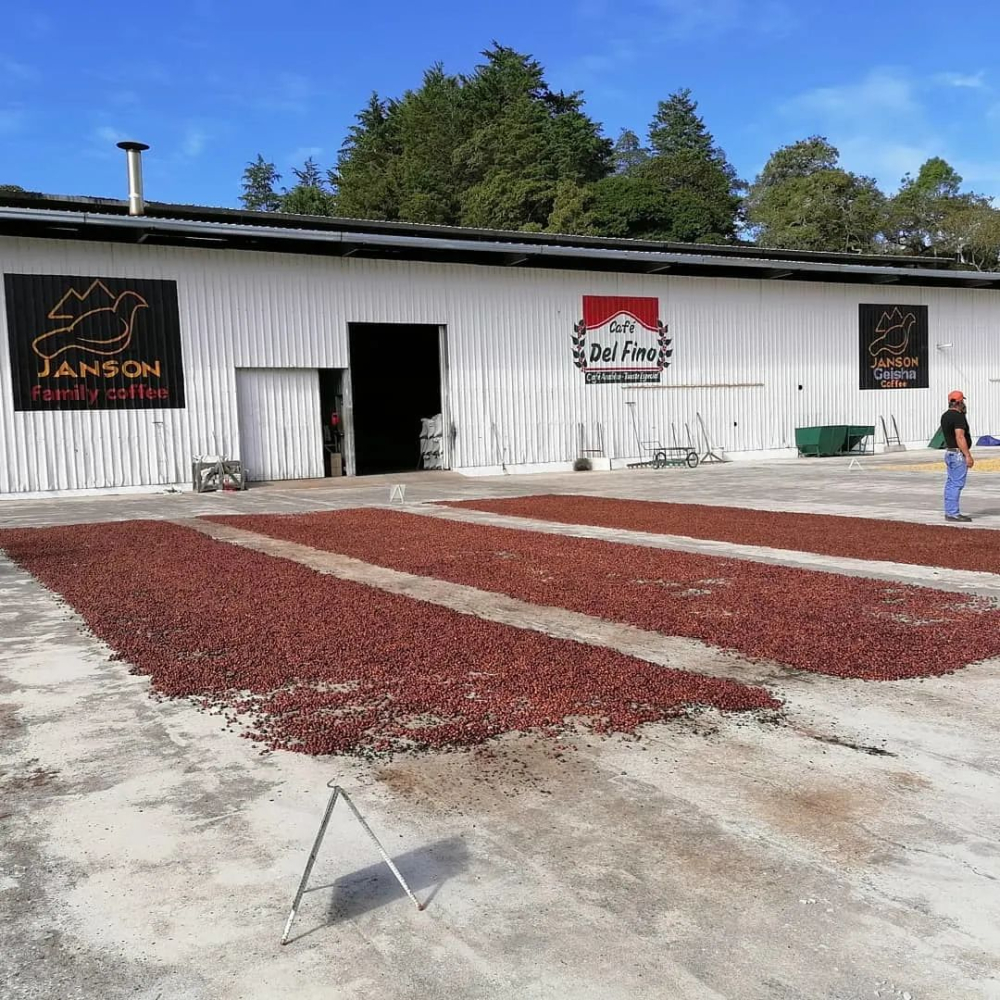
Among them, the Geisha from Hacienda Esmeralda is famous for its "Red Label Geisha," known for its intense floral notes, tropical fruit character, and honey-like sweetness, often featuring layers of peach, oolong tea, and nectarine. Elida Estate cultivates at ultra-high altitudes (over 1900 meters), producing sun-dried Geisha with bright acidity and berry-like flavors, often described as having complex aromas of tree tomato and blackberry. Jensen Estate, on the other hand, leverages volcanic soil to create a softly balanced flavor profile with jasmine, lychee, and citrus notes.
Regional and Microclimate Management of the Ethiopian Gesha Village
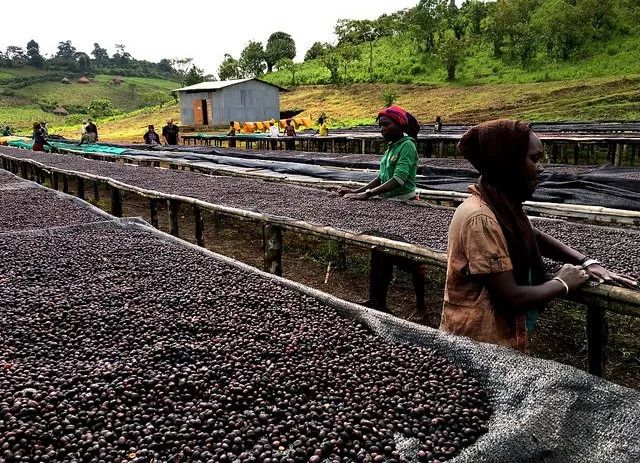
Compared to Panama, the Gesha Village estate in Ethiopia covers a vast area of 471 hectares, which has been gradually expanded since 2011 and reached approximately 320 hectares under cultivation by 2017. To precisely manage the performance of Geisha under different microclimates, the estate divides its planting areas into eight major blocks, each selecting the most suitable variety based on elevation, soil, and shade conditions.
For example, the OMA, SURMA, and SHEWA-JIBABU blocks, situated at higher elevations, grow slightly different varieties, resulting in distinct aroma and acidity profiles even when processed using the same method. Gesha Village not only cultivates Geisha but also grows the pathogen-resistant Ethiopian landrace Illubabor, provided by the Ethiopian Coffee Research Institute, demonstrating its commitment to varietal diversity.
Differences in Green Bean Appearance and Processing Methods
Panamanian Geisha green beans are typically hard and dense, with medium-sized, plump beans. After roasting, they often exhibit bright acidity and fruity sweetness. In contrast, the Geisha green beans from Gesha Village in Ethiopia are relatively smaller, with washed beans showing a bluish-green hue and natural beans appearing yellowish-green, exuding a unique creamy aroma reminiscent of oolong tea along with fruity notes.
In terms of processing methods, Panama commonly employs both natural and washed processes to enhance or preserve different flavor layers. Gesha Village also offers both washed and natural options—the washed process highlights clear notes of lemon, berries, and delicate acidity, while the natural version is sweeter, with intense tones of peach, honey, and tropical fruits.

Roasting and Pour-Over Parameter Recommendations
To fully showcase the aroma and acidity of Geisha, a medium-light roast is recommended. One coffee brand suggests that the Panamanian Esmeralda Natural Geisha should be dropped from the roaster about 1 minute and 30 seconds after the first crack, at a temperature of 189°C; whereas Gesha Village Geisha is advised to be dropped 1 minute and 20 seconds after the first crack, at 193°C. These fine adjustments help preserve key flavor characteristics such as flowers, fruits, and honey.
For pour-over brewing, it is recommended to use a V60 filter cone, with a water temperature set at 91–92°C, a brew ratio of 1:15, and a grind size of approximately 80% through a #20 sieve (similar in size to superfine sugar).Brewing Steps: Start by pouring 30 grams of water for a 30-second bloom, followed by pouring up to a total of 250–275 grams. Segmenting the pour helps improve extraction uniformity and flavor layering. The total brew time is generally controlled around 2 minutes, with adjustments possible based on personal taste preferences.
Conclusion
Whether it’s the Geisha nurtured by Panama’s high-altitude misty mountains or the complex expression derived from native varieties at Ethiopia’s Gesha Village, the Geisha from these two regions showcases the diverse potential of this varietal. Understanding their regional characteristics, processing differences, and suitable brewing strategies will help you more deeply appreciate the unique charm of these two renowned Geisha-producing regions.

The above content is compiled by CoffeeHunters, a coffee news website.


