







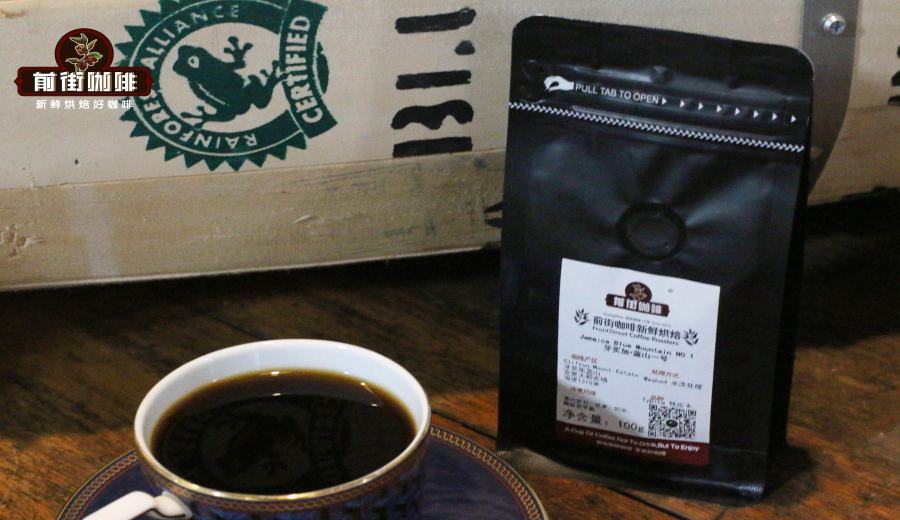
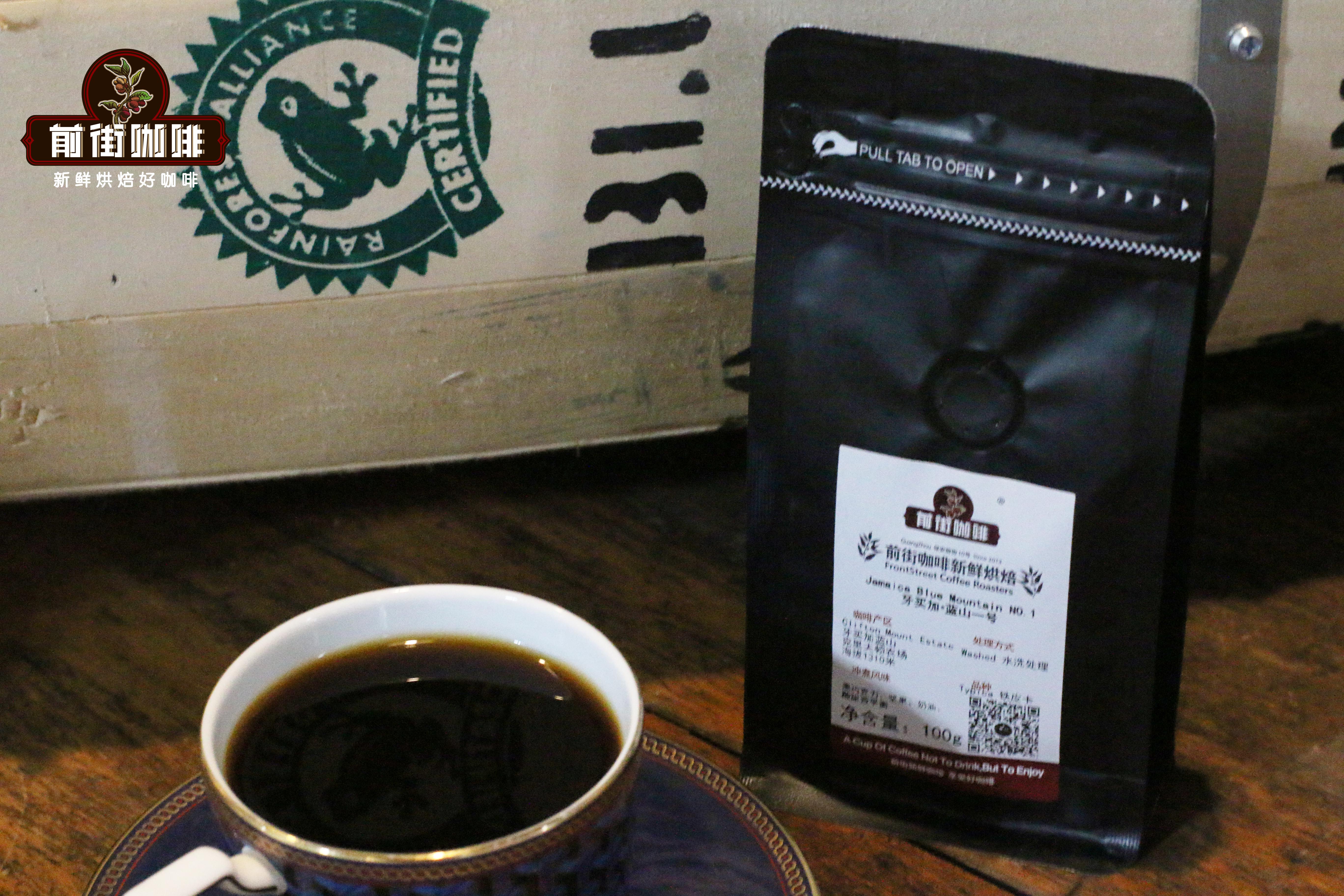
Introduction:Jamaica Blue Mountain coffee is world-renowned for its delicate smoothness and gentle acidity, with the Clifton Estate being one of its most representative growing regions. This article delves into the division of the Blue Mountain coffee-growing regions, the cultivation and processing methods of the Clifton Estate, the official certification standards of CIB, and shares practical tips for brewing Blue Mountain No. 1 using the pour over method — including filter choice, water temperature control, grind size recommendations, and a three-stage pouring technique — to help you brew a professionally smooth, low-acid Blue Mountain cup at home.
Jamaica Blue Mountain coffee is a leader in the global specialty coffee market, beloved for its smooth, balanced flavor and exceptionally low acidity. Among them, the Clifton Estate is not only one of the key producing regions of Blue Mountain coffee, but also the only Blue Mountain coffee farm to have received Rainforest Alliance certification. This article will comprehensively analyze how to brew a richly flavored and softly acidic cup of Blue Mountain No. 1, covering the geographic divisions of the Blue Mountain region, the cultivation and processing procedures of the Clifton Estate, CIB’s certification and grading standards, as well as practical pour over suggestions and parameters.
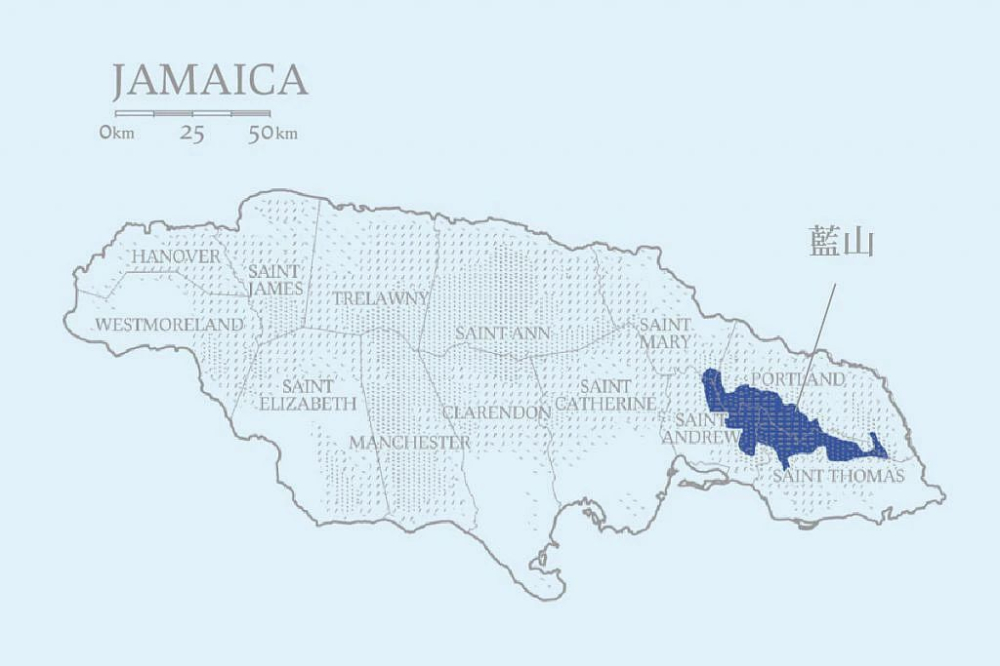
First of all, not all coffee grown in the Blue Mountain region can be called 'Jamaica Blue Mountain coffee.' According to the regulations of the Jamaica Coffee Industry Board (CIB), only coffee of the Typica variety grown within a specific area of about 6,000 hectares in the Blue Mountains, at elevations between 910 and 1,700 meters, qualifies as authentic Jamaica Blue Mountain coffee. These areas are mainly concentrated in the four administrative regions of St. Thomas, St. Mary, St. Andrew, and Portland. The renowned Clifton Estate is a representative producer located in this zone.
There are four main estates that produce Jamaica Blue Mountain coffee: Clifton Estate, Stoneham Estate, Mavis Bank Estate (also known as Golden Cup), and RWS Coffee Estate. Among them, the Clifton Estate is not only the oldest Blue Mountain coffee estate but also the only producer with Rainforest Alliance certification, accounting for 55% of Jamaica’s total coffee exports. The Blue Mountain No. 1 coffee produced by this estate is considered a dream-grade bean by many coffee enthusiasts.
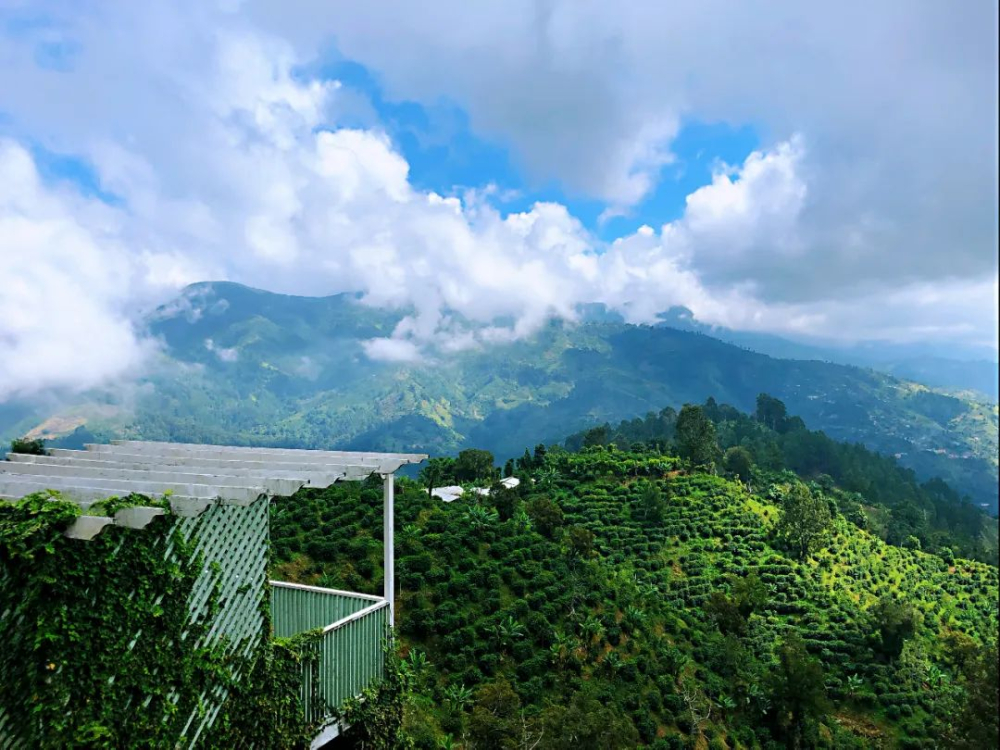
The history of coffee cultivation at the Clifton Estate dates back to the mid-18th century, around 1750, and has been managed by the Sharp family since 1978 up to the present. The estate is situated on Clifton Mountain at an altitude of approximately 1,310 meters. With daily cloud cover, moderate sunlight, abundant rainfall, and mineral-rich soil, it provides nearly perfect growing conditions for coffee trees. Moreover, the high-altitude environment slows the ripening process of coffee cherries, allowing the fruits to accumulate richer aromatic compounds. However, because the plantations are mostly on steep slopes, harvesting relies entirely on skilled manual selection of ripe cherries, making it extremely labor-intensive.
In terms of production processes, the Clifton Estate places great emphasis on environmental protection and sustainability. Since taking over, the Sharp family has not only rehabilitated wild forested areas but also introduced solar power systems, wastewater treatment facilities, and a professional BMCP processing facility. In the processing procedure, harvested coffee cherries are first subjected to floatation to remove unripe beans, then mature cherries are sent to the pulping process via water flow. The depulped beans, still covered in mucilage and parchment, undergo fermentation to remove the sticky layer, followed by rinsing with clean water. They are then sun-dried with the parchment on until the moisture content is reduced to 11%–12%, and finally rested in the BMCP facility for about a month to stabilize flavor and water activity.
As early as 1952, the Jamaican government established the CIB (Coffee Industry Board) to regulate every aspect of Blue Mountain coffee — from cultivation and production to export — ensuring consistent quality and traceability. All Blue Mountain coffee exported overseas must pass strict CIB certification and come with an official certification label. The Blue Mountain No. 1 coffee beans sold by this supplier all hold CIB certification, a Jamaica Coffee Board quality certificate, a certificate of origin, and an authorized sales certificate to guarantee authenticity.
CIB applies very rigorous grading criteria to Blue Mountain coffee, evaluating factors such as green bean size, defect rate, color uniformity, and cupping performance (including dry fragrance, wet aroma, acidity, body, cleanliness, and sweetness). Screen size determines bean size, while color quality is best when bluish-green. Based on these standards, Blue Mountain coffee is divided into four grades: Blue Mountain No. 1 (the highest), Blue Mountain No. 2, Blue Mountain No. 3, and Blue Mountain Peaberry. Blue Mountain No. 1 requires a screen size of 17 or higher, a defect rate below 3%, a moisture content of around 13%, and must demonstrate low acidity, rich aroma, full body, and a long-lasting sweet aftertaste in cupping.
Blue Mountain coffee beans that pass quality inspection are exported in different packaging formats according to grade. Blue Mountain No. 1 to No. 3 are among the few coffees in the world shipped in wooden barrels, available in 70 kg, 30 kg, and 15 kg sizes, which help stabilize moisture content and prevent aroma loss; other grades are packed in 60 kg jute sacks. Wooden barrels are not only one of the hallmarks of Blue Mountain coffee, but also help maintain stability during roasting.
The Clifton Estate Blue Mountain No. 1 used by this supplier is medium-dark roasted to fully showcase its chocolate and nut aromas, while balancing soft acidity and natural sweetness, resulting in an overall balanced and refined profile. Freshly roasted beans exhibit dry aromas of nuts, melon, and chocolate in cupping, and upon hot water infusion, release complex notes of oolong tea, caramel, honey, and dark chocolate. On the palate, you’ll taste intense dark chocolate, roasted hazelnuts, cream, and brown sugar flavors, with a full-bodied, smooth mouthfeel and a long, clean finish.
When brewing Blue Mountain No. 1 at home using the pour over method, it is recommended to use a KONO filter, whose slower flow rate and immersion-style extraction help enhance concentration and body. If a KONO is unavailable, you may opt for a Kalita wave dripper or a cloth drip (法兰絨). The suggested grind size is roughly that of coarse sugar, about 75% passing through a standard #20 sieve. Water temperature should be controlled at88°C, and a three-stage pouring technique is recommended for stable extraction.
Suggested pour over parameters are as follows:
- Water temperature:88°C
- Grind size: Coarse sugar level (approximately 75% passing through a #20 sieve)
- Coffee dose: 15 grams
- Coffee-to-water ratio: 1:15
- Total extraction time: About 2 minutes
Steps for the three-stage pouring technique:
- First stage: Pour 30 grams of water for blooming, for about 30 seconds
- Second stage: Pour steadily up to 125 grams, using a steady circular motion
- Third stage: When the water level drops by half, continue pouring up to 225 grams, keeping the total extraction time around 2 minutes
The brewed Blue Mountain No. 1 coffee presents rich flavors of dark chocolate and almonds at high temperatures. As it cools, you’ll notice nuances of roasted hazelnuts, creamy sweetness, and delicate caramel notes. The acidity remains soft and layered, making it a classic coffee well worth savoring.
The above content is compiled by CoffeeHunters, a coffee news website.


