







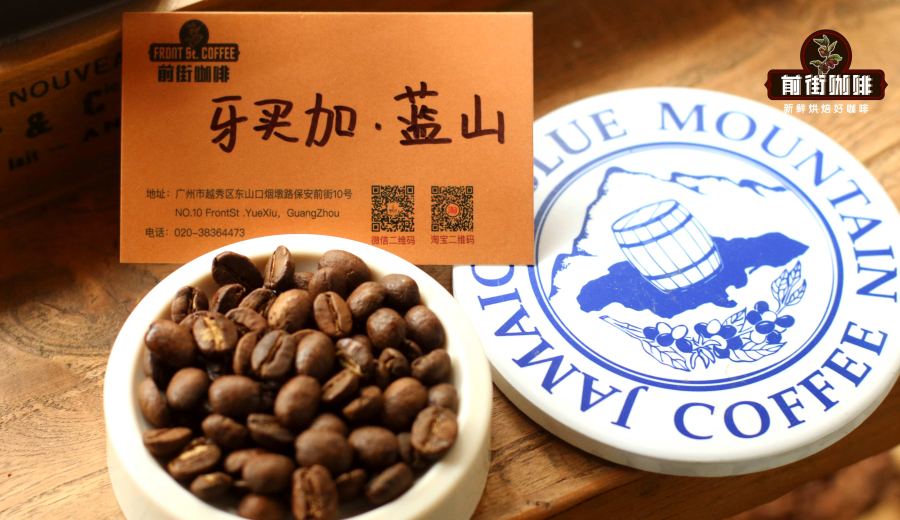
Introduction:The market is flooded with various coffee products claiming to be "Blue Mountain," but genuine beans from Jamaica’s Blue Mountain range are extremely rare. This article will teach you how to identify authentic Jamaican Blue Mountain coffee by examining three key aspects: certification documents, green bean appearance, and flavor characteristics. It also provides a set of pour over parameters and a three-stage pouring technique tailored for medium-dark roasted Blue Mountain beans, including filter choice, grind size, water temperature control, and brew ratio, helping you easily extract the classic Blue Mountain coffee with its rich body, caramel sweetness, and nutty-chocolate flavors.
In the coffee market, products labeled as "Blue Mountain flavor" or "Blue Mountain trio blends" are everywhere, but these are completely different from beans truly sourced from Jamaica’s Blue Mountain mountains. For coffee enthusiasts, identifying genuine Jamaican Blue Mountain coffee has become an important skill.
To determine whether a Blue Mountain coffee is authentic, the first step is to examine its relevant certificates. Authentic Jamaican Blue Mountain coffee comes with certification documents and origin certificates issued by the Jamaican government. Therefore, the most direct and reliable way for consumers when purchasing is to request these official documents from the seller. If the seller cannot provide them, then the authenticity of the product should be questioned.
In addition to certificates, observing the appearance of the green beans is also a crucial part of identification. Genuine Jamaican Blue Mountain green coffee beans are typically uniform in shape, plump in size, with slightly upturned ends, and their overall color leans toward a vibrant green. These visual characteristics are distinctly different from regular coffee beans and serve as one of the key criteria for identifying the real thing.
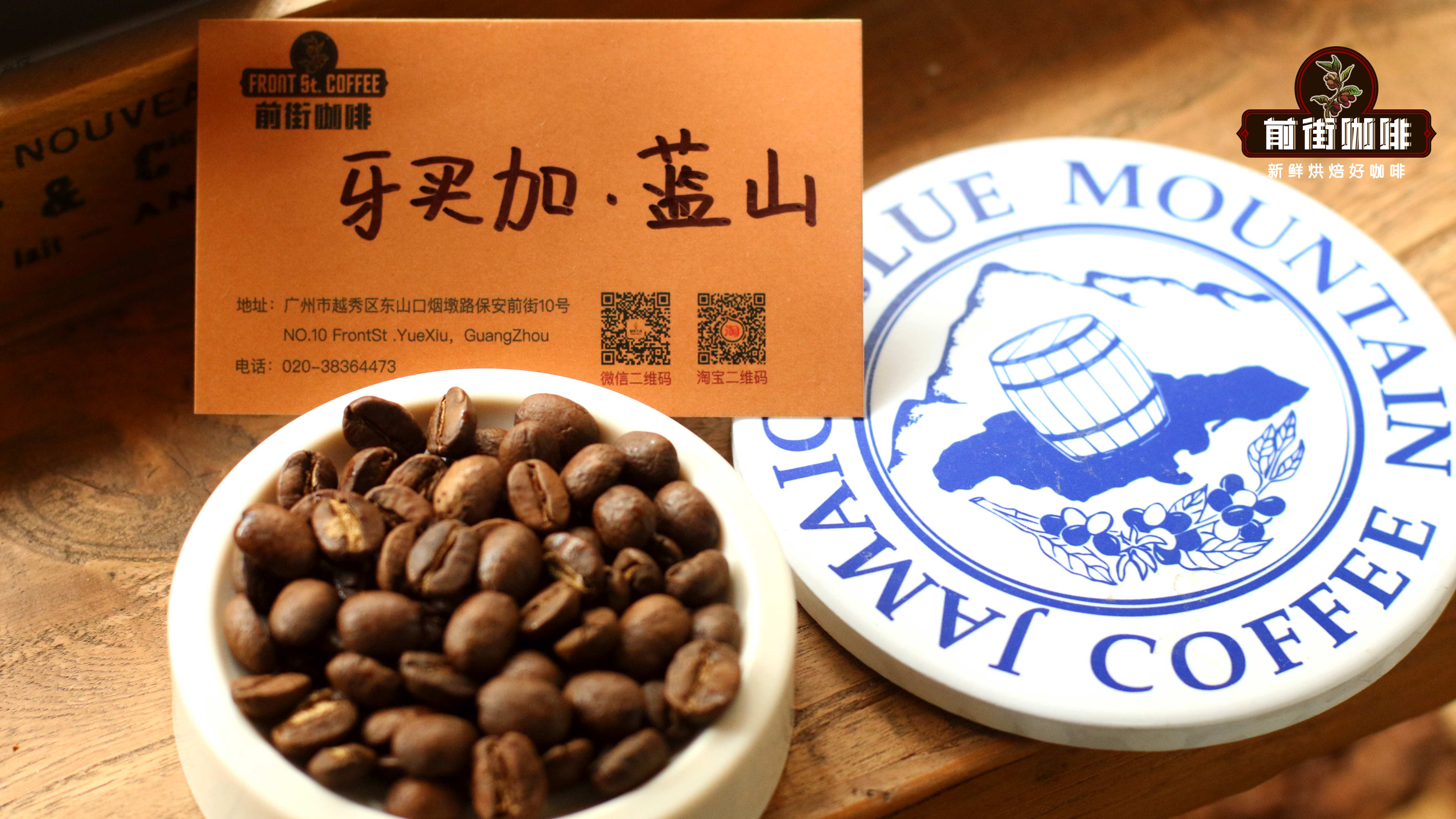
The final verification comes from the taste experience. Authentic Jamaican Blue Mountain coffee delivers a rich and dense flavor upon entry, with a clean and refreshing mouthfeel, completely free from any off-flavors or interference. In contrast, imitations often fail to match the same level of aroma intensity and complexity. Furthermore, many specialty Blue Mountain coffees familiar to coffee lovers are freshly shipped within five days after roasting, arriving at peak flavor and ready for immediate pour over enjoyment right after opening the bag.
In terms of roast style, traditional Jamaican Blue Mountain coffee mostly uses a medium-dark roast to enhance the coffee’s rich texture and bring out the classic aftertaste of bitterness followed by sweetness. For Blue Mountain beans with this roast profile, the following practical pour over method is provided to help you fully showcase their unique flavors.
For filter choice, it is recommended to use a Kono filter, which can effectively highlight the coffee’s dense characteristics and make the mouthfeel more rounded and full. As for coffee dosage, use 15 grams for a single serving, and it is advised to brew the beans on the 4th to 7th day after roasting, when the flavor performance is at its best.
Regarding grind size, since Jamaican Blue Mountain coffee is a darker roast, its bean structure is relatively loose, so the grind should be slightly coarser than that of light roasts. Using the same fineness as light roast beans can lead to overly fast extraction and produce burnt, bitter notes. Conversely, if the grind is too coarse, the coffee may end up tasting thin and diluted. The ideal grind coarseness should maintain a 20-mesh sieve passage rate of around 75%.
Water temperature control is equally crucial. It is recommended to set the water temperature between 87–88°C. Water that is too hot can easily bring out burnt, bitter flavors, while water that is too cool may result in a flat, unremarkable cup that fails to fully express the layered complexity of Blue Mountain coffee.
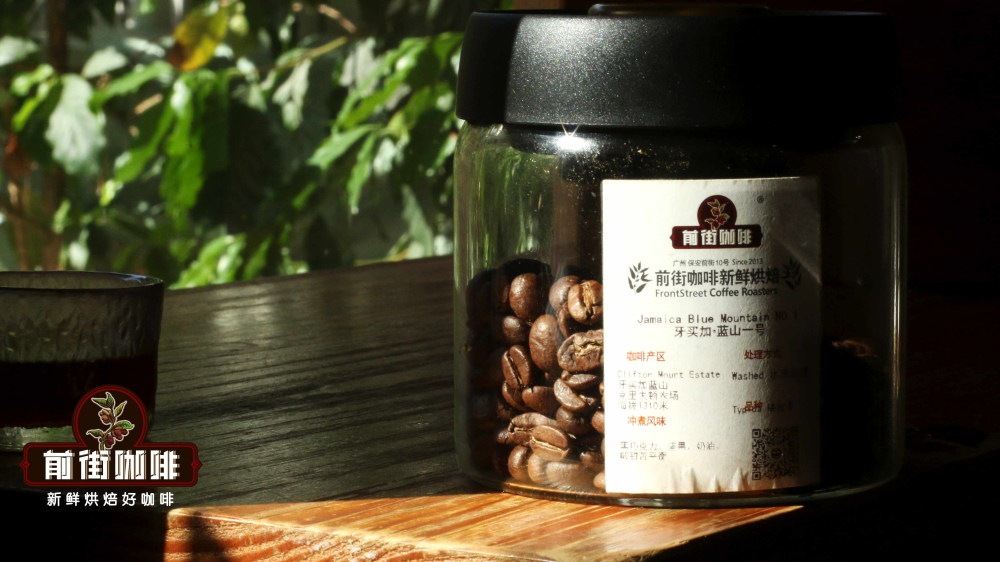
In terms of brew ratio, a 1:15 ratio is recommended. While some brewing methods may use a 1:13 or even smaller ratio to pursue a stronger flavor, such practices sometimes aim only to mask the bitter and off notes in the tail end, potentially sacrificing the lingering finish. In contrast, the 1:15 brew ratio, when paired with appropriate water temperature and grind size, better showcases the overall flavor characteristics of Jamaican Blue Mountain coffee.
Finally, for the pouring method, it is recommended to use the classic three-stage pouring technique to fully extract the Blue Mountain coffee’s rich body and caramel sweetness. The specific steps are as follows: First, perform the bloom pour by adding about 30 milliliters of water to fully saturate the coffee grounds and release trapped gases, laying the foundation for subsequent flavor extraction. Next, add 100 milliliters in the second stage, primarily to bring out the golden foam on the surface of the coffee grounds, further enhancing clarity of flavor. Finally, slowly pour 95 milliliters gently in the center of the coffee grounds. This helps intensify the coffee’s sweetness, making the overall mouthfeel richer and delivering a wealth of caramel sweetness, chocolate, and nutty flavors, while maintaining an excellent balance of acidity, sweetness, and bitterness.
The above content is compiled by CoffeeHunters, a coffee news website.


