







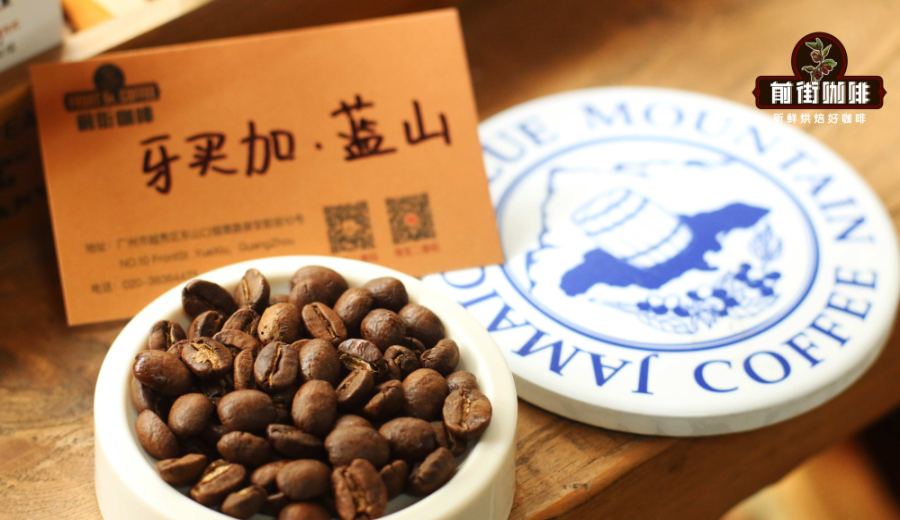
Introduction:Jamaican Blue Mountain coffee is hailed as the pinnacle benchmark in the coffee world, renowned for its rich, balanced, and layered flavor profile. However, only the correct brewing method can unlock its true potential. This article will delve into the characteristics of Blue Mountain No. 1, including the advantages of the washed processing method, grind size settings during pour over, optimal water temperature, filter choice, coffee-to-water ratio, and pulse pouring techniques. These insights will help you master the brewing essentials of this rare coffee and enjoy a cup of Blue Mountain pour over with a rich aroma and long-lasting finish.
Before specialty coffee became mainstream, Jamaican Blue Mountain was already recognized as the industry’s top-tier representative. Authentic Blue Mountain No. 1 not only boasts a rich flavor, intense aroma, lingering sweetness, bright acidity, and gentle bitterness in perfect harmony, but it also stands out due to its extremely low annual production (around 900 tons) and high price, making it one of the most sought-after yet most counterfeited coffees on the market. From a professional pour over perspective, this article will guide you on how to correctly identify Blue Mountain No. 1, and how to use key extraction parameters—such as grind fineness, water temperature, filter selection, pouring method, and coffee-to-water ratio—to brew a cup of Blue Mountain coffee with clear layers and a full-bodied taste.
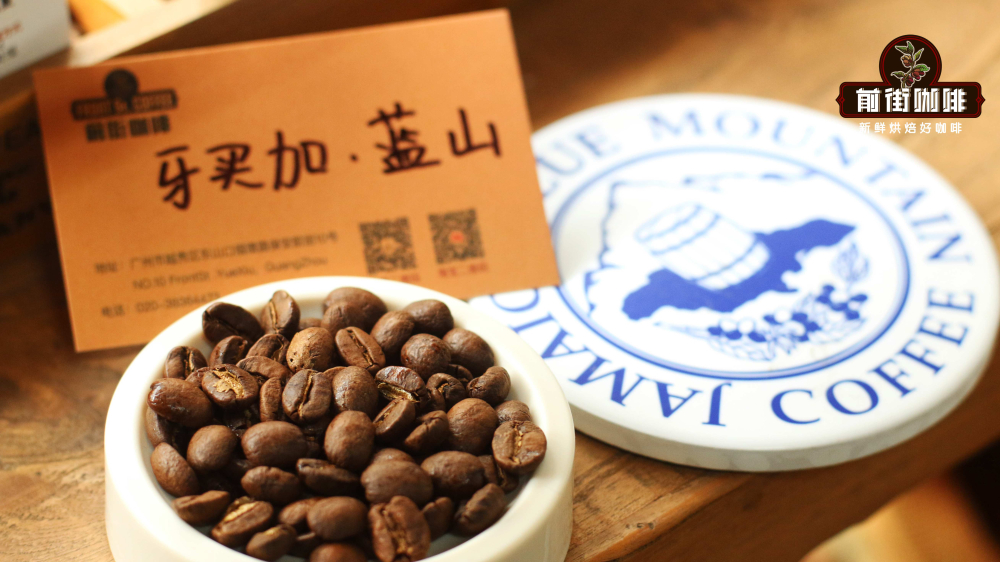
Long before the concept of specialty coffee emerged, Blue Mountain coffee was already the king of the coffee world—even those who rarely drink coffee have likely heard of its name. High-quality Blue Mountain coffee can showcase a refined balance of richness, aroma, sweetness, acidity, and aftertaste, even amid its mild bitterness. However, successfully brewing such flavors is not a matter of intuition. Based on real brewing experience, this piece will share the flavor profile of Blue Mountain No. 1, the clean taste brought by washed processing, and how to fully express its potential through pour over techniques.
First and foremost, if you want to brew Blue Mountain coffee, the first step is to confirm whether the beans you have are genuine Blue Mountain No. 1 grown in the Blue Mountains of Jamaica. Because Blue Mountain coffee is cultivated in the high-altitude (910–1700 meters), rugged terrain of the Blue Mountain range, harvesting and processing are challenging, resulting in scarce production and high prices. The market often sees substitutes labeled as “Blue Mountain blends” or “Blue Mountain-flavored,” some even priced at just a few dozen yuan, which are misleading products. According to official data, authentic Jamaican Blue Mountain No. 1 coffee sold through proper channels costs 158 yuan per 100 grams—a relatively reasonable price considering its rarity.
According to Jamaica’s Coffee Industry Regulation Act, only Arabica Typica variety coffee grown within a specific area of the Blue Mountain range at altitudes between 910 and 1700 meters qualifies as “Jamaica Blue Mountain Coffee.” Furthermore, the Jamaica Coffee Industry Board (CIB) further classifies Blue Mountain coffee into four grades: Blue Mountain No. 1, Blue Mountain No. 2, Blue Mountain No. 3, and Blue Mountain Peaberry, with Blue Mountain No. 1 being the highest grade. Its bean size must be 17 mesh or larger, with a defect rate not exceeding 2%, moisture content maintained between 10% and 12.5%, and it must pass cupping tests to confirm a balanced expression of acidity, sweetness, bitterness, richness, and aroma. Such strict standards make the supply of Blue Mountain No. 1 extremely limited.
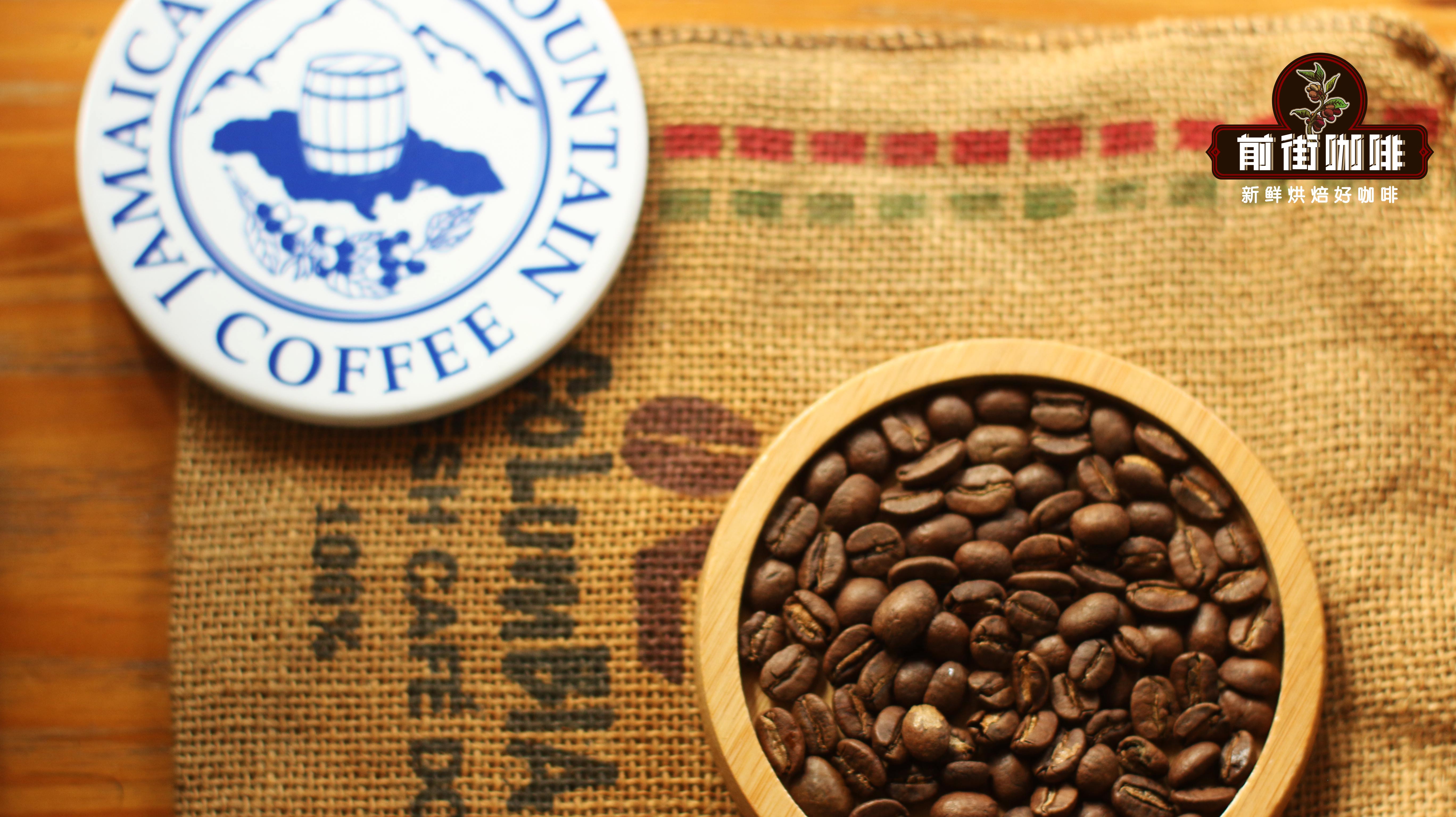
Another distinctive feature of Jamaican Blue Mountain coffee is its use of wooden barrels for shipping green beans, unlike the burlap sacks commonly used in other regions. Wooden barrels effectively regulate internal and external humidity changes, prevent aroma loss, and maintain the stability of bean moisture content, contributing to more consistent roasting performance. The dry aroma of Blue Mountain coffee typically carries a rich, solid chocolate and roasted hazelnut scent, which is hard for ordinary dark roast blends to match. In terms of taste, authentic Blue Mountain coffee demonstrates an excellent balance of acidity, sweetness, bitterness, richness, and aroma, with no single flavor dominating. Its body and sweetness are also well-controlled.
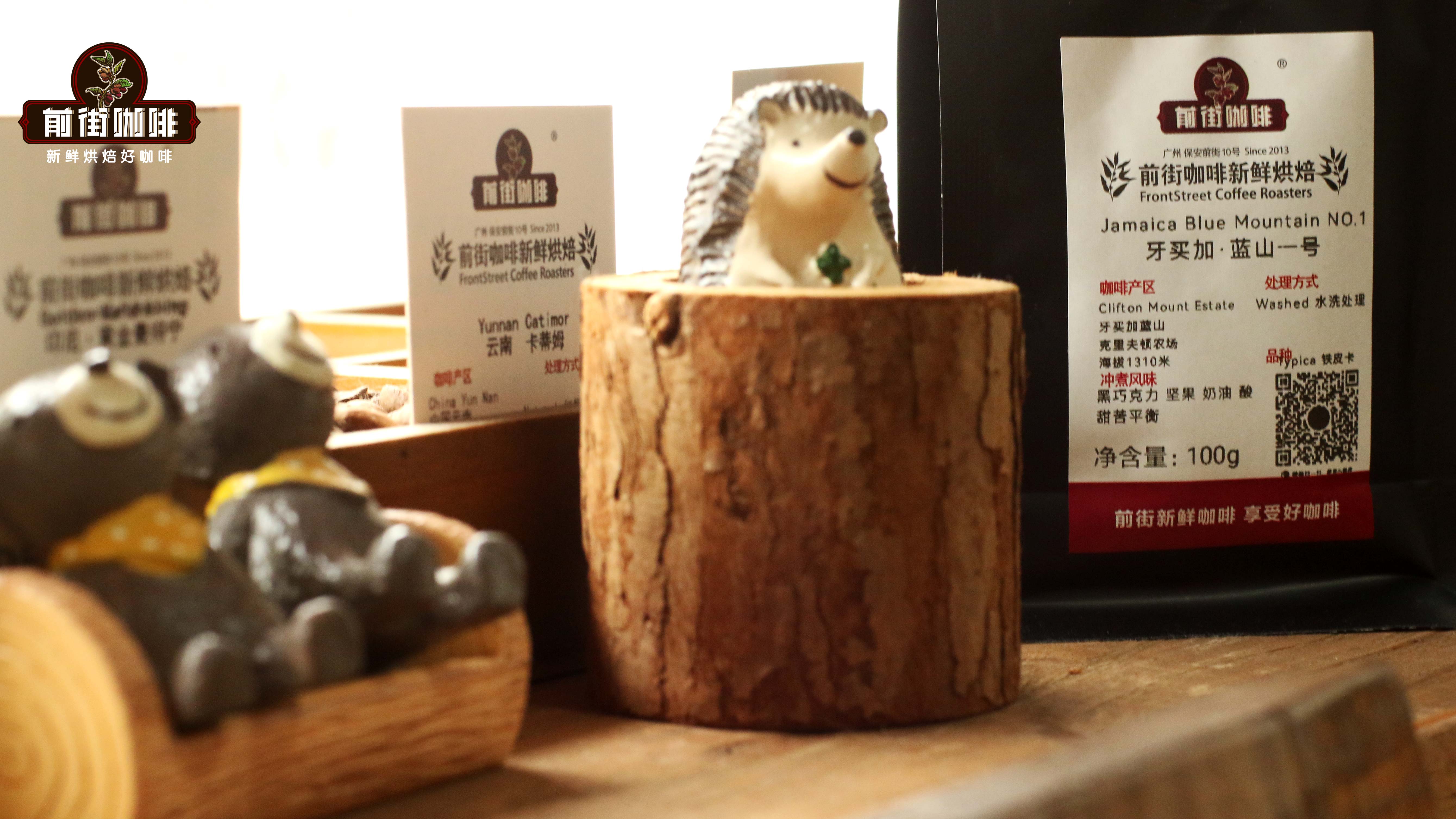
If you want to further verify whether the Blue Mountain coffee you purchased is genuine, it is recommended to ask the seller for quality certification from the Jamaica Coffee Board, an authorized sales certificate from the producer, and a certificate of origin. It is worth mentioning that Jamaica is the only coffee-producing region in the world that still uses wooden barrels for shipping green beans. The Blue Mountain No. 1 sold in this region comes from the Clydesdale Estate and is processed using traditional washed processing—a method that is most common for Blue Mountain coffee and helps preserve its pure flavor.
So, what kind of taste profile does Blue Mountain coffee exhibit after washed processing? The washed processing method first involves placing the coffee cherries in water to remove unripe or defective fruit through floatation. The skin and pulp are then removed, and the beans undergo fermentation in tanks for 12 to 18 hours. Afterward, the beans are washed with water and friction to clean their surface, making them smooth and pristine. Finally, the beans are evenly spread under the sun to dry until their moisture content drops to 12% to 14% before packaging. This process not only significantly reduces the defect rate but also better highlights the intrinsic aromatic characteristics of Blue Mountain coffee, resulting in a cleaner and clearer taste.
When the seller received the Blue Mountain No. 1 green beans, they observed that the beans were plump, uniformly sized, and had a shiny bluish-green color. After medium-dark roasting, Blue Mountain No. 1 exhibits rich chocolate and nutty aromas while retaining gentle acidity and moderate sweetness, achieving an overall balanced and pleasing flavor. During cupping, its dry aroma carried notes of nuts, melon, and chocolate, while hot water infusion released complex aromas of oolong tea, caramel, honey, and dark chocolate. Upon sipping, the mouthfeel was full-bodied, featuring sweet layers of dark chocolate, roasted hazelnuts, cream, and brown sugar, with a long-lasting and unforgettable aroma. To allow consumers to experience the best flavor, the Blue Mountain coffee shipped by this seller is always from fresh batches roasted within five days, and it is recommended to enjoy it as soon as possible.
Next, we’ll explore the key parameters for pour over brewing Blue Mountain No. 1. First is grind size. Since Blue Mountain No. 1 is a medium-dark roast, its bean structure is relatively loose, with a fast water absorption rate and a tendency to release large-molecule bitter substances. Therefore, grinding too fine is not recommended. It is suggested to use a Chinese No. 20 0.85mm standard sieve and aim for a filtration rate of around 75%. Operationally, you can grind 10 grams of coffee beans according to the preset setting, place them on the sieve, and shake gently. Then weigh the powder that passes through the sieve and divide by 10 to get the filtration rate. If it is below 75%, the grind is too coarse and should be adjusted finer; if higher, adjust coarser to ensure even extraction without over-extraction.
For water temperature, medium-dark roast Blue Mountain No. 1 is recommended to use slightly lower temperatures, ideally 87–88°C. Compared to the 91–93°C generally suitable for light roast coffee beans, medium-dark roasts have a looser structure and are more prone to releasing excessive off-flavors and bitterness. Lowering the water temperature moderately helps control extraction and avoid over-extraction that could lead to flavor imbalance.
Filter choice also affects the final extraction performance. If you’re aiming for a rich and full-bodied taste, it’s recommended to use a KONO filter. This filter has a smooth upper section and only features ribs in the lower part. When wet, the filter paper adheres tightly to the filter, restricting airflow and extending the contact time between water and coffee grounds, thereby increasing extraction yield and body. It’s very suitable for coffee types like Blue Mountain that emphasize a rich mouthfeel.
For beginners, the pulse pouring method is the easiest and most stable brewing technique. Taking a 1:15 coffee-to-water ratio as an example—using 15 grams of coffee beans with a total water volume of 225 grams—it is suggested to pour in three stages: First, pour 30 grams of water for a 30-second bloom, using a small stream and circling from the center outward. Then, for the second stage, pour 100 grams of water using a straight, small stream, circling a larger area to promote degassing and extraction, completing this around 1 minute and 5 seconds. Finally, for the third stage, pour 95 grams of water using an even smaller stream and focusing on a tight circle to avoid overly disrupting the coffee bed, helping to extract the sweet compounds in the later stage. The entire process should take about 2 minutes and 10 seconds.
The brewed Blue Mountain No. 1, when served at high temperature, offers a strong black chocolate aroma and full-bodied mouthfeel, accompanied by a distinct almond aftertaste. As the temperature drops, layers of roasted hazelnut and creamy sweetness gradually emerge, along with a touch of gentle acidity and caramel sweetness. The aroma lingers without fading—making it a top-tier pour over coffee worthy of careful savoring.
The above content is compiled by CoffeeHunters, a coffee news website.


