







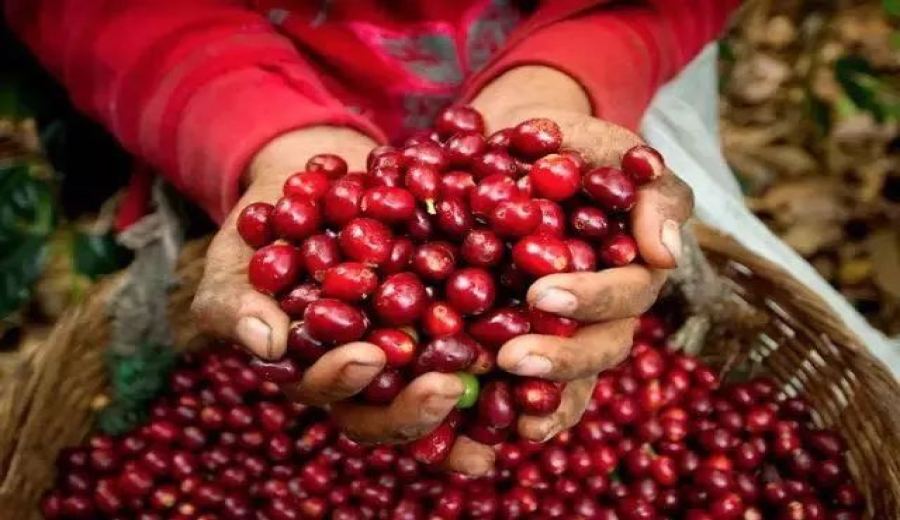
Introduction:Delve into the origins, variety characteristics, and growing conditions of Panamanian Geisha coffee, and learn how to extract its captivating floral notes, fruity acidity, and tea-like aftertaste through a three-stage pour over or using drip bags. This article provides complete parameter settings, practical steps, and precautions so you can easily enjoy a high-quality black Geisha coffee at home or in the office.
Geisha coffee is renowned in the specialty coffee scene in recent years for its delicate floral aroma and bright fruity acidity. The unique geographical environment of Panama further elevates this variety to its peak. To truly appreciate the charm of Geisha, it’s essential to explore its historical background, varietal traits, and cultivation environment, along with mastering the correct brewing methods to fully showcase its layered flavor profile.
Geisha originated from the Geisha Mountain in southern Ethiopia and was initially a wild variety. In 1931, the variety was introduced to coffee research institutions in Kenya and Tanzania, then passed through Uganda and Costa Rica, and was finally brought to Panama by the Don Pachi Estate in the 1960s and 1970s. However, due to its low yield and tall plant structure that made harvesting difficult, it was mostly used as a windbreak rather than as a cash crop.
The turning point came in 2003 when Hacienda La Esmeralda in Panama separated Geisha from other varieties and planted it independently. In the 2004 Best of Panama (BOP) competition, it won first place, completely transforming Geisha’s fate. This victory propelled Geisha from obscurity to becoming a globally celebrated star variety in specialty coffee.
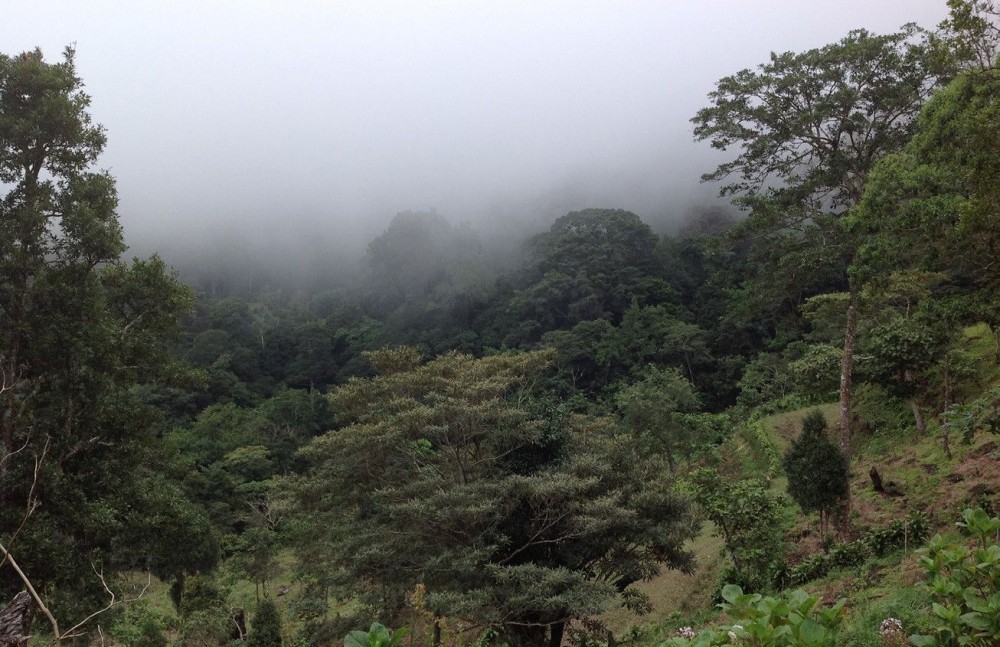
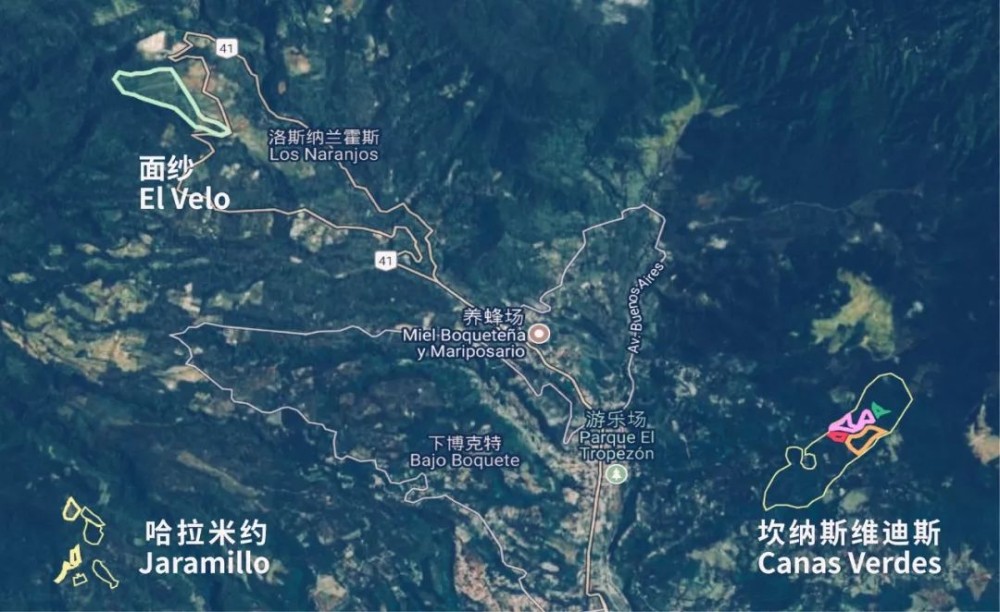
Geisha is extremely particular about its growing environment, favoring high altitudes, misty or shaded conditions, and fertile soil to develop its distinctive flavor characteristics. Due to Panama’s location in Central America, its east-west mountain ranges channel cool air to regions above 1900 meters such as Boquete and Piedra de Candela, creating a microclimate. Coupled with suitable rainfall and soil conditions, these areas provide an ideal home for Geisha. The Geisha produced here often exhibits pronounced floral notes, citrus tones, and a tea-like finish.
Although Geisha is now also grown in countries including Ethiopia, Colombia, Costa Rica, Guatemala, and even Yunnan, China, differences in climate, altitude, soil, and cultivation management make it difficult to replicate the unique flavors of Panamanian Geisha. Therefore, Panama remains regarded as the quintessential origin for Geisha, though coffee enthusiasts are also encouraged to try Geisha from various regions to experience its diversity.
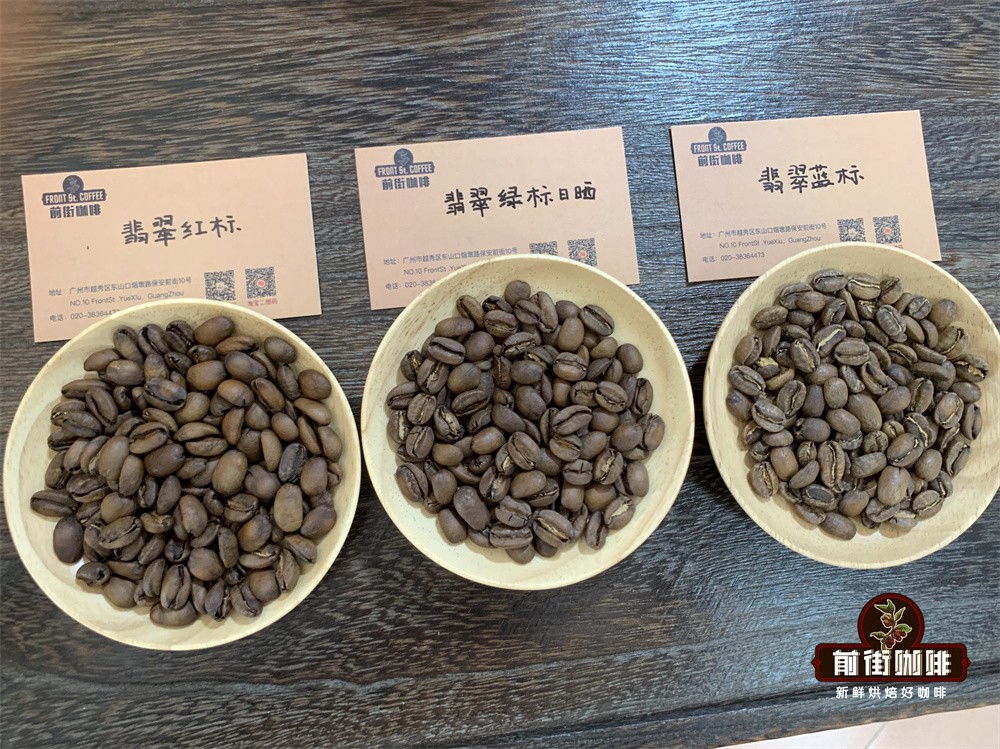
Hacienda La Esmeralda, besides being a major promoter of Geisha, has also established a clear grading system. Early products included Esmeralda Special, Private Collection, Geisha1500, as well as the Catuaí variety offerings Diamond Mountain and Palmyra. Between 2020 and 2022, to meet market demand, the estate adjusted its product line by separating auction lots into a dedicated "Auction Lot" category; the Red Label is reserved for non-auctioned Geisha of the highest quality with traceable plot origins; the Green Label consists of blends from different plots, still offering outstanding flavor but at a more accessible price; the Blue Label has been discontinued.
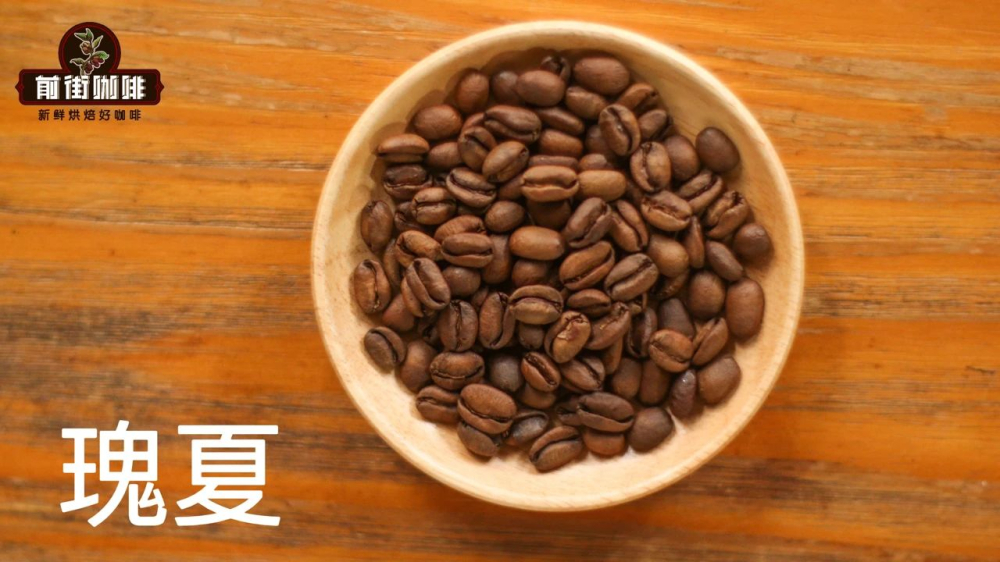
To brew a captivating Panamanian Geisha, it's essential to understand its roast level and brewing parameters. A medium-light roast is generally recommended to preserve its delicate acidity and aroma. It’s suggested to use a V60 filter, with a coffee-to-water ratio of 1:15, 15 grams of coffee grounds, and water temperature controlled at 91°C. The grind size should be medium-fine, similar to fine sugar, passing through 80% of a #20 sieve.
The freshness of coffee beans is a crucial factor affecting flavor. The Geisha coffee beans offered are shipped within five days of roasting, and it’s recommended to begin brewing between four to seven days post-roast when the coffee is at its peak flavor. If purchasing pre-ground coffee, although it can be brewed immediately, be aware that ground coffee oxidizes quickly—use it as soon as possible for the best flavor experience.
Here is the three-stage pour over method: First, place 15 grams of medium-fine ground Geisha coffee into the V60 filter and pour 30 grams of water for the bloom, lasting about 30 seconds. This step helps release carbon dioxide from the coffee grounds, leading to a more stable extraction later. Next, pour 125 grams of water in the second stage, maintaining a steady stream in a circular motion from the center outwards, completing this around the 60-second mark. Finally, when the coffee level drops to half, proceed with the third pour of 70 grams, keeping the total brew time around two minutes and the total water volume at 225 grams.
In terms of flavor, the Red Label Geisha often presents bright notes of rose, citrus, berries, and honey, with a clean taste and rich layers; the Green Label highlights jasmine floral notes and a high level of sweetness, paired with citrus, grapefruit, and cantaloupe fruitiness, and has a long-lasting aftertaste; the Volcanic Rock series offers softer flavors of ginger flower, citrus, and honey. Each Geisha has its own unique personality, allowing you to choose based on personal preference.
If you prefer a more convenient brewing method, Geisha drip bags are also a great option. While convenient, drip bag coffee is more exposed to air, causing faster aroma loss. It’s recommended to use freshly roasted beans within five days for making drip bags. When brewing, use hot water at around 90°C, start with a 10 to 20-second bloom, then pour water steadily until full, and enjoy once the dripping finishes. Proper control of coffee-to-water ratio and water temperature will fully highlight the delicate flavors of Geisha.
The above content is compiled by CoffeeHunters, a coffee news website.


