







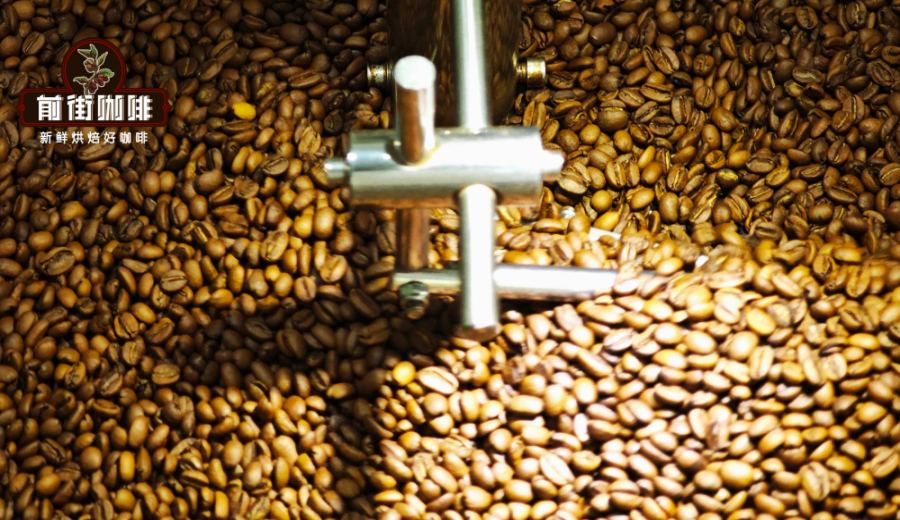
Introduction:This article takes the Yirgacheffe Worka Red Cherry as an example to conduct an in-depth comparison of the practical techniques between the Japanese slow-roasting and Nordic fast-roasting schools. From the background of green bean processing, roast curve settings, differences in roasted bean appearance, to cupping flavor profiles, it provides a detailed analysis of the key differences between the two methods in terms of air damper and heat adjustment, temperature rise rhythm, and the proportion of development time. It also offers practical references to help coffee enthusiasts understand how different roasting styles influence the final flavor.
The two major roasting schools often discussed in the global specialty coffee community—Japanese slow-roasting and Nordic fast-roasting—actually reflect distinctly different aesthetic orientations toward coffee flavor. The former emphasizes the body's richness and sweetness, while the latter pursues the layering of aromas and the vivid expression of fruity tones. This time, we used sun-dried Yirgacheffe Worka Red Cherry and applied two actual roast curves—slow and fast—to systematically compare the core differences between the two techniques, from air damper and heat configuration, temperature rise control, to the physical characteristics of roasted beans and cupping flavor performance.
The slow-roasting process is akin to slow simmering, allowing heat to evenly penetrate the core of the bean, promoting sufficient Maillard reactions and caramelization, resulting in a rounder mouthfeel and pronounced sweetness, while also requiring a relatively short resting period, sometimes just a brief rest is enough to achieve ideal flavor expression. Nordic fast-roasting, on the other hand, leverages the efficiency of hot air, emphasizing a rapid initial temperature rise and focused heat application to highlight floral and fruity aromas, but it demands higher quality and more complete processing of the green beans; otherwise, it can easily amplify defective flavors. In addition to analyzing real roast curves, this article also introduces the regional background of the Worka Cooperative and the operational model of the Banko Processing Factory, providing readers with a deeper understanding of the beans' origin.
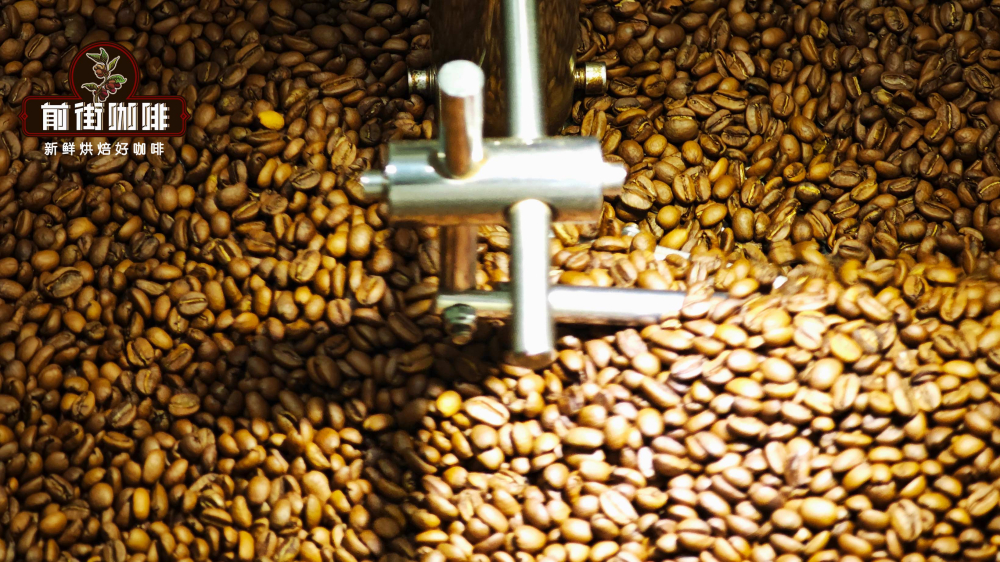
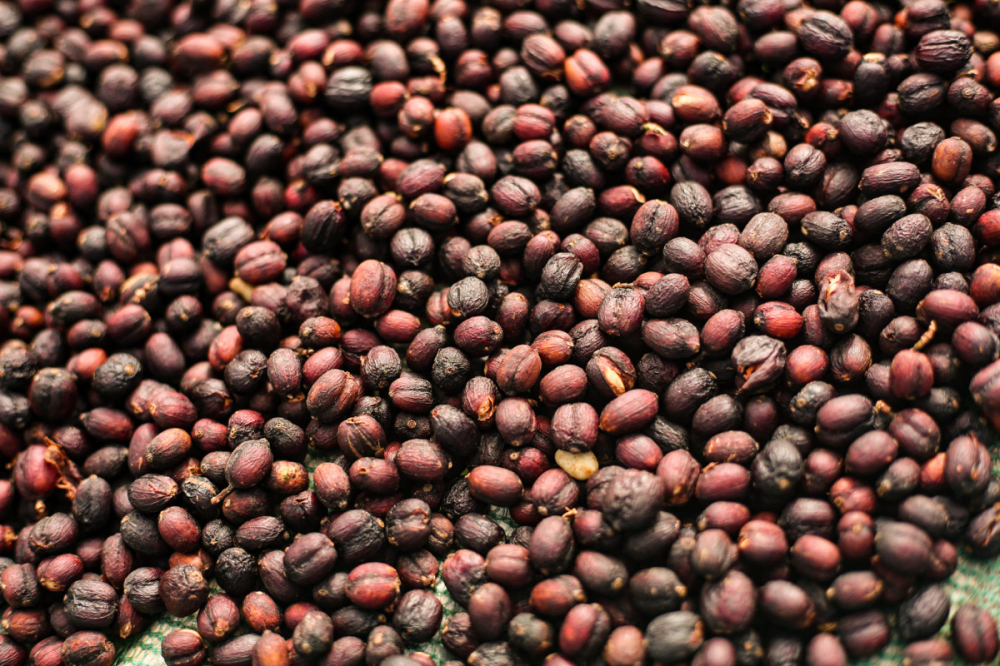
The Worka village in the Yirgacheffe region is home to numerous green bean processing facilities, including cooperatives and private processing plants. The Banko Processing Factory (Banko Factory) has close ties with the Worka Cooperative (Worka Coop). When the cooperative’s processing capacity is saturated, smallholder farmers often send their red cherries to Banko for processing. This cooperative consists of approximately 763 hectares of coffee farms, jointly managed by hundreds of smallholder households, with an average planting area of about 1 hectare per household. The farms are situated at altitudes ranging from 1850 to 2100 meters, and the main variety planted is Ethiopian Heirloom. The average yield is about 650–700 kilograms per hectare. The sun-dried green beans used in this batch were rated as G1, the highest grade, by the Ethiopian Commodity Exchange (ECX). They not only exhibit good physical consistency but also have a strong dry fragrance, with the distinctive citrus and floral potential characteristic of the region.
The first roast curve adopts a slow-roasting strategy, with the air damper gradually increased from an initial 20% up to 80%, while the heat is moderately increased by 10% during the yellowing stage to compensate for heat loss due to airflow, ensuring a smooth overall temperature rise curve. This approach helps heat gradually penetrate the bean body, enabling more complete Maillard reactions and caramelization. The first crack develops steadily, with the bean surface expanding evenly and color distribution uniform.This curve has a longer total roast time, with a moderate development time ratio, contributing to a more restrained and stable flavor profile, with pronounced sweetness.
The other curve simulates the Nordic fast-roasting style, starting with a lower charge temperature and higher initial heat setting, maintaining the air damper at 80% before first crack to enhance hot air penetration efficiency. The temperature rise phase is notably faster, especially at the turnaround point and the early yellowing stage, where heat release is concentrated. By gradually reducing the heat during the yellowing, browning, and first crack stages, the Maillard reaction time is extended.With a relatively higher proportion of development time, this results in more vibrant acidity and a pronounced fruity aroma.However, this method places stricter demands on the homogeneity of the green beans and the quality of their processing; otherwise, defects are more likely to be highlighted.

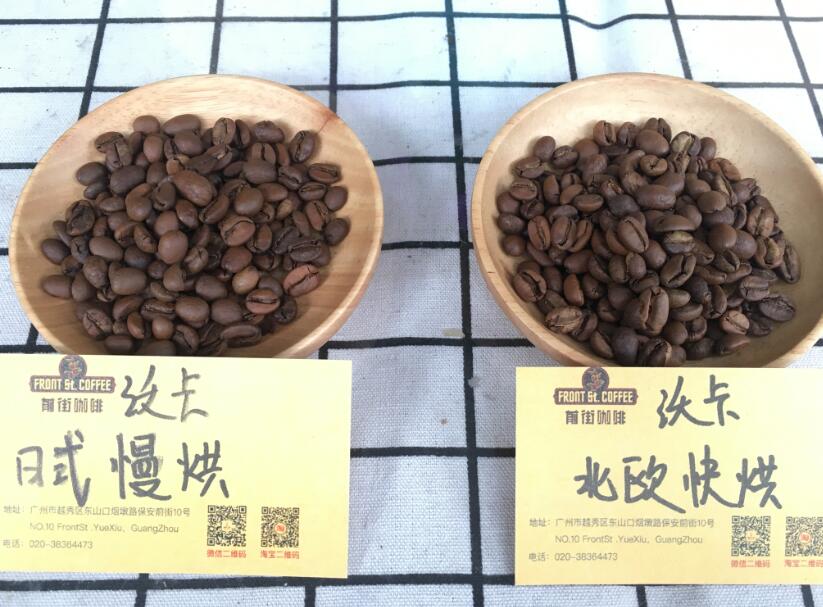
Observing the appearance of the two roasted beans, the slow-roasted beans are evenly expanded, with high color consistency after grinding, while the fast-roasted beans show slightly greater color variation, with some beans exhibiting noticeable differences in shade. These physical characteristics often reflect differences in internal flavor structure as well.
Cupping results show that the slow-roasted version features a flavor profile led by sweetness, with a rich and smooth mouthfeel upon entry, and clear notes of caramel and stone fruits. The overall presentation is balanced and layered, making it suitable for drinkers who prefer a mellow and stable taste. Moreover, due to its high degree of roast maturity,it only requires a resting period as short as 2 hours to display stable flavors.In contrast, the fast-roasted version immediately delivers vibrant floral and fruity aromas upon tasting, accompanied by a light tea-like texture, with bright and lively acidity. However, its aromas are more effervescent and diffusive, making it suitable for consumers who enjoy a fresh and zesty style.Nevertheless, this style has a lower tolerance for green bean defects and typically requires a longer resting period—often several hours to over a day—for the flavors to fully bloom and reach optimal condition.
In summary, Japanese slow-roasting and Nordic fast-roasting each have their strengths. The former excels in stable sweetness and a full-bodied mouthfeel, suiting users who seek balance and drinkability, and it offers a higher margin for error in operation, being more forgiving of green bean conditions. The latter, on the other hand, wins with high aroma intensity and vibrant acidity, emphasizing flavor tension and layering, but it demands higher quality in green beans and stricter technical control by the roaster. Regardless of which method is chosen, the key lies in understanding the beans’ nature and adjusting the appropriate heat strategy to fully bring out the unique potential of each coffee.
There is no absolute standard in roasting—only the most suitable solution for the current bean condition and target flavor. It is hoped that this practical comparison will provide coffee enthusiasts with a deeper perspective for reference. Whether roasting your own beans or selecting coffee varieties, you can explore your own coffee flavor journey with more clarity and direction.
The above content is compiled by CoffeeHunters, a coffee news website.


