







Introduction:Want to understand the difference between drip coffee and espresso? This article introduces the origins, characteristics of drip coffee, and its key differences from espresso in an easy-to-understand way. It also details how to use pour over methods to showcase the layers and flavors of coffee — covering everything from water temperature and grind size to brewing techniques. With tested parameters for V60 and KONO filters, you’ll learn how to brew classic beans like Sidamo Huila and Mandheling to achieve ideal taste profiles. Whether you’re a beginner or a seasoned enthusiast, you’ll find a pour over style that suits you.
What is drip coffee? How is it different from common espresso? In fact, drip is one of the most traditional and common brewing methods used at home and in offices, and hand drip coffee is the most representative approach among them. Compared to espresso, which is extracted under high pressure, drip relies on gravity and the natural infiltration of hot water, resulting in a cleaner, crisper coffee flavor that more easily highlights the nuanced characteristics of different regions and roast levels.
The history and principle of drip brewing
The prototype of drip coffee can be traced back to a filter designed by a German inventor, and the well-known Melita filter paper brand found in supermarkets was created by him. Its operating principle is very simple: ground coffee is placed in a filter, and hot water is poured from above. The water slowly penetrates the coffee layer through gravity, extracting the coffee liquid. Obviously, this method would not work in a zero-gravity environment.
Most household electric coffee makers on the market actually use a similar principle, but with electric heating. However, a common issue with such devices is insufficient heating power, which prevents the water temperature from reaching the optimal extraction range, often resulting in overly acidic or astringent coffee.
Hand drip coffee: the refined representative of drip brewing
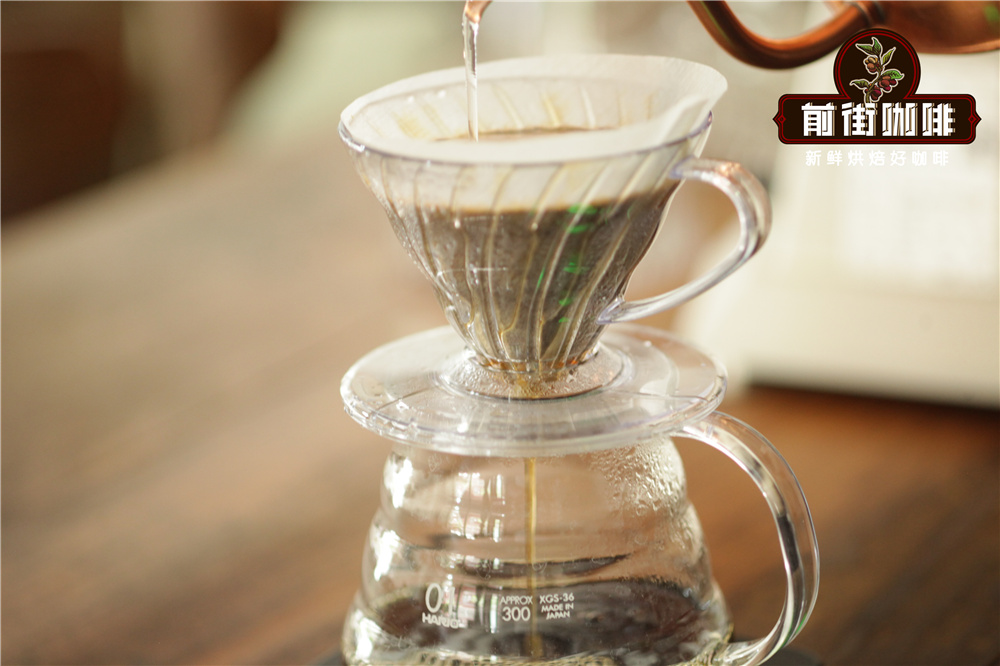
Among various drip methods, hand drip coffee stands out as the preferred choice for tasting single-origin coffee due to its ability to more precisely control variables. Compared to the high-pressure extraction of espresso machines, hand drip involves no additional pressure, allowing the hot water more time to interact with the coffee grounds. This extracts aromatic compounds and oils more fully, often resulting in a smoother, more layered flavor.
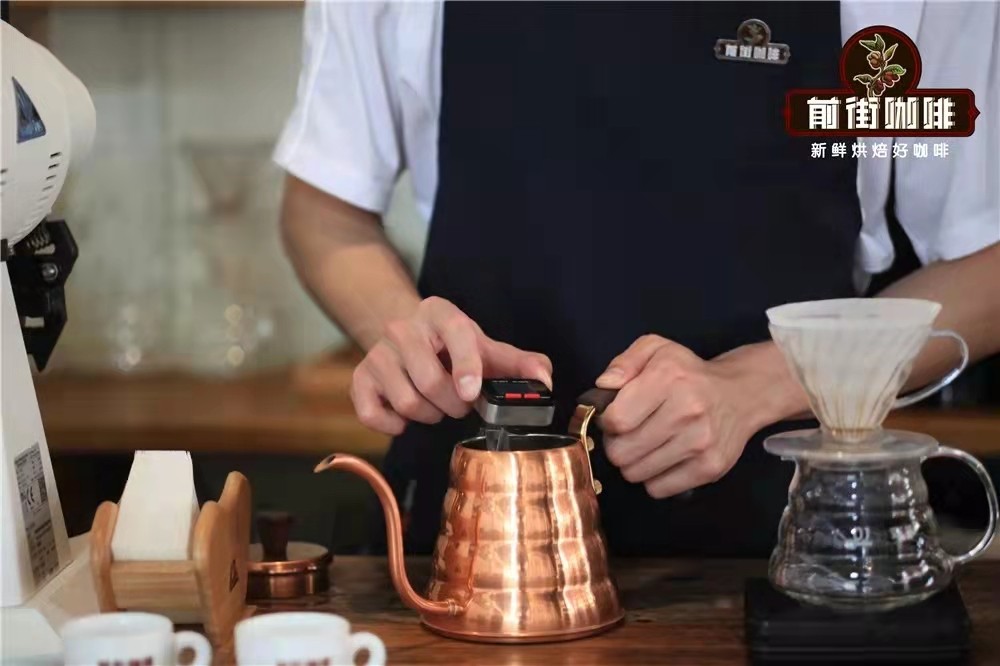
Hand drip equipment is not complicated — just a grinder that can consistently output grounds, a pour over kettle, and a suitable filter cone and paper (or a filter screen) are enough to get started. The use of filter paper has long been debated: supporters argue that it filters out more fine particles, leading to a cleaner taste; opponents point out that filter paper may absorb some aroma and oils, affecting the overall richness of the flavor. In reality, it’s a matter of personal preference, with both methods having their advocates.
The difference between drip and espresso
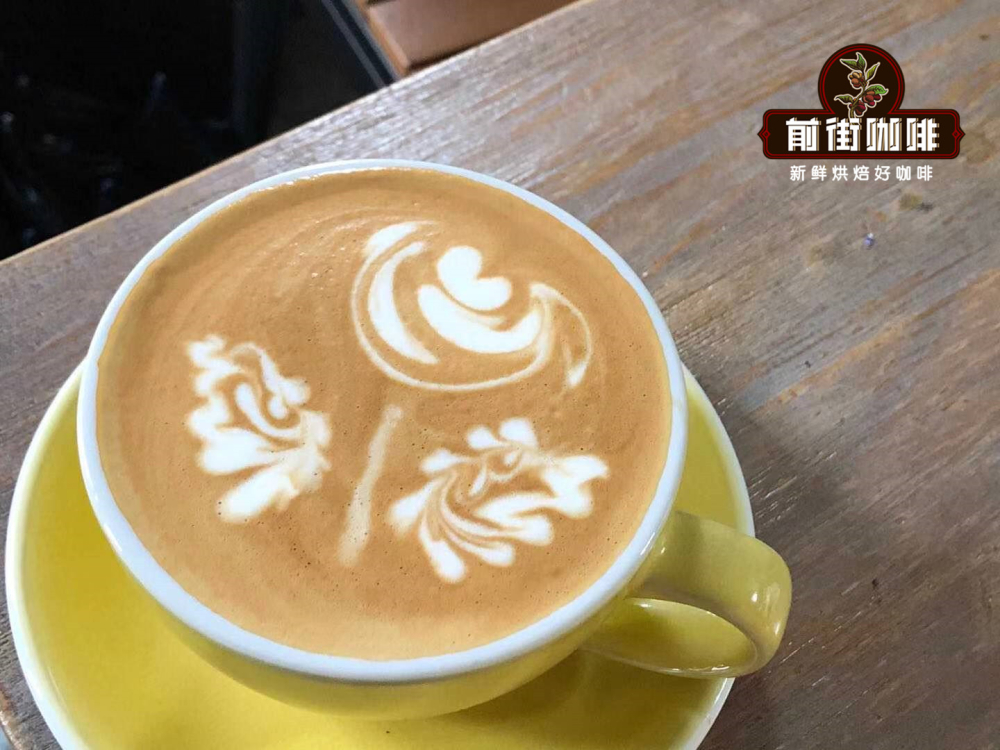
Espresso has a strong and concentrated flavor, typically reaching its peak flavor within ten seconds after extraction, after which it rapidly declines. Therefore, it is often used as the base for milk-based drinks like lattes and cappuccinos. Drip coffee, on the other hand, doesn’t have such a distinct “best-by” window; its overall taste profile is more balanced and suitable for savoring slowly.
In terms of extraction method, espresso requires high pressure (about 9–10 atmospheres) and extremely fine grinding, typically yielding 30ml (single shot) or 60ml (double shot). Drip coffee, on the other hand, relies on gravity and time, resulting in a clearer body without distinct layers. It can use medium-fine to medium-coarse grinds, depending on the shape of the filter cone.
The impact of water temperature and roast level
The ideal water temperature for drip coffee is generally recommended to be between 88°C and 92°C. This range balances the completeness of flavor extraction without over-extracting. However, adjustments may still be needed based on the origin, variety, and roast depth of the coffee beans.
For example,Light roast beansoften exhibit pronounced floral and fruity acidity, making them suitable for slightly higher water temperatures (such as 91°C) to fully bring out their vibrant aromas;Medium roastshows balanced flavors like nuts and caramel, and is compatible with most filter cones and water temperature ranges;Dark roastemphasizes bold, chocolatey, and spicy notes, where the water temperature can be slightly lower (such as 88°C) to avoid bitterness from over-extraction.
If your home electric coffee maker has insufficient power, it’s recommended to choose beans with a darker roast and lower acidity, which can help compensate for under-extraction and deliver a smoother taste.
Practical reference: Applications of V60 and KONO filter cones
In actual hand drip practice, the design of the filter cone greatly affects water flow speed and extraction evenness. Taking the popular V60 and KONO filter cones as examples:
The V60 filter cone, with its unique spiral ribs and large opening, speeds up the flow rate, making it suitable for highlighting the acidity and bright fruitiness of coffee. It’s particularly well-suited for light to medium roast beans, such as Ethiopia’s Yirgacheffe, Kenyan beans, and Panama Geisha. Even when using filter paper, it retains a certain degree of coffee oils, adding more body to the taste.
The KONO filter cone, with its ribs extending only to the middle section, allows the filter paper to sit closer to the cup wall, slowing down the water flow and increasing the contact time and evenness of extraction. It’s especially suitable for medium to dark roast beans, such as Mandheling, Colombian Huila, or Blue Mountain-style beans, and can more fully present a rich and smooth mouthfeel.
Practical tested hand drip parameters
For different beans and filter cones, professional coffee teams have also provided specific practical parameters for reference:
【Sidamo Huila – V60 Application】
Using a light roast with hard bean quality, the recommended water temperature is 91°C, the coffee-to-water ratio is 1:15, the coffee dosage is 15g, and the grind size is medium-fine (approximately 80% passing through a #20 sieve). For the brewing technique, start with 30g of water for a 30-second bloom, then pour up to 1'00″ by 125g, and once the water level drops to 2/3 of the coffee bed, continue pouring up to 225g. The total brew time is about 2'00″, with flavor notes of subtle winey aroma, caramel sweetness, and a long-lasting finish.
【Mandheling – KONO Application】
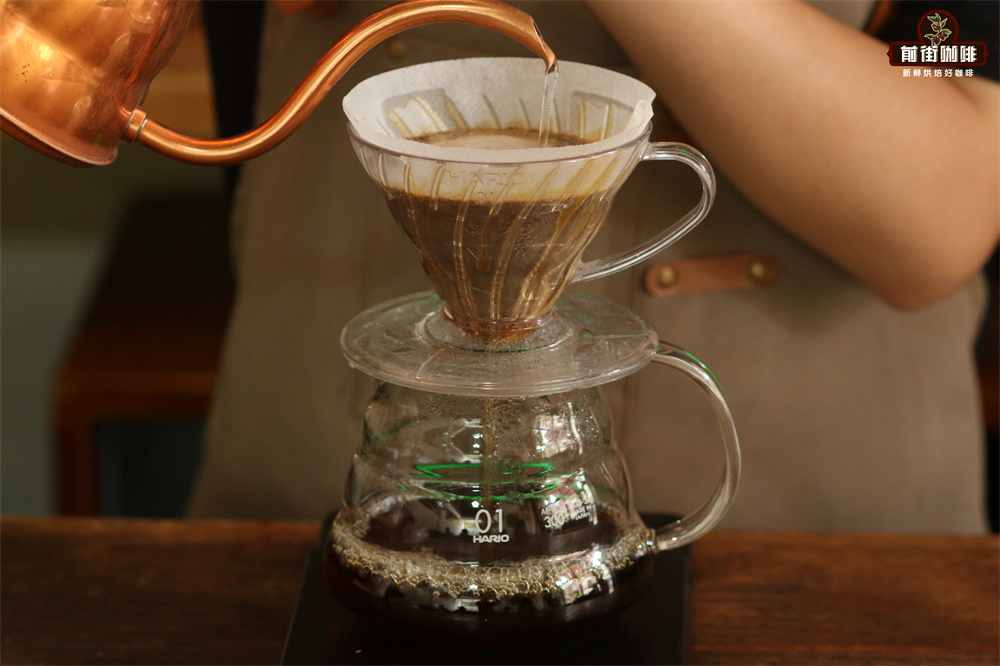
Using the KONO filter cone, the recommended water temperature is 88°C, the coffee-to-water ratio is 1:15, the coffee dosage is 15g, and the grind size is approximately 75%passing through a #20 sieve. Use a bloom of twice the coffee dose in water (i.e., 30g) for 30 seconds, then pour in stages up to 125g and 225g. The total extraction time is about 2'00″, with flavors presenting a balanced profile of herbs, chocolate, and caramel, and a full-bodied mouthfeel.
Bean freshness and storage recommendations
Regardless of the brewing method used,the freshness of the coffee beansis the most critical factor influencing flavor. It is generally recommended to choose beans roasted within 5 days and consume them within 4–7 days of receipt — this period is usually the coffee’s best flavor window. If purchasing pre-ground coffee, it is advised to consume it as soon as possible to avoid flavor loss due to oxidation.
The above content is compiled by CoffeeHunters, a coffee news website.


