







Introduction:If your coffee beans have been sitting around for too long and are no longer fresh—or even past their expiration date—don’t throw them away just yet. This article will teach you how to improve the extraction performance of stale coffee beans by adjusting grind size and blooming techniques. We’ll also share three practical and eco-friendly ways to repurpose them, including deodorizing, cleaning, and using them as plant fertilizer, so that every bean can still serve a purpose. From pour over parameters to household hacks, master the diverse uses of coffee grounds all in one go.
Many coffee enthusiasts often buy more beans than needed due to discounts or enthusiasm, only to find later that they’ve surpassed their optimal flavor window—or even expired—due to being too busy or simply not drinking enough. Can these beans still be brewed? If you want to salvage their flavor, how should you adjust your brewing method? And if they’re well past their prime, what creative and environmentally friendly ways can you reuse them? Below, we’ll explain in detail how to adjust brewing parameters for stale coffee beans, as well as three practical ways to make use of coffee grounds.
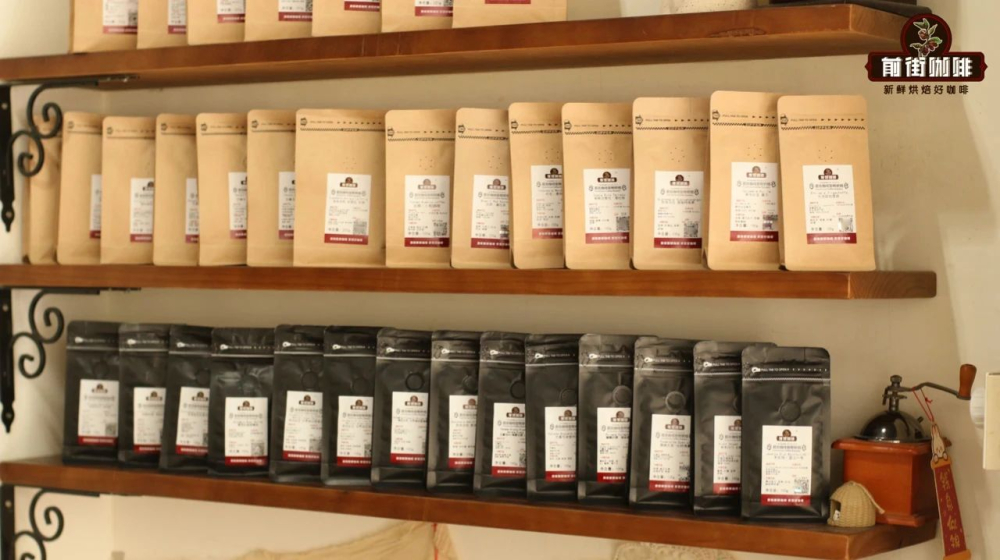
Many people believe that “true coffee lovers wouldn’t let their beans go stale,” but in reality, it’s quite common to buy extra packs during promotions or due to unexpected situations. Sometimes, due to a busy schedule, feeling unwell, or simply forgetting, coffee beans inadvertently surpass their best-before period. What should you do when you realize the beans you have on hand are no longer that fresh? First, we can try adjusting the brewing parameters to improve their performance.
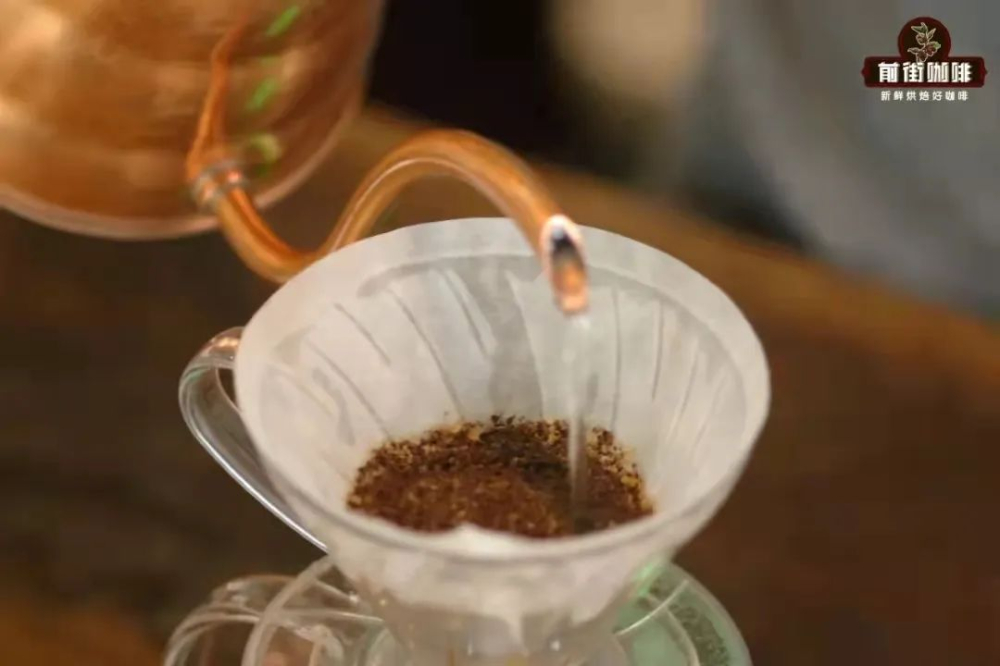
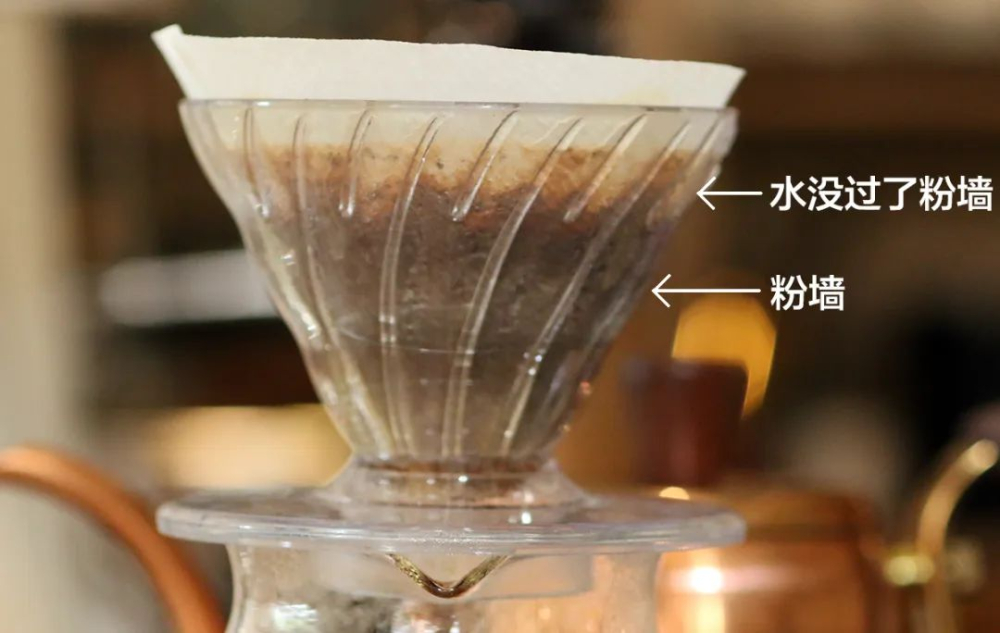
When coffee beans are no longer fresh, one of the most obvious changes is that you barely see the coffee bed expand during the blooming phase—even after pouring water. Many assume that blooming is just for releasing CO₂, so they skip this step altogether for stale beans. However, in truth, even for beans with muted aromas, the way you pour water during blooming is still crucial. Proper technique helps enhance overall extraction stability and flavor consistency.
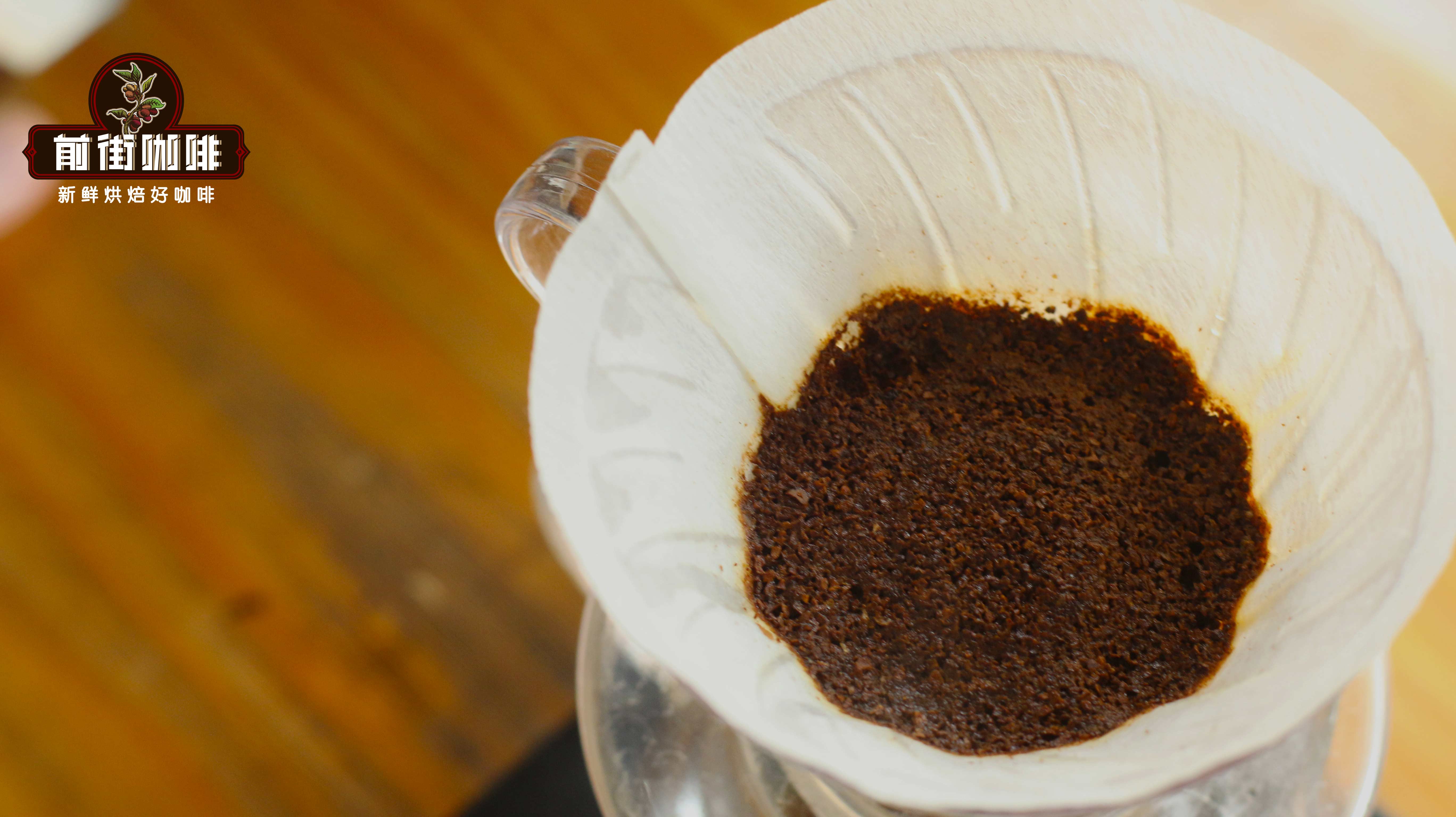
For stale coffee beans, it’s recommended to slightly adjust the grind size—usually a bit coarser than your usual setting. For example, if you normally use setting 10 on an EK grinder, try adjusting to 10.5. This adjustment can effectively prevent over-extraction and off-flavors caused by reduced bean density and excessive contact between coffee grounds and water. While this won’t fully restore the beans’ original vibrant flavors, it can help the brew perform more smoothly under the existing conditions and reduce unpleasant bitterness.
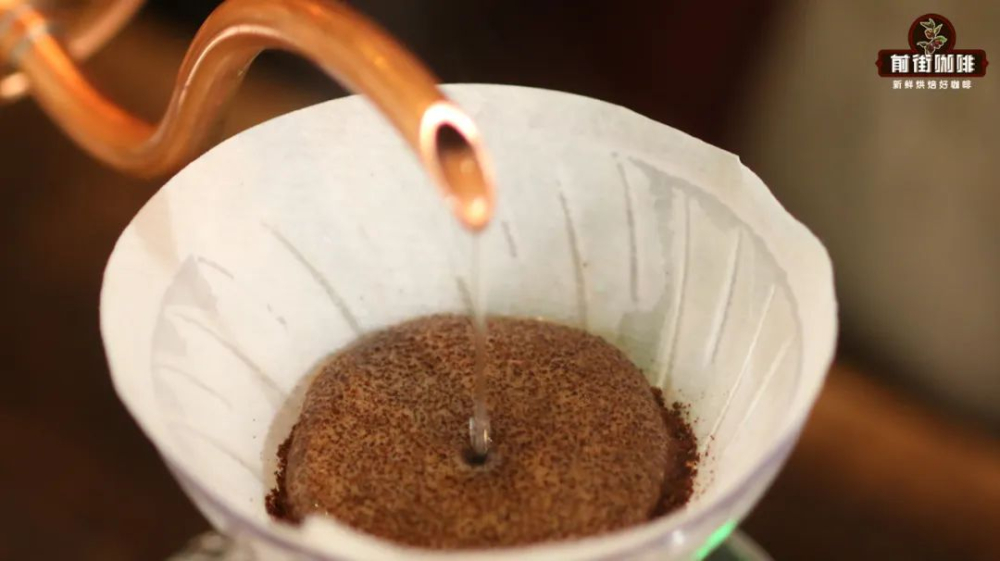
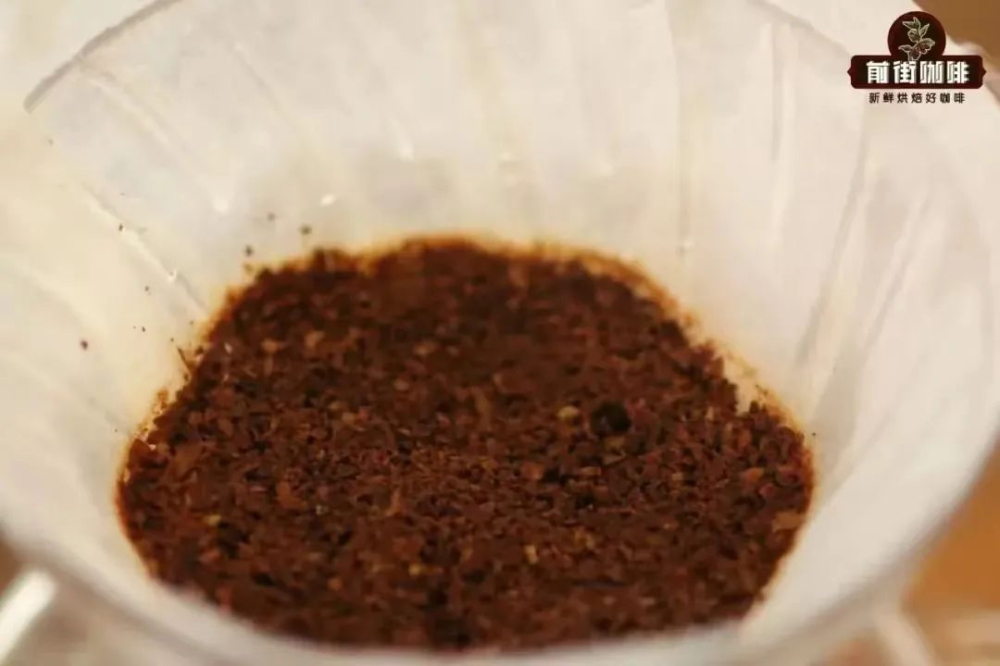
It’s important to note that the above adjustments can only alleviate the negative effects of stale coffee beans to a certain extent, but cannot fully compensate for the loss of flavor complexity due to oxidation or aroma evaporation. If your coffee beans are not just stale but have clearly exceeded the expiration date indicated on the packaging, it’s better to repurpose them in other practical ways rather than forcing a brew.

Below are three simple and eco-friendly ways to reuse coffee grounds, allowing expired or no-longer-suitable-for-brewing coffee beans to continue adding value to your life.
1. Odor Eliminator
Coffee grounds have natural adsorption and deodorizing properties, making them great for eliminating various everyday odors. You can place dried coffee grounds in an ashtray to reduce cigarette smell and even impart a subtle coffee aroma when extinguishing a cigarette. Additionally, after using your oven, if there’s lingering grease or food odor, you can spread the coffee grounds evenly on a baking tray and heat them at a low temperature for a while to help remove stubborn smells. For pet owners, sprinkling some coffee grounds after cleaning the litter box or dog bed can also neutralize odors from waste effectively.
2. Natural Cleaner
Expired coffee beans ground into powder can also become an eco-friendly cleaning tool. Place the coffee powder in a small cloth bag and use it to wipe greasy areas like stove tops and pot lids, which can provide mild abrasion and cleaning effects. Also, using brewed coffee water to rinse sinks, toilets, or drains can help remove stains and odors. These methods are not only environmentally friendly but can also save you money on cleaning products.
3. Plant Nutrient & Pest Deterrent
Coffee beans are rich in essential trace elements for plants such as nitrogen, phosphorus, and potassium. By lightly crushing expired beans and scattering them directly into potted soil, they can naturally decompose into high-quality organic fertilizer. This natural fertilizer not only provides nutrients but also doesn’t produce any unpleasant odors. If you spread the coffee grounds evenly around the base of your plants, they can also form a natural barrier that helps deter certain insects and reduce pest infestations.
In summary, when faced with stale or expired coffee beans, there’s no need to rush to throw them away. By adjusting grind size and blooming parameters for pour over brewing, you may still improve their performance. And if they’re truly no longer suitable for drinking, consider turning them into deodorizers, cleaners, or plant fertilizers—extending the value of coffee grounds in daily life and practicing an environmentally conscious and sustainable lifestyle.
The above content is compiled by CoffeeHunters, a coffee news website.


