







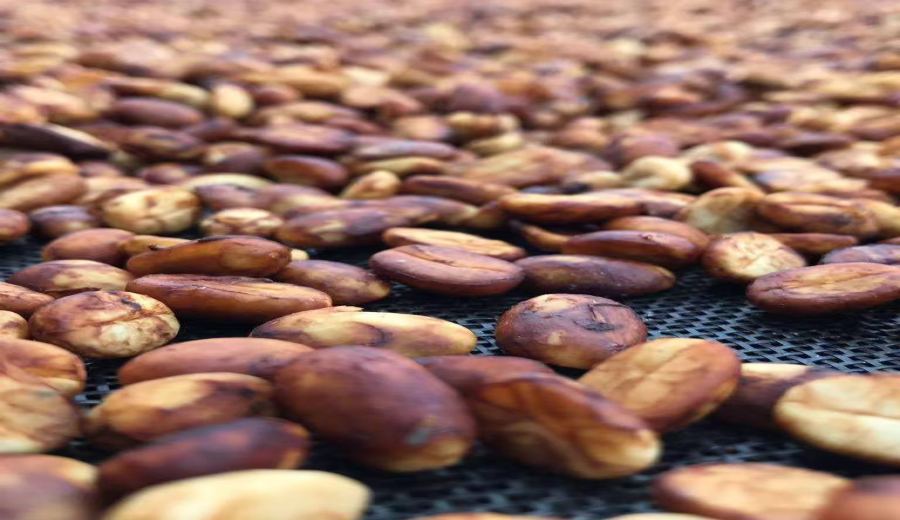
Introduction:Honey processing is a coffee bean processing method that combines characteristics of both washed and natural (sun-dried) methods. By adjusting the amount of mucilage retained, it can be categorized into different grades such as white honey, yellow honey, red honey, and black honey. Each technique affects drying time, fermentation levels, and ultimately the flavor profile. This article delves into the origins of honey processing, the technical differences between each honey grade, and their impact on cup characteristics—helping you better understand how to choose a honey-processed coffee that suits your taste.
When many people hear the term "honey processing" for the first time, they often mistakenly assume that honey is added to the coffee. In reality, honey processing is a special method of preparing green coffee beans, where the key lies in retaining some of the fruit’s mucilage for fermentation and drying—not in adding actual honey. This technique originated in Central and South America, particularly widely used in Costa Rica, and is an innovative process that lies between traditional washed and natural processing.
A coffee cherry, from the outside in, consists of the skin, pulp, mucilage, parchment, silver skin, and seed—the part we ultimately drink is the innermost seed. To obtain this seed, common processing methods include washed and natural. Honey processing is a hybrid form that retains a certain proportion of mucilage, thereby influencing the coffee's sweetness, acidity, and overall flavor complexity.
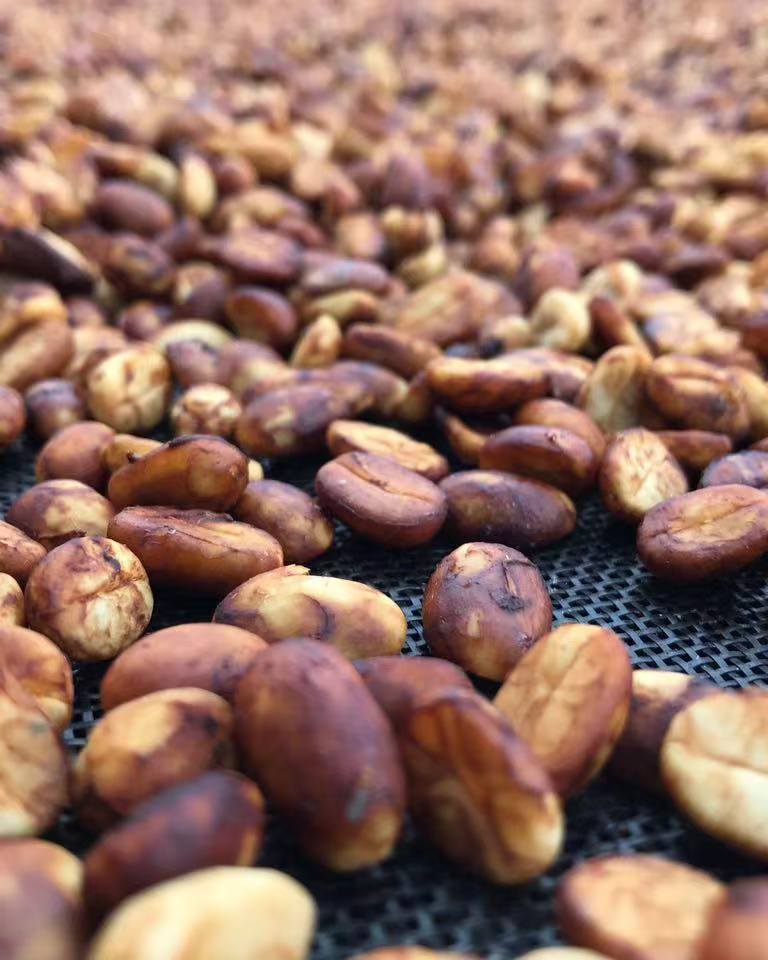
The origins of honey processing can be traced back to the mid-1990s, when Brazilian producers developed the pulp-natural method (also known as Cereja Descascada) to meet the rapid drying needs of large quantities of green beans. This technique involves removing the skin and then directly sun-drying the beans, effectively reducing drying time while minimizing the occurrence of fermented off-flavors, thereby enhancing the overall quality of the coffee. Subsequently, this technique spread to Central and South America and was adapted according to local climatic conditions, gradually evolving into processing methods with varying proportions of mucilage retention—resulting in the now well-known grades of white honey, yellow honey, red honey, and black honey.
The honey processing procedure begins by placing harvested coffee cherries into a water tank for flotation, where unripe or defective beans are removed. Next, specialized equipment is used to remove the outer skin. At this point, the coffee beans still retain a certain amount of pulp and mucilage, followed by a dry fermentation phase, and finally sun drying. The term “honey” refers to the viscous texture formed during fermentation from the sugars and moisture in the mucilage—hence the name.
Compared to traditional washed processing, honey processing can save about 40% of freshwater usage, while also avoiding the potential negative flavors caused by prolonged sun exposure. Coffee processed using the honey method typically exhibits rich fruity sweetness and delicate floral aromas, with a clean and layered mouthfeel. These advantages have made honey processing rapidly popular in Central and South America and an important choice in the specialty coffee market.
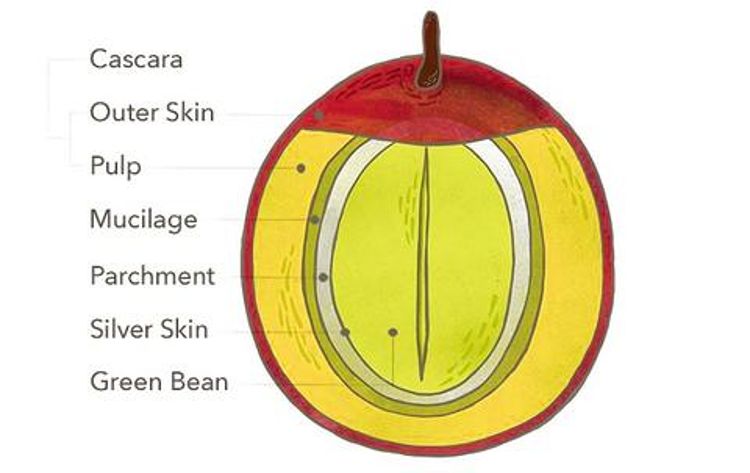
The key to honey processing lies in the amount of mucilage retained. Mucilage is located beneath the skin and pulp, above the parchment, and is composed of water, proteins, reducing sugars, and pectin. As the coffee fruit ripens, it produces pectinase enzymes that break down the mucilage structure, transforming it into a water-gel-like substance rich in sugars. Once the outer skin and most of the pulp are removed, the sticky substance remaining on the outside of the parchment—that is, the mucilage—is what influences the flavor of honey-processed coffee.
Based on the proportion of mucilage retained, honey processing can be subdivided into the following types:
Black Honey: Retains nearly all of the mucilage, typically over 90%, resulting in the longest drying time, often requiring 14 days or more. To prevent over-drying, shading is usually employed to reduce direct sunlight, and sometimes even sun-drying in the shade is used to ensure full sugar conversion. The beans processed with black honey are uneven in color, with intense fermentation aromas, and represent the most pronounced sweetness and body among all honey-processed types.
Red Honey: Retains about 50% to 80% of the mucilage and is one of the more commonly seen honey processing types in the market. Red honey requires approximately 12 days of drying, during which it needs to be turned moderately to avoid localized overheating, usually several times a day. Red honey beans tend to have a darker color, with mild fermented fruit aromas, balanced flavors, and prominent sweetness.
Yellow Honey: Retains about 15% to 50% of the mucilage, and requires stronger sunlight to accelerate drying, with the entire process taking around 8 days. Yellow honey beans are typically turned once per hour to ensure even heat exposure, and the final beans are uniformly yellow-green in color, with fresh herbal and rice-like aromas, and brighter acidity.
White Honey: Retains only 10% to 15% of the mucilage, making it the type with the least mucilage retained. White honey is usually processed on thinner drying beds to enable faster drying, with the entire drying process taking about 7 to 9 days. White honey beans have the lightest appearance, often featuring herbal and vegetal aromas, and relatively refreshing flavors with more pronounced acidity.
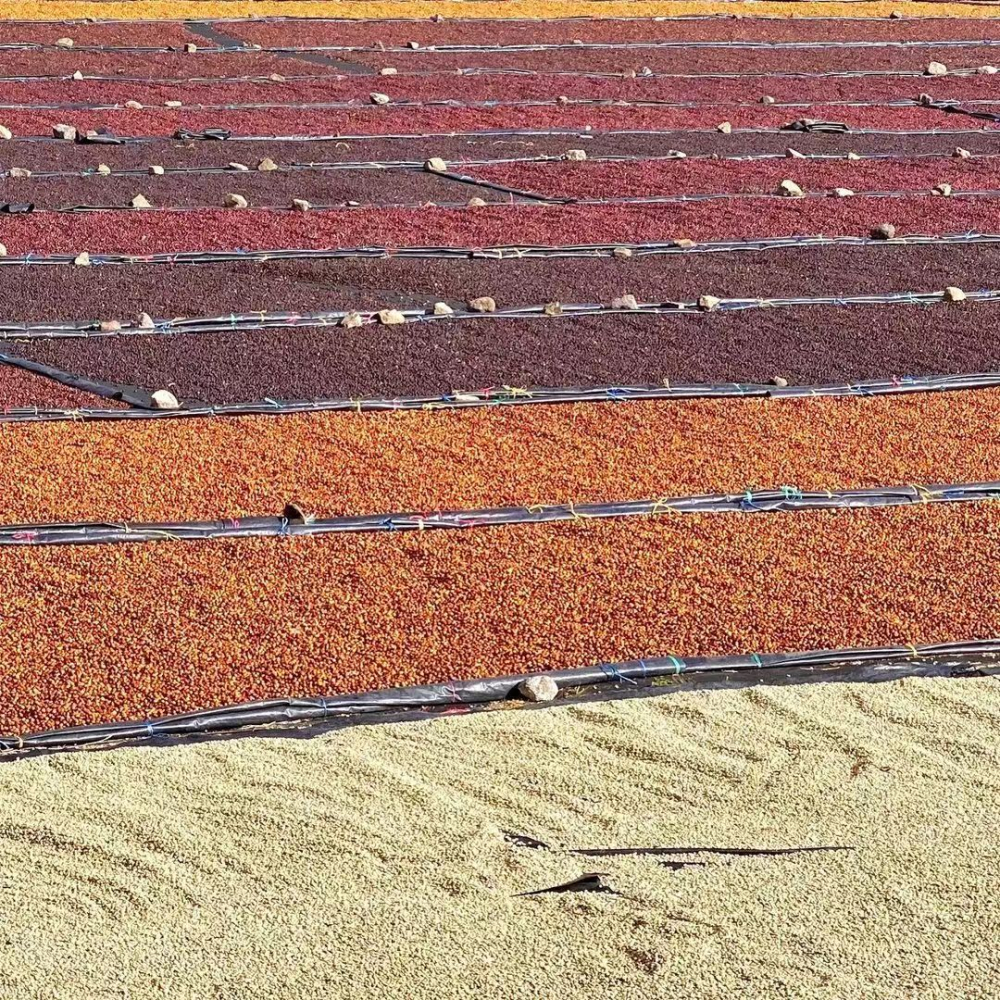
In practice, farmers can control the amount of mucilage removed using specialized equipment, and can also influence the sugar conversion of the mucilage and final flavor profile by adjusting daily turning frequency and shading levels. The essence of honey processing lies in precisely balancing the amount of mucilage retained with drying conditions, thereby achieving ideal flavor characteristics in the cup.
Whether you’re pursuing the rich sweetness of black honey, the balanced elegance of red honey, or the bright and fresh qualities of yellow and white honey, honey processing offers coffee enthusiasts a diverse range of flavor options. Understanding the differences between these processing methods not only helps you make more suitable choices when purchasing coffee beans, but also allows you to better highlight the unique personality of each bean during brewing.
The above content is compiled by CoffeeHunters, a coffee news website.


