








Introduction:In the process of latte art pouring, the blending stage is akin to the bloom step in pour over coffee — it’s a crucial preparatory step that lays the foundation for both the aesthetic appeal of the design and the smoothness of the operation. However, many baristas often encounter issues such as too low a pouring height, excessive flow rate, unstable flow, or poor-quality crema, all of which can negatively affect the final result. This article delves into the causes and adjustment methods for these four common mistakes, helping you master the blending details and improve your latte art success rate.
In the art of latte art, blending is an extremely important step, comparable in significance to the bloom phase in pour over coffee. Blending refers to the preliminary mixing of a small amount of milk with espresso before actual latte art pouring begins. This step not only affects the final presentation of the design but also directly determines how easy or difficult the latte art process will be. Many coffee enthusiasts, whether beginners or seasoned practitioners, tend to make mistakes at this stage, which can compromise the overall outcome.
Common blending mistakes include: too low a pouring height, excessive flow rate, unstable flow, and crema that has been left sitting for too long before blending, losing its fluidity.These issues may lead to streaks, bubbles, or clumps on the liquid surface, making the background chaotic and increasing the challenge of subsequent pouring. This article will analyze these four common errors one by one and provide specific adjustment suggestions to help you effectively improve during daily practice, enhancing the cleanliness and success rate of your latte art designs.

The importance of blending is just like the bloom stage in pour over coffee. During the bloom, if the coffee grounds are not allowed to degas adequately, it will result in under-extraction and muted flavors. Similarly, if the blending stage is not handled properly, not only will the design be hard to control, but the overall taste and visual effect of the coffee will also be compromised. Therefore, whether you are just starting to learn latte art or already have some experience, you should pay special attention to this seemingly simple yet critically important step.
Many experienced baristas also admit that blending is actually harder to master than blooming, as it involves more variables — including pouring height, flow rate, the stability of the milk foam, and the condition of the crema. A slight oversight can leave indelible marks on the liquid surface, affecting the cleanliness and smoothness of the overall design.
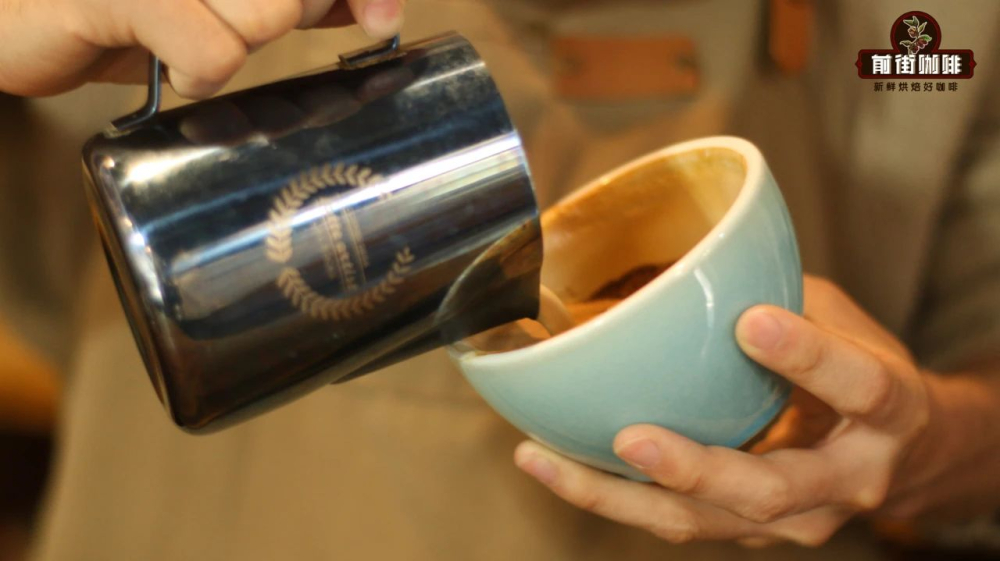
Next, we’ll take an in-depth look at the four most common mistakes during the blending process, helping you avoid these pitfalls in actual practice and improve the quality of your latte art.
I. Too Low Pouring Height: A Key Factor Affecting Blending Uniformity
One of the most common mistakes during blending is having too low a pouring height. Pouring height refers to the vertical distance between the spout of the milk pitcher and the surface of the coffee. With a constant flow rate, the higher the pouring height, the stronger the impact force of the milk foam, which helps mix the foam evenly into the coffee liquid. Conversely, if the pouring height is too low, the milk foam lacks sufficient kinetic energy to effectively stir the coffee, often leaving noticeable streaks on the surface.
Many people, in an attempt to avoid splashing, unconsciously lower the height of the milk pitcher during blending, which instead results in uneven blending. It is recommended to moderately increase the pouring height during the blending stage, allowing the milk foam to enter the coffee with appropriate force to ensure even mixing and avoid a messy background texture.
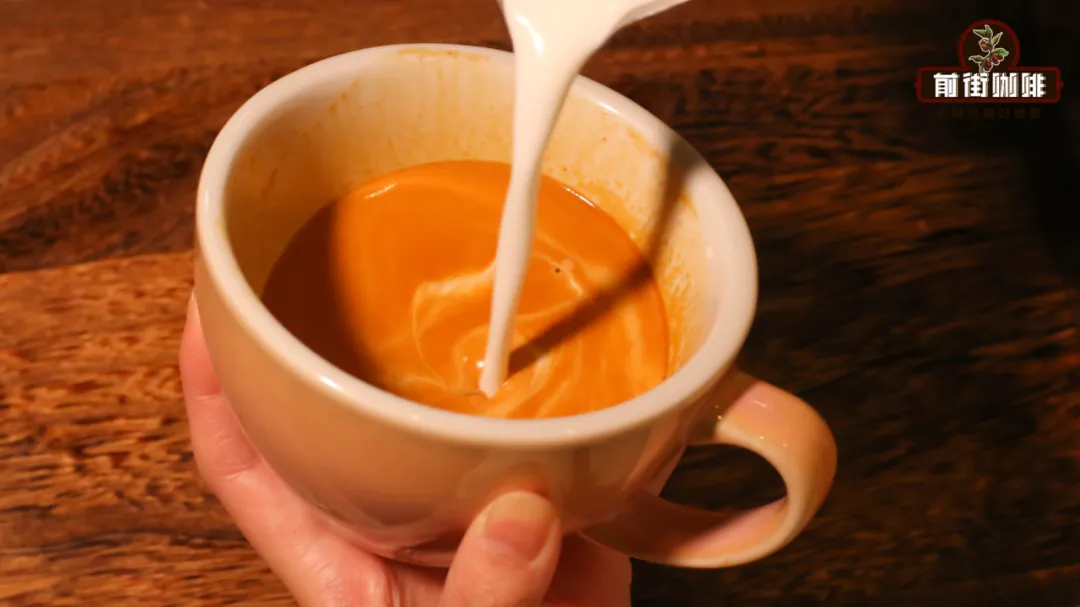
II. Excessive Flow Rate: Likely to Cause Whitening and Surface Contamination
In addition to pouring height, flow rate is another parameter that cannot be overlooked during blending. Flow rate refers to the speed and volume at which milk exits the pitcher. During blending, if the flow rate is too high — especially when there is not much coffee in the cup — the milk foam can easily hit the bottom directly, causing a "whitening" effect. This appears as uneven white patches at the bottom of the liquid, which can detract from the purity of the overall design.
To avoid this, it is recommended to control the speed of pouring milk during blending, maintaining a steady medium-to-low flow rate, so that the foam can gently merge with the coffee rather than violently striking the bottom.
III. Unstable Flow Rate: Leading to Bubbles and Uneven Blending
Unstable flow rate is another common issue, referring to inconsistent speed — sometimes fast, sometimes slow — when pouring milk during blending. This can cause irregular patterns or large bubbles on the surface. Though less common, when it does occur, it can severely impact the smoothness of latte art lines.
Large bubbles can become obstacles to the latte art brush strokes, making it difficult to achieve delicate patterns. It is recommended to keep your wrist steady while pouring milk, controlling the consistency of the flow rate to reduce interruptions and fluctuations in speed, ensuring that the milk foam integrates uniformly into the coffee.
IV. Poor Crema Condition: Loss of Fluidity Affects Blending
The last commonly overlooked issue is the condition of the coffee crema. If the espresso has been left sitting for too long after extraction, the crema may gradually separate, clump, or even deflate, resulting in loss of fluidity. Blending under such conditions means the milk foam cannot effectively mix with the crema, potentially creating chunky obstructions during subsequent latte art, affecting the smoothness of the design.
If you notice that the crema has become less smooth, it is recommended to gently shake the cup before blending to redistribute and restore the fluidity of any clumped crema. This way, the milk foam can blend uniformly with the coffee, laying a solid foundation for subsequent latte art.

The above content is compiled by CoffeeHunters, a coffee news website.


