







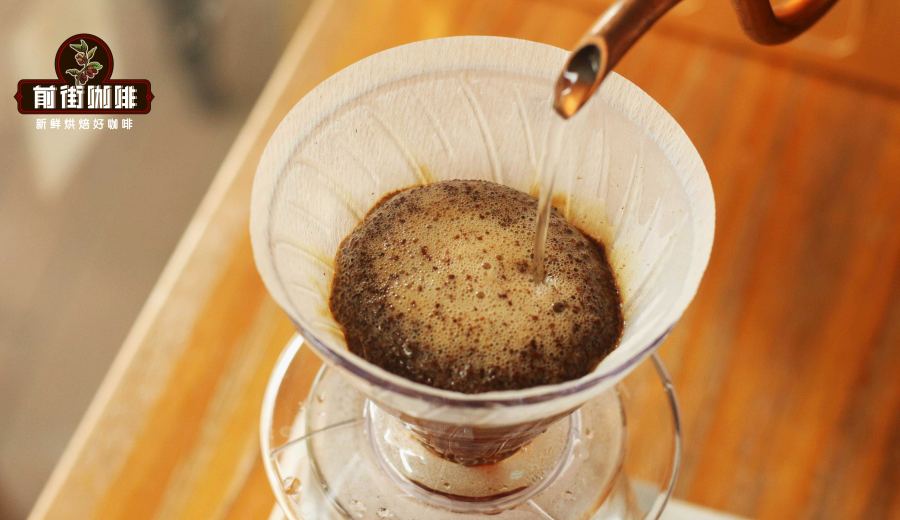
Introduction:Pour-over coffee may seem complex, but by mastering six key elements, even beginners can consistently brew well-balanced, flavorful coffee. This article delves into how coffee bean freshness, grind size, coffee-to-water ratio, water temperature, pouring technique, and extraction time interact, and provides a practical three-stage pouring method, along with grind recommendations for light to medium and medium to dark roasts, and a classic 1:15 coffee-to-water ratio reference — helping you brew high-quality pour-over coffee with clear flavor and layered complexity at home.
Although the steps of pour-over coffee may seem numerous, understanding the core variables allows even novice coffee enthusiasts to brew stable and flavorful coffee. This article will explore six main influencing factors: coffee bean freshness, grind size, coffee-to-water ratio, water temperature, pouring technique, and extraction time — explaining how each affects the final cup, and includes a full demonstration of the three-stage pouring method. Additionally, it covers grind suggestions for light and medium-dark roasts, the classic 1:15 coffee-to-water ratio, suitable water temperature ranges for different roast levels, and other practical information to help you easily recreate a professional-level pour-over experience.
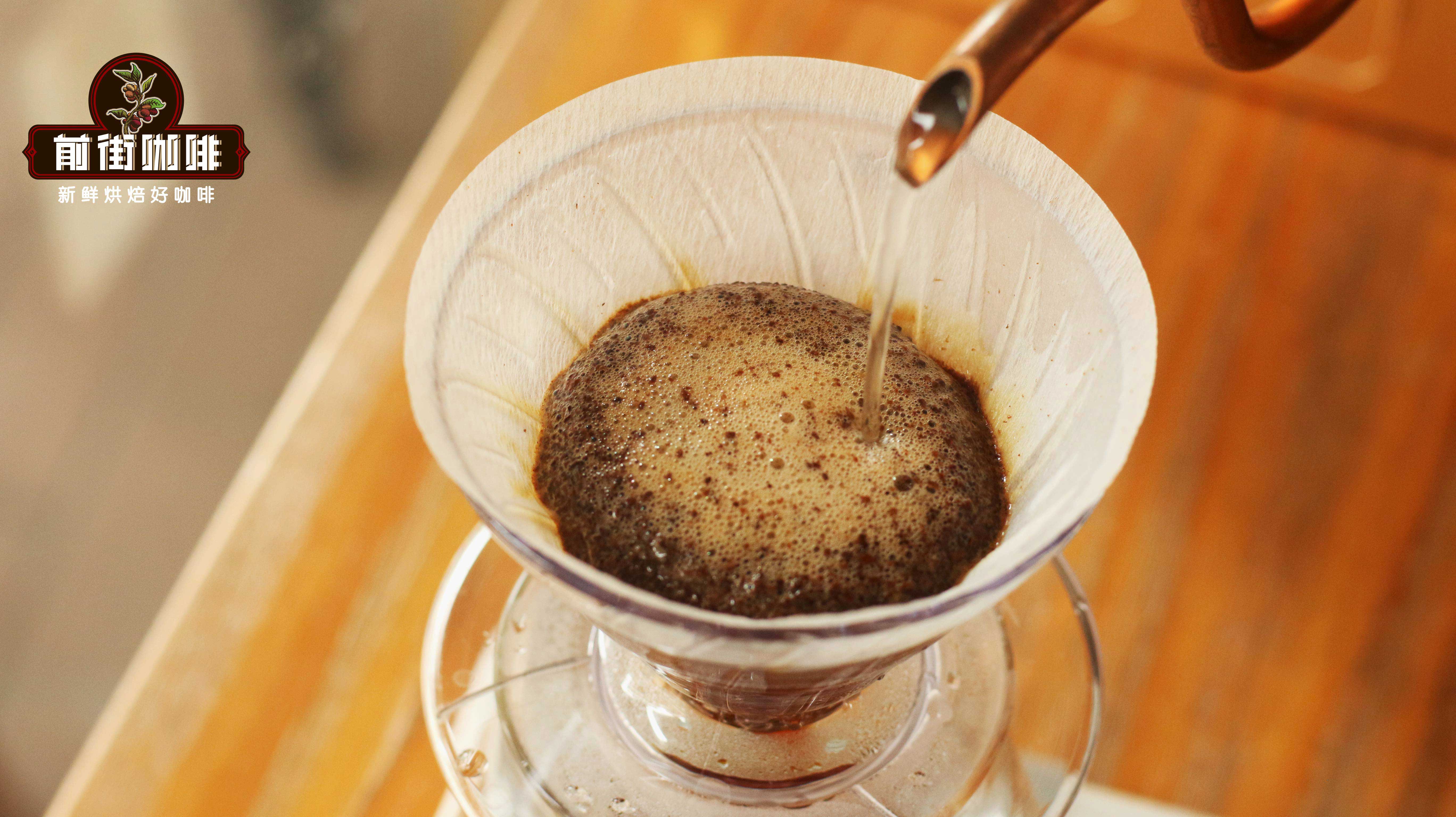
Many people ask how to brew pour-over coffee, and we often smile and say: “Brew it with patience.” Indeed, although the pour-over process involves a few more steps than simple brewing methods, the overall procedure is full of a soothing quality. And your mood directly impacts the brewing results. The coffee brewed when you're calm versus when you’re impatient often shows clear differences — and this isn’t baseless. When you’re in a rush, your pouring speed may become too fast, the grind size might be improperly adjusted, or you might even overlook water temperature control. A single misstep in any of these can cause the flavor profile of the entire cup to deviate from expectations.
So, what factors actually affect the extraction performance of pour-over coffee? The following six elements — coffee bean freshness, grind size, coffee-to-water ratio, water temperature, pouring technique, and extraction time — each directly influence the final flavor of the coffee. Next, we’ll break down their roles and recommended settings one by one.
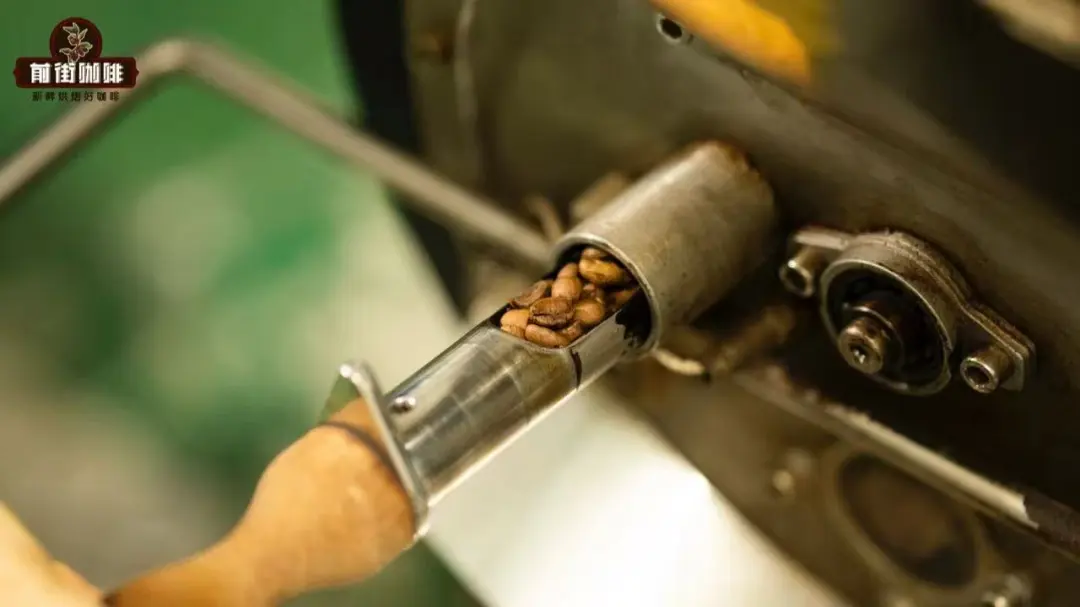
First, coffee bean freshness is an aspect many tend to overlook. One of the most direct indicators of freshness is the amount of carbon dioxide released by the beans. After roasting, coffee beans continuously emit CO₂ — this is the so-called “degassing” process. At the same time, the aromatic compounds that define the coffee’s fragrance and flavor also gradually dissipate, especially the volatile small molecules that bring fruity, floral, and other delicate notes. These dissipate earlier than the larger molecules responsible for bitterness and astringency. Therefore, overly stale coffee beans not only have low CO₂ content, but have also lost a significant amount of aromatic compounds, reducing the essence that can be extracted.

However, fresher isn’t always better. Freshly roasted coffee beans contain a large amount of CO₂. If this isn’t fully released during the blooming phase within 30 seconds, CO₂ will continue to escape during subsequent pouring, disrupting the water’s path through the coffee bed and causing uneven extraction. It’s recommended to leave freshly roasted beans unopened in their original packaging for about 4 to 6 days, allowing the CO₂ to naturally escape through the one-way valve while preventing oxygen and moisture from entering and affecting the flavor.
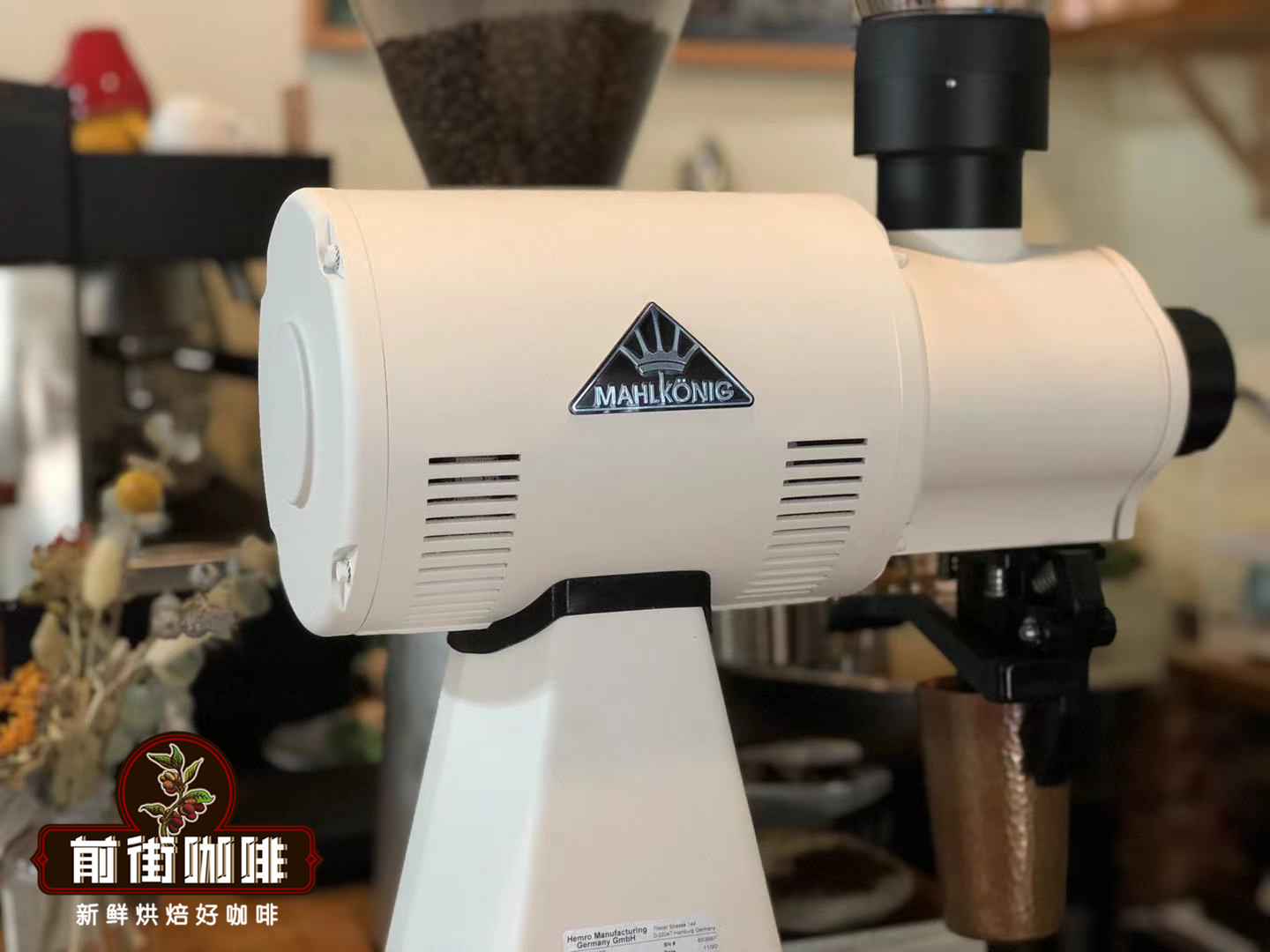
The grind size of coffee beans is equally crucial. Simply put, grind coarseness determines how quickly water penetrates the coffee bed and the duration of contact: the larger the particles, the longer it takes water to reach the center of the bed; the smaller the particles, the easier it is for water to penetrate quickly. However, this doesn’t mean the finer the grind, the better the extraction. Overly fine grinding tends to release more large-molecule bitter substances, resulting in a rough mouthfeel and unpleasant aftertaste. In contrast, a moderate grind size can balance flavor integrity and extraction equilibrium, avoiding the flatness of under-extraction or the bitterness of over-extraction.
It’s recommended to use a standard No. 20 sieve for filtration testing: take 10 grams of coarsely ground coffee beans, sift them, and observe the percentage that passes through. For light roasts, it’s suggested to maintain a grind sieve passing rate between 75% and 80% (approximately 7.5 to 8 grams of fine grounds), suitable for bright-flavored beans such as Frutti Ding Ding · Yirgacheffe, Geisha · Panama, and Sidra · Colombia. For medium to dark roasts, a sieve passing rate between 65% and 70% (approximately 6.5 to 7 grams of fine grounds) is recommended, such as Queen’s Estate, Indonesian Mandheling, or Huila — beans known for their rich body.
The coffee-to-water ratio is key to influencing coffee strength and extraction efficiency. Simply put, the higher the ratio, the lighter the coffee tastes; the lower the ratio, the stronger and more intense it becomes. Adjusting the amount of water poured can change the total extraction yield, but it also affects concentration and flavor expression. Some methods involve increasing the amount of coffee grounds to lower the ratio, which helps reduce the release of large-molecule substances in the later stages, enhancing richness. Conversely, if you’re aiming for a cleaner, more layered flavor profile, you can moderately increase the ratio.
In daily pour-over practice, it’s recommended to use a coffee-to-water ratio range of 1:14 to 1:18. The lower the ratio, the stronger the coffee; the higher the ratio, the more delicate and subtle. Among these, 1:15 is a classic and easy-to-manage benchmark — for example, using 15 grams of coffee beans with 225 grams of water typically achieves a well-balanced and approachable extraction.
Water temperature is also an important variable affecting extraction, especially in relation to the coffee bean’s roast level. Light roasts generally retain more amino acids, malic acid, citric acid, and furan compounds — the small molecules that deliver bright acidity and fruity notes. These require slightly higher temperatures to fully extract, so it’s recommended to use water at 90–91°C. Medium to dark roasts, having undergone longer Maillard reactions and caramelization processes, have already transformed some of these small molecules. Continuing to use high temperatures can lead to over-extraction of bitter, large-molecule substances, so it’s advised to control the water temperature between 88–89°C to suppress excessive extraction.
As for pouring technique, for beginners, the three-stage pour is the most recommended and easiest method to master. This technique helps you more steadily control the extraction pace, enhances the coffee’s layering, and is suitable for most beans of varying origins and roast levels. The core of the three-stage pour lies in pouring in stages, gradually releasing flavors while maintaining a stable and evenly extracted coffee bed.
In practice, it’s suggested to start with 30 grams of water for blooming, letting it sit for about 30 seconds. This allows the coffee grounds to fully expand, releasing CO₂ and aroma. Then, starting at the 31-second mark, proceed to the second stage: pour steadily in a circular motion from the center outward, keeping the water flow vertical to avoid directly hitting the center of the coffee bed, which can cause channeling. The goal of this stage is to evenly distribute coffee foam across the surface of the bed, raising the liquid level to the short ribs of the filter cone, with a total pour of about 100 grams. When the liquid level drops to about half, begin the final stage: slowly pour another 95 grams from the center outward, slightly slowing the flow to a “fragrance-sniffing” pace. At this point, the foam color will shift from dark brown to light yellow, and the liquid level will stabilize again. Once all the coffee has dripped through, remove the filter cone to complete the extraction.
Finally, extraction time is also a critical indicator of a successful pour-over. Taking 15 grams of coffee grounds as an example, the ideal total extraction time should fall between 1 minute 50 seconds and 2 minutes 10 seconds — a range with a high tolerance for fine-tuning various variables. It’s important to note that if the extraction time is too long, it may be due to overly fine grinding or too slow pouring; if it’s too short, it could be due to overly coarse grinding or too fast water flow. By observing changes in time, you can further adjust other parameters to find your own optimal extraction balance.
The above content is compiled by CoffeeHunters, a coffee news website.


