








Introduction:In the world of specialty coffee, washed, natural, and honey processes are the three most common green coffee processing methods, each imparting a distinctly different flavor profile to the beans. This article delves into the step-by-step differences, key techniques of these three processing methods, and explains how they influence the final extraction flavors and mouthfeel. It also includes practical roasting parameters and bean variety characteristics to help you better grasp the potential of each coffee.
Washed, natural, and honey processes are the most fundamental and important categories among specialty coffee processing methods. These techniques not only affect the coffee’s clarity, acidity-sweetness balance, and body, but also directly determine its performance in pour over or other brewing methods. This article will use real-world examples to guide you through the differences between these three classic processing methods—from the processing workflow, raw bean appearance, to flavor characteristics—and provide useful roasting advice and bean background info, so you can feel more confident from bean selection to brewing.
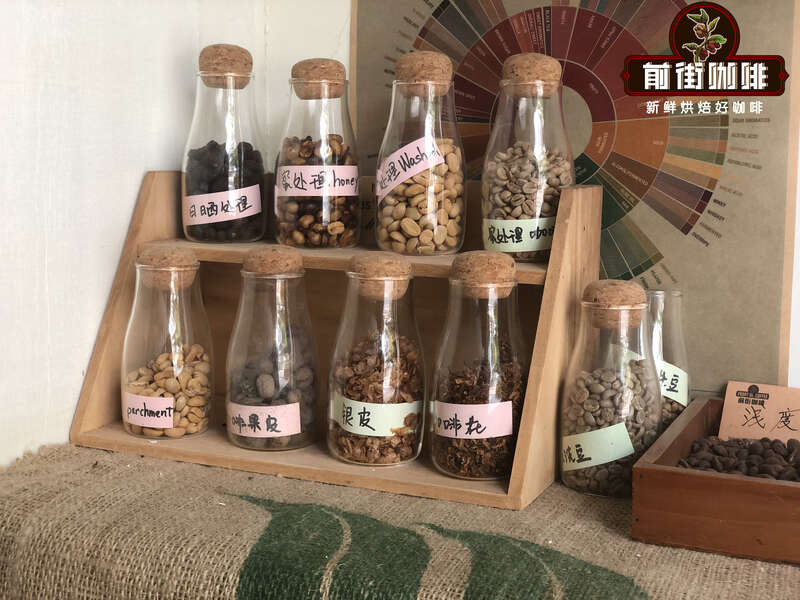
For pour over enthusiasts, the terms washed, natural, and honey processing are definitely not unfamiliar. This article specially selects three Geisha variety coffees from Panama’s Boquete region, along with an Ethiopian and strawberry-toned blend, to break down the actual operations, flavor directions, and bean appearance features of these three processing methods one by one. Additionally, it explores the evolution of honey processing in Brazil and Central and South America, and offers actual roasting records for reference. Whether you're a beginner or an advanced enthusiast, you'll find practical insights here.
The core differences between these three processing methods—temporarily setting aside time and environmental factors—can be simply summarized as follows: Natural processing involves drying the whole coffee fruit, including its husk, until the moisture content reaches around 12%, then removing the husk to extract the beans. Washed processing first removes the skin, pulp, and mucilage, leaving only the parchment-covered beans to dry, and finally peeling off the parchment. Honey processing removes the skin but retains part of the mucilage layer during drying, followed by subsequent processing. The reason honey processing is called “Honey Process” has nothing to do with adding honey, but rather because the residual mucilage left after removing the skin has a sticky, honey-like texture—hence the name.
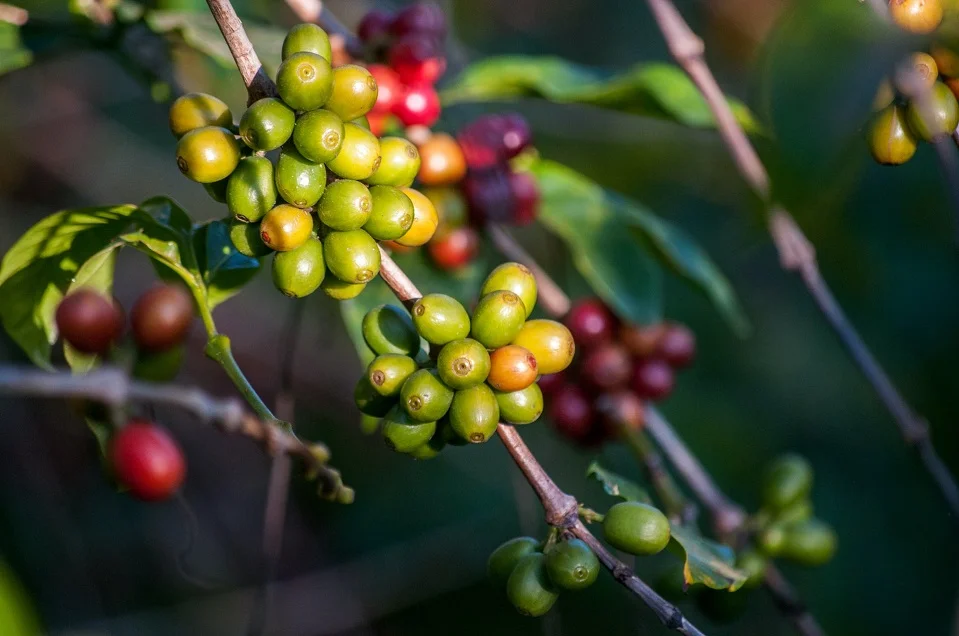
Below, we will introduce in order the actual processing workflows, precautions, and typical flavor profiles of these three methods.
Washed Processing Method
Washed processed coffee is typically characterized by “bright acidity, high cleanliness, and a crisp mouthfeel,” and is the most stable among the three processing methods, making it suitable for brewing styles that emphasize clarity. The resulting green beans often appear bluish-green, and the roasted beans clearly show the silver skin line at the center.
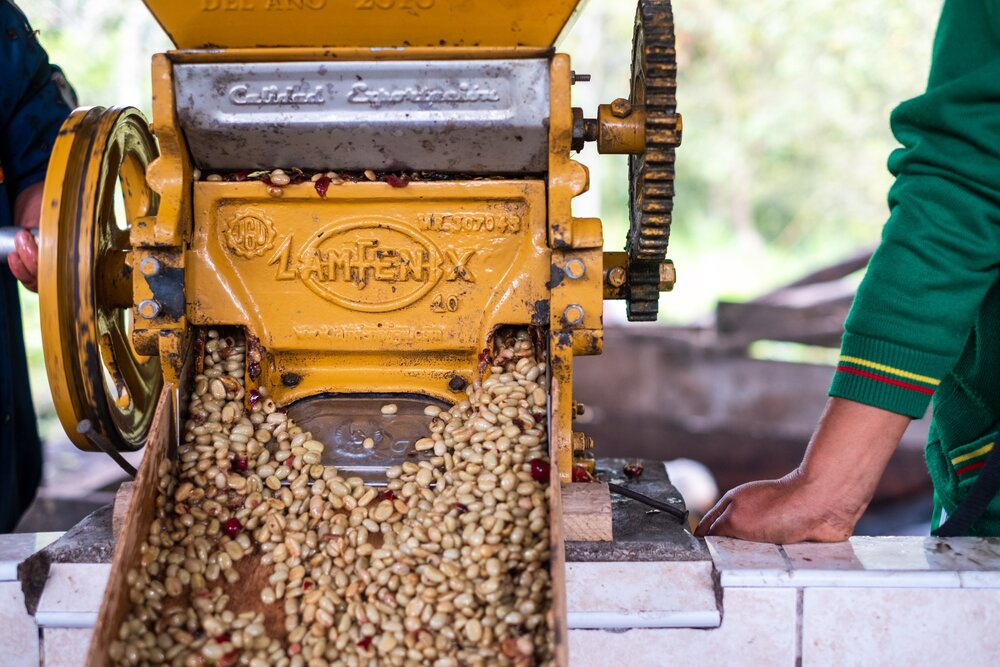
The processing steps are roughly as follows: First, harvested coffee cherries need to be delivered to the processing facility within 6 to 12 hours, where they are cleaned and floated to remove unripe or defective cherries. Next, a pulper is used to remove the outer skin and pulp, leaving seeds covered with mucilage. Then comes the fermentation stage, usually lasting 18 to 36 hours, during which enzymes break down the mucilage. After fermentation, the beans are rinsed multiple times with clean water to remove residual mucilage, resulting in parchment-covered beans. Finally, the beans are dried on raised beds, tarps, or cement floors for about 5 to 14 days, until the moisture content drops to around 11%, after which they are stored until hulling prior to export.
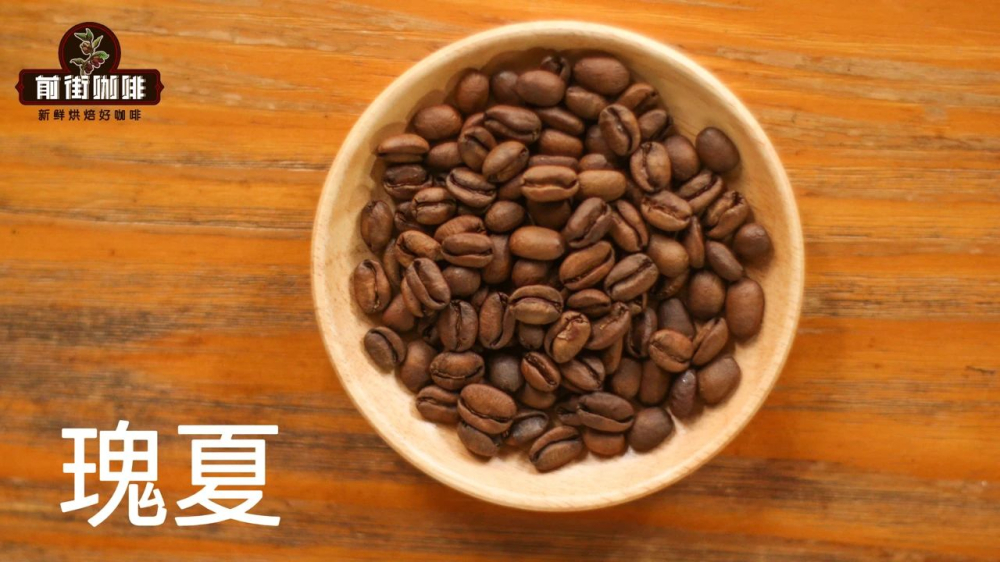
One well-known example is the Emerald Estate Green Label Geisha from a famous coffee brand, produced in Boquete, Panama, at an altitude of 1600–1800 meters. It is known for its bright citrus notes, high sweetness, and layered tea and berry profiles. Its recommended roast level is medium-light to medium, with slight development after first crack, to preserve its clear acidity and aroma.
Natural Processing Method
Compared to washed, naturally processed coffee generally has lower acidity, more pronounced sweetness, a richer and more complex mouthfeel, but slightly lower clarity, often featuring berry, syrup, and tropical fruit notes. Natural green beans may have a small amount of silver skin on the surface, appearing yellowish-green, while roasted beans usually lack a silver skin line.
The natural processing flow is as follows: First, defective cherries are manually sorted out, then whole coffee fruits are placed in drying areas (such as raised beds, tarps, or cement floors) for extended drying, usually taking 3 to 4 weeks, until the moisture content drops to 11%. After drying, the beans are peeled and hulled, then sorted, graded, and stored.
An example is the Ethiopian Natural Huila from a well-known coffee brand, produced in the Guji Hambela region at an altitude of 2250–2350 meters. It features berry juice-like flavors, floral notes, and an black tea-like aftertaste, making it ideal for brewers who enjoy intense sweetness. Roasting-wise, it’s advised to control the development time after first crack to bring out rich fruit and sugar aromas.
Honey Processing Method
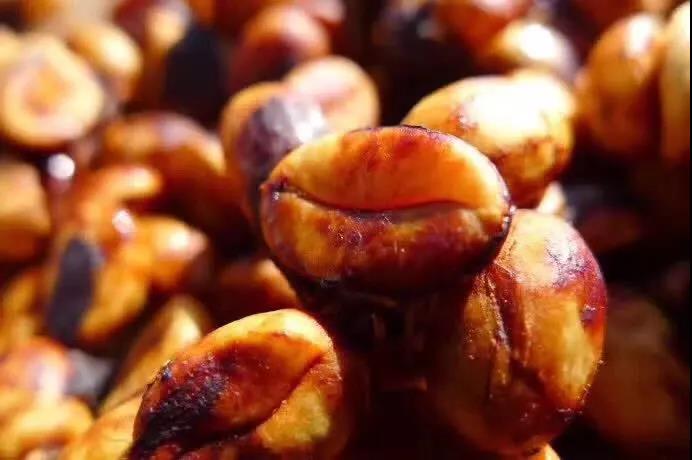
Honey processing combines the cleanliness of washed with the intensity of natural, offering a great acidity-sweetness balance and high body. It is a mainstream technique in many Central and South American producing regions. Honey processed green beans, due to retained mucilage, appear yellowish after drying, and roasted beans often exhibit noticeable fermentation aromas.
Honey processing originated from Brazil’s Pulped Natural method, developed to suit the region’s dry climate and commercial farming needs. Later, countries like Costa Rica adapted it based on their climates, evolving into subcategories that retain varying proportions of mucilage—including Black Honey (retaining nearly 100% mucilage, dried over 14 days), Red Honey (around 80%, dried for 12 days), Yellow Honey (40–60%, dried for 8 days), and White Honey (same mucilage ratio but dried thinner and faster).
The steps of honey processing are: first remove the skin, retain part or all of the mucilage, then proceed with drying, and finally remove the parchment. Drying time and light exposure depend on the amount of mucilage retained, and usually involve using shade nets or adjusting bean layer thickness to control temperature and drying rate.
An example is the Strawberry Sugar Geisha Blend from a well-known coffee brand, combining Panamanian and Costa Rican honey and washed beans, presenting multi-layered flavors of citrus, cream, honey, and tea. It suits medium-light roasting to highlight aroma and sweetness. During roasting, attention should be paid to dehydration before first crack and development time after first crack, to balance acidity, sweetness, and body.
The above content is compiled by CoffeeHunters, a coffee news website.


