







Introduction:Drip-filtered coffee was the dominant brewing method before the rise of espresso, and pour over is its most iconic branch. This article delves into the fundamental differences between drip filtration and espresso in terms of concentration, flavor longevity, and suitable bean types, and explores how water temperature affects extraction efficacy. Using V60 and KONO filter cones, it details segmented pouring techniques and actual brewing parameters for both light and medium-dark roasted beans, helping you precisely replicate professional-level flavor at home.
The history of drip-filtered coffee dates back to before the emergence of espresso, once the most widely consumed coffee brewing method globally. Among these, pour over, as an important branch of drip filtration technology, is beloved by single-origin enthusiasts for its precise presentation of subtle coffee flavors. Compared to espresso, which relies on high-pressure extraction, drip filtration relies solely on gravity to naturally blend hot water with coffee grounds, resulting in a crisper, more layered taste experience.
The most common drip-filtered equipment in home and office environments includes Hong Kong-style and American-style drip machines, which operate by evenly sprinkling hot water over the coffee grounds and allowing the extraction to slowly drip down through gravity. In contrast, espresso requires a professional machine's 15 to 20 bar pressure to instantly extract the essence of coffee and form a rich crema layer on the surface. Notably, while modern electric drip kettles simplify the operation process, they often suffer from insufficient heating power, leading to low water temperatures that can compromise the completeness of flavor extraction.
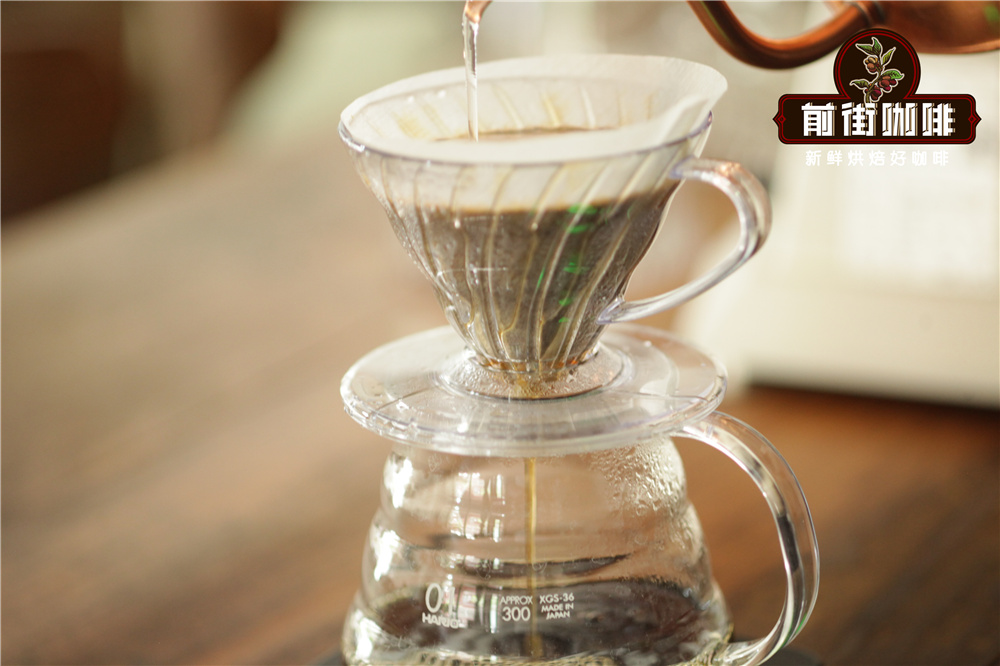
Pour over has become the mainstream method in contemporary specialty coffee, primarily because it can delicately showcase the native flavor spectrum of coffee beans. Without the application of additional pressure, hot water has more time to penetrate the coffee fibers, fully extracting aromatic compounds and oils, ultimately delivering a beverage with a soft mouthfeel and lingering aftertaste. The preparation tools are extremely simple: a grinder capable of producing uniformly fine grounds, a kettle that can handle hot water, along with optional filters (with or without filter paper), and you're ready to start your pour over journey.
There has long been debate over filter material choices—paper filters can remove fine suspended particles for a clearer taste but may absorb some aromatic oils; metal filters allow more coffee fines to pass through, adding a richer body. These preference differences have no absolute superiority; it’s recommended to adjust based on individual taste needs.
The core differences between drip filtration and espresso are reflected across multiple dimensions: the former retains flavors significantly longer than the latter (espresso’s optimal tasting window is within ten seconds), and is suitable for everyday drinking at various brew ratios; the latter is mostly used as the base for milk-based drinks like lattes. In terms of bean suitability, while all coffee can be made into drip-filtered coffee, certain high-acidity or lightly roasted beans may not be ideal for high-pressure espresso. Grind size also differs—espresso requires an extremely fine grind (around Italian standard No. 3), while drip filtration adjusts between medium-fine (No. 5) and medium-coarse (No. 7) depending on the filter shape.
Water temperature control is a key variable affecting extraction success. The generally recommended range is 88 to 92°C, but adjustments should be made based on the roast level of the beans: light roasts (emphasizing floral and fruity acidity) suit higher temperatures (around 91°C), medium roasts balance nutty notes (around 90°C), and dark roasts (highlighting chocolate and caramel flavors) should use lower temperatures (88°C) to avoid over-extraction bitterness. Users of electric heating devices should pay special attention, as low-power models often result in insufficient water temperature; preheating techniques or switching to dark roasted beans can help compensate.
V60 and KONO, as two classic filter cone designs, each exhibit unique flavor profiles. The V60’s spiral ribs promote efficient drainage, and when used with filter paper, still retain rich oils, making it especially suitable for highlighting the floral and fruity notes of light-roasted beans like Ethiopia Yirgacheffe; the KONO, with its mid-pour constriction rib design, slows the filtration flow rate, enhancing the body and sweetness of medium-dark roasts (such as Indonesia Mandheling).
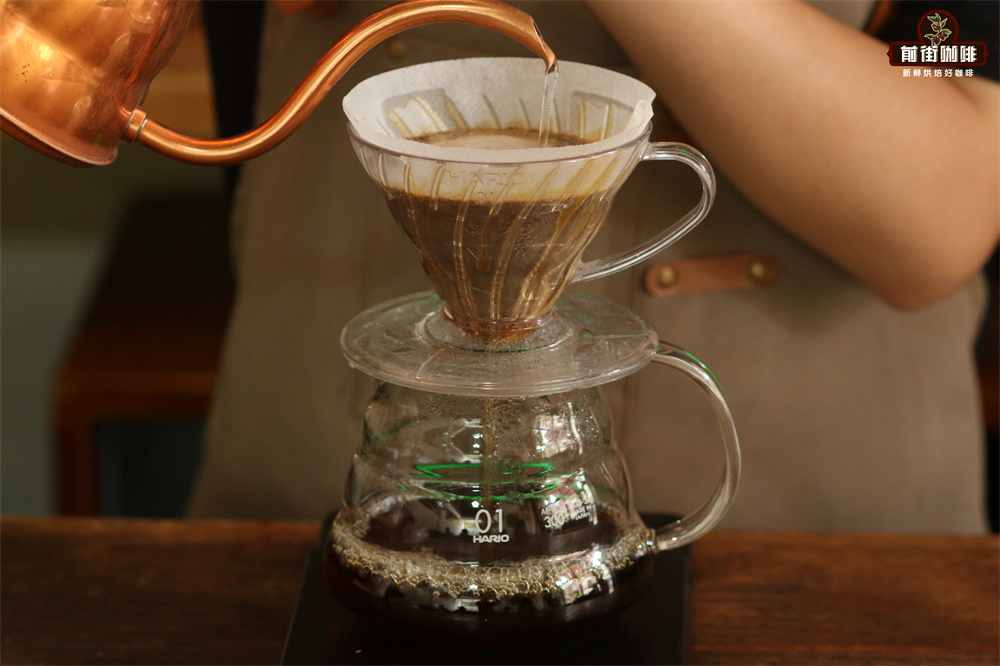
Taking the Ethiopia Sidamo Huikaui light roast brewed with a V60 as an example, the recommended parameters are: medium-fine grind with 80% extraction through a Chinese No. 20 sieve, a 1:15 powder-to-water ratio (15 grams of coffee grounds to 225 milliliters of water), and a water temperature of 91°C. The segmented pouring process is divided into three stages: the first stage injects 30 grams of water for a 30-second bloom to form a “hamburger-shaped” coffee bed; when the water level in the filter cone drops to two-thirds of the coffee bed, inject the second stage of 125 grams of water at the 60-second mark; finally, inject the third stage of 225 grams of water at the 100-second mark, with the total extraction time strictly controlled between 1 minute 59 seconds and 2 minutes. After completion, gently shake the filter cone to homogenize the coffee liquid before drinking to achieve the best flavor balance.
Shifting to the medium-dark roast category, here’s a practical setup for the KONO filter cone paired with Mandheling coffee: use a medium-coarse grind with 75% extraction through a No. 20 sieve, maintaining a 1:15 powder-to-water ratio and 88°C water temperature. Employ a “pre-wetting + segmented pouring” strategy—initially bloom with 30 grams of water for 30 seconds to activate the coffee grounds; then pour in a thin stream in circles to reach 125 grams for the first stage of extraction; once the water level naturally drops, continue pouring to 225 grams, with the total time precisely controlled at 2 minutes. This parameter combination effectively suppresses over-extraction, highlighting Mandheling’s unique herbal, chocolate, and caramel layers.
Regardless of the equipment or bean type chosen, the key to successful pour over lies in stable control of four elements: grind size, water temperature, pouring rhythm, and total extraction time. Beginners are advised to start with medium-roasted beans to practice basic techniques and gradually explore their personal taste preferences. Through systematic parameter adjustments and repeated practice, every coffee enthusiast can replicate their own ideal flavor profile at home.
The above content is compiled by CoffeeHunters, a coffee news website.


