







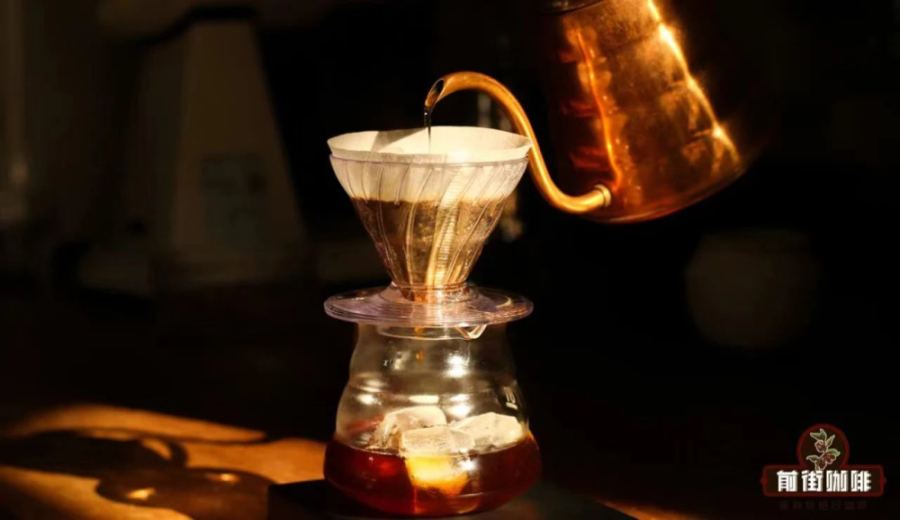
Introduction:The flavor profile of pour over coffee largely depends on the grind size of the coffee grounds. From surface contact area, extraction time to final mouthfeel, the impact of grind size is everywhere. This article will delve into how to judge the grind state through sieve passing rate, compare how different particle sizes affect extraction efficiency and flavor presentation, and also provide grind recommendations for light, medium, and dark roasted beans. Even without professional sieves, you can find a suitable grind setting by observing the characteristics of the coffee bed.
In the world of pour over coffee, grind size is one of the most critical variables. It not only affects the total surface area in contact with water but also determines the ease with which water passes through and the overall extraction time, thereby influencing the final aroma, acidity, sweetness, and body in the cup. Whether you’re a beginner or an experienced coffee enthusiast, mastering the skill of adjusting grind size can significantly improve extraction stability and the layered expression of flavors.
So, how exactly does grind size affect coffee flavor? Simply put, given the same weight, the finer the grind, the more the coffee particles are broken down, resulting in a larger total surface area and more areas for water to interact with, which helps increase extraction yield. Conversely, if the particles are too coarse, the contact area between water and coffee grounds decreases, lowering extraction efficiency and often leading to weak flavors. Additionally, the fineness of the grind also affects the speed at which water flows through, thereby altering the overall extraction time and concentration.
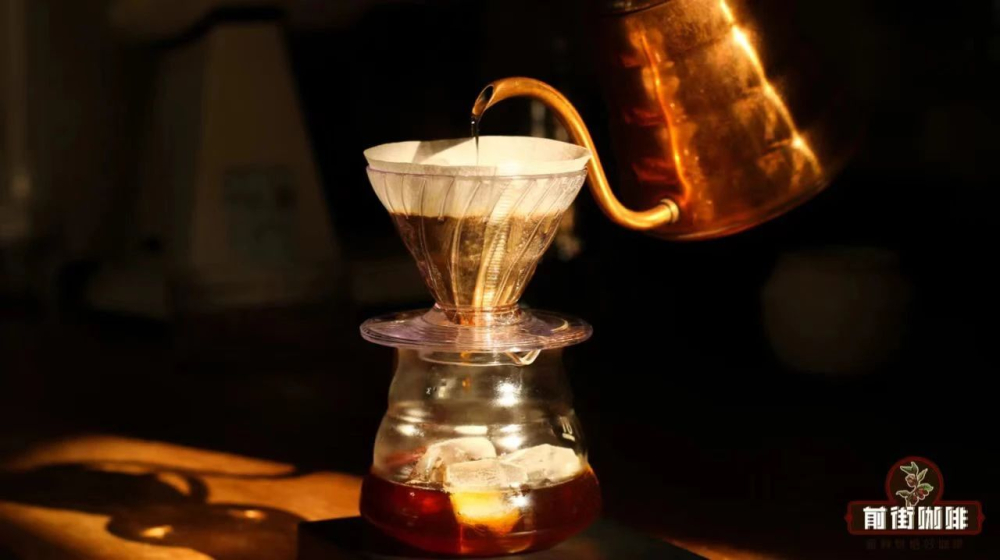
When the grind is too fine, coffee particles are packed tightly together with minimal gaps, making it difficult for water to flow smoothly. This often leads to prolonged extraction times and slow flow rates. In such cases, water is more likely to extract highly concentrated bitter substances and astringent compounds from the coffee, resulting in a heavy, bitter taste and even an over-extracted unpleasantness. Especially during the bloom and pouring stages, if the coffee bed is too dense, it may also cause channeling, where some coffee grounds are not evenly extracted.
On the other hand, if the grind is too coarse, the gaps between particles are larger, allowing water to pass through the coffee bed quickly. This drastically shortens the extraction time and reduces the amount of flavor compounds dissolved, often resulting in a coffee that tastes thin, lacks complexity, and has overly sharp acidity without sufficient sweetness or body to support it. Such extraction results often make the coffee feel watery, with indistinct flavors.
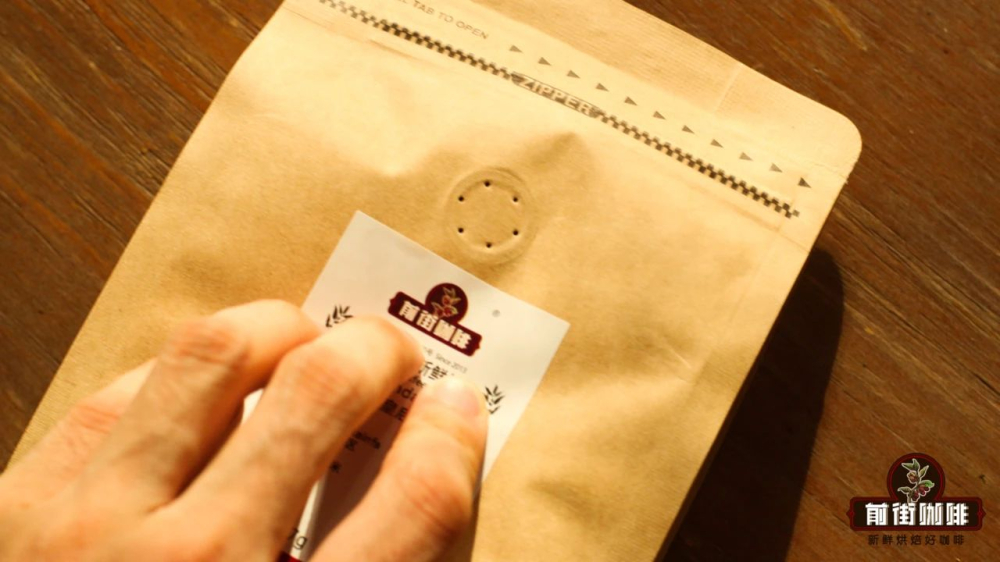
To more accurately gauge grind size, many coffee enthusiasts use a standard 0.85mm (approximately No. 20) sieve to test the passing rate. The operation is quite simple: take about 10 grams of coffee beans, grind them, then pour the powder into the sieve and gently shake it to allow the fine particles to pass through. Afterward, observe the amount of coffee powder remaining on the sieve to calculate the passing rate. For example, if the passing rate reaches 80%, it means 80% of the coffee particles are smaller than 0.85mm, which is generally suitable for most pour over brewing scenarios.
Based on practical experience, the ideal passing rate ranges for different brewing methods are as follows: cold drip around 85% or higher, pour over and siphon around 80%, moka pot and American drip around 75–80%, cupping range is 70–75%, and French press falls between 65–70%. These values can serve as a reference for adjusting your grind settings, but slight personal taste adjustments are still recommended.
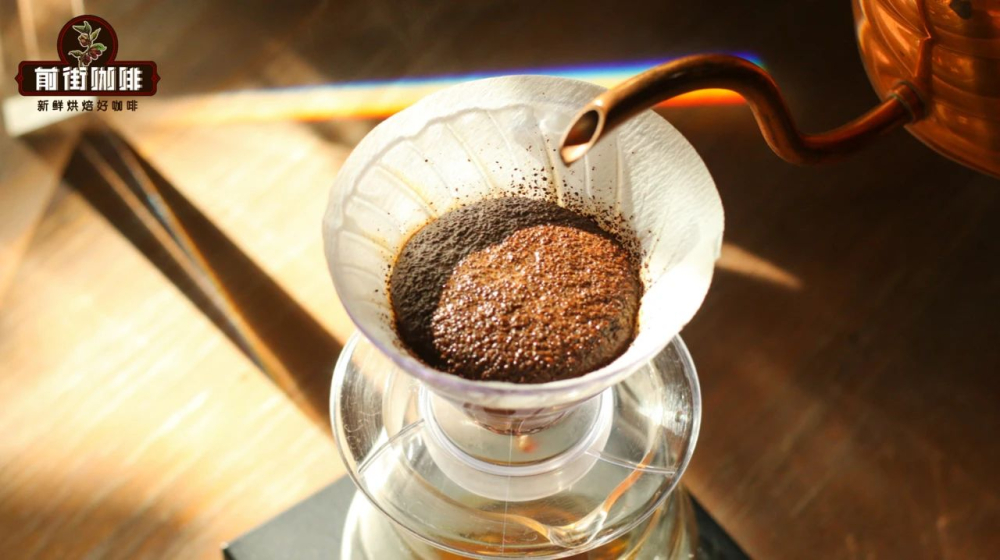
Of course, the roast level of the coffee beans also significantly influences the choice of optimal grind size. Generally speaking, light roasted beans, due to their tighter structure and higher density, are better suited to slightly finer grinds. A passing rate of 80–85% using a 0.85mm sieve is a good baseline, helping to bring out rich acidity and delicate flavors. Medium roasted beans are suitable for medium-fine grinds with a passing rate of around 70–75%, balancing acidity, sweetness, and body. As for dark roasted beans, since they are looser in texture, a slightly coarser grind is recommended, with the passing rate controlled at 65–70%, to avoid over-extraction that can produce burnt and bitter notes.
If you don’t have a professional sieve, don’t worry. We can roughly categorize coffee particles into five levels—extremely fine, fine, medium-fine, medium, and coarse—to help you quickly match common pour over equipment and brewing needs.
Extremely fine particles are typically used for espresso machines or moka pots. These brewing methods rely on high-pressure hot water and require the coffee to be densely compressed to create appropriate resistance, thereby extracting rich crema and concentrated flavors. Fine particles are commonly found in pod coffee, where filter paper allows faster water flow, necessitating finer particles to increase the extraction surface area and ensure full release of flavor compounds.
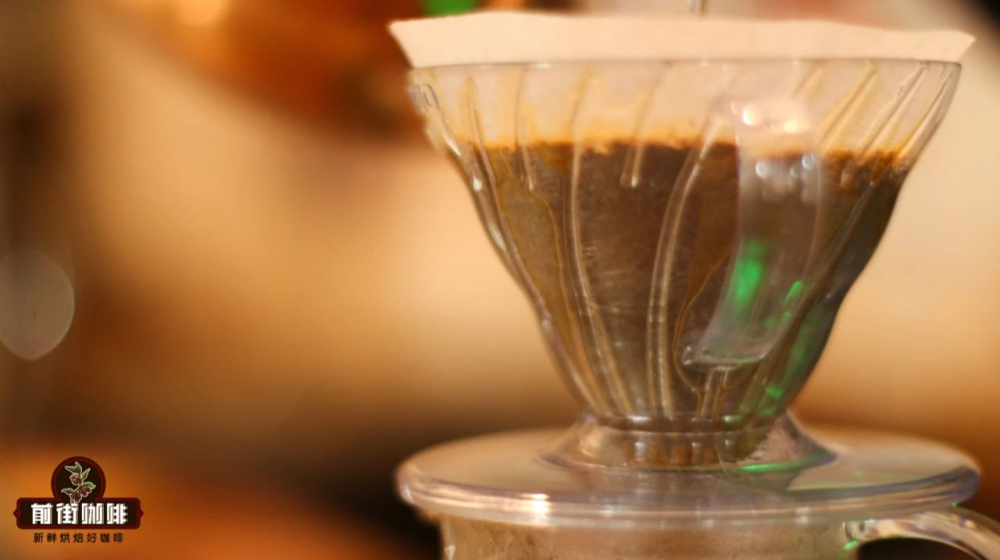
Medium-fine particles are the top choice for most pour over enthusiasts, especially suitable for light to medium roasted beans. The particle size is similar to that of fine sugar, with a passing rate typically between 75–80%. This grind size offers a good balance of acidity and sweetness, particularly well-suited for beans emphasizing fruity and floral notes. Medium particles are slightly coarser than medium-fine, resembling the size of coarse sugar, with a passing rate of around 70–75%. They are suitable for medium to dark roasted beans, helping to avoid over-extraction caused by unstable initial pouring and maintaining a clean and stable mouthfeel.
Finally, coarse particles are primarily used for French press. This brewing method extracts the overall flavor of coffee through prolonged immersion (usually four minutes). With a metal filter that has larger holes, coarser particles are needed to prevent fine particles from seeping through, ensuring the coffee liquid remains clear and smooth while fully releasing the coffee’s rich body and sweet characteristics.
The above content is compiled by CoffeeHunters, a coffee news website.


