







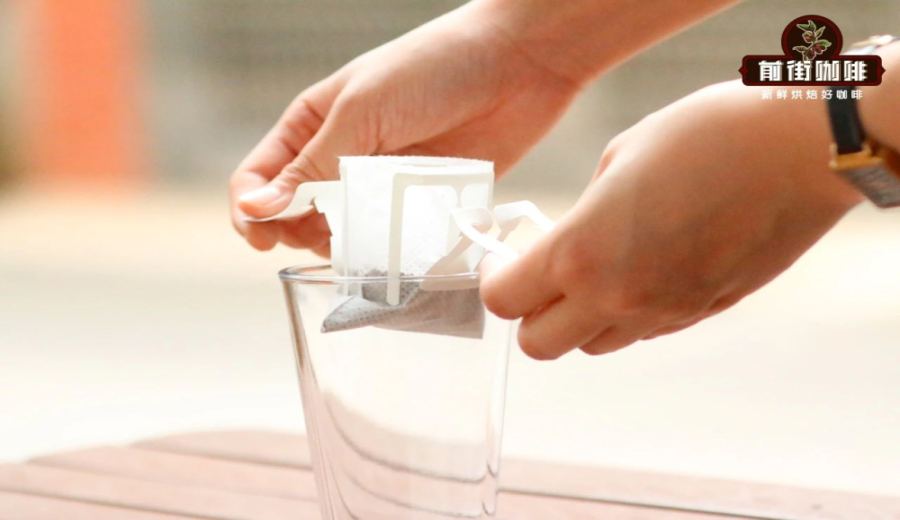
Introduction:Many coffee enthusiasts appreciate the convenience of drip bags but often overlook how quickly the flavor of ground coffee deteriorates after grinding. This article presents an experiment conducted on drip bags made from a well-known brand’s Ethiopian Red Cherry medium-light roast beans. It meticulously records the flavor changes over 1 to 4 months of storage, both with and without the addition of a freshness preservative. The experimental data reveals the true optimal consumption period for drip coffee bags and offers practical storage advice to help readers avoid drinking coffee that has lost all its flavor.
Drip bags have become the go-to choice for many busy coffee lovers due to their ease of use. With just hot water, you can enjoy a brewing experience similar to pour over. However, although they are as convenient to use as instant coffee, the coffee grounds inside drip bags come from freshly roasted beans. Once ground, the rate of flavor loss is much faster than that of whole beans.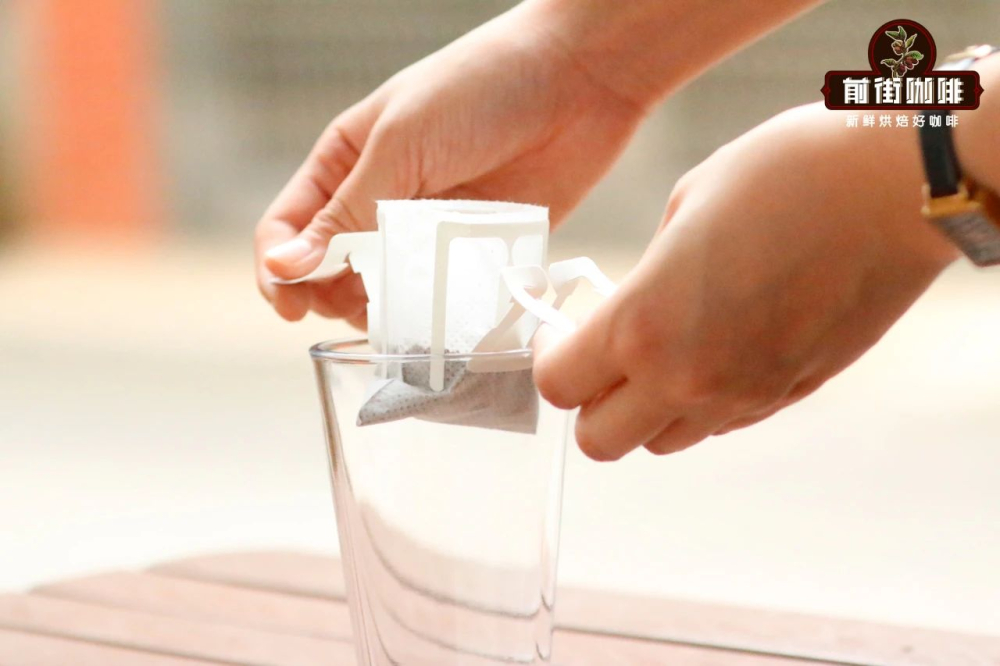
Drip bags were first introduced as early as 2001, designed to simplify the brewing process and allow everyday consumers to enjoy a good cup of coffee without complicated equipment. Especially in situations where pour over gear is unavailable, you simply tear open the bag, pour in hot water, and in just a few minutes, you’re ready to brew—making it a daily choice for many.
However, contrary to their convenience, drip bag coffee grounds have significantly weaker flavor retention capabilities compared to whole beans. When coffee beans are ground, about 70% of the carbon dioxide they release is lost instantly, and the remaining 30% dissipates rapidly—much faster than in whole bean form. This carbon dioxide originally plays a crucial role in blocking external moisture and oxygen. Once this protective layer is gone, oxidation is more likely to occur, and the precious aromas will also dissipate.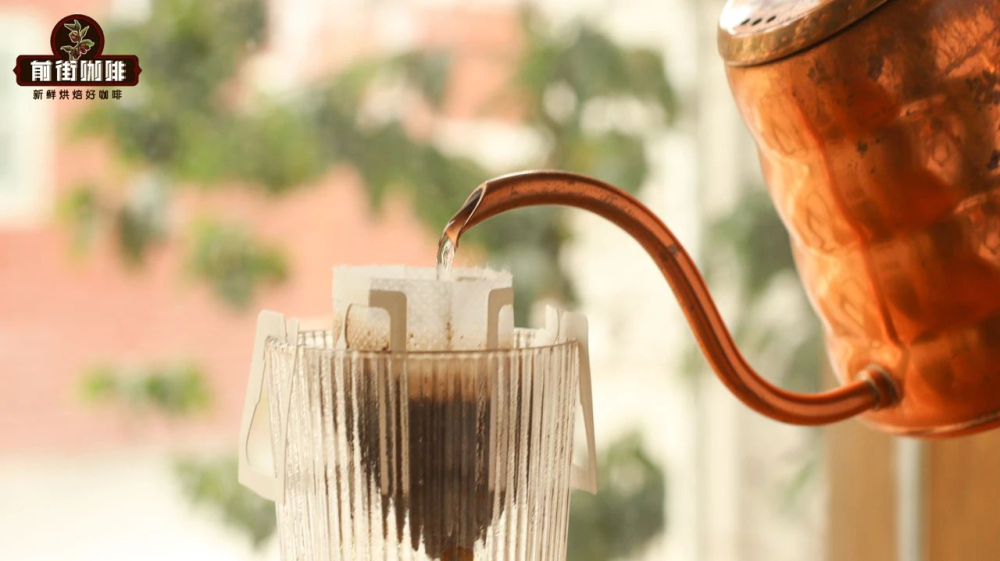
Therefore, if you want to enjoy a flavor and aroma level close to that of pour over coffee, it is recommended to consume drip coffee as soon as possible, rather than storing it long-term like canned coffee. But if you’ve already bought a whole box of drip bags, how long can they be stored? Is there also an “optimal consumption period”?
To answer these questions, we conducted a detailed experiment. The experiment used Ethiopian Red Cherry coffee beans from Ethiopia, medium-light roasted, with flavor profiles dominated by floral notes, berries, peaches, accompanied by bright citrus acidity and soft caramel sweetness, and a long-lasting aftertaste—classic flavors familiar to many coffee lovers.
The experimental design was as follows: we divided drip bags with identical conditions into two groups—one with a freshness preservative added and the other without—totaling six bags. These six bags were then further divided into three groups by time, with two bags in each group, and brewed and tested after being stored for 1 month, 2 months, and 4 months respectively, all under conditions of light-proof, dry, and constant room temperature.
The experimental results showed that after 1 month of storage, the drip bags without a preservative still retained most of their main flavors, but the floral notes had noticeably faded. Overall, the performance was still within an acceptable range, barely within the optimal consumption period. In contrast, the drip bags with a preservative maintained nearly the same flavor as when they were freshly made, still in their best condition.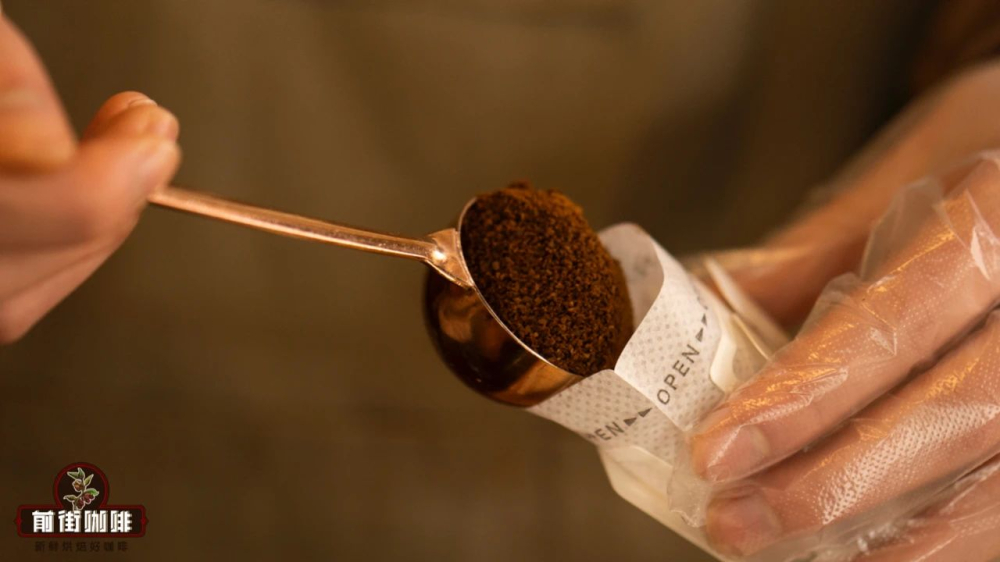
By the 2-month mark, the drip bags without a preservative showed significant deterioration—not only had the floral notes completely disappeared, but the main flavors were also greatly weakened, with a sharp acidity in the taste, clearly exceeding the suitable drinking period. In comparison, the drip bags with a preservative maintained stable performance, with flavors close to their original state.
At 4 months, the drip bags without a preservative had completely lost their original flavor—not only was the sour and astringent taste obvious, but the aroma had also vanished entirely, making them highly unsuitable for consumption. On the other hand, the drip bags with a preservative, although their floral notes were slightly weaker, still retained a fairly high level of main flavors overall and could still be considered within an acceptable optimal consumption range.
Additionally, the experiment set aside two more drip bags under the same conditions and stored them for as long as 9 months. The results of brewing them were startling—unbearably sour and astringent. This is also an extreme case that the experiment team strongly advises readers not to try.
From the overall experiment, we can conclude that without a freshness preservative, the optimal consumption period of drip coffee is almost similar to that of the beans themselves, or even shorter. It is generally recommended to finish consuming them within 1 month to ensure flavor performance. If the coffee bags do not contain additional freshness-preserving ingredients, even if unopened, long-term storage is not recommended.
Many store-made drip coffees on the market do not include a freshness preservative. Consumers should pay special attention to the expiration dates when purchasing. It is advised to consume them as soon as possible after opening. If stockpiling is necessary, prioritize products that have undergone preservation technology treatments to ensure the best flavor in every brew.
The above content is compiled by CoffeeHunters, a coffee news website.


