







Introduction:Due to their convenience, drip bags have become the go-to choice for many when it comes to everyday black coffee. However, if you truly want to savor their full depth of flavor and aroma, mastering the correct brewing details is essential. This article starts with the design principles behind drip bags, delving into key parameters that influence flavor—such as coffee-to-water ratio, water temperature control, pouring rhythm, and total extracted liquid volume. It also provides practical advice tailored to coffee beans with different flavor profiles, helping you quickly level up from a beginner and brew a more nuanced cup of drip bag coffee.
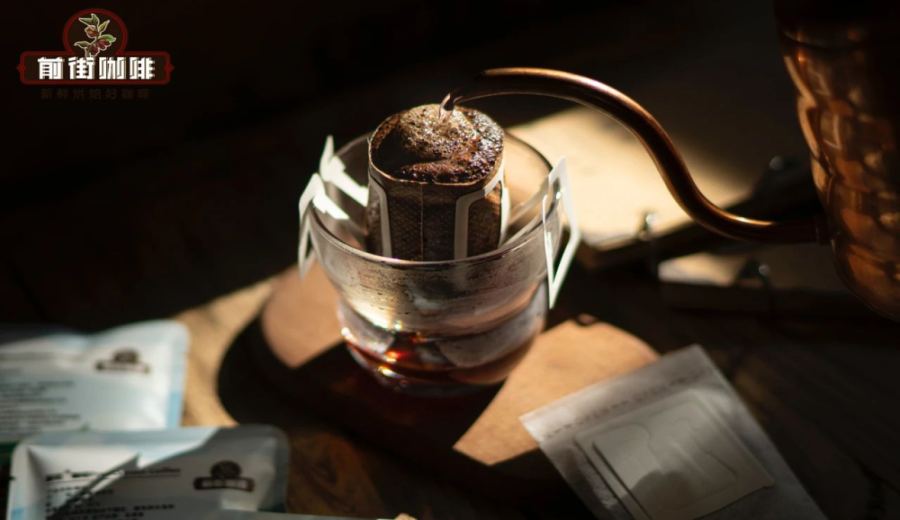
Drip bags combine convenience with the joy of pour over brewing. Without the need for complex equipment, all you need is hot water and a cup to enjoy a freshly brewed black coffee at home, in the office, or even on the go. Their design involves pre-ground coffee packed in a filter pouch, with two paper "ears" on either side. During brewing, these are hung over the edge of the cup, allowing hot water to evenly pass through the coffee grounds and extract captivating flavors.
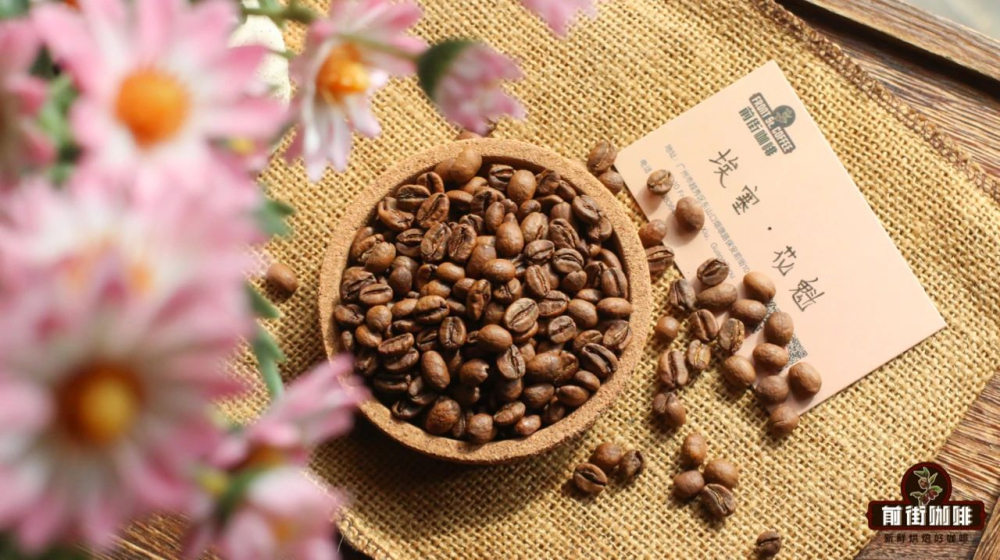
This type of coffee product is not only convenient but also offers a diverse range of flavor options. Taking several popular single-origin drip bags on the market as examples, their beans come from major coffee-growing regions around the world—from bright, fruity profiles typical of Africa to the rich, nutty tones of Southeast Asia, each with unique characteristics. If you prefer fresh fruit and floral notes, you may prioritize beans processed via sun-drying or washed methods. For those who enjoy bold, sweet aftertastes and full-bodied textures, drip bags based on beans from Sumatra Mandheling, Brazilian Cerrado, or Jamaican Blue Mountain are recommended.

To brew a great cup of drip bag coffee, pay attention to the following key elements. First is the coffee-to-water ratio, which is recommended to be within the range of 1:15 to 1:16—that is, 10 grams of coffee grounds to 140 to 150 milliliters of hot water. This ratio balances strength and flavor expression. Second is water temperature, with approximately 90°C being optimal. If you don’t have a temperature-controlled kettle, you can let boiled water sit with the lid slightly open for 2–3 minutes after turning off the heat, allowing it to naturally cool to the desired range.
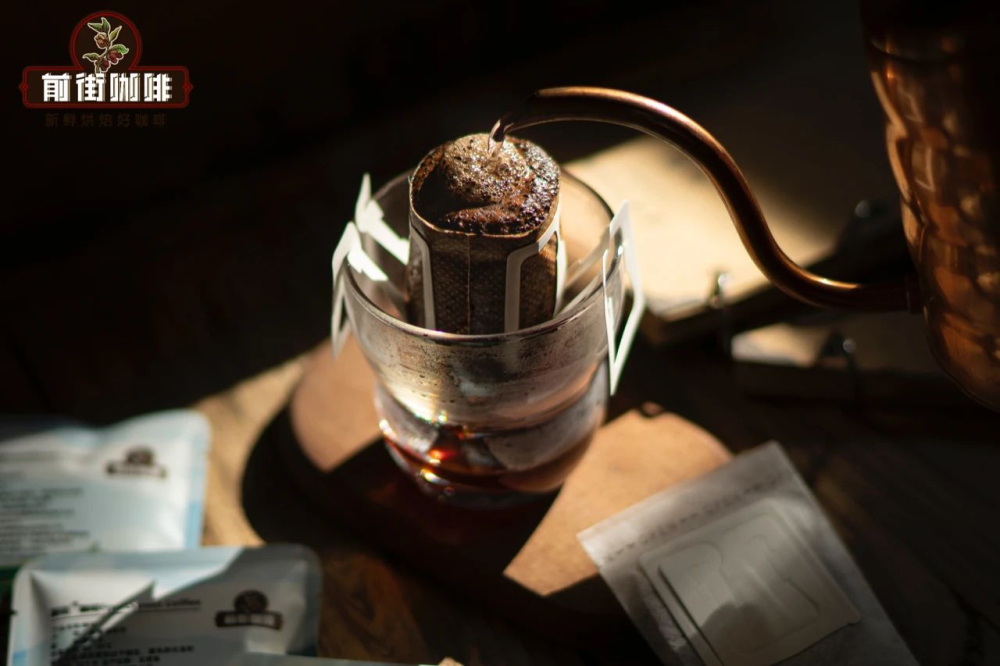
In practice, you can start by preheating the cup with hot water to help maintain temperature stability during brewing. Next, tear open the drip bag’s sealed opening, unfold the two “ears,” and securely hang them over the rim of the cup. Gently shake the contents to level the coffee grounds inside, ensuring even contact with hot water during subsequent pouring. The first step is pre-wetting, also known as blooming—simply pour enough water to saturate all the coffee grounds, then let it sit for about 30 seconds. This helps release the coffee’s aroma and improves overall extraction efficiency.
After blooming, you can begin the main extraction phase. It’s recommended to pour water in small streams in a circular motion, allowing the coffee bed to absorb water evenly and settle slightly before continuing to pour until the target liquid volume is reached. You may use a pulse pouring method, gradually adding water while observing changes in the coffee bed until the total extracted liquid volume reaches 140 to 150 milliliters. Then, remove the drip bag to complete the brew. For more precise water control, you can also pre-measure 150 to 160 milliliters of hot water in the kettle and pour it all in one go. Once the coffee has completely dripped through, remove the drip bag. The entire process can be completed in about 1 minute.
It’s important to note that since drip bag coffee uses pre-ground coffee, its aroma and flavor compounds are more prone to dissipating over time compared to whole beans. Therefore, it’s recommended to brew the coffee soon after opening the package to fully experience its original layers and nuances. With these details mastered, even simple drip bag coffee can deliver a rich flavor profile that rivals that of pour over brewing.
The above content is compiled by CoffeeHunters, a coffee news website.


