







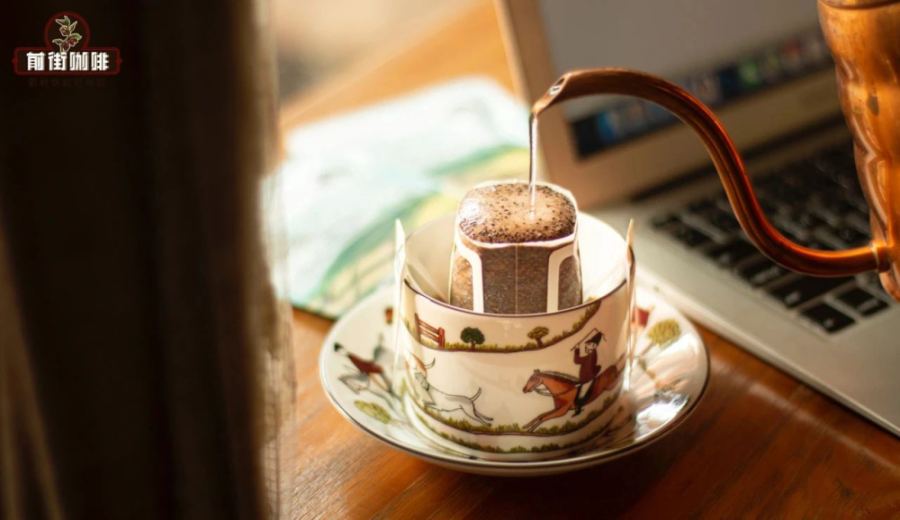
Introduction:Drip bags combine the flavor of pour over with the convenience of instant brewing, making them a daily choice for many coffee lovers. But do you know about their design evolution? What are the key differences compared to instant coffee? This article details the origins and technological advancements of drip bags, compares their fundamental differences with instant coffee, and recommends several beginner-friendly premium Arabica drip bag sets to help you make more informed choices in both flavor and selection.
Thanks to their portability and pour over-like brewing experience, drip bags are increasingly favored by coffee enthusiasts. However, this seemingly simple brewing method has undergone years of design refinement to become the familiar product we know today. Additionally, many people still have only a vague understanding of the differences between drip bags and instant coffee. This article will delve into the history and technical development of drip bags, compare their key distinctions from instant coffee, and provide a practical beginner's guide to premium Arabica drip bags, helping newcomers easily find their preferred flavors.
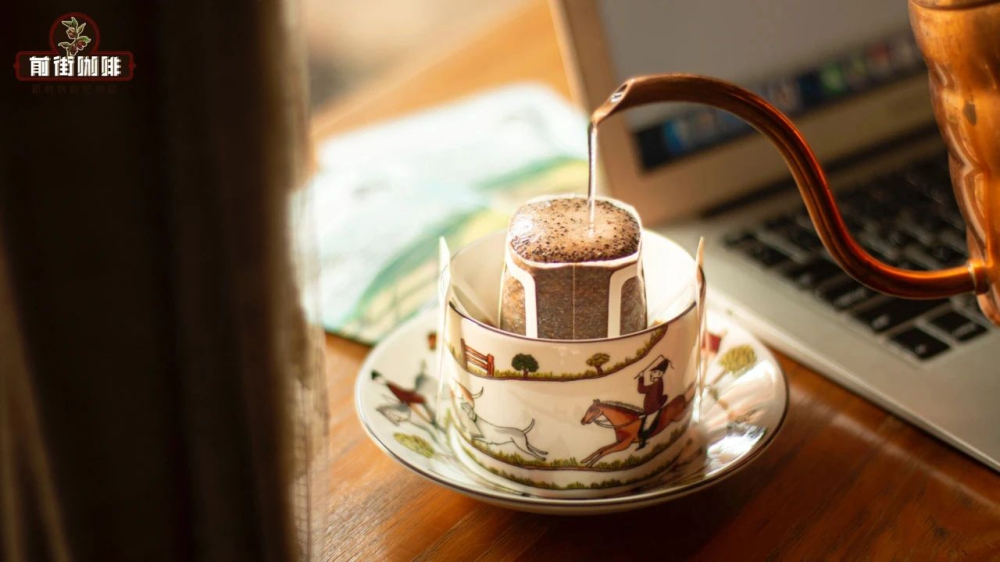
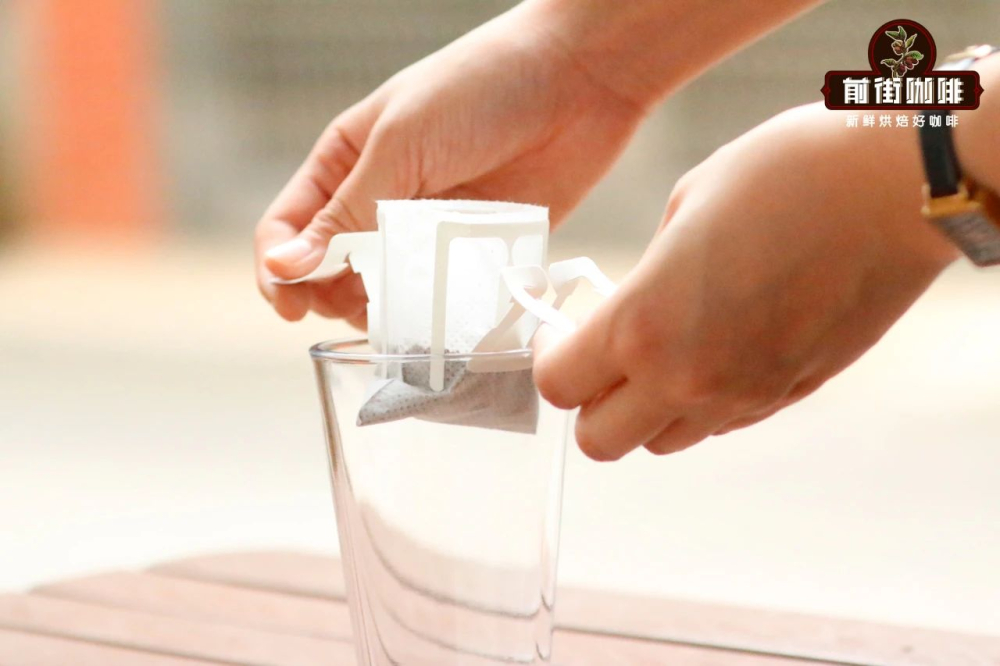
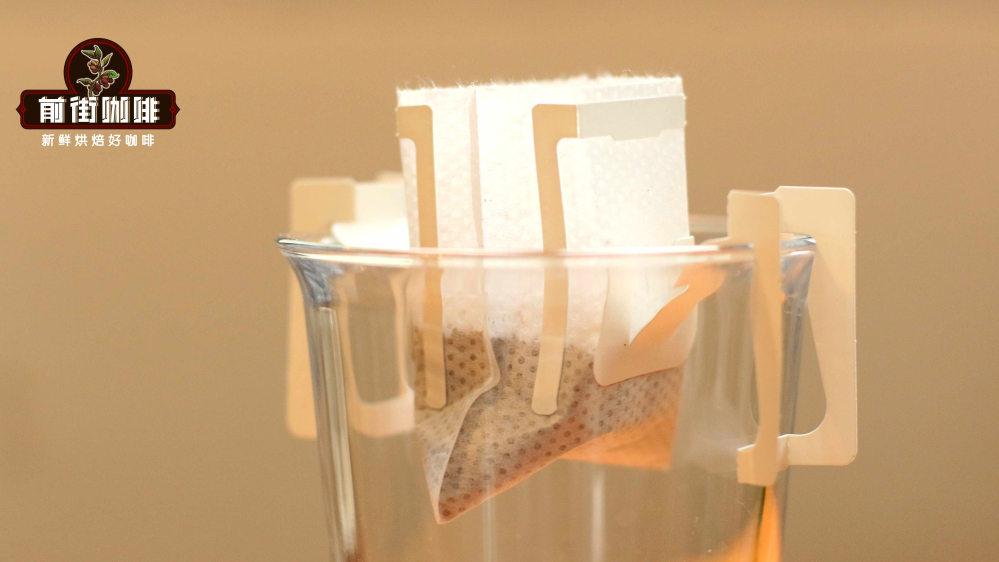
So-called drip bags are a type of ready-to-brew coffee packaging that comes with a filter pouch and two "ear"-shaped paper panels on either side. These "ears" are designed to securely hang the filter pouch on the rim of a cup, allowing hot water to evenly saturate the coffee grounds and extract rich aromas and flavors. Once brewing is complete, simply remove the filter pouch—no additional cleanup is needed. It’s perfect for enjoying a cup of coffee with pour over-like quality quickly and conveniently in daily life.
The concept of drip bags can be traced back to Japan in the 1990s. In 1990, Yamakan Industry Co., Ltd. was the first to launch a single-ear coffee filter pack and applied for a patent, though the design at the time featured only one ear. By 1996, Daki Shoji Co., Ltd. further improved the design by moving the ear to the bottom edge of the filter pouch, but it remained a single-ear configuration. It wasn’t until 1999 that Daki Shoji applied for a patent with the European Patent Office for a design featuring two ears on either side. This design allowed the filter pouch to be more stably fixed to the cup rim and ensured the brewing opening fully opened, significantly improving brewing stability and convenience. It also established the basic form of the mainstream drip bags we see today.
In 2001, drip bags were officially launched and patented, quickly gaining widespread popularity in the market. Thanks to their simple operation, portability, and the fact that the brewed coffee offers a far more natural and mellow flavor compared to traditional instant coffee, they soon captured a significant share of the Japanese coffee market—estimated at around 15% of total coffee consumption. This trend gradually spread globally, becoming an ideal choice for those seeking quality coffee in modern, busy lifestyles.
Among the many brands, some producers began creating drip bags with specialty coffee beans even when the market was still dominated by commercial-grade beans, offering consumers the chance to taste single-origin flavors. For example, certain brands offer drip bags made with high-quality Arabica coffee beans roasted within five days of production, ensuring vibrant flavors and allowing drinkers to experience the unique characteristics of different origins with each brew. Additionally, fast delivery services ensure that customers receive the coffee at its optimal freshness.
However, the wide variety of drip bags on the market often leaves beginners unsure where to start. Below are several beginner-friendly premium Arabica drip coffees, each with distinct and appealing flavor profiles:
1. Yunnan Peaberry Drip Bag Coffee
Roast Level: Medium
Flavor Profile:Pronounced fruity aromas, with notes of melon and brown sugar sweetness, along with a hint of plum acidity. The finish delivers a tea-like richness, making it ideal for those who prefer balanced flavors.
2. Brazilian Cerrado Red Bourbon Drip Bag
Roast Level: Medium
Flavor Profile:Overall balanced profile, with dominant notes of nuts, chocolate, cream, peanuts, and caramel. The aroma is mild and smooth, suiting those who enjoy nutty flavors.
3. Washed Yirgacheffe Drip Bag Coffee
Roast Level: Medium-Light
Flavor Profile:Features bright tropical fruit notes such as strawberry and berries, paired with a soft, creamy mouthfeel. Ideal for those who enjoy fresh and fruity profiles.
4. Indonesian Mandheling Drip Bag Coffee
Roast Level: Medium-Dark
Flavor Profile:Due to extended roasting time, it shows almost no noticeable acidity, instead highlighting layers of spice, dark chocolate, pine, and nuts. The body is full, with a balanced bitterness and sweetness, and a long-lasting aftertaste.
When it comes to drip bags, many also wonder how they differ from instant coffee. In truth, the two vary significantly in both processing and ingredients:
Instant Coffeeis a highly processed instant beverage, typically made by extracting and concentrating coffee liquid, then spray-drying or freeze-drying it. The process may involve additives like emulsifiers and stabilizers to ensure the powder dissolves quickly in water. However, the flavor is often bland and lacks the natural complexity of coffee.
Drip Bag Coffeeinvolves directly packing freshly ground coffee into a non-woven filter pouch, paired with a patented ear-designed structure. To brew, simply hang the pouch on the cup rim and pour in hot water. This method preserves the original aroma and flavor of the coffee beans without any artificial additives, making it a more natural and pour over-like brewing option. While both are convenient and easy to brew, drip bags clearly offer superior advantages in terms of flavor and healthiness.
The above content is compiled by CoffeeHunters, a coffee news website.


