







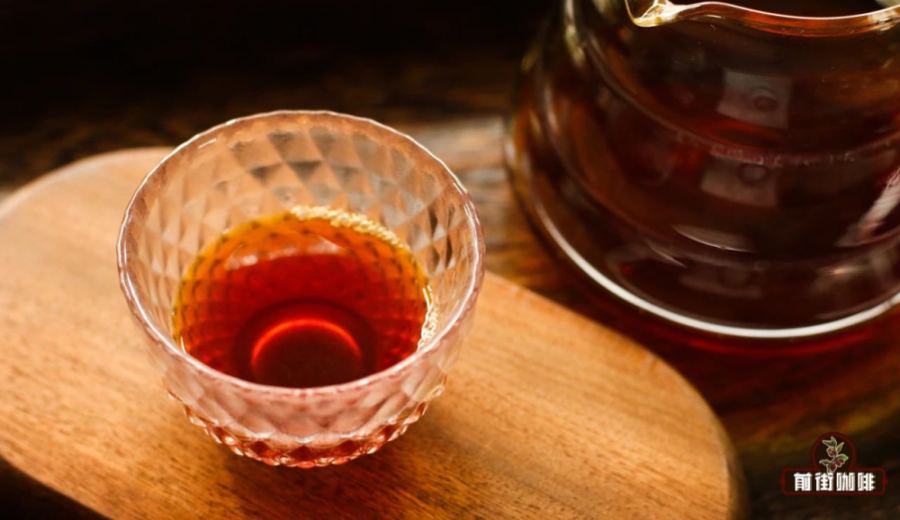
Introduction:Did you know that the name "Geisha" coffee actually originates from a mountain in Ethiopia? How did this once-obscure coffee variety rise to fame at Panama’s Hacienda Esmeralda and become a representative of the world’s top specialty coffees? This article will delve into the historical origins, varietal characteristics, regional differences of Geisha, and provide professional pour over recommendations and flavor analysis, helping you master the charm of this legendary coffee from beginner to expert.
Geisha Coffee — You may have heard it referred to as Geisha or Gesha, but did you know that this name has nothing to do with Japanese geisha? This star of the specialty coffee world was first discovered near the Geisha Mountain (Geisha Mountain) in the Kaffa Forest in southwestern Ethiopia, dating back to 1931. Initially, it was collected as one of the varieties for disease resistance research, and later made its way to Kenya, Uganda, Tanzania, and even the CATIE Agricultural Research Center in Costa Rica, where it was cataloged as T2722. But it wasn’t until it shined brilliantly at Panama’s Hacienda Esmeralda that it truly came into the spotlight.
The Origin and Misconception of the Name “Geisha”
Geisha sounds similar to the Japanese word for “geisha,” which led some to initially translate this coffee as “Geisha Coffee” in the early days — but that is purely coincidental. In fact, Geisha (Geisha/Gesha) originally refers to the mountain in Ethiopia where it was first discovered. Later, to avoid consumers misunderstanding any association between this coffee and Japanese culture, the industry gradually standardized its name as “Geisha,” a translation that is closer to the original pronunciation and also more aesthetically pleasing. Today, Geisha has become the pinnacle of coffee lovers’ hearts — not only because of its rarity, but also due to its unique floral and fruity flavor profile.
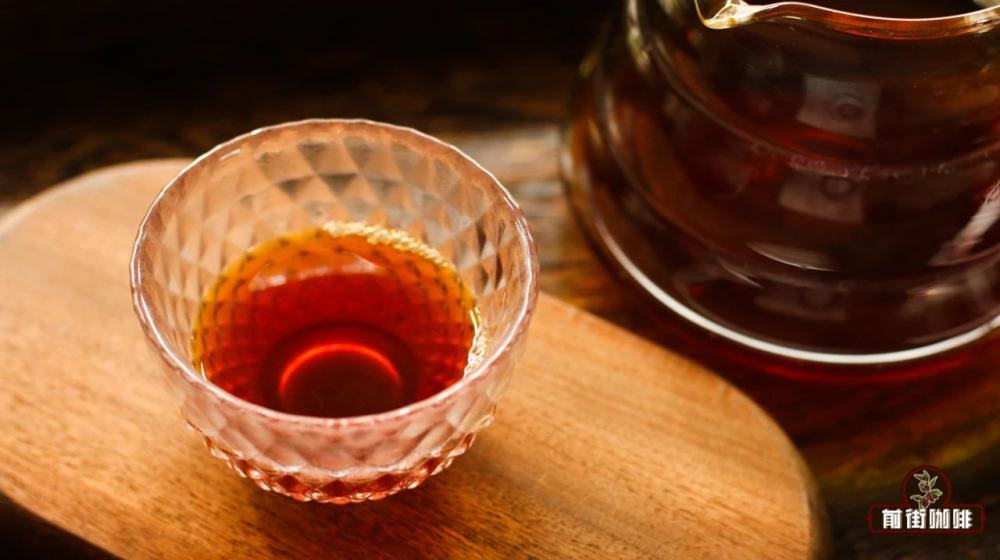
From Obscurity to BOP Competition Champion
Geisha truly became known to the world in 2003 at the Best of Panama (BOP) competition. At that time, Daniel Peterson and Rachel Peterson, siblings at Hacienda Esmeralda, discovered on their high-altitude Jaramillo farm that the Geisha variety had strong resistance to leaf rust and performed exceptionally well in high-altitude environments. They separated Geisha from other varieties and planted it independently, and were pleasantly surprised during cupping just two weeks before the competition to find that this coffee possessed complex and captivating flavors such as jasmine, citrus, peach, blueberry, and bergamot. Ultimately, Geisha won the BOP competition outright, and from then on, its fame skyrocketed.
In 2005, Hacienda Esmeralda sent Geisha to compete in the U.S. Specialty Coffee Association (SCAA), where it received high praise again, and went on to win the championship in both 2006 and 2007, solidifying its status as the “king of coffee.” Today, although Geisha has been introduced in many regions including Taiwan, it is generally agreed that Geisha from Panama’s Boquete region best showcases its classic flavor profile.
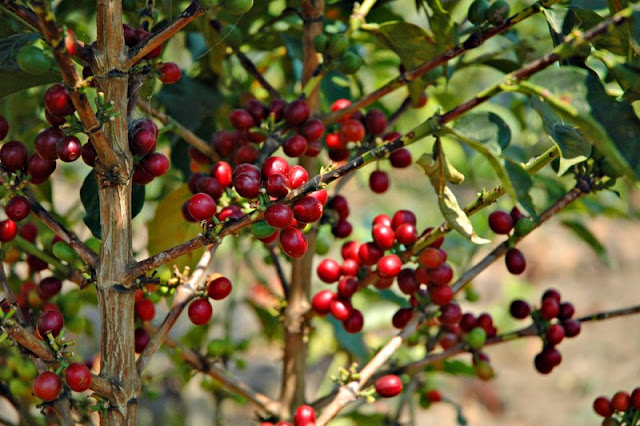
Boquete, Panama: The Birthplace of Geisha’s Flavor
Boquete, Panama, located in the Chiriquí Province on the eastern side of the Barú Volcano, sits at an altitude of about 1,000 to 2,000 meters. The area enjoys a cool climate with significant day-night temperature variations, coupled with the convergence of warm, moist Pacific air currents and cold currents from the Atlantic, creating a unique microclimate. With seven different microclimate zones, year-round fog, and abundant rainfall, it provides an ideal environment for growing Geisha coffee.
Geisha at Hacienda Esmeralda is primarily grown in three main plots: Jaramillo, Cañas Verdes, and El Velo. Each area has slightly different altitudes, soils, and microclimates, so even within the same variety, subtle flavor variations can emerge. Among them, Geisha grown at higher altitudes, due to longer growth cycles, often exhibits more complex acidity and aroma profiles.
Processing Methods and Roasting Recommendations for Geisha
Geisha coffee is typically processed using either washed or natural (sun-dried) methods. Washed processing highlights regional characteristics, resulting in a clean, bright cup with clear acidity — ideal for those who enjoy layered and distinct flavors. Natural processing, on the other hand, yields a sweeter cup with intense fruitiness and a rich mouthfeel, featuring prominent tropical fruit and caramel notes. Generally, professional roasters tend to choose washed Geisha to more accurately present origin-specific traits and delicate acidity.
When it comes to roasting,it is recommended to use a medium-light roast. This roast level not only preserves the bean’s high density and nuanced flavors, but also enhances livelier acidity, making it well-suited for pour over to highlight subtle details.
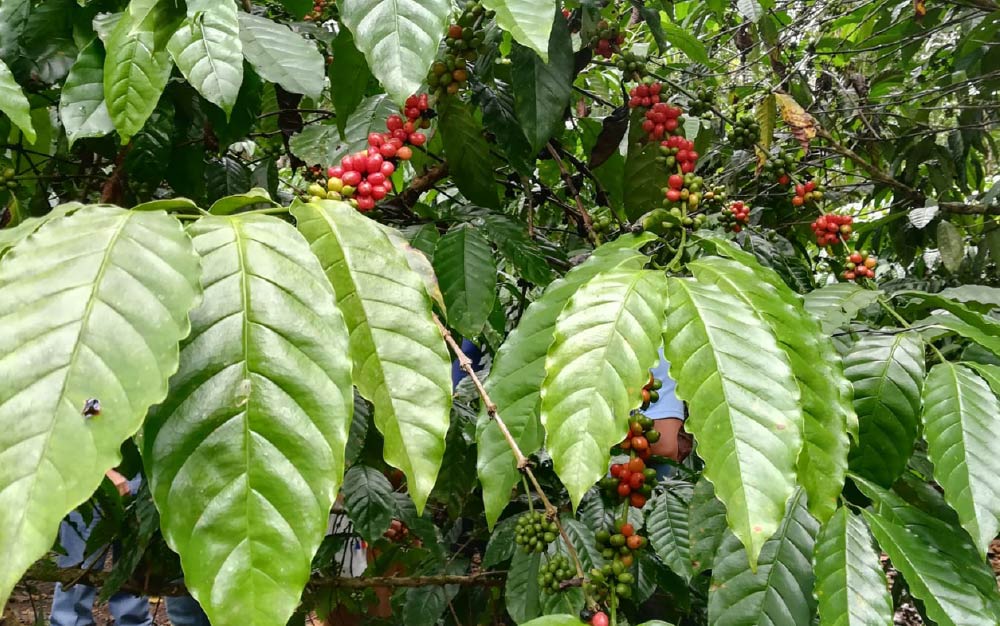
Professional Pour Over Recommendations and Parameters
To fully experience the complex flavors of Geisha, pour over is the brewing method that best showcases its intricacies. It is recommended to use a V60 dripper — its 60-degree spiral ribs help control water flow and extract a balanced flavor. Suggested parameters are as follows:
- Dripper: V60
- Water Temperature: 91–92°C
- Coffee Dose: 15 grams
- Coffee-to-Water Ratio: 1:15
- Grind Size: Fine sugar-like (approximately 80% through a #20 sieve)
During brewing, you can use a pulse pouring technique to control extraction time and flow rate, fully releasing Geisha’s floral notes, citrus acidity, and the honey-like sweetness in the aftertaste. Upon tasting, you’ll notice pronounced citrus, lemon, and bergamot acidity, mid-palate flavors of peach and blueberry, and a finish that transitions into soft green tea and honey sweetness — the overall profile is layered and has a long, lingering aftertaste.
Additionally,it is recommended to use the coffee beans within 5 days post-roast, with the optimal flavor window being around 4–7 days of rest. If purchasing pre-ground coffee, it is advised to brew immediately to avoid oxidation affecting flavor. For those seeking the ultimate flavor experience, consider buying whole beans, grinding fresh, and brewing right away to enjoy the most authentic charm of Geisha.
The above content is compiled by CoffeeHunters, a coffee news website.


