








Introduction:The Geisha variety originates from Ethiopia, not Panama. This in-depth exploration focuses on the “Gold Label Geisha” from the Oma plot of Gesha Village Estate, a Geisha 1931 variety that undergoes meticulous natural processing, delivering complex and captivating tropical fruit, honey sweetness, and jasmine notes. This article covers everything from the estate background, growing altitude, and variety origin to processing methods, roasting, and pour over recommendations, helping you fully grasp the brewing and tasting essentials of this top-tier African Geisha.
When it comes to Geisha, many immediately think of the high-altitude mist and auction-level flavors of Panama. However, this variety, hailed as one of the finest in coffee, was originally discovered in Ethiopia’s ancient coffee forests. What we’re introducing today is a Gold Label Geisha from Gesha Village Coffee Estate in Ethiopia’s Bench Maji region, sourced from the estate’s iconic Oma plot. It is of the Geisha 1931 variety and is processed using meticulous natural methods to deliver intense fruity aromas and honeyed sweetness.
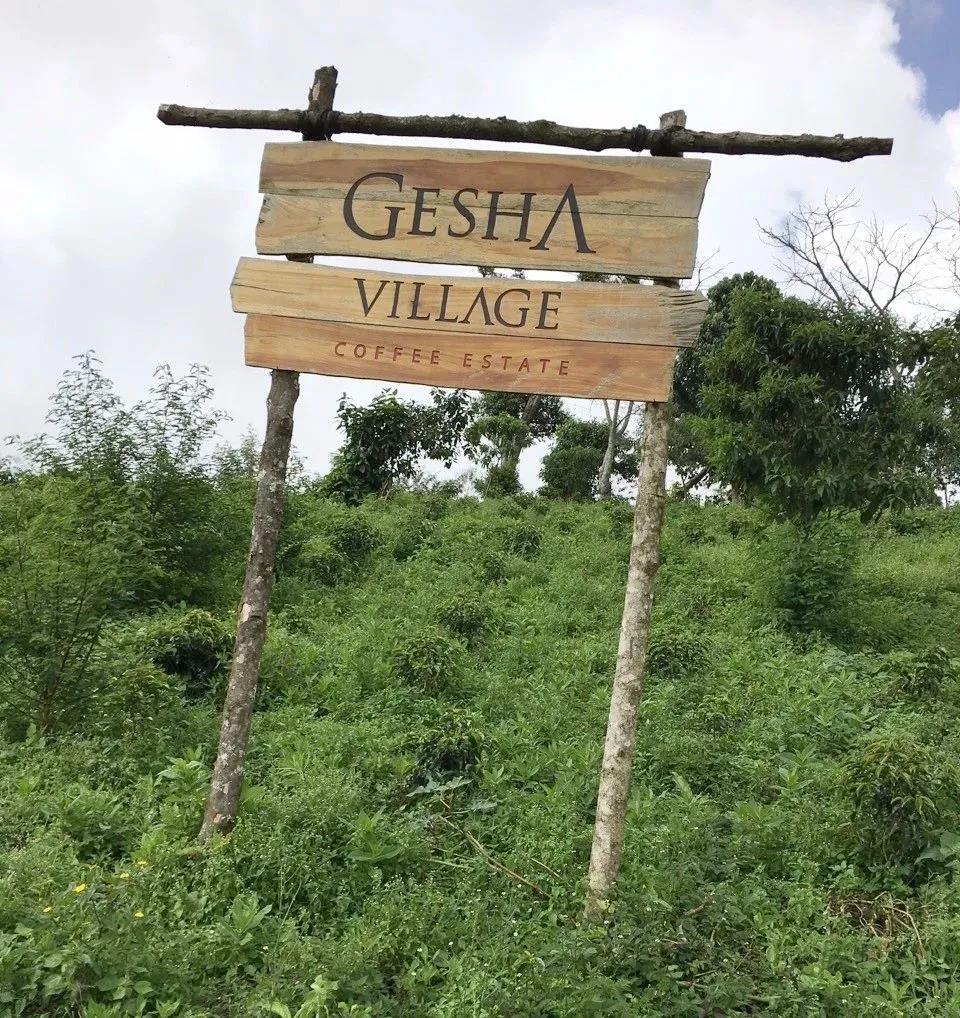 The founding of Gesha Village itself is steeped in legend. In 2007, documentary filmmaker Adam Overton and his wife, photographer Rachel Samuel, were shooting a coffee-themed documentary in southern Ethiopia when they visited the Gera coffee forest, sparking the idea of creating their own coffee brand. In 2009, following advice from a Best of Panama judge and renowned mule estate owner Willem Boot, they decided to return to Ethiopia to trace the roots of the Geisha variety. Eventually, they discovered wild Geisha plants in the Gori Gesha forest in the Bench Maji region — the site where scientists first documented the Geisha variety — and established the present-day Gesha Village Estate using these as the source variety.
 Covering an area of 475 hectares, with altitudes ranging between 1900 and 2040 meters, Gesha Village is unlike typical smallholder Ethiopian farms. It is a rare large-scale farm solely dedicated to cultivating the Geisha variety and has its own washed processing facility and cupping lab. The estate primarily offers three Geisha varieties: Gesha1931, Gori Gesha, and Illubabor, with Gesha1931 considered the closest to the Panamanian Geisha parent variety.
Gesha Village Estate is divided into eight distinct plots, each with unique flavor profiles shaped by differences in microclimate, soil, and altitude. For example, the Bangi plot has a calm character with honeysuckle and dark chocolate notes; Dimma excels with bright citrus and stone fruit aromas; the Gaylee plot showcases unique sweet notes of hibiscus and lemongrass. Our focus, the Oma plot, spans 67.6 hectares at an altitude of 1931–2040 meters and is named after a local religious leader. The Geisha 1931 grown here, processed naturally, yields a rich array of tropical fruit aromas such as redcurrant, jasmine, peach, apricot, and cantaloupe, with a sweet honey-like finish that lingers.
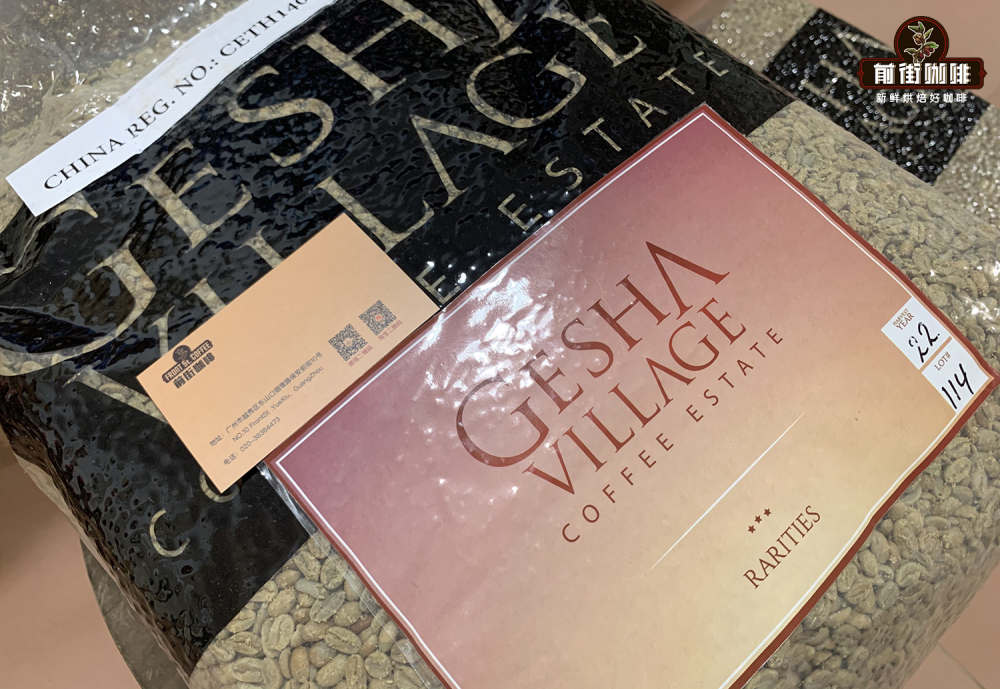
Gesha Village categorizes its product line into four tiers, reflecting varying levels of flavor complexity and rarity. Among them, RARITIES, also known as the Gold Label (previously called “Rare Lot”), accounts for only 10% of annual production, comparable to auction-grade Geisha, making it the preferred choice for professional competition brewers and high-end roasters. This Gold Label Geisha comes from the Oma plot and is processed via meticulous natural methods, resulting in more concentrated sweetness and richer flavor layers. During the drying process, the farm first removes floaters and impurities, then spreads the coffee cherries evenly on raised African beds in thin layers, using shade cloths to control temperature and humidity. The cherries are regularly turned and defective beans removed throughout the approximately 18–30 day drying period, producing a unique flavor profile with intense fruitiness and bold sweetness.
 In terms of roasting, industry professionals aim for a medium-light roast to highlight the bright acidity and floral-fruity sweetness of this Gold Label Geisha. As it is from the 2020 new crop, the green beans have a relatively high moisture content, so the initial drying phase needs to be extended. The final roast level is controlled to a medium-light degree close to City, enhancing fruit character and aroma expression. For actual roasting, it is recommended to use a Yangjia 800N roaster, with a charge of 500g, an inlet temperature of 175°C, and an initial damper setting of 3. Adjust heat and airflow gradually based on bean surface changes. After first crack begins (around 9’55”), allow for an additional minute and a half of development, then drop the batch at 193.5°C to preserve maximum aromatic compounds and sugar conversion products.
For cupping and pour over recommendations, use 15 grams of coffee grounds with a 1:15 coffee-to-water ratio. The grind size is approximately 78% through a #20 sieve, equivalent to a medium-fine pour over grind. Water temperature should be controlled at 90°C. The recommended brewing steps are as follows: start with a small amount of hot water (about 30 grams) for a 30-second bloom to allow the coffee grounds to fully expand. Then pour in a slow circular motion until reaching 125 grams for the first pour, wait for the water level to drop, and continue pouring up to 225 grams before stopping. Total brew time is around 2 minutes. Under these parameters, the Geisha’s jasmine floral notes, peach-apricot sweetness, and soft honeyed and candied finish are clearly expressed, alongside bright citrus acidity and layered tropical fruit complexity.
In summary, this Gold Label Geisha from the Oma plot of Ethiopia’s Gesha Village Estate not only inherits the inherent delicacy and complexity of the Geisha variety but also, through meticulous natural processing and rigorous field management, condenses the sunshine and terroir of Africa’s highlands into a premium pour over experience full of floral, fruity, and honeyed sweetness. For coffee enthusiasts eager to explore the original character of Geisha or seeking a coffee with high flavor complexity, this Gold Label Geisha is undoubtedly a classic worth savoring and studying in depth.
The above content is compiled by CoffeeHunters, a coffee news website.


