







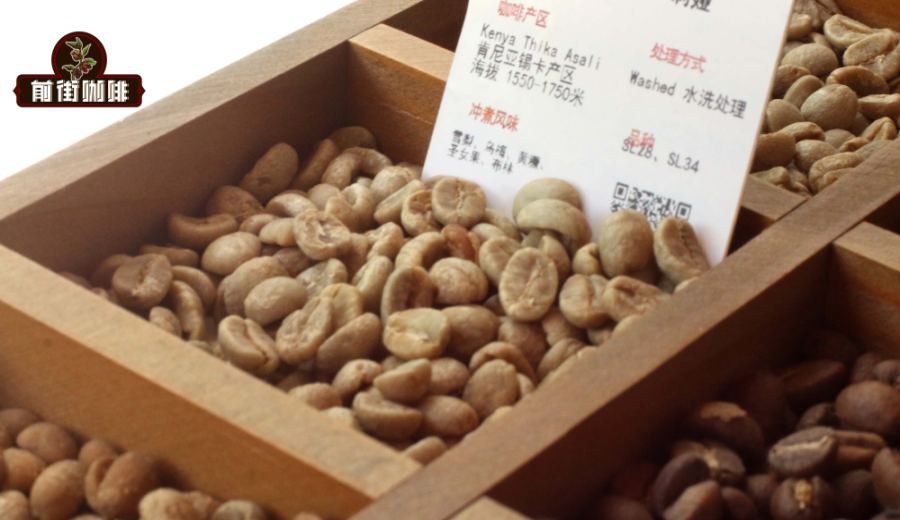
Introduction:Kenya’s double-washed coffee is renowned for its high acidity and richly balanced body, making it a key choice for coffee enthusiasts exploring African flavor profiles. This article delves into the complete production process of double washing—from density sorting and double fermentation to sun drying—and analyzes how each step shapes its unique characteristics. Featuring a representative medium-light roasted Kenyan bean, it takes you on a sensory journey through the interplay of cherry tomato, berry, and caramel notes.
The washed processing method is known for its clean and bright flavor profile, but Kenya’s signature double-washed technique adds an extra round of fermentation and washing to the traditional process. This enhances the coffee’s acidity, making it brighter and livelier, while also enriching its body. To understand the details and flavor changes behind this technique, this article breaks down the entire process step by step and recommends a representative Kenyan bean variety worth trying.
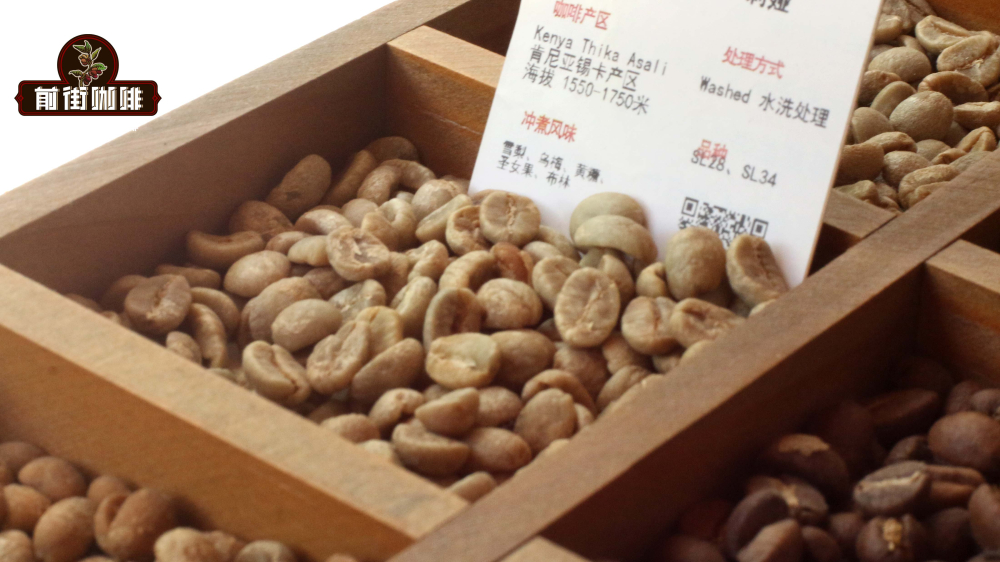
The charm of double-washed coffee lies in its two rounds of meticulous washing and fermentation, which not only effectively remove impurities and undesirable flavors, but also amplify the natural sugars and acidity released from the mucilage layer. The final cup presents a clearer, more layered taste and aroma. This processing method is especially ideal for brewers who favor bright acidity and fruity profiles.
Below, we’ll start with the first stage—density sorting and initial fermentation—and gradually explain the key points and impacts of each step.
After coffee cherries are harvested, the first step iswater density sorting. This step uses the natural density differences of the cherries to automatically separate unripe, overripe, and defective fruits through water flow. Higher-density, well-ripened cherries sink to the bottom due to their greater weight, while lower-quality ones float and are removed. This ensures that every cherry entering the subsequent processing stages has good fermentation potential.
Next, the selected high-quality cherries are depulped to remove the outer skin and then placed in water forfirst fermentation. During this phase, the natural sugars and alcohols in the mucilage break down in an anaerobic environment over approximately 24 hours. Within this time, around 80–90% of the mucilage is naturally decomposed, releasing compounds that significantly contribute to the coffee’s acidity and sweetness. After fermentation, most of the mucilage on the beans’ surface is cleared, leaving only the core components that shape the final flavor.
This is followed by the second round ofwashing and fermentation. This fermentation period is slightly shorter, typically between 12 to 24 hours, aiming to further adjust the acidity structure while increasing the levels of proteins and amino acids. This results in a more refined and nuanced acidity. Some processing facilities adjust this duration based on local climate and bean characteristics to achieve the ideal fermentation balance.
After the second fermentation, all residual mucilage is thoroughly removed to ensure it doesn’t affect subsequent drying and storage. By this stage, the coffee beans have already begun to show the early outlines of their future flavor profile, but still need to go through the drying process to stabilize their quality.
The final step issun drying, which is crucial for ensuring even drying and preserving the coffee’s flavors. During drying, the beans are evenly spread out on raised beds or African beds and turned regularly to prevent mold or over-roasting. Depending on weather conditions, this process usually takes about 5 to 10 days until the moisture content drops to a safe level of around 11%. A stable drying environment preserves the fruitiness and acidity brought by fermentation while avoiding the development of defective flavors.
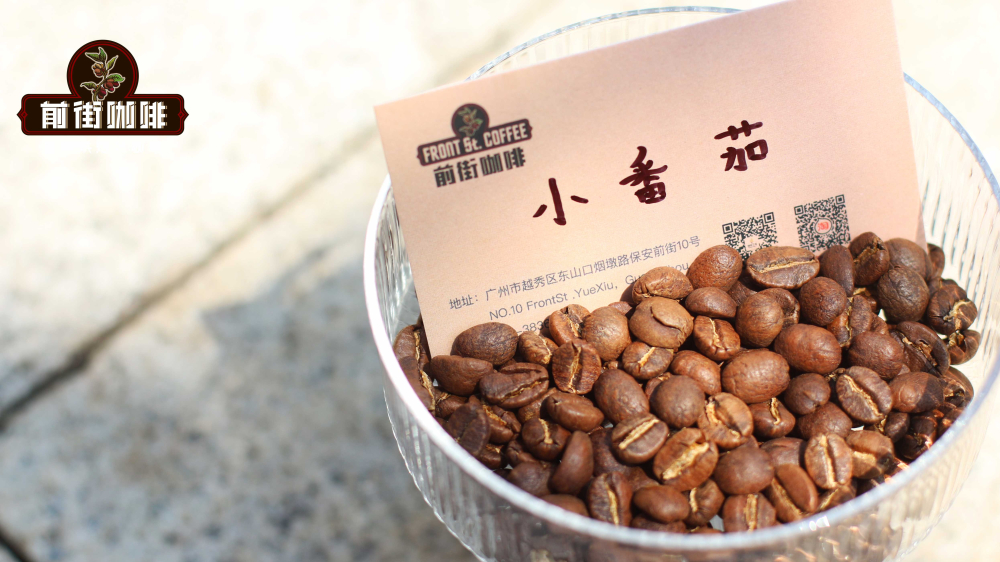
Combined, these steps allow Kenya’s double-washed coffee to exhibit a unique personality that balances bright acidity, solid body, and complex aftertaste. Among them, a representative medium-light roasted bean—often referred to as the “Kenyan cherry tomato”—is a classic example of this processing method.
Roasted to a medium-light level, this bean retains abundant floral and fruity notes. Upon tasting, one can experience an acidic-sweet juice blend reminiscent of cherry tomatoes, pears, plums, and various berries, with a gentle caramel aftertaste. The overall aroma is layered and distinct, making it an excellent entry point for exploring Kenya’s washed coffee flavors.
The above content is compiled by CoffeeHunters, a coffee news website.


