







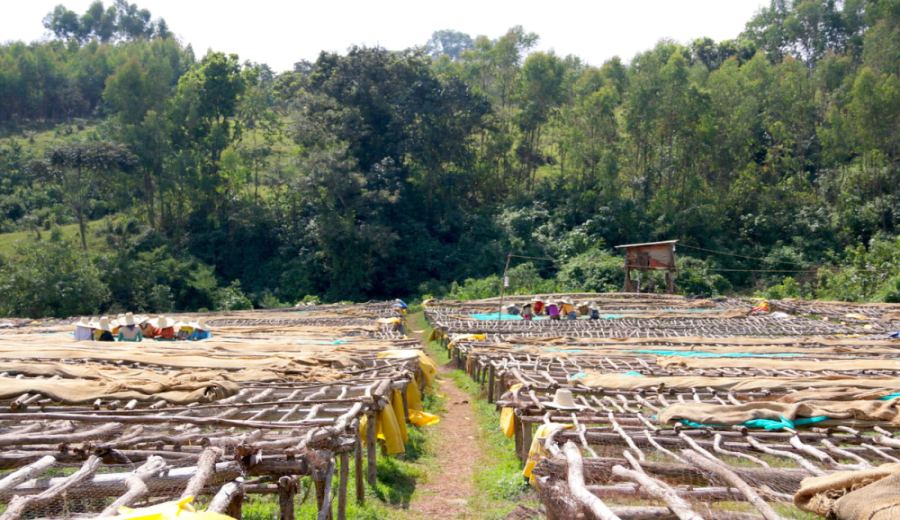
Introduction:Yirgacheffe and Sidamo are both renowned coffee-growing regions in Ethiopia, but Yirgacheffe has long been at the forefront of specialty coffee, thanks to its distinctive floral and citrus notes. This article delves into the differences between these two major regions, with a special focus on washed and natural G1 grade processing methods. From green bean grading and processing techniques to actual flavor profiles, we’ll guide you through the bright acidity and sweet balance that make Yirgacheffe so captivating, offering practical advice for selecting beans or trying your hand at pour over brewing.
Although Yirgacheffe was originally part of Ethiopia’s Sidamo province, it has distinguished itself in the coffee market with its unique fresh floral-fruity aromas and vibrant high acidity. Eventually, it separated from Sidamo to become a key benchmark region for specialty coffee. The coffee produced in this high-altitude area—especially G1 grade washed and natural processed beans—is especially representative and a top choice for many pour over enthusiasts.
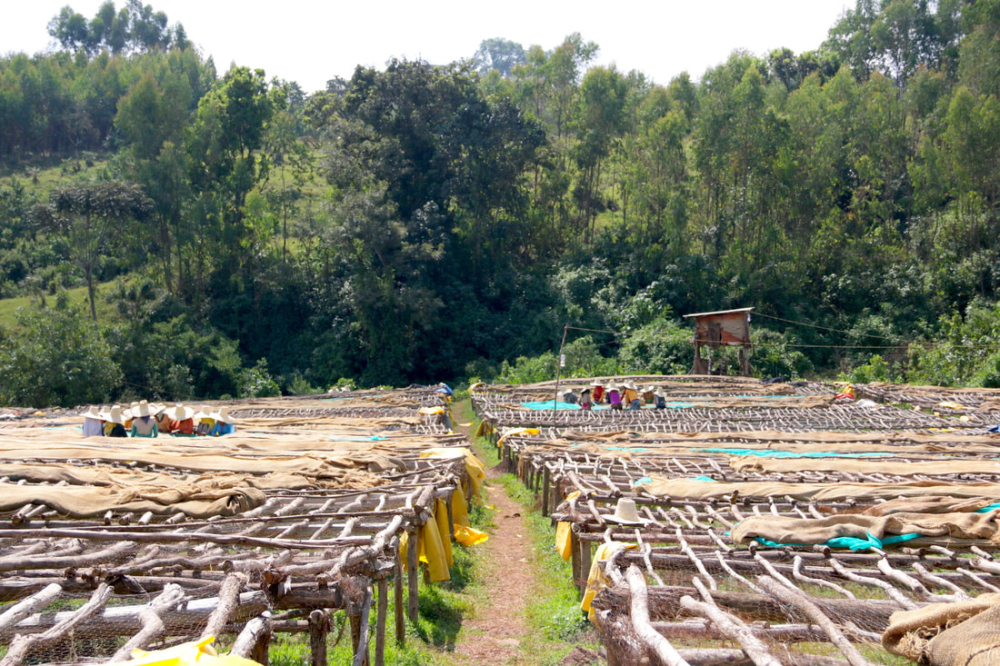
Yirgacheffe was once just a small town on the outskirts of Sidamo province, but the coffee it produces—characterized by an unmistakable white floral aroma, lemony acidity, and citrusy finish—quickly gained high praise in the international specialty coffee market. As a result, it later broke away from Sidamo to become an independent region, and is now one of the symbols of Ethiopia’s specialty coffee. If you haven’t yet experienced this vibrant coffee flavor, take the time to explore what makes it so unique.
In Ethiopia, since most coffee farmers operate on a small, family-run scale, conducting washed processing is not easy. Washed processing requires specialized facilities, large amounts of clean water, as well as fermentation and washing equipment, making the overall cost significantly higher than that of natural processing. For this reason, washed Yirgacheffe is even more precious and is known for its clean and delicate unique character.
In the washed process, coffee cherries first have their skin and pulp removed, then water and fermentation are used to eliminate the sticky mucilage layer adhering to the beans. The fermentation time and water temperature control during this stage are extremely critical, directly impacting the purity of the final flavors. After fermentation, the mucilage-covered beans are thoroughly washed until their surfaces are smooth. At this point, the green beans are still enclosed in their parchment, with moisture content as high as 50%. They must then undergo a lengthy drying process, aiming to stabilize the moisture level around 12%. Typically, sun-drying naturally takes about 1 to 3 weeks. This slow drying not only preserves more nuanced flavors but also highlights distinct floral notes like jasmine, along with citrus, orange, and even lemon-like aromas—classic profiles beloved by many coffee aficionados.
Ethiopia’s coffee bean grading system is primarily based on the number of defective beans, with lower numbers indicating higher quality. Among them, G1 is the highest grade, with a standard of no more than 3 defective beans per 300 grams of green beans. This ensures the purity of the coffee’s flavors and consistency of its aromas. Whether washed or natural, achieving G1 grade means that particular batch of coffee offers exceptional drinking value.
When talking about G1 grade Yirgacheffe, one must mention the classic washed beans from the Gedeo village of Guji Dingding. Guji Dingding is not only one of the historically significant villages in Yirgacheffe town but also the home of core members of the early Worka Cooperative. Local smallholder farmers have accumulated rich experience in coffee cultivation and processing. This washed Guji Dingding G1 is typically processed using a dual traditional washed and sun-dried method, resulting in clear and bright flavors. Common tasting notes include jasmine flower aroma, distinct citrus tones, and a honey-like gentle sweetness. It’s a top choice for many pour over beginners.
If you’re looking to try a different Yirgacheffe flavor profile, the natural processed G1 beans are also worth exploring. A common example is the popular natural Red Cherry, where harvested coffee cherries are directly sun-dried without removing the skin, allowing the sugars and flavor compounds in the fruit pulp to slowly seep into the beans. This ancient processing method usually requires up to 4 weeks of drying time, during which close attention must be paid to weather conditions and the frequency of turning to avoid mold or over-fermentation. Successfully processed natural Yirgacheffe often showcases richer fruit aromas, a fuller body, and a smoother mouthfeel, making it ideal for coffee lovers who enjoy sweet finishes and layered complexity.
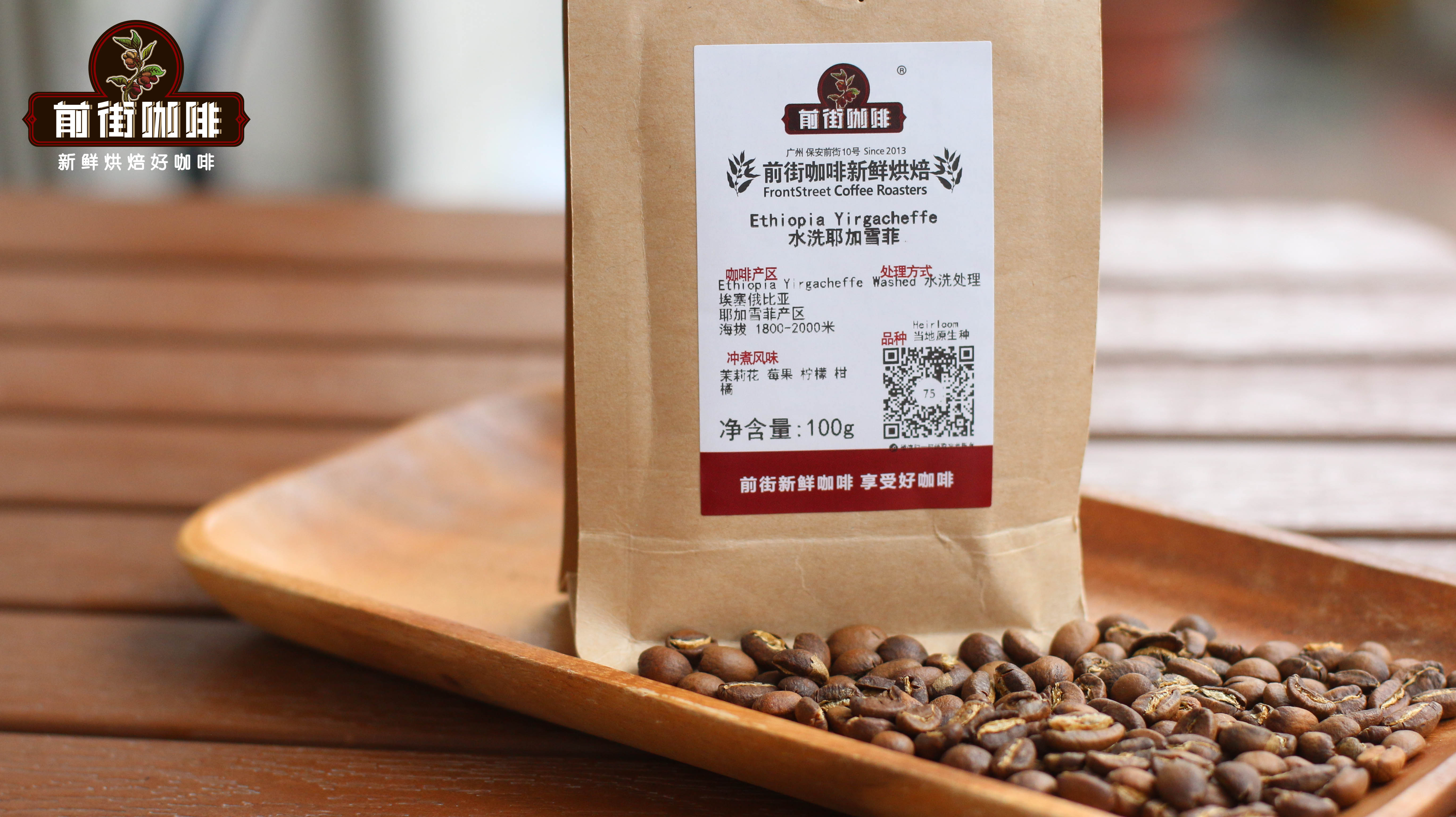
In summary, while Sidamo and Yirgacheffe share a common origin, Yirgacheffe stands out with its unique processing techniques and flavor profiles. Whether you prefer a combination of bright acidity and floral-fruitiness or rich fruit flavors with a full body, G1 grade washed and natural Yirgacheffe both offer distinctly different tasting experiences. If you’re just beginning to explore the world of specialty coffee, these two classics are a great place to start and experience the boundless charm of Ethiopian coffee.
The above content is compiled by CoffeeHunters, a coffee news website.


