







Introduction:Ethiopian coffee is often labeled as the Heirloom variety, yet few truly understand what this term means. This article delves into the origins of this broad designation—exploring its cultivation models, varietal classifications, and green bean grading systems—to uncover why Ethiopian beans vary so much in size and flavor. Through practical blind tastings, we analyze the flavor differences between large and small coffee beans and offer practical brewing references to help you better appreciate the complex flavors of this coffee from its birthplace.
Walk into any specialty coffee shop, and if you see Ethiopian coffee beans, the varietal section will almost always be labeled as Heirloom, sometimes translated as “heirloom variety.” Many coffee enthusiasts can’t help but wonder: what exactly is a heirloom variety? Why is it always used for Ethiopian beans? In reality, using “heirloom” as a blanket term for Ethiopian coffee is common but not precise. This article will take you through a comprehensive understanding of this mysterious varietal label—from definitions and cultivation backgrounds to actual tasting experiences.
The term Heirloom originally refers to ancient crop varieties that were among the first cultivated and utilized by humans. Definitions vary slightly across fields—some consider a variety to be an heirloom only if it’s over 100 years old, while others use 1945 or 1951 as cutoffs, referring to varieties predating the widespread use of hybrids. In the coffee world, this term is broadly used to describe the numerous unclassifiable varieties, especially those in Africa and particularly Ethiopia. With the rise of the specialty coffee movement, buyers faced with a plethora of hard-to-identify bean varieties simply grouped them all under the term “heirloom” for easier classification and marketing.
Interestingly, Ethiopian coffee farmers rarely use internationally recognized botanical names; instead, they name coffee trees based on local terminology or physical characteristics of the plants. In contrast, specialty coffee buyers tend to evaluate coffee based on origin, altitude, and cupping scores, with varietal being a secondary concern.
From a classification standpoint, Ethiopian coffee can generally be divided into two major categories: JARC varieties and regional landrace varieties. The former are cultivated by the Jimma Agricultural Research Center (part of Ethiopia’s Federal Agricultural Research Centers) and focus on disease resistance and high yield, with around 40 varieties currently identified. The latter are naturally occurring varieties found in the wild, potentially numbering over ten thousand, most of which have not been thoroughly classified or named. Therefore, when you buy Ethiopian coffee labeled as heirloom, it’s very likely a blend of these tens of thousands of varieties.
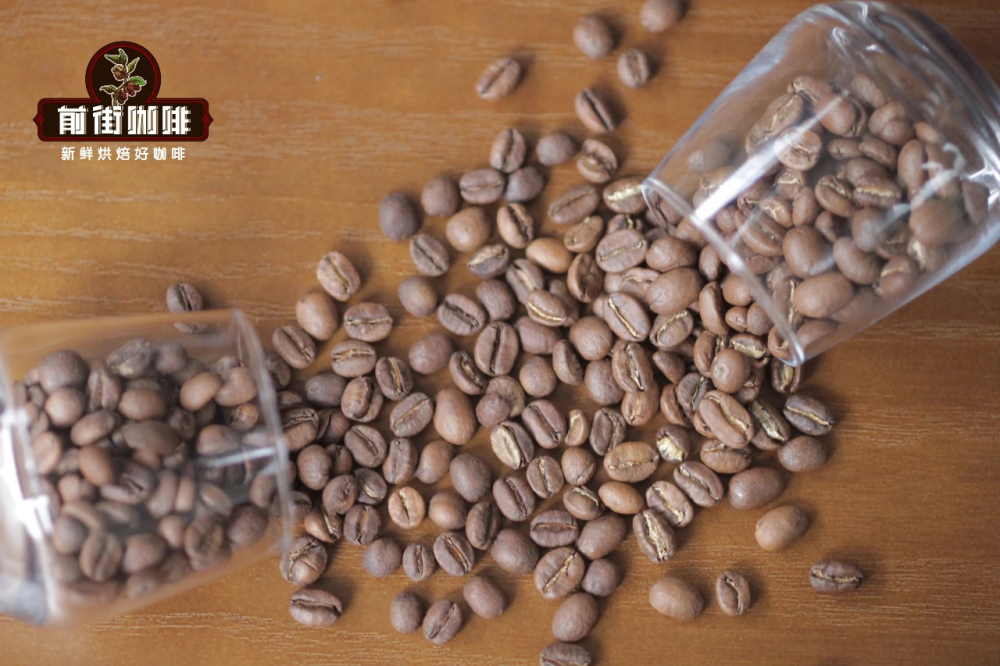
This also explains why Ethiopian coffee beans often vary greatly in size and appearance. Many consumers notice during brewing that some beans in the same bag are notably larger while others are smaller, and their roasted colors also differ in shade. This actually reflects the diversity of varieties and the uniqueness of their growing environments.
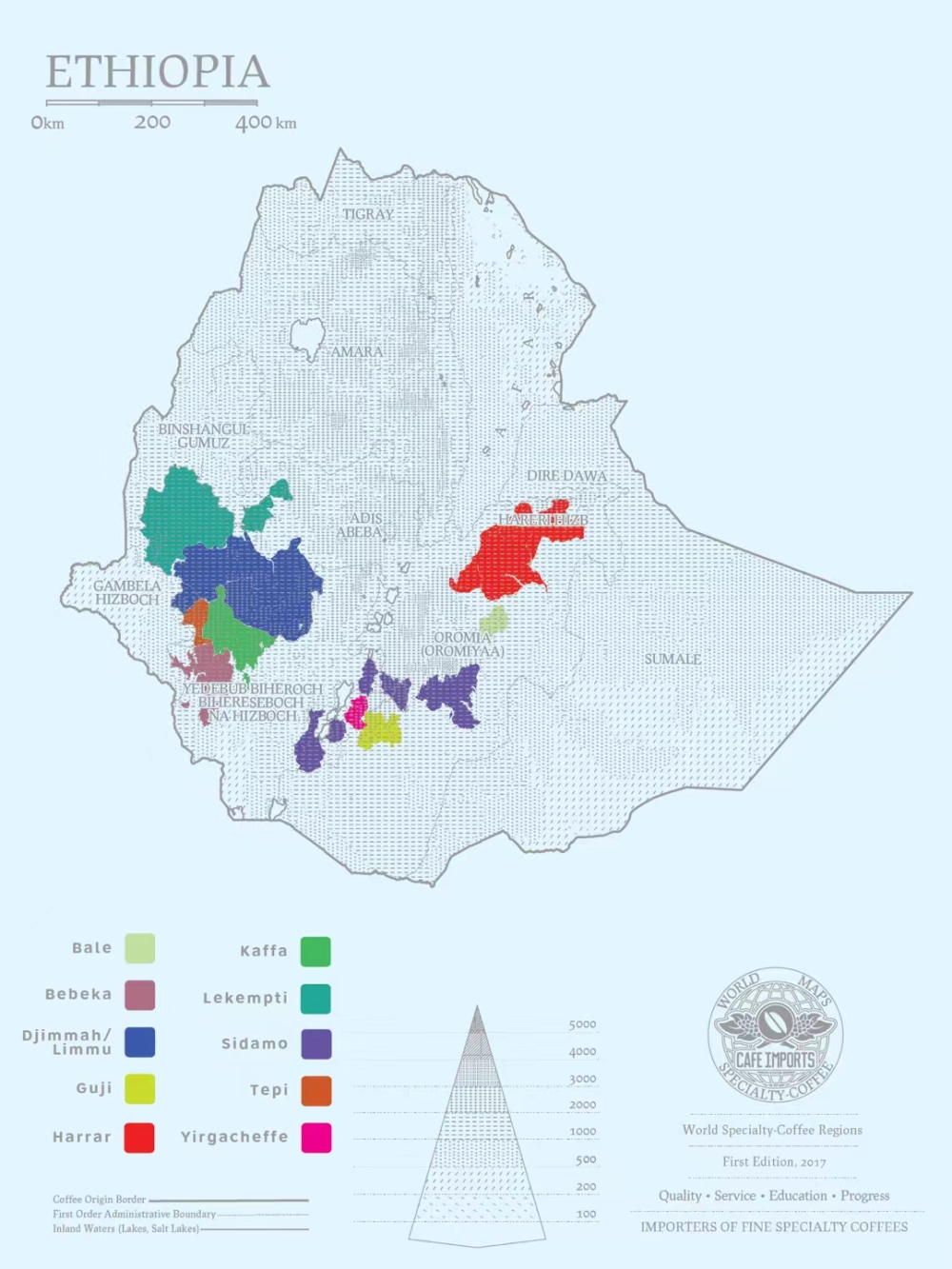
To begin with, Ethiopia has nearly 2,000 recorded coffee varieties, of which 1,927 are native and 128 are introduced. These varieties differ greatly in appearance—some are long and oval, while others are short and round. For example, long-bean varieties are mostly found in western regions such as Jimma, Limmu, and Kaffa; whereas small-bean varieties are commonly seen in Sidama, Yirgacheffe, and surrounding areas, typically measuring between 14–15 mesh, with a more compact and delicate appearance.
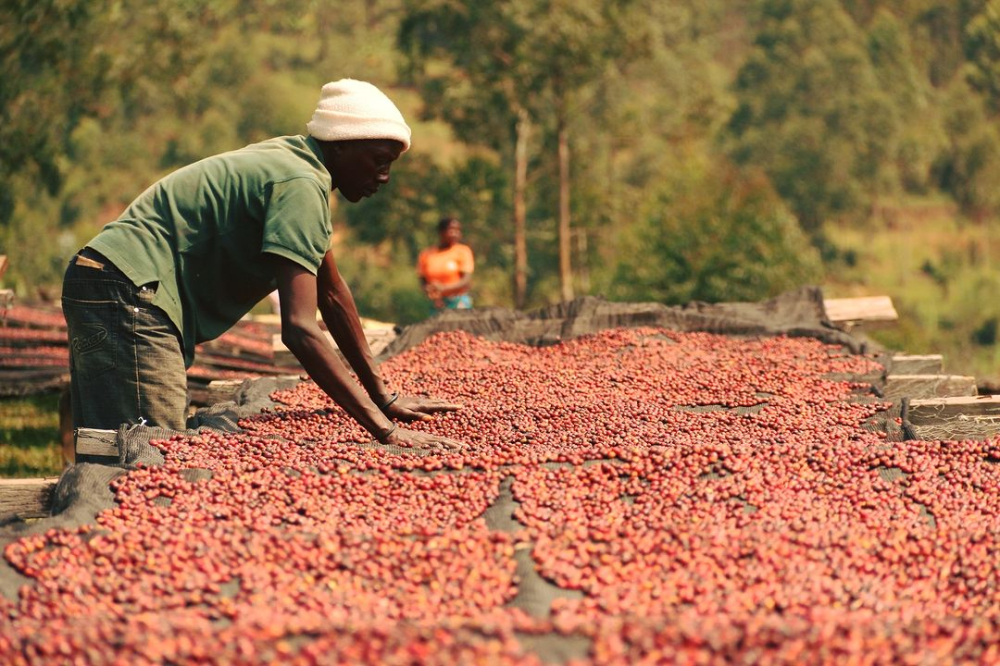
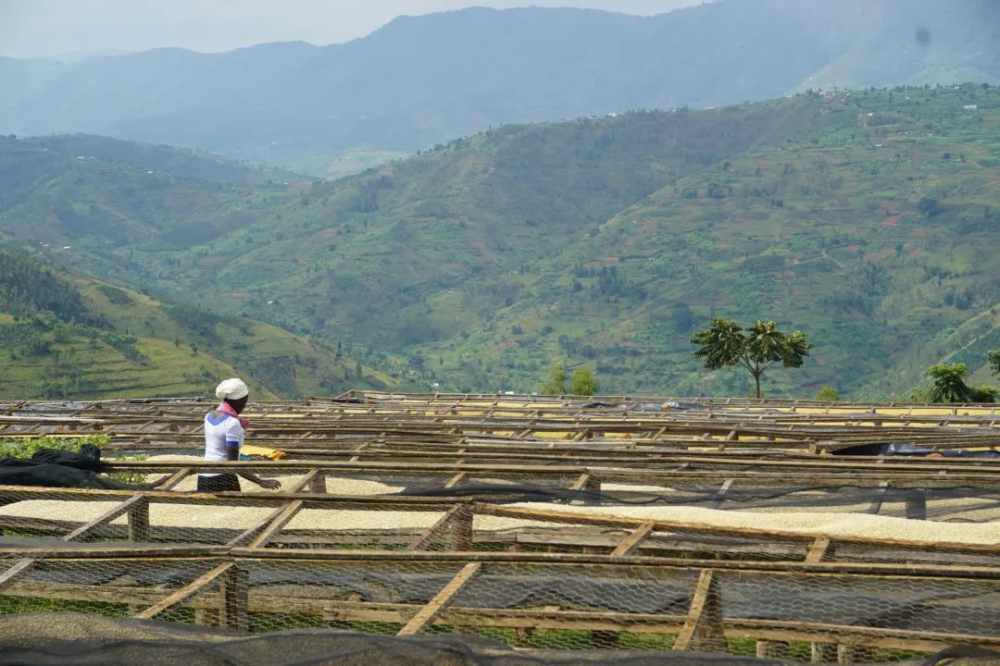
In addition, the way coffee is planted and harvested directly affects the degree of bean mixing. Ethiopian coffee farming can be divided into forest coffee (8–10%), semi-forest coffee (30–35%), garden coffee (50–55%), and a small amount of plantation coffee (5–6%). Among these, garden coffee accounts for the largest proportion—farmers grow small amounts of coffee trees near their homes and send the harvest to nearby processing facilities for unified processing. Since most are smallholder farms, each with less than 4 hectares, and planting altitudes mostly range between 1,000 to 2,300 meters, different varieties are often mixed together during harvesting and processing, resulting in the varietal diversity seen in the subsequent green beans.
Next, let’s talk about Ethiopia’s green bean grading system. Before the establishment of the ECX (Ethiopian Commodity Exchange), the country’s coffee grading was mainly based on the number of defective beans, as determined by the CLU department under the Ministry of Agriculture. Generally, washed beans are usually graded G1 to G2, while natural beans, due to processing limitations, often fall within G3 to G5. With advancements in natural processing techniques, there are now many natural beans that reach G1–G2 grades.
The ECX uses a more detailed grading system that combines physical characteristics (40%) and cupping quality (60%). Physical characteristics include defect count, appearance size, color, and aroma; cupping determines flavor performance. G1 to G3 beans are further cupped according to SCAA standards—those scoring above 85 are classified as Q1 specialty grade, 80–85 as Q2, and below 80 as G3 or lower commercial grade. Only Q1 and Q2 are the main exports for the specialty market, while the rest are for general commercial use.
Finally, let’s examine whether bean size really affects flavor. On one occasion, a company conducted an experiment where they selected Sidamo Arsi natural beans and separated them into distinctly different sizes. Using identical pour over parameters (e.g., 15g coffee, 90°C water temperature, 1:15 coffee-to-water ratio, total poured water volume 225g), they performed blind tastings. The results showed that smaller beans tended toward a pronounced sweetness, while larger beans exhibited more prominent acidity, with overall complexity less rich than when beans were uniformly sized. Further analysis suggested that the higher acidity of larger beans might be related to lighter roasting levels.

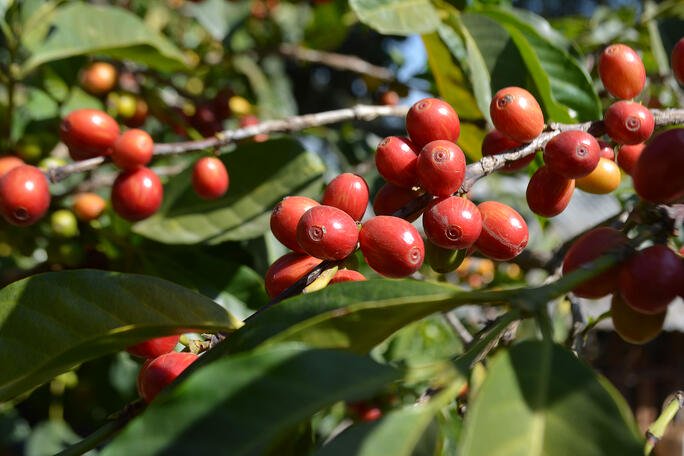
In summary, the reason Ethiopian coffee is labeled as Heirloom and exhibits varied appearances and flavors lies in the vast number of native varieties, diverse cultivation models, and variety mixing due to centralized processing. While inconsistent bean size may affect certain flavor profiles, it also contributes to the depth and layering of the coffee's taste. For coffee enthusiasts, understanding these differences can help you better appreciate the unique flavors from the birthplace of coffee. If you prefer more consistent flavor profiles, you might also consider single-origin beans with clearly defined varieties and stricter screening, such as those from Kenya or Colombia.
As an aside, major Ethiopian producing regions such as Sidamo, Yirgacheffe, and Harrar primarily use the natural processing method. This approach preserves the fruit sugars and fermented aromas through sun drying, giving the coffee intense fruitiness, berry notes, and bright citrus acidity—making it a popular entry point for many newcomers to specialty coffee.
The above content is compiled by CoffeeHunters, a coffee news website.


