








Introduction:Cold brew coffee is renowned for its low-temperature slow extraction method, which preserves more floral and fruity aromas while reducing acidity and bitterness. It has become the top choice for many coffee enthusiasts during autumn and winter. This article delves into the extraction principles of cold brew, explores how water temperature, grind size, coffee-to-water ratio, and brewing time influence flavor, and offers practical advice for adjusting overly bitter, sour, or weak-tasting brews. Additionally, it compares the craftsmanship and flavor characteristics of cold brew and ice drip coffee, and provides guidance on selecting beans based on different processing methods to help you easily craft a balanced and smooth cold brew at home.
As autumn arrives, many still crave a refreshing cup of coffee. With its characteristic of prolonged low-temperature extraction, cold brew coffee can more fully release the small-molecule floral and fruity flavors from coffee beans, while effectively suppressing the release of large-molecule smoky and roasted notes. This results in a smoother overall mouthfeel with distinct layers and a long-lasting aftertaste. This article will guide you through the production principles of cold brew, analyze how various parameters affect flavor, offer adjustment strategies for common issues, and compare the similarities and differences between cold brew and ice drip to help you find your ideal flavor profile.

Many people opt for an iced coffee to beat the summer heat, but even as autumn sets in, iced coffee continues to enjoy a wide fanbase. Among these options, cold brew coffee stands out for its unique extraction method. Unlike traditional high-temperature brewing, cold brew uses cold or below-room-temperature water, allowing coffee grounds to slowly release flavors over extended soaking. Since the low-temperature environment inhibits the conversion of tannins into quinic acid, bitterness and sharp acidity are relatively reduced, allowing the inherent layers and aftertaste of the coffee to shine through.
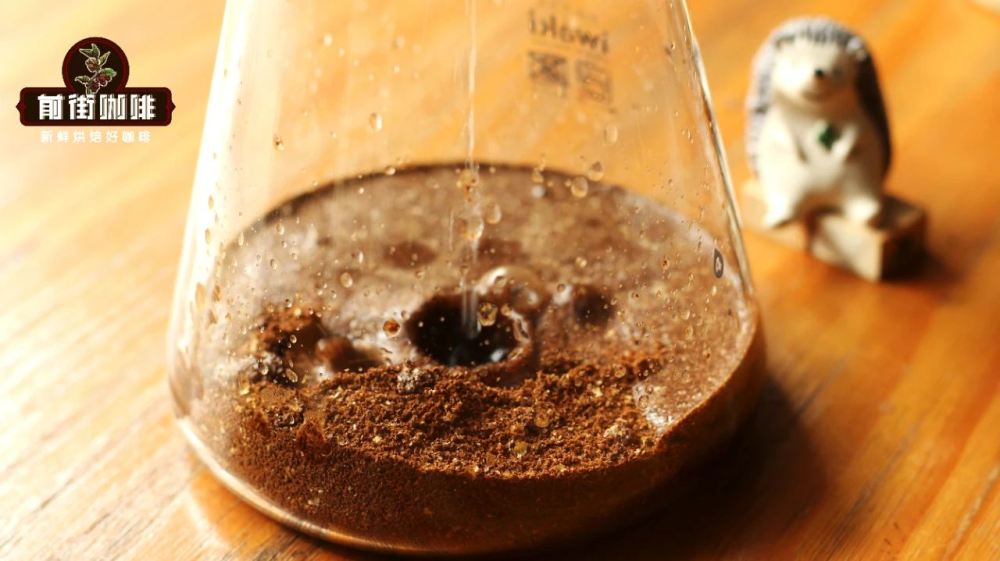
The history of cold brew coffee can be traced back to Japan, where it is known as "Kyoto-style coffee." This method of slowly extracting coffee with cold water emerged as early as the 17th century, when the Japanese employed various filtration and dripping techniques that eventually evolved into the intricately designed ice drip coffee equipment we see today. Compared to high-temperature extraction, cold water extracts aromatic compounds from coffee more gently, making it especially suitable for drinkers who pursue delicate flavors.
So, what temperature of cold water should be used for cold brew? Based on practical experience, it is recommended to use water close to room temperature or cooler, around 20–22°C. Due to the lower water temperature, the entire extraction process often takes 12 to 48 hours, but this wait is worthwhile. The low-temperature environment prioritizes the extraction of small-molecule aromatic compounds such as floral and fruity notes, while reducing the release of large-molecule flavors like smoke and caramel, and significantly lowering acidity, resulting in a softer and smoother coffee taste.
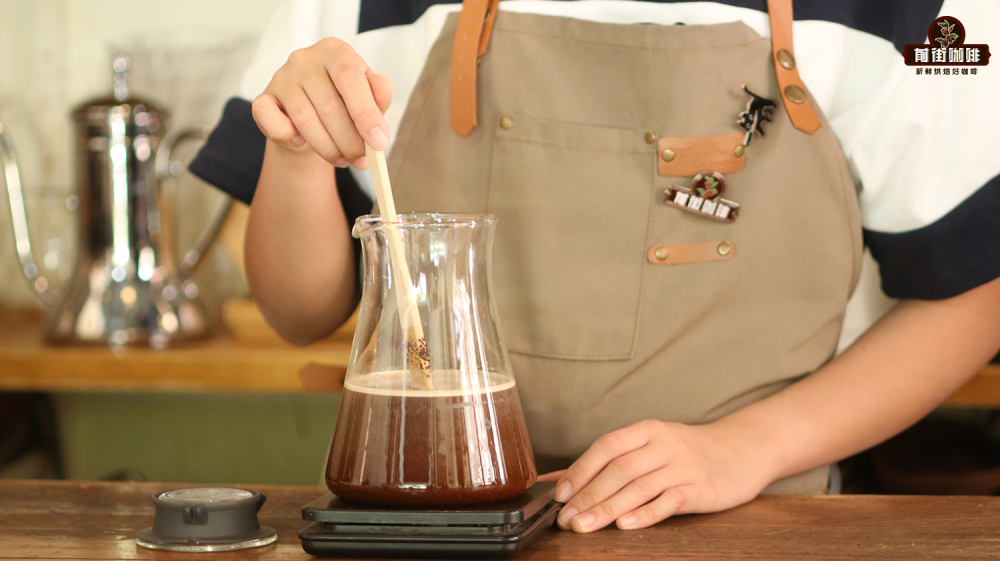
Although low-temperature extraction helps reduce bitterness and astringency, it is not foolproof. Grinding the coffee too finely—almost to a powder—or soaking it for more than 16 hours can easily lead to over-extraction, resulting in a bitter and astringent taste. The ideal grind size is roughly similar to white sugar, ensuring smooth water flow without clogging. As for soaking time, it is recommended to keep it within 6 to 16 hours. Within this range, you can fully extract good flavors while avoiding over-extraction. Additionally, the coffee-to-water ratio is also key. If the coffee tastes too weak, it’s usually because too much water was added. A general recommendation is to use a 1:12 coffee-to-water ratio, meaning 1 gram of coffee to 12 milliliters of water. Especially in environments of 0–10°C, this ratio helps maintain just the right intensity.
What exactly is the difference between ice drip and cold brew coffee? In fact, ice drip can also be considered a special form of cold brew, but it uses a dripping method where water gradually seeps through coffee grounds drop by drop, rather than fully immersing the grounds in water. Also known as Dutch coffee or Kyoto coffee, ice drip has a similarly long history and typically uses specially designed ice drip pots, allowing melted ice water to slowly drip through layers of coffee grounds. The whole process takes about 5 hours, which is shorter than the time required for cold brew. Some baristas point out that ice drip coffee often has a more prominent aroma and more subtle and varied flavor details.
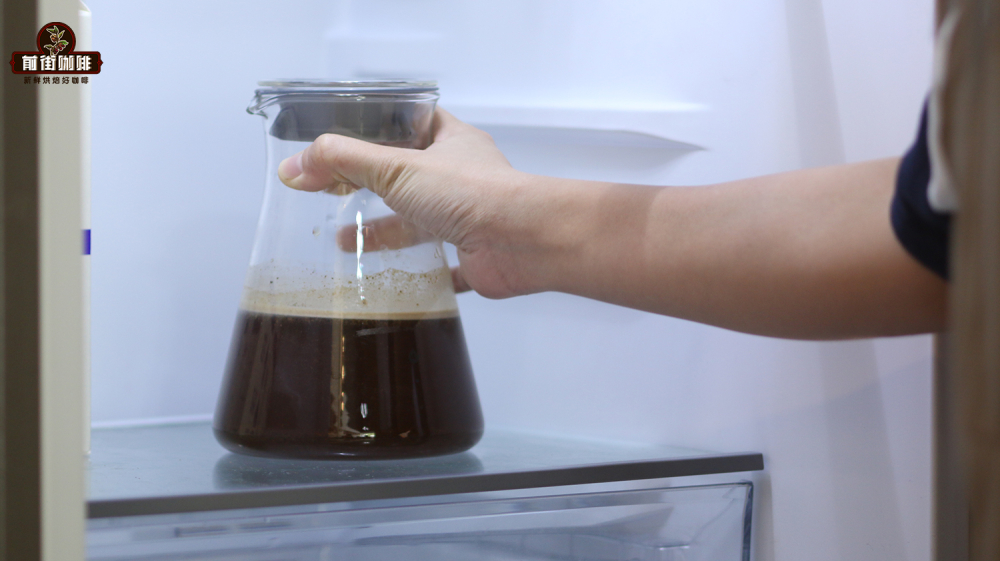
As for which is better, cold brew or ice drip? It actually depends on personal preference. Both require high-quality specialty coffee beans, selected according to processing method and roast level. If you prefer a bright acidity and light mouthfeel, you can choose washed-process light-roast beans, such as Ethiopia’s Yirgacheffe or Kenyan beans. If you favor intense fruitiness and honey-like sweetness, sun-dried or honey-processed medium-light roast beans such as Huakui or Strawberry Candy series are great choices. For those hoping cold brew showcases rich fermented flavors without emphasizing acidity, medium-dark roast beans like Colombia Geisha or Mozart may be worth considering.
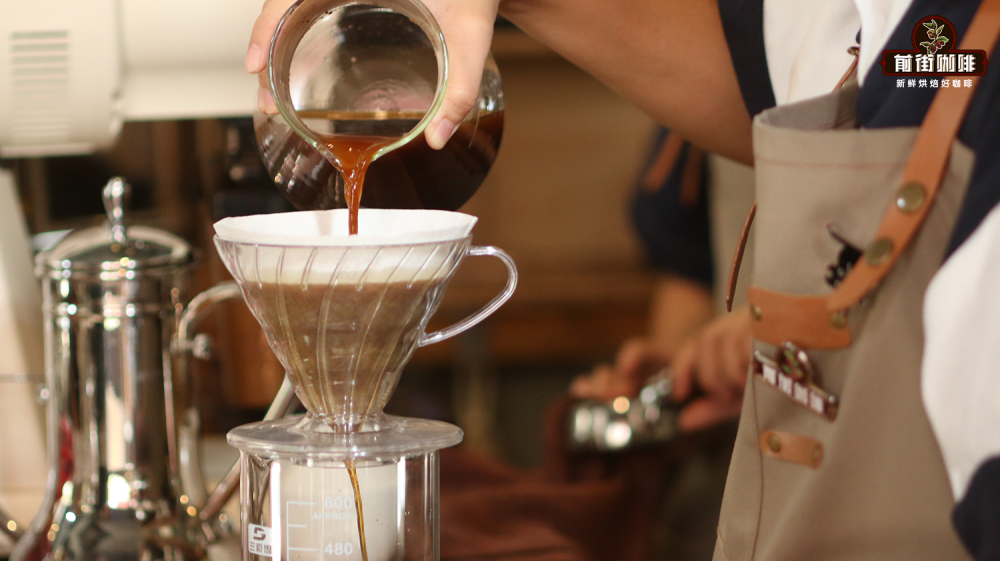
The method of making cold brew coffee involves soaking coffee grounds with cold water, then filtering out the grounds once the time is up. Throughout the process, the coffee grounds remain immersed in cold water, resulting in thorough and stable extraction—this is why many coffee shops prefer this method. Ice drip, on the other hand, is like giving coffee an “IV drip,” using a device to let melted ice water slowly seep through coffee grounds. Each drop of water has a shorter contact time, and during the ice drip process, coffee grounds are more frequently exposed to air, potentially leading to slight oxidation, which contributes to more layered and dynamic flavors. Although ice drip can be completed in 5 to 8 hours, letting the brewed coffee sit in the refrigerator overnight can often make the aroma more mature and the mouthfeel smoother.
The above content is compiled by CoffeeHunters, a coffee news website.


