








Introduction:Crema is not just an aesthetic feature of espresso—it is also a key indicator of extraction quality. Beneath this layer of golden-brown, fine foam lies a delicate interplay of carbon dioxide, melanoidins, and water pressure. Understanding how crema forms, why it dissipates, and what different colors signify can help both coffee enthusiasts and professionals refine their extraction techniques and enhance the flavor profile of each shot of espresso.
In the world of espresso, crema has long been regarded as one of the most important indicators of quality. This golden-brown foam floating atop the coffee not only affects the richness and smoothness of the taste but also directly reflects the roast level of the beans, grind size, and extraction conditions. How is crema formed? Why is some espresso crema thick and velvety while others are thin and quickly dissipate? This article will explore the science behind crema formation, stability factors, and color changes, helping you gain a more comprehensive understanding of the soul of this concentrated coffee.
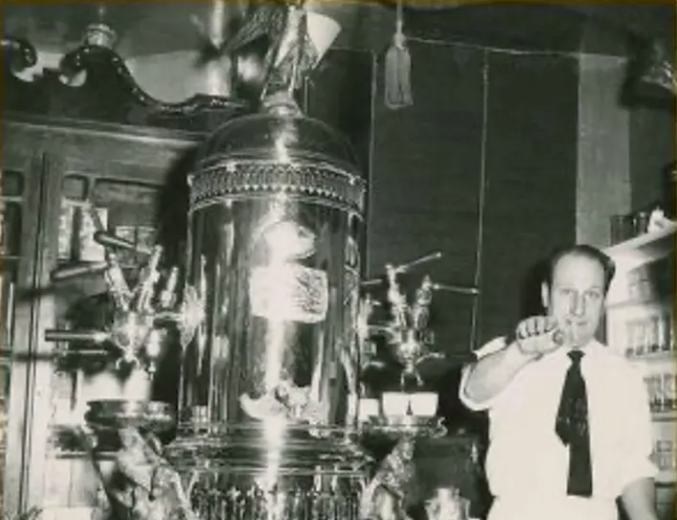
Looking back at the history of espresso, the true prominence of crema is credited to Italian technician Achille Gaggia. After World War II, he introduced a high-pressure espresso machine that extracted coffee grounds using about 9 bar of stable pressure, transforming the originally dull black liquid into an espresso topped with fine foam. Early espresso advertisements in the market, such as those by Victoria Arduino, often depicted pure black liquids without any crema. It wasn’t until the advent of Gaggia’s innovative machine that the public redefined the appearance and flavor of espresso.
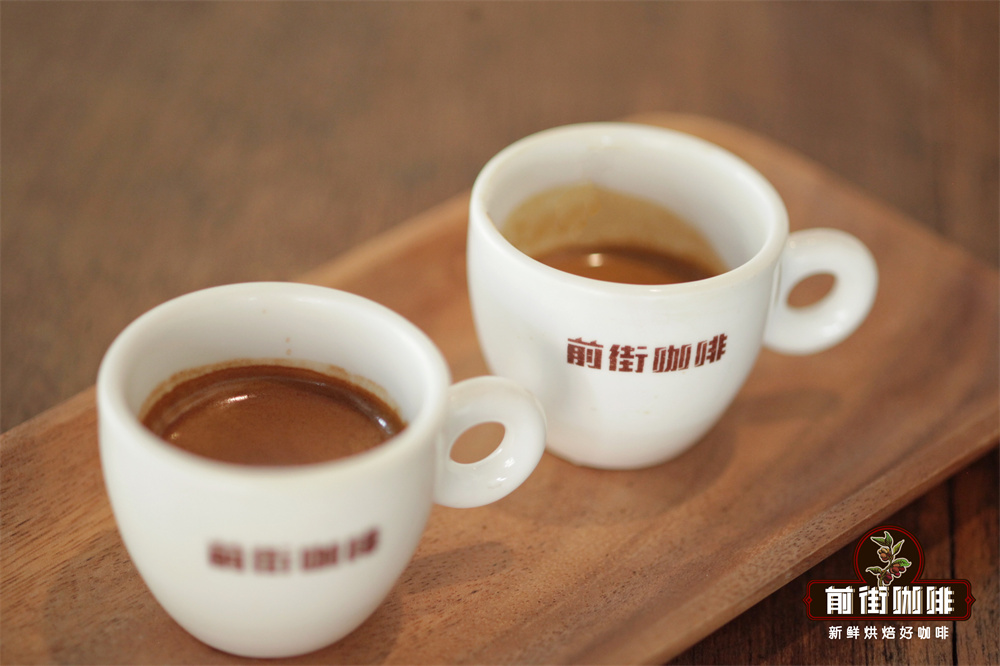
Today, the standard description of espresso often references definitions from internationally renowned brands: a qualified espresso is a multi-phase beverage produced by the interaction of finely ground roasted coffee powder and 9 bar of high-pressure hot water. Its characteristic is a surface covered with a layer of foam composed of tiny bubbles, often exhibiting tiger-striping patterns. Beneath the foam are suspended emulsified oil droplets, dissolved sugars, acids, proteins, and caffeine, all combining to form a composite beverage rich in color, aroma, and texture layers.
Emulsification refers to the process where two immiscible liquids, such as oil and water, form a stable mixture under the action of surfactants. “Phase” describes the state in which a substance exists, commonly including solid, liquid, and gas. In espresso, crema is the result of the combined effects of these multiple phases.

So, how does crema form stably? The key lies in the large amount of carbon dioxide released by coffee beans during the roasting process—this gas is trapped in extremely tiny bubbles during high-pressure extraction. Additionally, the solubility of carbon dioxide in water increases significantly under high pressure, allowing hot water passing through the coffee puck to rapidly form tens of thousands of tiny bubbles. To maintain the stability and elasticity of these bubbles, compounds such as melanoidins and proteins with hydrophobic properties are also needed. These attach to the surface of the bubbles, forming a protective film that prevents the bubbles from rupturing prematurely.
However, crema does not last forever. Over time, the gas in the foam gradually escapes, and gravity causes the material covering the bubbles to be pulled downward, making the foam structure loose and fragile, eventually leading to the dissipation of crema. Espresso made with proper extraction conditions usually has denser and longer-lasting crema, and this can also be felt in the difference in mouthfeel thickness.
The color of crema also holds secrets. Generally, under normal extraction conditions, crema should exhibit a reddish-brown hue. If the crema appears too light, it may be due to insufficient extraction time (e.g., less than 15 seconds), causing the soluble substances in the coffee to not be fully released, resulting in a foam layer lacking sufficient pigmentation and viscosity. Conversely, if the color is too dark or even close to burnt brown, it may be the result of over-extraction or excessively high water temperature. Such crema sometimes also features a burnt bitter ring around the edges, affecting the overall flavor balance.
Additionally, due to the refraction of light by the foam, the color of crema observed by the naked eye is often lighter than the actual coffee liquid. Even if the coffee liquid itself is dark, the fine bubbles on top can make the crema appear brighter. Therefore, when evaluating extraction results, you should not rely solely on the appearance of the crema but also consider flow rate, color changes, and overall mouthfeel for a comprehensive assessment.
In summary, the formation of crema involves multiple factors such as high pressure, gas dissolution, compound emulsification, and foam stability, and is a comprehensive reflection of espresso extraction results. Understanding these principles not only helps you adjust grind size, water temperature, and pressure, but also allows you to quickly assess whether the extraction is appropriate based on the thickness, color, and longevity of the crema, thereby further improving the quality and consistency of each shot of espresso.
The above content is compiled by CoffeeHunters, a coffee news website.


