








Introduction:As the birthplace of coffee, Africa is home to numerous iconic coffee-growing regions. This article delves into the coffee cultivation environments, mainstream varieties, common processing methods, and unique flavor profiles of major producing countries such as Ethiopia, Kenya, and Rwanda. It also includes practical pour over recommendations and parameter references to help you gain a more comprehensive understanding of the diverse charm of African coffee.
Africa holds a pivotal position in the global coffee landscape. From Ethiopia and Kenya in East Africa, to Rwanda and Burundi in Central Africa, and down to Tanzania and Malawi in the South, each producing region showcases distinctly different terroirs and coffee personalities. The continent’s coffee is renowned for its bright acidity and rich aromas. Processing methods are predominantly natural (sun-dried) and washed, and due to climate and water resource limitations, bean shapes are often irregular. Yet, these very traits contribute to the formation of unique regional flavor imprints.
This article will provide a detailed overview of the cultivation profiles, representative varieties, grading classifications, and processing techniques of major African coffee-producing countries, while analyzing the typical flavor expressions of beans from various regions. It also includes practical pour over parameter suggestions to help you deeply grasp the essence of African coffee.

The Unique Charm of African Coffee: Bold Acidity and Diverse Processing Styles
The most distinctive feature of African coffee lies in its vibrant and bright acidity, along with its rich, multi-layered aromas—traits that make it a top choice for many specialty coffee enthusiasts. Due to the dry climate and limited water resources in many areas, the natural (sun-dried) processing method is relatively common, which also contributes to some coffees exhibiting intense wine-like and fermented aromas. Additionally, variations in terrain and climate often lead to uneven bean sizes and slightly higher defect rates. However, these characteristics have also become unique flavor indicators of African coffee.
Ethiopia: The Genetic Treasury of Coffee
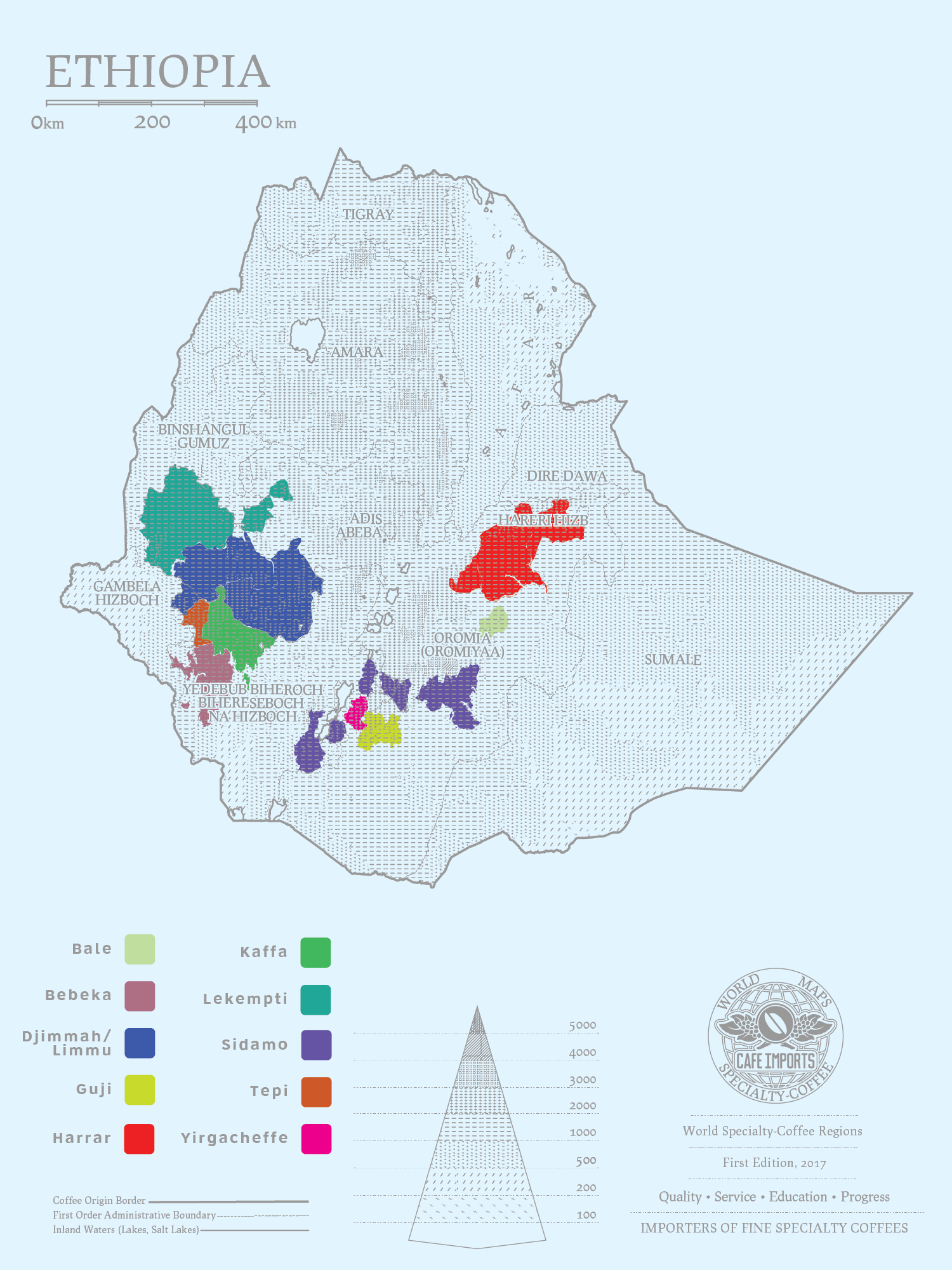
Ethiopia is not only the birthplace of coffee but also possesses the world’s largest genetic diversity of coffee varieties, with nearly 2,000 documented varieties, the vast majority of which are heirloom types. The country’s coffee cultivation is mainly concentrated in the highland areas of the west and south, grown on a small scale by over 1.2 million smallholder farmers, at altitudes typically ranging between 1,000 and 2,300 meters.
Coffee farming in Ethiopia can be divided into four models: forest, semi-forest, garden, and plantation, with garden coffee accounting for the highest proportion, about 50–55%. In terms of processing methods, the natural (sun-dried) method is most common in dry regions like Harrar, while washed and honey processes have gradually gained popularity in high-profile regions such as Yirgacheffe and Sidamo.
Ethiopian coffee varieties can be categorized into longberry and shortberry types, with the former more commonly found in the west, and the latter more prevalent in areas like Yirgacheffe and Sidamo. Washed Ethiopian beans often exhibit distinct citrus and berry notes, while natural processed beans showcase intense tropical fruit and wine-like aromas, with rich and varied flavor layers.
The country’s coffee grading system was once uniformly established by the ECX, where washed beans were classified as G1 and G2 for premium grades, and natural beans primarily as G1 and G3. However, with market evolution, G1 natural beans have gained increasing recognition. Most Ethiopian beans within this channel are of G1 grade, delivering particularly outstanding flavor performance.
Ethiopia’s Major Specialty Producing Regions
Yirgacheffe is one of Ethiopia’s most renowned specialty regions, famous for its unique floral, citrus notes, and bright acidity. It sits at an altitude of about 1,800–2,000 meters and is mainly cultivated using the garden system. Sidamo, adjacent to Yirgacheffe, shares similar flavors but with a touch of wild berry character. Its well-known offerings exhibit intense floral and berry acidity.
Limu and Gimbi primarily produce more understated commercial beans. Limu features diverse processing methods, with flavors that include grassy and black sugar notes. Gimbi is Ethiopia’s largest coffee-exporting region. While commercial beans dominate, washed specialty beans also perform well, characterized by a refreshing lemony tone and clean flavor profile.
Burundi: Refined Washed Coffee from a Mountainous Nation
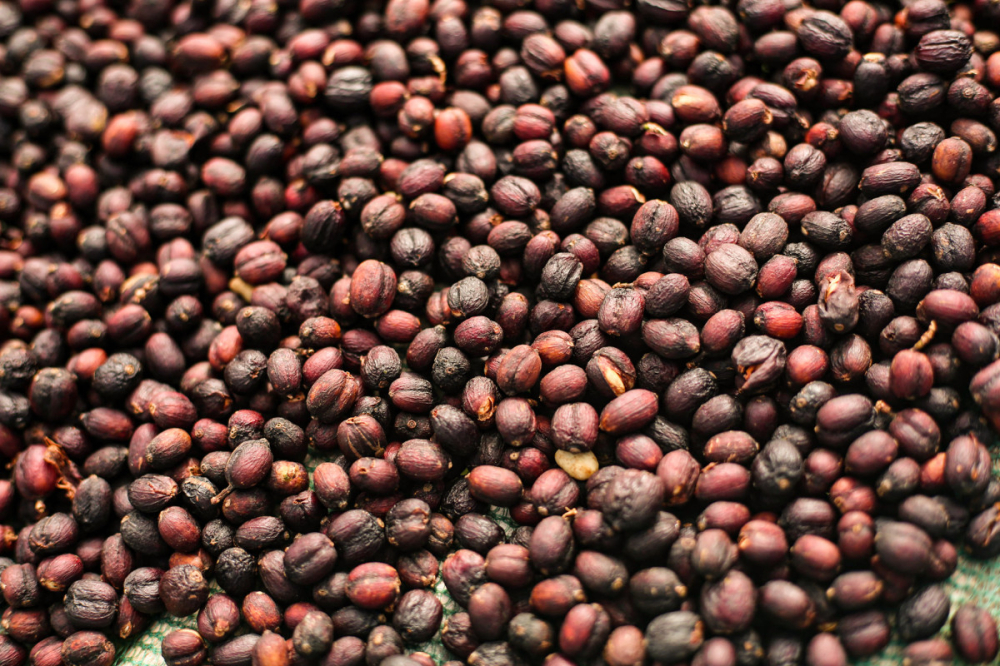
Located in Central-Eastern Africa, Burundi is a mountainous country with an average altitude of about 1,600 meters, earning it the nickname “Land of a Thousand Hills.” Most of the coffee is grown by smallholders and collectively processed through local SOGESTAL organizations. The washed method is predominant, with the Bourbon variety being common. Burundian coffee is known for its high acidity and citrus and caramel aromas.
A representative product, “Cœur d’Afrique” (African Heart), is often brewed using a V60 with medium-fine grind and water temperature controlled at 90°C. It delivers flavors of golden orange and lemony brightness paired with caramel and plum sweetness, achieving an overall balanced and layered cup.
Kenya: A Specialty Benchmark of Balanced Sweetness and Acidity
Kenyan coffee is famed for its intense acidity, bright fruity aromas, and wine-like finish. Major producing areas include Nyeri, Embu, Kirinyaga, and Thika. Most production comes from small cooperatives, using washed processing and strict grading based on bean size.
Well-known Kenyan varieties such as SL28 and SL34 contribute to its unique berry and blackcurrant flavors. A representative lot, the Kenyan Cherry, hails from the Thika region. Processed with the K72 method, it presents an interplay of cherry tomato and dark plum acidity, balanced by juicy mid-palate notes and a berry-toned finish. The overall taste is refreshing and richly layered.
Rwanda: Highland Specialties from the Land of a Thousand Hills
Known as the “Land of a Thousand Hills,” Rwanda’s mountainous terrain provides an ideal environment for cultivating high-quality Arabica. The dominant variety is Bourbon, and the washed process is prevalent. Flavors include bright citrus, nuts, and cocoa notes, with a honey and almond sweetness lingering on the finish.
Representative regions like Gisenyi sit at around 1,500 meters. Brewing recommendations include medium-fine grind with a V60 filter at 90°C water temperature, highlighting a balanced expression of cherry tomato, nutty, and chocolatey sweetness.
Tanzania: Unique Packaging and Diverse Varieties
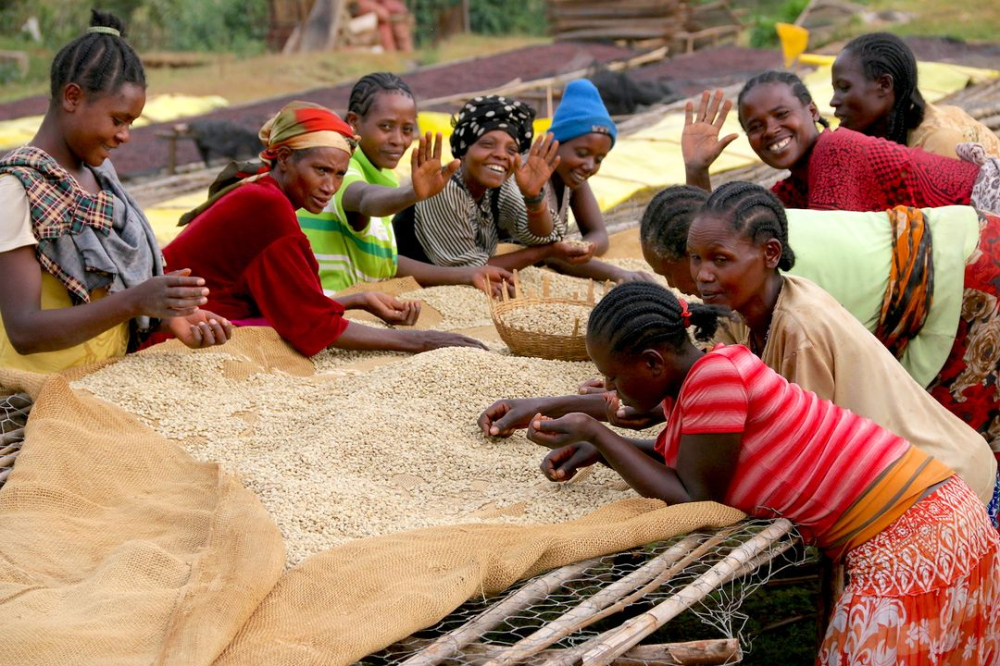
Tanzania’s coffee-growing environment spans the mainland and Zanzibar Island, featuring diverse terrains. Major varieties include Bourbon, Typica, and Kent. Typica is noted for its exceptional flavor and low yield, while Bourbon offers wine-like aromas and acidity. Tanzanian coffee is often packaged in agave fiber bags to support the local sisal industry.
The flavors of Tanzanian coffee vary widely, ranging from bright citrus to rich chocolate tones, making it an excellent choice for exploring the diversity of African coffee.
In summary, African coffee captivates the global market with its rich variety of cultivars, diverse processing methods, and unique regional flavors, offering endless surprises and exploration opportunities. From Ethiopia’s floral and fruity acidity to Kenya’s berry-wine complexity, and Burundi’s citrus-caramel notes, each bean tells its own terroir story.


The above content is compiled by CoffeeHunters, a coffee news website.


