







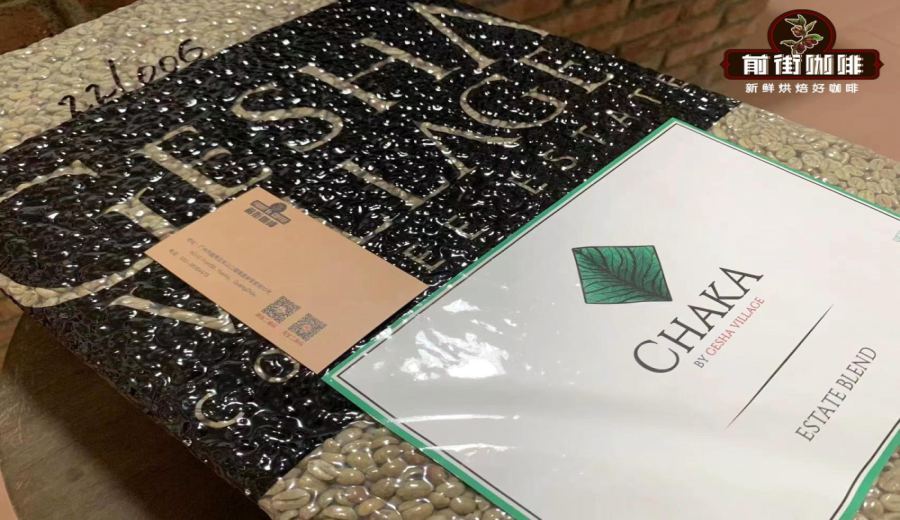
Introduction:This article provides an in-depth look at the CHAKA batch of coffee from Ethiopia’s Gesha Village, covering its growing region, varietal composition, natural processing method, roast profile, and cupping notes. It also offers a practical Hario V60 pour over brewing guide, analyzing flavor differences under high and low temperature extractions — a must-read for fans of Gesha flavors and advanced manual brewers.
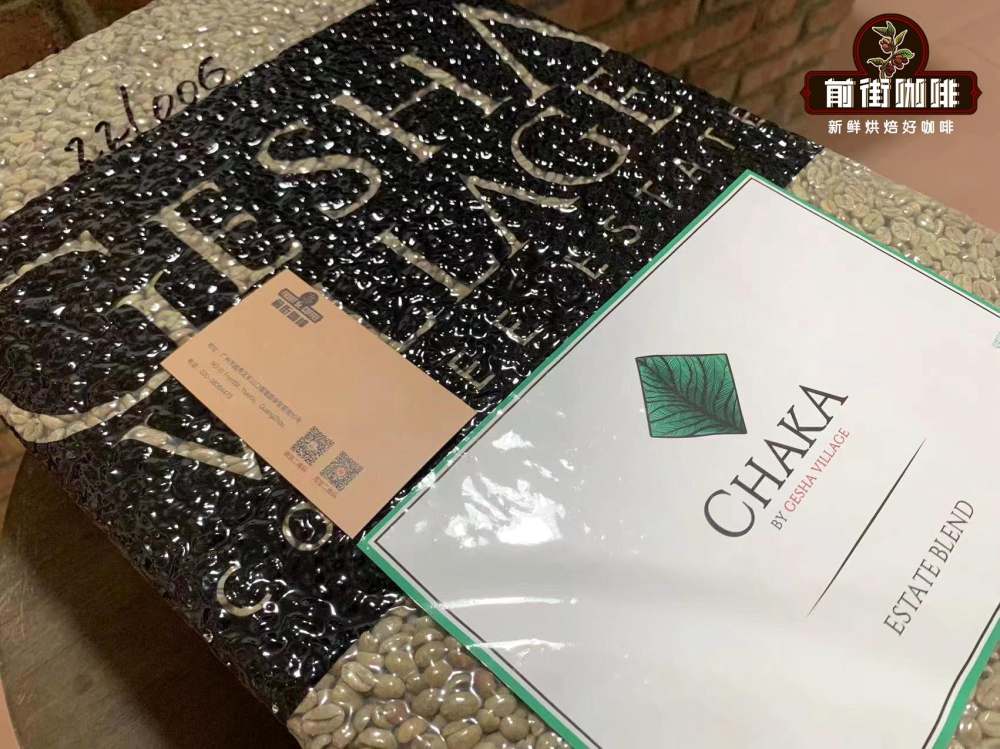
Located in Ethiopia’s Bench-Maji Zone in the country’s southwest, the Gesha Village Coffee Estate is one of the few large-scale farms in the world dedicated to the Gesha variety. Unlike typical Ethiopian native coffee, this estate sources its genetic material directly from the original Gesha forest and cultivates multiple pure Gesha lineages, known for its scientific management and strict quality control. Among its offerings, the CHAKA batch is a blend that combines various Gesha lineages with locally resilient disease-resistant varieties, resulting in a rich and layered flavor profile.
The varietal composition of the CHAKA blend includes Gori Gesha, Gesha 1931, and a forest variety from the Illubabor region (Illubabor 1974).Gori Gesha retains the genetic diversity of its original forest originand is one of the more primal lineages within the Gesha family;Gesha 1931 has drawn attention due to its appearance and flavor profile closely resembling Panamanian Gesha; while the Illubabor variety was discovered in a local forest in 1974 and cultivated by Ethiopia’s official research institutions as a disease-resistant strain, improving overall stability and adaptability.
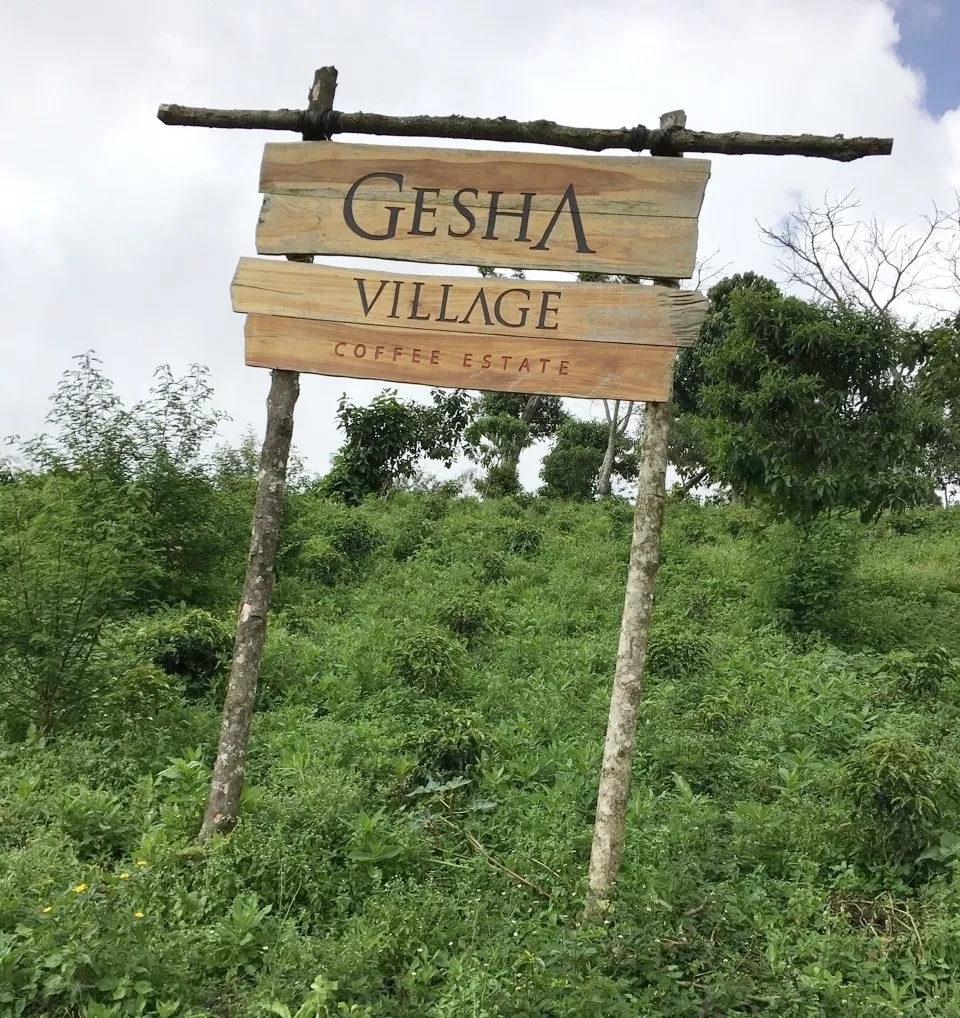
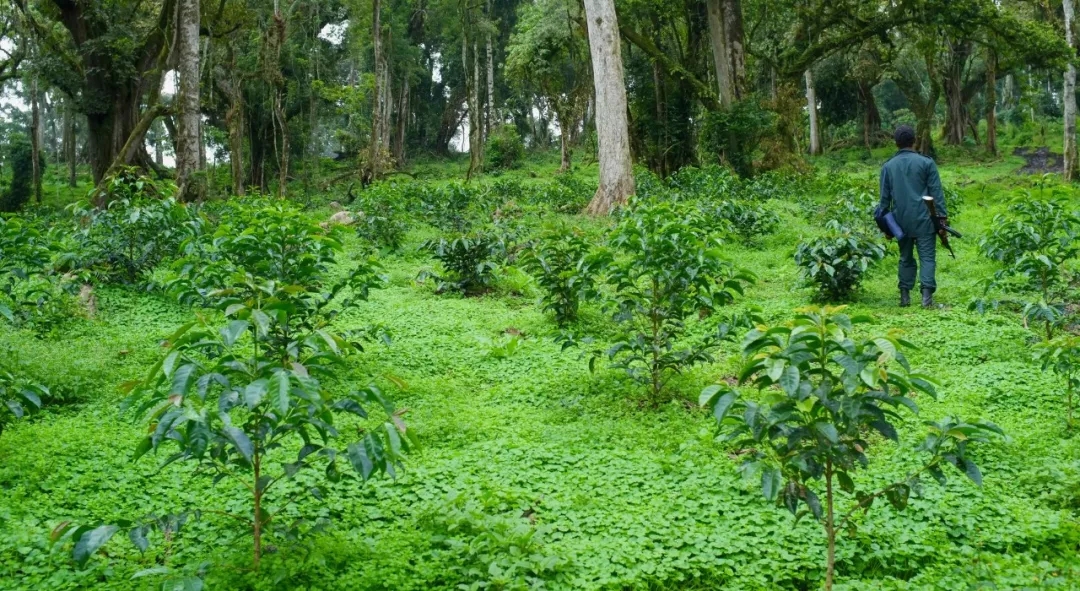
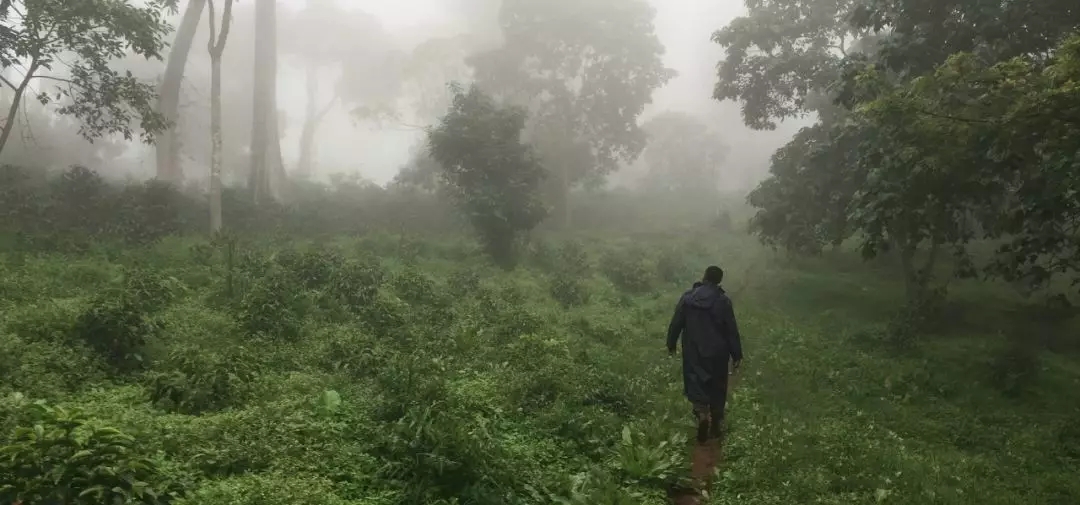
Established in 2011, Gesha Village Coffee Estate was founded by documentary filmmaker Adam Overton and his photographer wife Rachel Samuel after they discovered the Gera Coffee Forest while filming a documentary about Ethiopian coffee. Initially, with the help of Willem Boot, they returned to the area to begin their exploration of the birthplace of Gesha. In the jungles of Bench-Maji, they unexpectedly found well-preserved wild Gesha trees and ultimately chose a site about 12 miles from the Gori Gesha forest to establish what is now the 475-hectare Gesha Village.The farm sits at an altitude between 1,900 and 2,100 meters,making it a classic high-altitude specialty coffee growing region
that is highly suitable for the Gesha variety.

Unlike typical Ethiopian smallholder models, the estate operates its own processing facility, laboratory, and washing station, and grows only Gesha varieties, ensuring both consistent quality and traceability. It had its first harvest in 2015 and in 2017 launched several micro-lots through international auctions, many of which fetched record-high prices and set new benchmarks for African coffee auction prices.The CHAKA batch is processed using the natural (dry) method, which maximizes the retention of sugars and aromatic compounds from the coffee cherry, resulting in a coffee with intense sweetness and complexity.During processing, the coffee cherries are first floated to remove impurities, then placed on African-style raised beds in thin layers and covered with protective nets or plastic sheeting to prevent overexposure to sunlight and foreign matter falling onto the drying beans
. Throughout the drying period, the cherries are frequently turned and sorted to remove underripe, insect-damaged, or discolored beans. The total drying time ranges between 18 to 30 days to ensure optimal moisture balance.
For roasting, the CHAKA batch is processed using a Yangjia 800N roaster. The charge temperature is 190°C, with an initial flame setting of 3, adjusted to 130 after 30 seconds, and gradually increased to 170 to facilitate bean dehydration. Once the beans turn yellow and grassy notes dissipate, the Maillard reaction phase begins. When the temperature reaches around 168°C, the heat is reduced to stabilize development. First crack starts at 8'42”, with a development time of approximately 1 minute and 45 seconds, and the roast is finished at 196.6°C. This roast curve emphasizes flavor layering while maintaining a balanced sweetness and acidity.According to Agtron readings, the bean color is 66.5 and the chaff color is 81.4, with a Roast Delta of 14.9, classifying it as a medium-light to medium roast — ideal for highlighting the delicate characteristics of the Gesha variety.Cupping notes reveal pronounced floral aromas and subtle fermentation scents, with fruity and berry notes, oolong tea-like qualities, creamy sweetness, and a hint of cane sugar sweetness emerging upon inhalation
, presenting an overall profile that is bright and layered.For brewing, the Hario V60 pour over method is recommended to fully highlight its fruity and floral notes.Suggested brewing parameters are a water temperature of 90–92°C, a medium-fine grind size (similar to 80% extraction through a Chinese No. 20 sieve), and a brew ratio of 1:15
, balancing flavor extraction and body.A staged (pulse) pouring technique is advised:
Start with a 30-second bloom using 30 grams of water, then pour in small increments until reaching 130 grams for the first pour. When the water level drops close to exposing the coffee bed, continue pouring to a total of 225 grams, then remove the V60 once the water level lowers again. Total brew time is around 1 minute and 50 seconds.

The above content is compiled by CoffeeHunters, a coffee news website.


