







Introduction:A deep comparison of the flavor profiles of Ethiopian Yirgacheffe and Sidamo G1 coffees, analyzing the reasons behind the high costs and craftsmanship details of the washed processing method. From the flavor profiles of the two major regions, the G1 grade standards, to the actual tasting differences between washed Gedi Dingding and natural Red Cherry, this provides practical guidance for selecting specialty coffee beans—beneficial for both beginners and advanced coffee enthusiasts.
Yirgacheffe was originally a small town under the Sidamo province of Ethiopia but stood out due to its distinctive white floral notes and pronounced citrus characteristics, eventually becoming an important flagship origin for specialty coffee. This highland area, situated at elevations exceeding 1,800 meters, produces coffee with notable bright acidity and floral traits, forming an interesting contrast to the fuller-bodied style of the Sidamo region. This article will detail the flavor differences between G1-grade washed coffees from both regions and analyze the practical challenges of washed processing in the area.
Geographically speaking, Yirgacheffe was once part of Sidamo, but the coffee from this area exhibits highly recognizable fresh fruity and floral notes—especially bright citrus acidity paired with jasmine floral tones. This unique flavor profile gradually distinguished it from the unified image of Sidamo. Today, Yirgacheffe is not only a representative of Ethiopian specialty coffee but also a classic flavor type sought after by pour-over enthusiasts worldwide. If you haven’t yet experienced this acidity-forward coffee, it’s recommended to try a freshly roasted G1-grade bean for tasting.
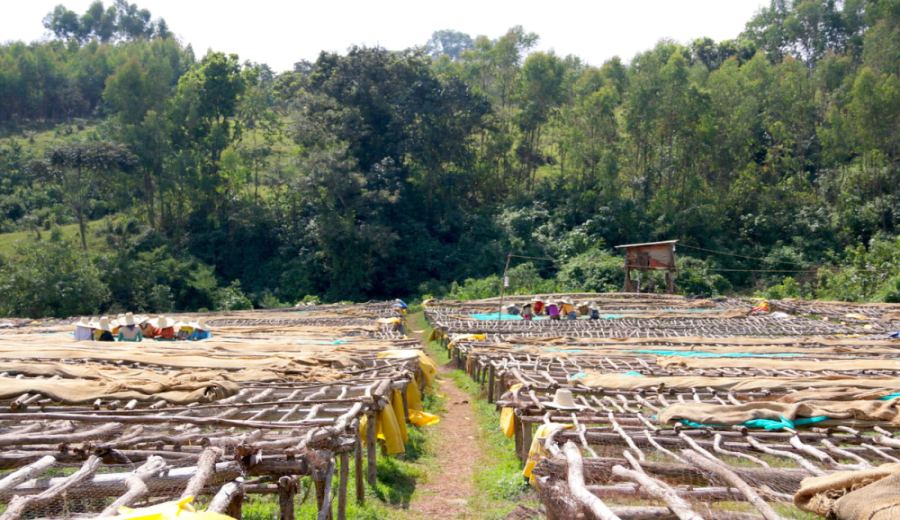
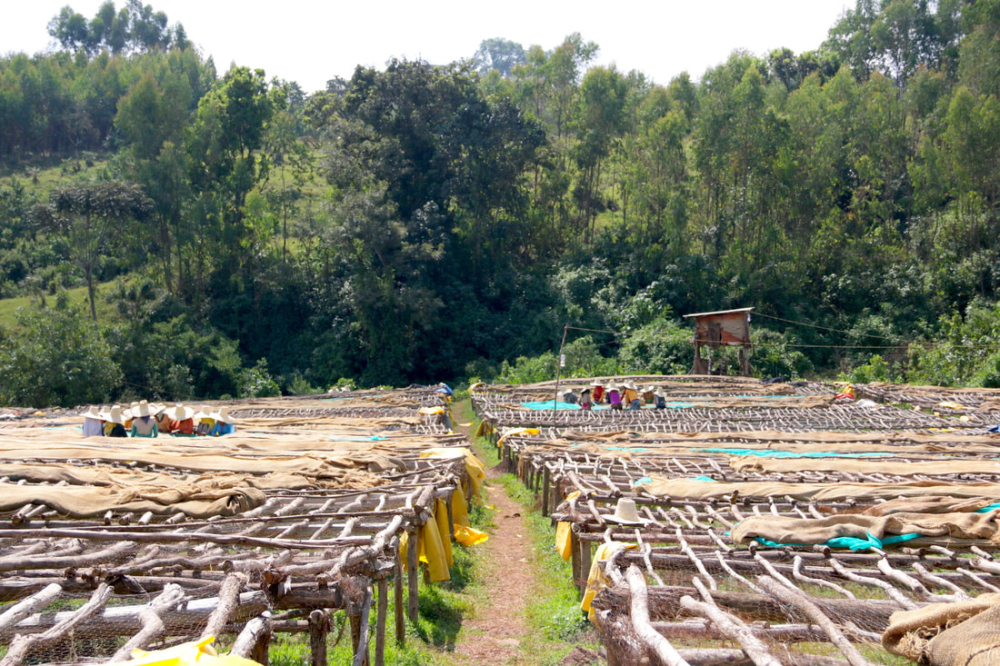
In Ethiopia, implementing the washed processing method faces significant challenges.Individual coffee farmers can almost never complete the washing process on their own, as this technique requires specialized processing facilities, a large supply of clean water, and fermentation control equipment—with high initial investment costs. Establishing a hygienic-standard washing station often demands tens of thousands of dollars in investment, which is a primary reason why washed coffee in the region is priced higher. The core steps of washed processing include: removing the pulp and flesh, then using fermentation to eliminate the mucilage layer, followed by thoroughly washing with clean water until the bean surface is smooth. At this point, the coffee beans are still enclosed in their parchment layer, with a moisture content of around 50%, which must then be reduced below 12% through prolonged sun drying. This entire process typically takes 1 to 3 weeks but results in exceptionally layered citrus and floral characteristics.
Ethiopia’s coffee grading system primarily uses the ratio of defective beans as the main scoring criterion,with the G1 grade meaning no more than 3 defective beans per 300 grams of green coffee—this is the highest quality classification. Compared to grades with larger numbers, G1 beans exhibit a cleaner flavor profile and more complex aromatic layers after roasting. The two G1-grade beans discussed here—washed Gedi Dingding and natural Red Cherry—perfectly showcase the characteristic differences between Ethiopia’s two classic processing methods.
The name Washed Gedi Dingding G1 originates from Gedi Dingding village within Yirgacheffe town, where many skilled smallholder farmers are based, with historical ties to the long-established Worka Cooperative. The traditional washed process used here preserves the most refined flavor characteristics of the coffee beans:a clear jasmine floral note as the top note, mid-palate highlights of citrus and lemon with bright acidity, and a finish with a natural honey-like sweetness. This flavor combination makes Gedi Dingding an ideal entry choice for pour-over lovers wanting to explore the flavors of Yirgacheffe.
In contrast, a certain brand’s Red Cherry G1 employs the ancient natural (sun-dried) processing method. This technique involves spreading the coffee cherries directly on raised beds for up to 4 weeks of sun drying without preliminary removal of the pulp, during which strict turning and shading controls are required to ensure the even penetration of fruit sugars into the seed. The most distinctive feature of the natural method isthe preservation of full fruit pulp aromas, giving the coffee a rounder body and a richer, wine-like lingering finish, making it suitable for drinkers who prefer a more intense flavor profile. Though both processing methods belong to the G1 grade, they demonstrate the diverse potential of Ethiopian coffee.
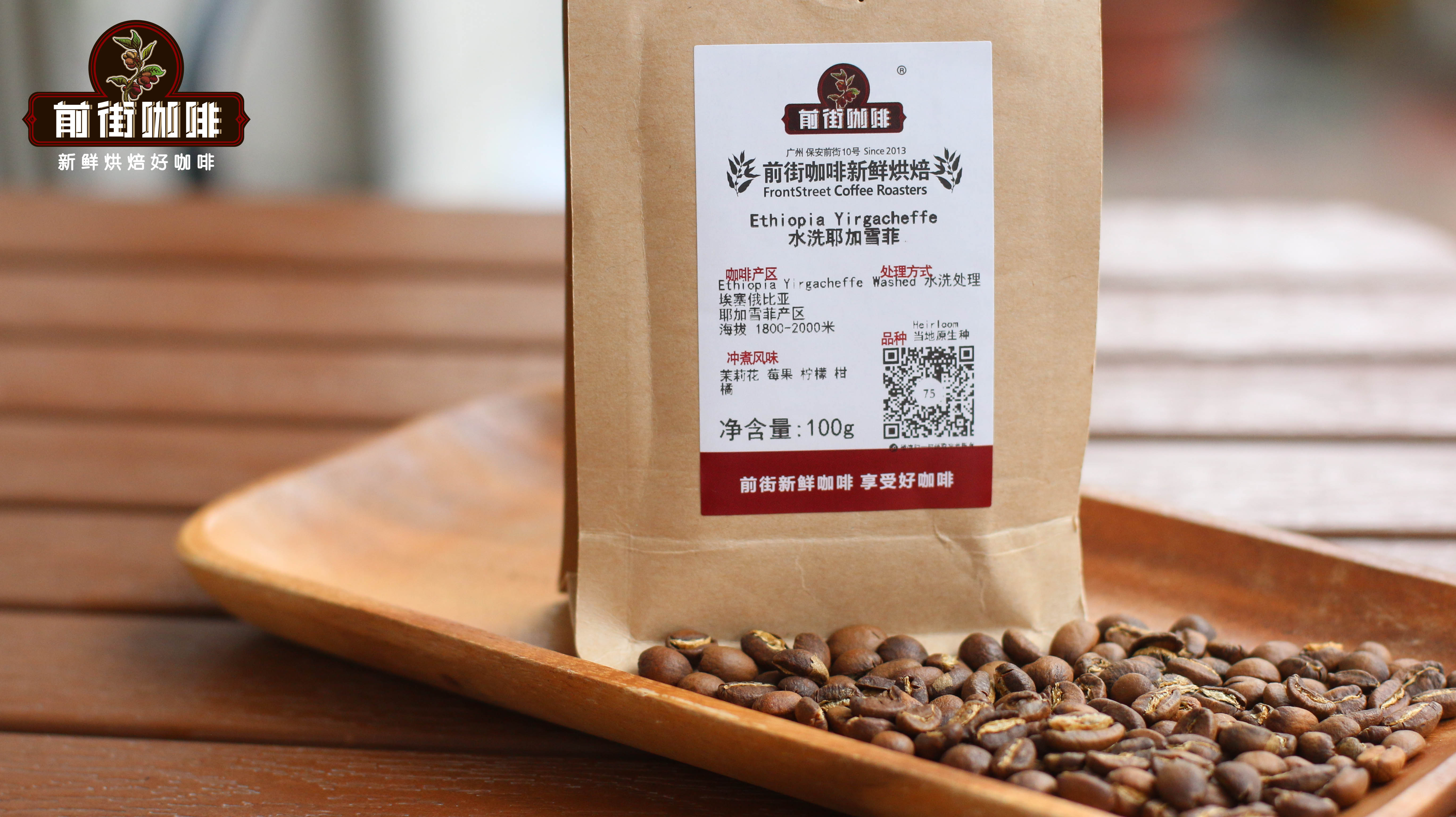
For consumers trying Yirgacheffe flavors for the first time, it’s recommended to start with a washed G1-grade bean, as its bright acidity and distinct floral profile are easier to discern. To further explore the full spectrum of Ethiopian coffee, try comparing the washed and natural versions, paying attention to the brewing speed, aroma intensity, and flavor evolution in the cup. Regardless of which processing method you choose, freshness (recommended use within 5 to 21 days post-roast) and proper grind size (for pour-over, a medium-fine grind around BG 6E to 8E) are key parameters for extracting the full flavor.
The above content is compiled by CoffeeHunters, a coffee news website.


