







Category: Coffee Knowledge
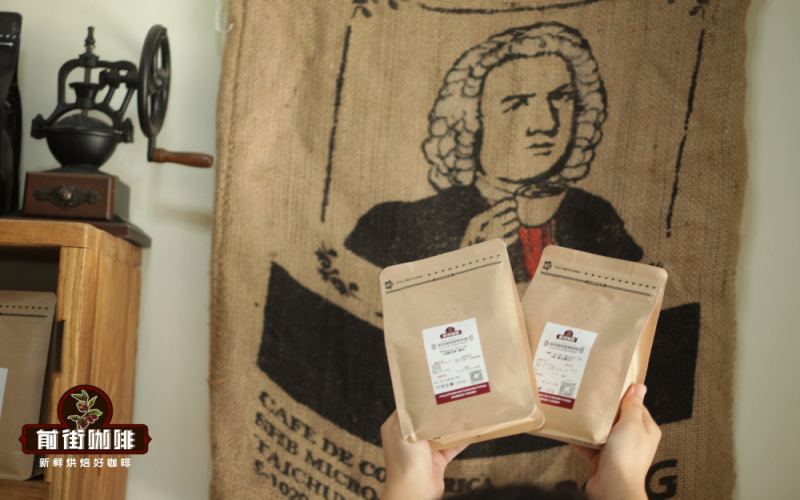
In-depth Analysis of Costa Rica Mozart Coffee Beans: Tarrazú Raisin Honey Process & Pour Over Recommendations
The Tarrazú region in Costa Rica is renowned for its sweet flavor profile, and among its offerings, the Mozart coffee beans stand out with their raisin honey process that highlights intense fruity aromas and unique fermented notes. This article provides an in-depth look at these high-altitude grown Caturra and Catuaí varieties, covering everything from the regional background and processing techniques to the optimal brewing methods—helping you master the brewing secrets of this music-themed specialty bean. [more…]
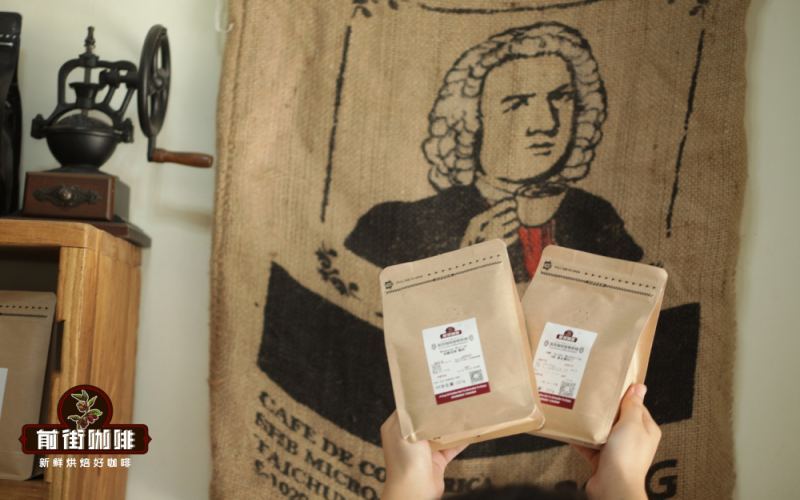
Flavor Profile and Pour Over Brewing Guide for Costa Rica Musician Series Coffee Beans
The Musician Series coffee beans from Costa Rica’s Tarrazú region are named after classical music masters. Combining unique processing methods with local terroir, they present a delicate and varied flavor profile. This article provides an in-depth analysis of the naming origins, regional characteristics, processing techniques, and detailed pour over parameters and extraction essentials for beans such as Mozart, Bach, and Beethoven, helping coffee enthusiasts fully experience the cross-disciplinary dialogue between music and coffee through aroma, taste, and mouthfeel. [more…]
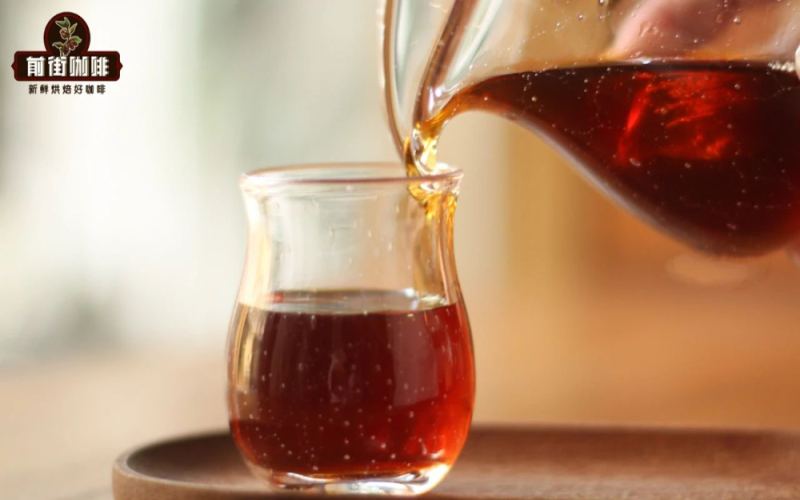
Flavor Analysis of Costa Rica Tarrazú Honey Processed Coffee Beans & V60 Pour Over Parameters
The Canet Estate in Costa Rica’s Tarrazú region cultivates Bahia Raisin honey processed coffee beans with intense fruity aroma through small-batch precision farming. This article delves into the details of this coffee, from the terroir of the region, varietal characteristics to the honey processing technique, and shares expert roasting profiles and practical V60 pour over parameters. It helps coffee enthusiasts fully grasp the traits of this medium-roast bean with prominent tropical fruit notes—mastering everything from flavor profile to extraction techniques. [more…]
Costa Rica Tarrazú Finca Carnet Bach Beans: Honey Process Flavor Profile & Pour Over Brewing Guide
Located in the Tarrazú region of Costa Rica, Finca Carnet is renowned for its high altitude and meticulous farming practices. These Bach coffee beans are processed using the grape raisin honey method, which preserves the full mucilage to deliver intense tropical fruit and berry aromas. This article delves into the terroir, varietal characteristics, and honey processing techniques, while also providing professional roasting profiles and V60 pour over parameters to help you fully experience the layers and lingering finish of this premium coffee. [more…]
Analysis of Costa Rica Bahía Honey Process Beans: Flavor Profile and Pour Over Brewing Recommendations
The Bahía coffee beans from Costa Rica’s Musician Series, crafted using the honey process, deliver a distinctive bright acidity and rich complexity. These medium-roast beans from the Canet Estate combine citrus notes with sweet sugarcane undertones, making them ideal for pour over and cold brew. This article provides an in-depth look at the origin background, processing characteristics, roasting strategy, and practical V60 brewing parameters to help you fully showcase its refreshing, smooth flavor reminiscent of lemon black tea. [more…]
Complete Guide to Cold Brew Coffee: Differences Between Ice Drip and Cold Brew, Home Brewing Tips, and Bean Recommendations
Cold brew coffee has become a popular choice in summer due to its low bitterness and smooth taste, but the brewing principles and techniques behind it are often misunderstood. This article delves into the historical origins of cold brew coffee, distinguishes the flavor differences between the two main methods—ice drip and cold brew—and provides professional-level home brewing parameters. It also recommends coffee bean varieties suitable for long-term low-temperature extraction, helping you easily master this refreshing and refined coffee craft. [more…]
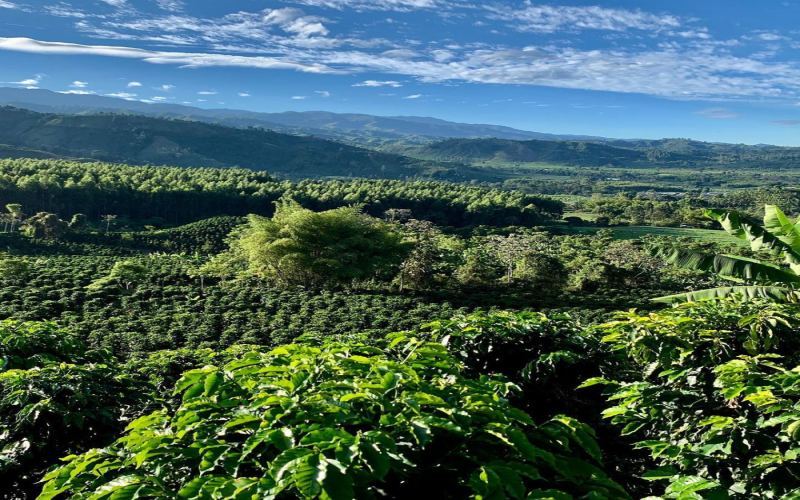
Unveiling Colombia’s Coffee Regions: A Complete Guide from Altitude Classification to Pour Over Parameters
Renowned worldwide for its balanced, rich flavors and consistent quality, Colombian coffee consistently ranks among the top choices in specialty coffee. This article delves into the country’s unique Andean terrain, diverse varietal structure, and rigorous grading system, while also providing practical pour over recommendations and parameters — helping you fully appreciate the essence of this classic coffee, from origin to cup. [more…]
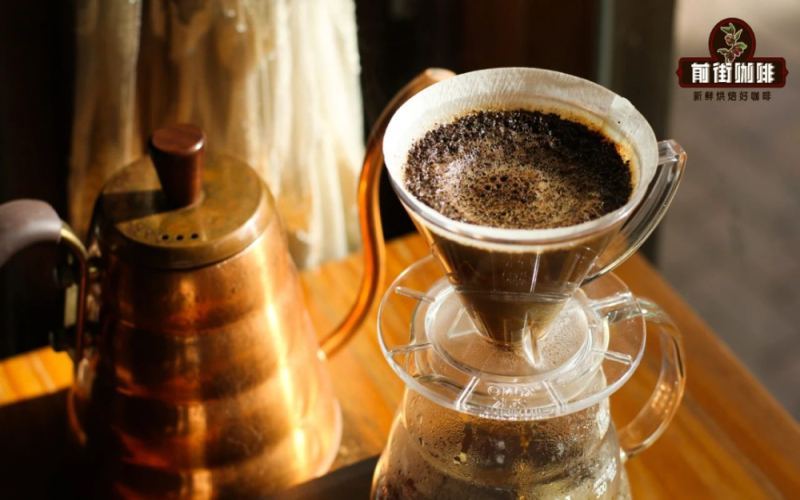
A Comprehensive Guide to Colombian Cauca Coffee Beans: Terroir, Roasting Techniques, and Pour Over Parameters
Want to understand the charm and essence of Colombian coffee? This article takes an in-depth look at the geographic advantages of the world’s second-largest coffee-producing country, explores the characteristics of its main coffee-growing regions, and focuses on the highly acclaimed Cauca Cup of Excellence beans. We’ll break it down step by step—from regional environment and coffee variety traits, to washed processing, medium-dark roasting performance, and KONO dripper pour over recommendations—so you can fully grasp the flavor potential of this classic coffee, from origin to cup. [more…]
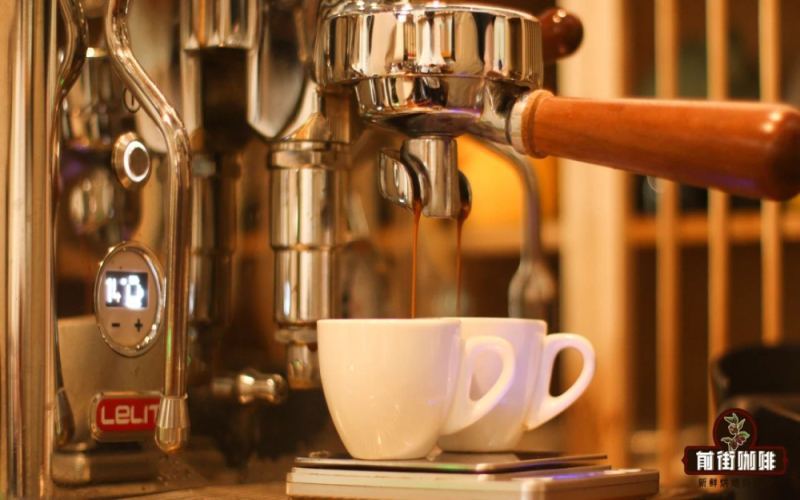
SOE Coffee Beginner’s Guide: Why Is Single-Origin Espresso More Expensive? Flavor Profile of Brazilian Yellow Bourbon
SOE (Single-Origin Espresso) has become a focal point for specialty coffee enthusiasts in recent years, but its price and flavor characteristics often spark discussion. This article delves into the fundamental differences between SOE and traditional blended beans, explains why single-origin beans cost more, and clarifies common misconceptions — for example, that SOE is necessarily light roasted or better tasting. It also recommends Brazilian Yellow Bourbon, a bean well-suited for making SOE, analyzing its classic nutty and dark chocolate flavors to help readers better understand this type of coffee. [more…]
Brazilian Yellow Bourbon Pour Over vs. SOE: Flavor Differences of Single-Origin Beans and Extraction Tests
Many people assume that single-origin espresso (SOE) is equivalent to specialty coffee, but in reality, flavor expression is greatly influenced by the characteristics of the coffee crop and the extraction method. This article uses the Yellow Bourbon from Fazenda Rainha in Brazil as an example, comparing it through both pour over and espresso methods to reveal how single-origin beans differ in flavor under different extraction conditions. It also analyzes why some single-origin beans are not suitable for espresso, while sharing the role and characteristics of Brazilian beans in blends. [more…]

Recommended Drip Coffee Bags with Arabica Beans: A Guide to 4 Single-Origin Specialties and Their Flavors for Beginners
Drip coffee bags offer a convenient alternative to pour over brewing, ideal for busy daily routines while still showcasing the unique flavors of single-origin Arabica beans. This article starts with freshness, explains key factors in selecting drip coffee, and selects four representative varieties: rich and full-bodied Brazilian beans, bright and fruity Ethiopian Yirgacheffe, balanced and round Yunnan beans, as well as low-acid and mellow Sumatra beans. With practical brewing tips, it helps you find your ideal flavor. [more…]
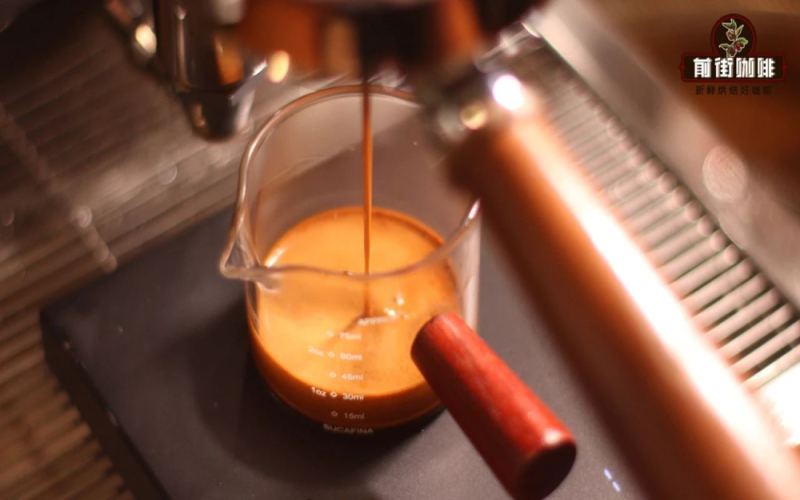
SOE Coffee Beginner's Guide: Are Brazilian Beans Suitable for SOE? Comparison with Blended Coffee and Extraction Parameters
SOE (Single Origin Espresso) refers to espresso made from a single-origin coffee bean. In recent years, it has garnered increasing attention among coffee enthusiasts. But how exactly does SOE differ from the more common blended coffee? Is it worth paying extra for? This article delves into the definition of SOE, highlights its differences compared to blended beans, offers bean selection suggestions based on different taste preferences, and includes a guide on making an SOE Dirty using Brazilian Cerrado coffee beans. [more…]

Hand-Poured Coffee Bean Selection | Regional Bean Menus and Brewing Suggestions for Three Roast Levels
To consistently brew great hand-poured coffee at home, choosing the right beans is the first step. This article focuses on the three major roast levels—light, medium, and dark—and introduces classic single-origin beans from well-known regions such as Rwanda, Ethiopia, Panama, and Costa Rica. Each bean’s flavor profile, processing method, and roast characteristics are detailed, along with practical descriptions of bean traits to help experienced enthusiasts select the most suitable beans based on personal preference. [more…]

A Complete Guide to the Bypass Technique in Pour Over Coffee: Practical Tips for Adjusting Concentration and Enhancing Flavor
Bypass (旁路) is a common yet often misunderstood technique in pour over coffee. Many coffee enthusiasts simply view it as a means of dilution. In reality, Bypass is a practical method for optimizing flavor by adjusting concentration, especially suitable for light roast coffee. This article will delve into the principles of Bypass, its practical application scenarios, and how to enhance the clarity and acidity of coffee through precise control of brew ratio, water temperature, and grind size. [more…]
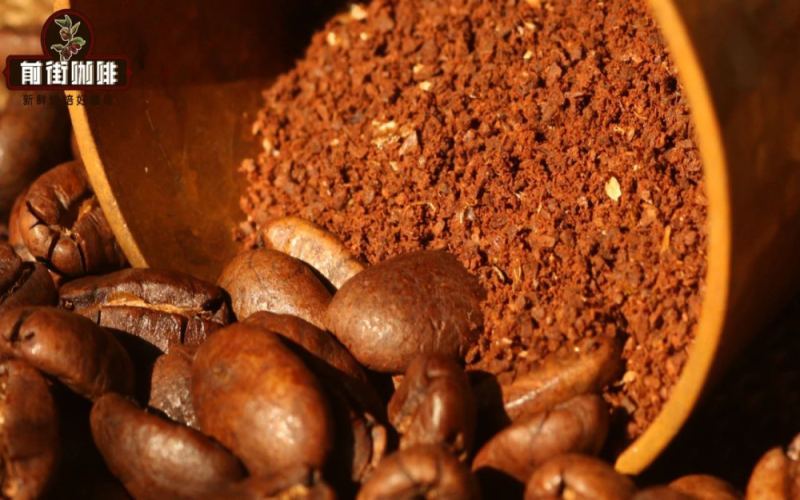
How to Adjust the Grind Size for Espresso? A Complete Guide to Flavor Tuning for Beginners to Advanced Users
The success of espresso extraction often hinges on precise control of grind size. Even a slight deviation can lead to over-extraction or under-extraction. This article takes you from the basics to understanding how to adjust to the optimal grind size based on bean characteristics and extraction conditions step by step, and explains why pre-ground coffee is not ideal for flavor performance — an essential skill for every espresso enthusiast. [more…]
Exploring Specialty Coffee in Indonesia: From Kopi Luwak to Mandheling, A Comprehensive Guide to Regional Terroir and Flavors
As a globally significant coffee-producing country, Indonesia is renowned for its unique kopi luwak and the richly flavored Mandheling from Sumatra. This article will take you on an in-depth journey through the geographic backgrounds of Indonesia’s major cities, exploring the altitude, historical development, and delicate flavors of Mandheling coffee. We’ll also analyze the regional characteristics of the specialty-grade kopi luwak produced at Fuen Estate. Whether you’re a beginner pour over enthusiast or looking to deepen your bean selection knowledge, you’ll find practical insights for purchasing and brewing. [more…]
In-depth Analysis of Indonesian Civet Coffee: A Comprehensive Guide to Origin, Flavor, Processing Method, and Pour Over Techniques
Did you know that so-called 'cat poop coffee' isn't actually as disgusting as it sounds? This article will take you through the real production process of civet coffee, the principle of internal fermentation, as well as its unique flavor characteristics. We've also compiled actual roasting and pour over parameters from Indonesia's Aceh region to help you gain a more comprehensive understanding of this controversial specialty coffee. [more…]
The Secrets of Civet Coffee’s Origins and Flavor Profile | A Guide to Brewing and Selecting This Rare Bean
Do you know where civet coffee actually comes from? This rare coffee from Indonesia, “fermented” in the digestive tract of the civet cat, not only boasts a unique flavor profile but also involves a production process surrounded by controversy. This article delves into the distribution regions of civet coffee, the habits of the civet cat, the digestion and fermentation process, while also exploring its true flavor characteristics and proper brewing methods. Additionally, we recommend high-value alternative beans to help you gain a more comprehensive understanding of this highly talked-about coffee. [more…]
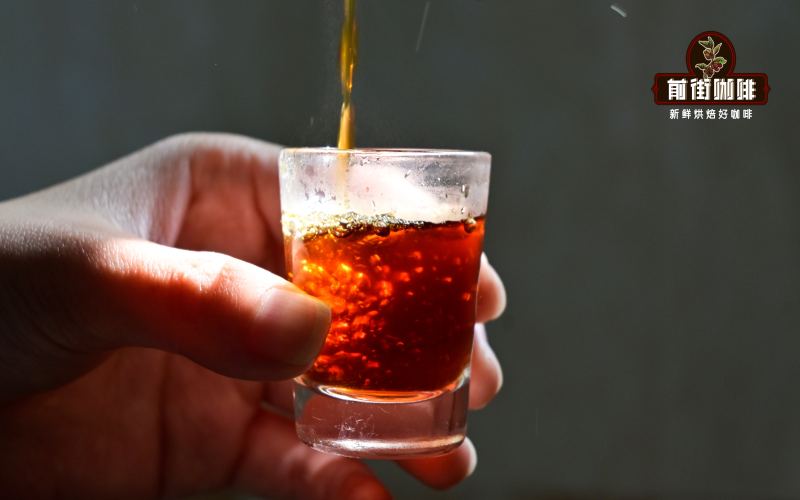
The Truth About Decaf Coffee: Health Benefits, Flavor Analysis & Pour Over Bean Selections
Decaf coffee is a popular choice for those who enjoy the aroma of coffee but are concerned about its impact on sleep. This article delves into the origins of decaf coffee, its production principles, and analyzes the extent to which its nutrients are retained and its potential health benefits. It also addresses common questions, such as whether decaf coffee is truly caffeine-free and whether it affects flavor. At the end, we’ve also selected medium-to-dark roasted decaf beans suitable for pour over brewing to help you find the right option. [more…]
A Complete Guide to El Salvador SHG Coffee: Regional Flavors, Grading Standards, and Pour Over Brewing Techniques
El Salvadorian coffee is renowned for its bright acidity, rich aftertaste, and refined balance, with its SHG (Strictly High Grown) beans being premier representatives of fine coffees in Central and South America. This article delves into the nation’s journey from indigo dye production to becoming a coffee powerhouse, explores the three key altitude-based classifications—SHG, HG, and CS—and the distinctive flavor profiles of its nine major growing regions. It also covers the characteristics of classic varieties such as Typica and Bourbon. Through practical insights on roasting and V60 pour over parameters, it helps you master the art of brewing El Salvadorian coffee. [more…]