







Introduction:Want to understand the charm and essence of Colombian coffee? This article delves into the geographical advantages and key regional characteristics of the world’s second-largest coffee-producing country, with a focus on the highly acclaimed Colombian Cup of Excellence beans. We’ll break it down step by step—from regional environment, variety traits, washed processing, to medium-dark roast performance and KONO filter pour over recommendations—so you can fully grasp the flavor potential of this classic coffee from origin to cup.
Colombia is the world’s second-largest coffee producer after Brazil, exporting around 13 million bags (each weighing 60 kilograms) of coffee annually. With its stable quality and distinctive flavors, it has become a classic choice for many coffee enthusiasts. Interestingly, Colombia is one of the few regions that can market single-origin coffee directly under its country name. This is not only backed by its production volume but also the result of rich regional characteristics and refined processing techniques.
Coffee cultivation in the country is primarily concentrated along the three branches of the Andes Mountains—the Cordillera mountain range. These mountainous regions feature cool, humid climates with significant day-night temperature variations. The terraced landscape creates diverse microclimates, enabling coffee to be harvested year-round. Additionally, Colombia does not face the severe frost issues that plague Brazil, providing a more stable environment for coffee growth.
In terms of coffee varieties, Colombia grows almost exclusively Arabica, making it one of the world’s largest exporters of Arabica coffee, while the proportion of Robusta is extremely low. More importantly, Colombia is also a leader in the export of washed coffee beans. Its rigorous post-harvest processing ensures clean, bright acidity and delicate layers in the cup.
Colombian coffee mainly comes from the central Andean region, particularly the renowned MAM zone comprising Medellin, Armenia, and Manizales. Among these, Medellin-grown coffee is the most representative, often featuring full-bodied beans, intense aromas, and a well-balanced sweet-and-acidic profile, seen as a symbol of high quality. Eastern mountain regions such as Bogota and Bucaramanga also have notable producing areas, with Bogota coffee being prized for its softness and low acidity.
The star of this introduction is a Cup of Excellence (COE) lot from Colombia’s Cauca region. Located in the southwest of the country, Cauca features rugged terrain and high altitudes, making it a classic high-mountain coffee-growing area. This particular coffee comes from the Suarez sub-region within Cauca, grown at elevations ranging from 1758 to 2100 meters. The fertile volcanic clay soil provides ample nutrients for the coffee trees.
This lot uses the Caturra variety, which is common locally and well-adapted to high altitudes. Through the washed processing method, the beans retain a clean and bright flavor foundation while showcasing pronounced fruity acidity and delicate aromas. The harvested green beans are round and plump in appearance, with a yellowish-green hue, good uniformity, and slightly higher moisture content—all indicators of high-quality washed beans.
In terms of roasting strategy, many professional roasters opt for a medium-dark roast to bring out the potential of this coffee. The goal of medium-dark roasting is to achieve a balanced sweet-and-acidic base while further highlighting mellow roasted notes such as chocolate and nuts, all while preserving its distinct regional flavor characteristics. This roasting approach not only suits those who prefer a fuller-bodied cup but also enhances the coffee’s layered complexity.
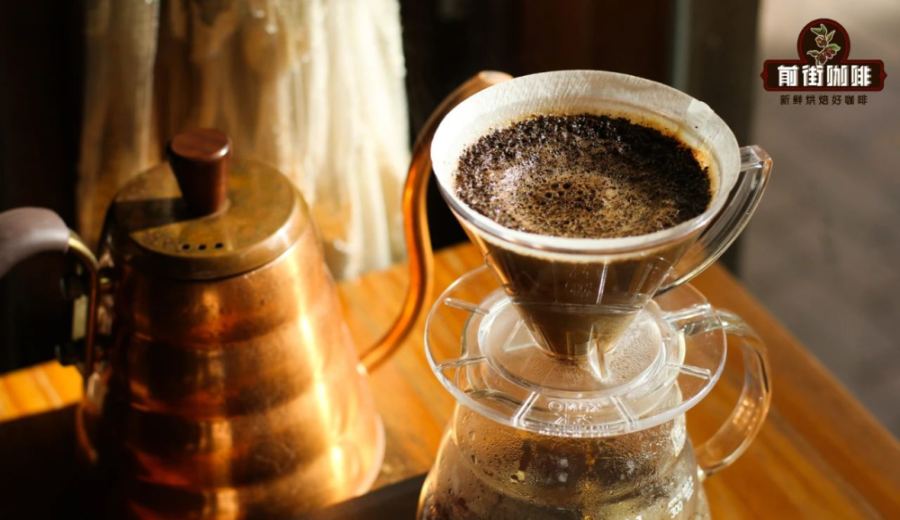
If you’d like to recreate the pour over flavor of this Cauca COE coffee at home, you can follow the KONO filter brewing recommendations below: the suggested water temperature range is 86 to 88°C, and the grind size can be set to the 10th notch on the EK43s grinder, roughly equivalent to a medium grind for pour over. The recommended powder-to-water ratio is 1:13 to 1:14, with a total extraction time controlled to around 1 minute and 50 seconds. This parameter combination helps fully extract the coffee’s sweetness and body while maintaining clarity of flavor.
In summary, Colombian Cauca coffee not only embodies the unique terroir of its high-altitude region but also showcases the refined expression achieved through washed processing and appropriate roasting. Whether you’re a beginner or an experienced coffee enthusiast, understanding the origin background and brewing details of this coffee will allow you to enjoy a richer and more rewarding sensory experience.
The above content is compiled by CoffeeHunters, a coffee news website.


