







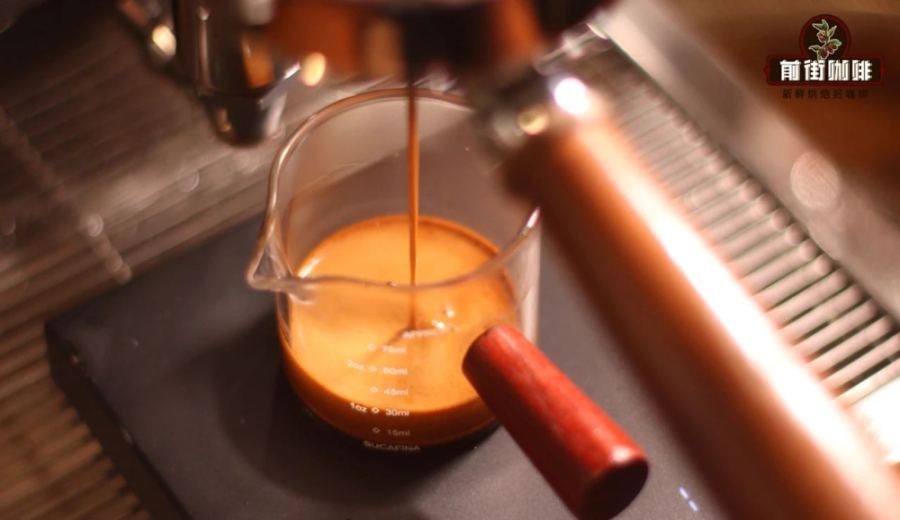
Introduction:SOE (Single Origin Espresso), or single-origin espresso, has garnered increasing attention from coffee enthusiasts in recent years. But how does it differ from the more common blended coffee? Is it worth paying extra for? This article delves into the definition of SOE, compares it with blended beans, offers bean selection advice based on different taste preferences, and includes detailed extraction parameters and steps for making an SOE Dirty using Brazilian Cerrado coffee beans to help you better understand this distinctive type of coffee.
For regular coffee drinkers, espresso and single-origin coffee are no longer unfamiliar terms. However, when it comes to SOE, many still feel puzzled. SOE stands for Single Origin Espresso, referring to espresso extracted from single-origin coffee beans, which can also be used to make various coffee beverages such as Americano, latte, or Dirty. Compared to typical blended espresso beans, SOE is usually slightly more expensive and often comes with more diverse flavor descriptions. What’s its allure, and is it worth trying? This article starts with the basic definition, compares the differences between SOE and blended beans, provides bean selection tips based on acid and bitterness preferences, and includes a practical extraction demonstration to help you grasp the essence of SOE all at once.
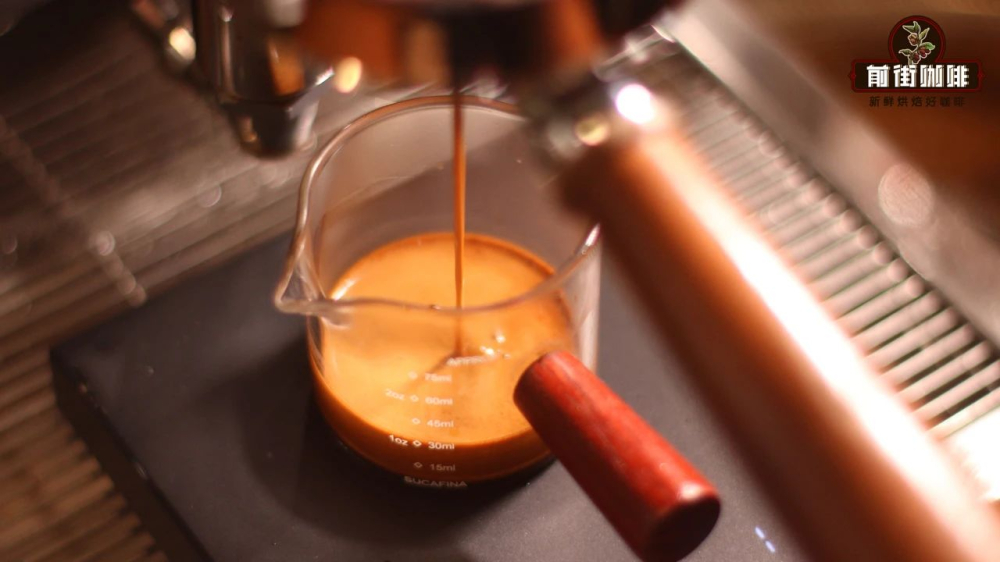
Many coffee consumers may not yet be familiar with the term SOE. While espresso and single-origin coffee have long been part of daily life, SOE is a term that has only gained popularity in recent years. Have you ever had this experience: when ordering at a café, the staff asks if you’d like to try SOE, but you’re left confused, not knowing what it means? Only after learning more do you find out that SOE is not only slightly more expensive but often comes with more layered flavor descriptions, making you want to experience it firsthand. Next, we’ll thoroughly clarify what SOE really is and whether it’s worth your money to try.
SOE, short for Single Origin Espresso, refers to espresso extracted using single-origin coffee beans. Such coffee can be consumed purely as espresso, or extended into creative drinks like lattes, Americanos, or even Dirty. For example, a latte made with espresso extracted from a specific single-origin Brazilian bean can be called a “Brazilian SOE Latte”; if a sun-dried bean is used to make a Dirty, it can be called a “Hua Kui SOE Dirty.” Does this explanation make the concept of SOE clearer?
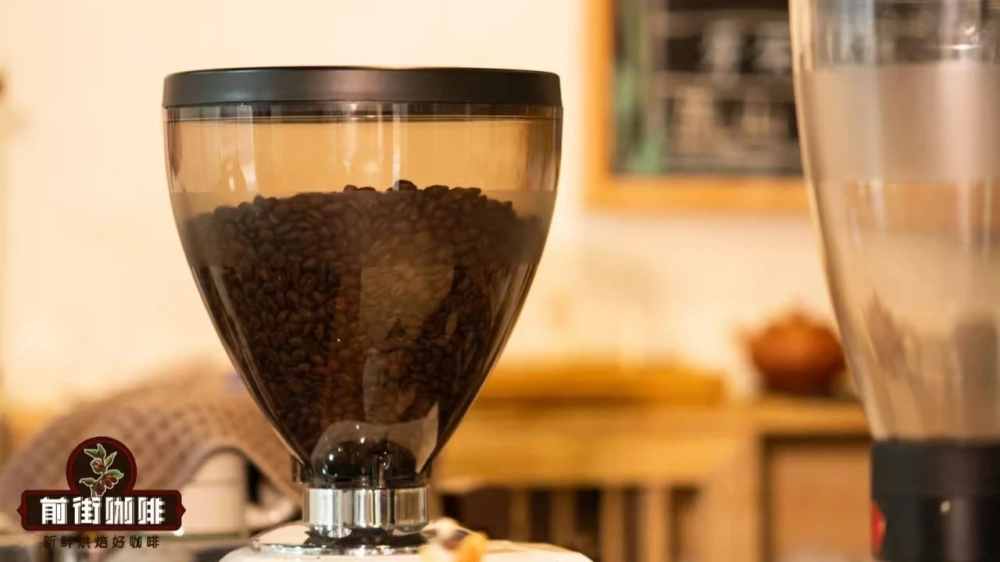
Speaking of SOE, one cannot avoid mentioning blended coffee. Blended beans are typically a mix of two or more coffee beans from different origins (usually by country) to balance cost, flavor stability, and extraction performance. There are also blends specifically designed for espresso machines or pour over, but the mainstream remains commercial espresso extraction. For instance, the commonly seen dark roast blends have caramel, nut, and chocolate notes, suitable for mass production with consistent flavor. These beans are very common in the market and, due to their stability and cost-performance ratio, are staple beans in many cafés.
So, how did SOE come about? Looking at the development trajectory of specialty coffee, the rise of SOE is closely related to the philosophy of specialty coffee. One of the core ideas of the specialty coffee movement is to improve coffee quality at the origin, including establishing planting and processing standards, providing technical support to farmers, and purchasing high-quality beans at higher prices, thereby encouraging producers to engage in more refined cultivation and post-processing. This enables some single-origin coffee beans to showcase unique regional flavors, laying the foundation for the birth of SOE.
In the past, our impression of espresso was often that it had a strong bitterness, balanced mouthfeel, and was suitable for drinking with milk. This isn’t an issue of extraction technique, but rather a result of cost and stability considerations—most shops used to opt for blended beans. In contrast, single-origin coffee places more emphasis on regional characteristics and the impact of processing methods. It first gained prominence in methods like pour over and siphon, and was later gradually applied to espresso extraction, giving rise to what we now call SOE.
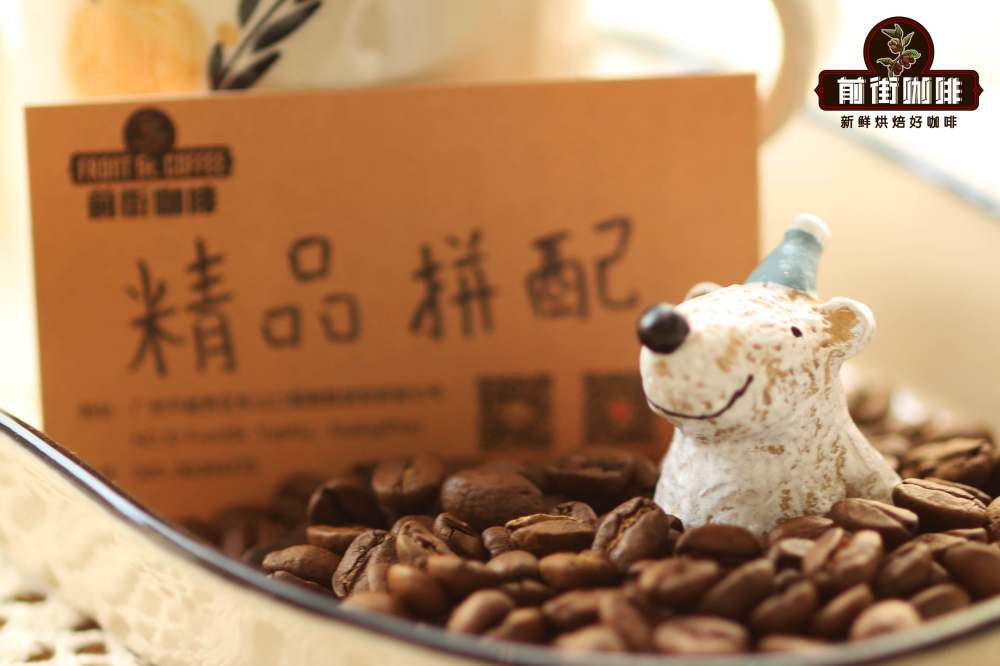
If you want to enjoy a high-quality SOE, in addition to the quality of the beans themselves, selecting coffee beans that match your taste preference is also quite important. Generally, the flavor profile of coffee can be roughly divided into two major types: “bright acidity” and “mellow low-acidity.” If you prefer lively flavors like fruity acidity and floral notes, you might consider single-origin beans with distinct citrus or berry tones, such as sun-dried beans with floral and fruity aromas. Conversely, if you prefer a rich, full-bodied, and low-acid taste, you could choose deeply roasted beans with nut and chocolate flavors, such as those from certain regions in Indonesia or Brazil.
Next, we’ll demonstrate how to use Brazilian Cerrado beans to make a uniquely flavored SOE Dirty. These beans have distinct nutty and caramel tones, making them perfect for creating a Dirty drink with a cold-hot contrast. Below are detailed equipment suggestions and extraction parameters suitable for general home and small commercial espresso machines.
It’s recommended to use a home espresso machine with a pressure of 9 bar or higher, paired with a grinder that offers stable grind consistency. This demonstration uses a double-shot portafilter with a capacity of about 18–20 grams. The actual coffee dose is 20 grams, aiming to extract 40 grams of coffee liquid, with a coffee-to-water ratio of 1:2. The extraction time is controlled between 26–33 seconds, and the grind setting can refer to Galileo 2.0. These parameters can balance richness and flavor complexity while avoiding over-extraction or under-extraction.
To make it, first prepare a transparent glass cup with about 200 ml capacity, and pour in 160 ml of fresh cold milk. Then, place 20 grams of ground coffee into a moistened portafilter, distribute the grounds evenly, tamp lightly to ensure a compact puck structure. Before starting the extraction, run water through the group head to flush out any residual coffee grounds, then attach the portafilter and begin extraction. When the scale shows that 40 grams of coffee liquid have been extracted and the time is between 28–33 seconds, the extraction is complete. Pour the espresso over the milk to create a SOE Dirty with a striking cold-hot contrast and layered flavors.
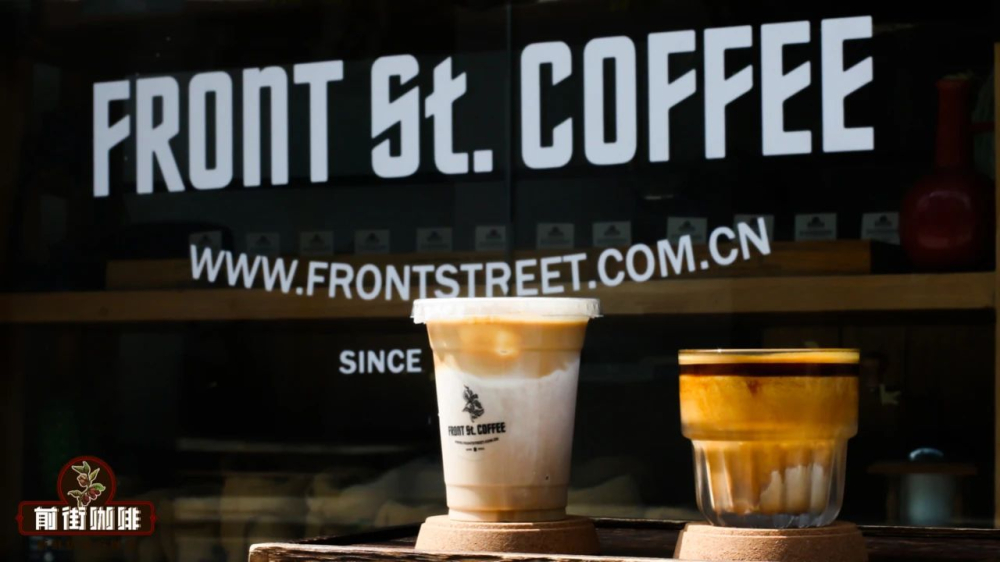
This Brazilian Cerrado SOE Dirty offers an upfront aroma of almonds and caramel, accompanied by a peanut-like richness, with a silky-smooth mouthfeel. The hot espresso layer contrasts strongly with the cold milk below—each sip is sweet with a hint of bitterness, offering a highly layered experience, making it ideal for coffee lovers who enjoy bold flavors and creative brewing styles.
The above content is compiled by CoffeeHunters, a coffee news website.


