







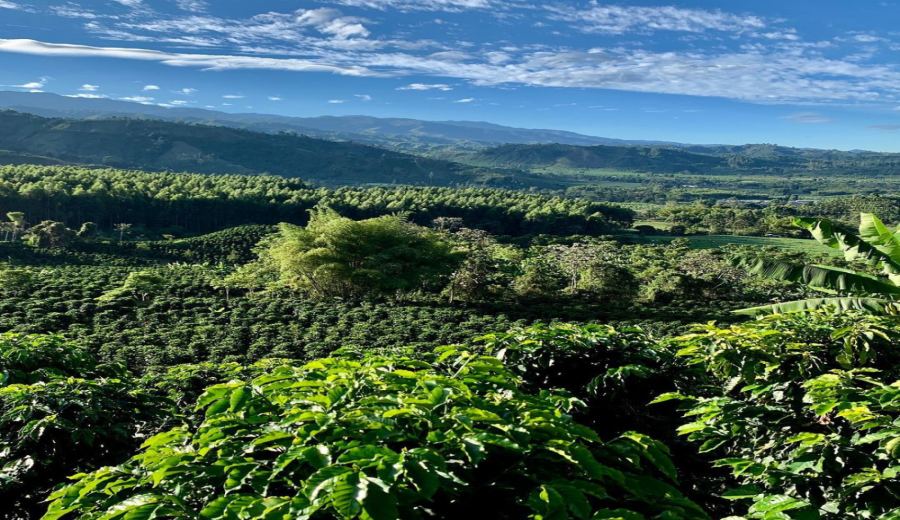
Introduction:Colombian coffee is renowned for its balanced and richly bodied flavor, as well as its consistent quality, and has long ranked among the top choices for specialty coffee worldwide. This article delves into its unique advantages: the ideal Andean mountain terrain, diverse varietal structure, and rigorous grading system. It also provides practical pour over recommendations and parameters to help you fully grasp the essence of this classic coffee from origin to cup.
Colombian coffee has always been celebrated for its smooth mouthfeel and perfect balance, making it an ideal entry point for many coffee beginners stepping into the specialty realm. What advantages does this South American country possess that allow it to maintain such a significant position in the global coffee market? From the diverse micro-regions shaped by the three-dimensional climate of the Andes Mountains, to the strict quality control management by FNC (Colombian Coffee Growers Federation), from its rich variety combinations to the multi-layered export grading standards, and even the critical details during actual brewing—this article will comprehensively explore key aspects of Colombian coffee, from terroir and variety characteristics, processing methods, grade classifications to brewing techniques, taking you on a journey to discover how this land produces such uniquely clean and sweet flavors in the cup.
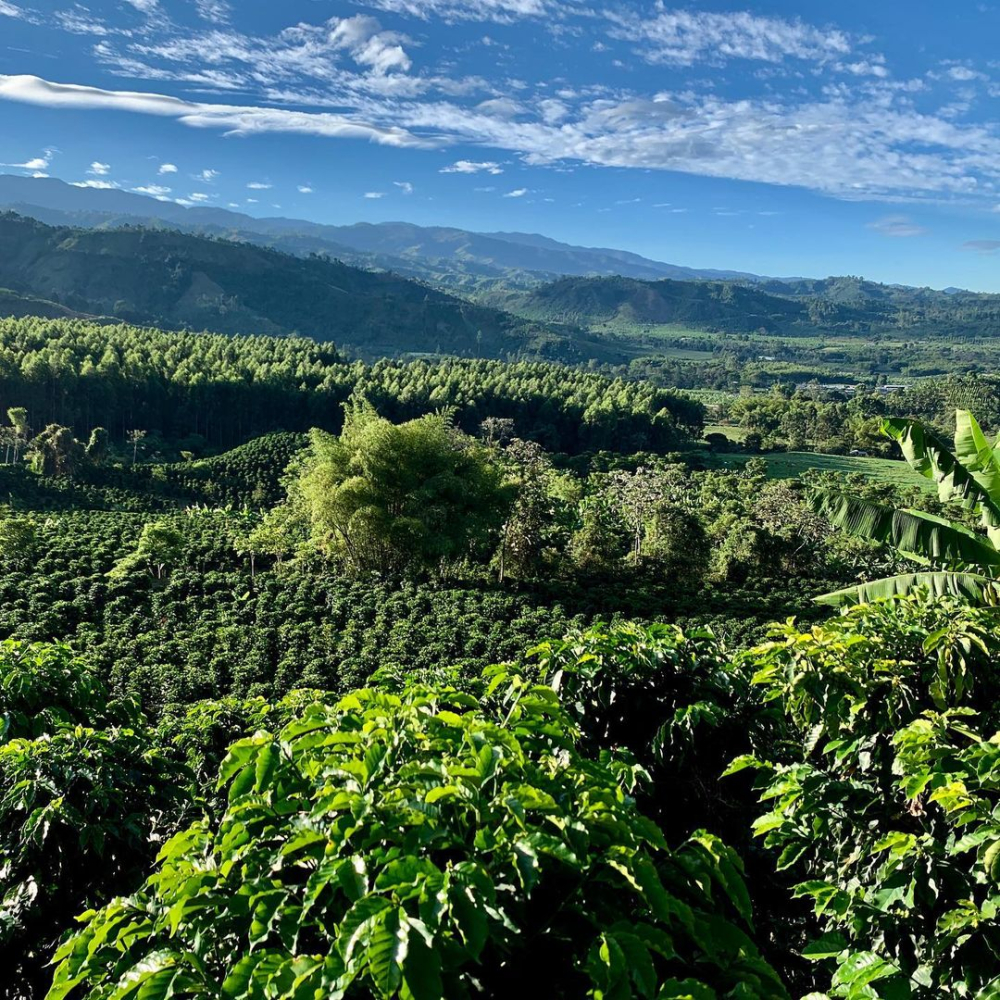
The flavor profile of Colombian coffee is distinguished by its velvety smoothness and excellent overall balance, earning high praise in the international market. Among the world’s many coffee-growing regions, it is extremely rare for a country’s name to be used as a single-origin designation—and Colombia is one of them. As a result, it is often considered an ideal starting point for specialty coffee. Many consumers naturally associate "Colombian coffee" with "high quality" and "excellent flavor."
In what ways do the advantages of Colombian coffee manifest? First, like other agricultural products, coffee quality is influenced by numerous factors including variety, climate, altitude, cultivation management, harvesting methods, and post-harvest processing. Coffee is a tropical cash crop that thrives best in high-altitude, frost-free regions. For every 100-meter increase in altitude, the temperature drops by approximately 0.6°C. Under lower temperatures and oxygen levels, the ripening process of coffee cherries slows down. The coffee tree then channels more nutrients to the fruit, resulting in beans with higher density, firmer structure, and more ample time to accumulate and store nutrients in the form of sugars. The Andes Mountains within Colombia provide precisely these "demanding" yet ideal growing conditions.
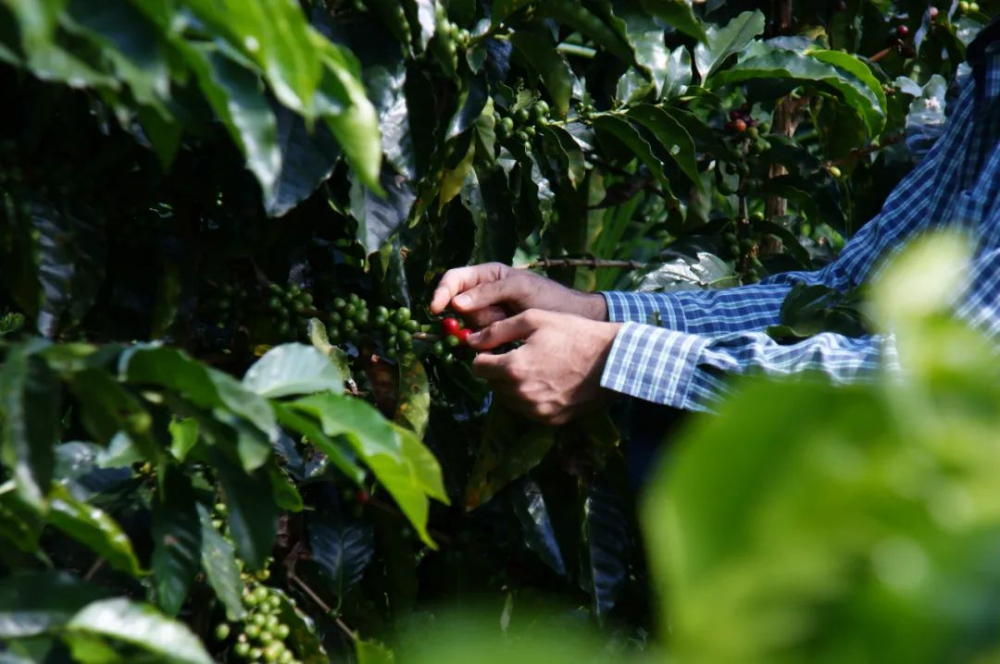
The Andes Mountains stretch across western Colombia, formed by three north-south mountain ranges, and boast fertile, organic-rich soils. Coffee trees are primarily grown on slopes at elevations between 800 and 2,300 meters, where they enjoy abundant sunlight as well as natural shade from cloud cover. The region features a diverse climate with harvests available year-round, as different coffee varieties ripen in different seasons, ensuring a constant stream of busy harvest activity. Local farmers commonly plant coffee trees under tall shade trees (such as timber or banana trees), and set up shade structures for seedlings to ensure appropriate shade and humidity during early growth stages. The coffee farms have high humidity and small diurnal temperature variations, helping the beans mature slowly and accumulate richer caffeine and aromatic compounds, thus achieving outstanding quality.
The achievements of Colombian coffee stem not only from its geographical advantages but also from the deep emotional connection and unwavering dedication of local farmers. With industry evolution—especially bolstered by techniques such as hand sorting, precision fermentation, and professional cupping—Colombian coffee has developed remarkably rich layers, naturally becoming a favorite among coffee enthusiasts.
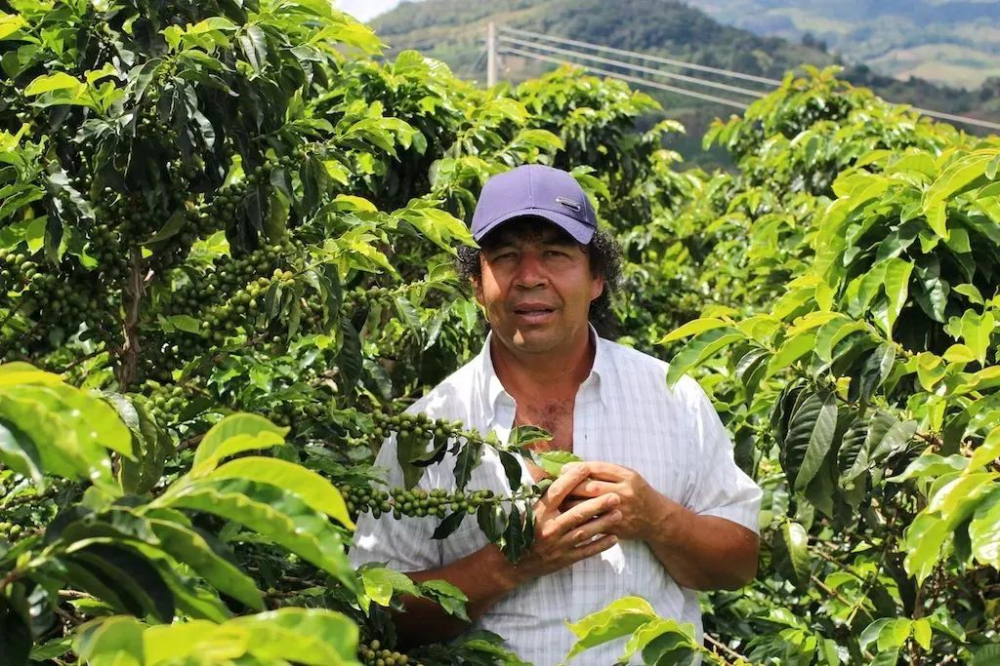
The specialty coffee farming model in Colombia originally mostly exported under regional names. Even specialty-grade beans were limited to small local micro-lots at the time. Since most local smallholder farms are relatively small in scale, and even fewer have their own processing equipment. It was not until the 20th century, with the establishment of FNC (Colombian Coffee Growers Federation), that the coffee industry experienced vigorous development. FNC is one of the world’s largest agricultural NGOs, representing over 560,000 coffee farming families. It is committed to promoting the global image of Colombian coffee (such as the iconic old farmer Juan Valdez and his mule), while rigorously ensuring the quality of every exported batch. Beyond international marketing, FNC also invests heavily domestically to support farmers in planting, management, and sustainable operations.
With the assistance of FNC, Colombia now has 590 municipalities and 14 major coffee-growing regions in production, covering a total area of 875,000 hectares, the vast majority of which are small coffee farms. A typical smallholder cultivates about 2 to 3 acres, and they usually send their coffee cherries to community processing stations for washed processing, or set up their own basic processing equipment, before finally sending the beans to official grade assessment centers.
Geographically, Colombian coffee-growing regions can be clearly divided into three main areas: northern, central, and southern. Among them, specialty beans mainly come from the southern region, typically grown at altitudes above 1,500 meters, including San Agustín in Huila Province, Popayán in Cauca Province, as well as Nariño and Tolima provinces. These regions are known for their delicate acidity, bright berry notes, and rich caramel sweetness.
Colombia grows a wide range of coffee varieties, with traditional Arabica types still dominating—such as Caturra, Bourbon, Typica, and Pacamara—while rare varieties like Gesha are gradually emerging. The classic Colombian everyday beans come from Huila Province, using the widely planted Caturra variety. They undergo natural washed processing, and after roasting, exhibit a classic flavor balance of acidity, sweetness, and bitterness.
Colombian coffee generally employs the washed processing method. With the rise of the specialty trend, some farms have also introduced carefully designed small-batch offerings using natural sun-dried, honey, or special processing methods—such as the popular Rosario Valley and Flower Moon Night coffees, beloved for their rich floral and fruity aromas. However, if you wish to taste the most authentic and clean flavor of Colombian coffee, washed processing remains the top choice, as it fully highlights the pure characteristics of high-altitude coffee.
Colombia is rich in water resources, making it highly suitable for washed processing. Most family farms are equipped with specialized green bean processing equipment (such as Ecomill or Eco-Pulper). Farmers pour harvested coffee cherries into the machines, which not only remove the skin and pulp but also eliminate most of the mucilage with minimal water. The remaining mucilage-covered parchment beans are then placed in small tanks (such as tile tanks) for overnight fermentation to loosen residual mucilage, washed clean with fresh water the next day, and finally spread out to dry in the sun until reaching the target moisture content.
The grading system for Colombian coffee is quite stringent. Pre-export green beans are graded by screen size using fixed-diameter sieves—the higher the screen number, the larger the beans that pass through. Common export grades include UGQ, EP, and Supremo. It’s worth noting that all Colombian green beans intended for export fall under the Excelso grade, which is currently the most widely adopted export standard by FNC and also represents the highest quality. The Excelso grade requires: in 500 grams of green beans, the size must be greater than 14 mesh, allowing no more than 5% between 12–14 mesh, and at least 50% of the beans must be larger than 15 mesh. In addition, green beans must be free of pests, have uniform color, exhibit no off-flavors, offer clean flavors, have a moisture content not exceeding 12.5%, and have a total defect score not exceeding 24.
Each batch of coffee is registered with a serial number and production region information to ensure future traceability of origin. Exported Colombian green beans are typically named in the format of "Country + Region + Grade + Other," for example, "Colombia Huila Supremo SC17/18 FNC."
When actually brewing Colombian coffee, freshness is crucial. It is recommended to choose beans roasted within 5 days to fully experience their complete flavor spectrum. Take a medium-dark roasted Colombian Huila everyday bean as an example: its flavor leans toward nutty and chocolatey tones, with a looser texture and good water absorption. Therefore, it is recommended to use a medium grind (e.g., 75% passing through a 20-number sieve), and moderately reduce the water temperature to 90°C. Brewing with a KONO filter helps extend contact time between water and coffee grounds, enhancing body and richness.
Recommended brewing parameters: Use a KONO filter, water temperature 90°C, grind size 75% passing through a 20-number sieve (approx. 1:15 coffee-to-water ratio, 15g coffee), employing a three-stage extraction—first, pre-infuse with twice the coffee weight in water (about 30g) for 30 seconds, then pour water in small streams in a circular motion from the inside out until reaching 125g for the first pour. Once the coffee bed has settled to the middle of the filter, continue pouring with the same fine stream until reaching 225g. Total extraction time is around 2 minutes. This method fully brings out aromas of chocolate, nuts, and caramel, resulting in a smooth and sweet taste with moderate body. As it cools, you can also appreciate the gentle layers of acidity.
The above content is compiled by CoffeeHunters, a coffee news website.


