







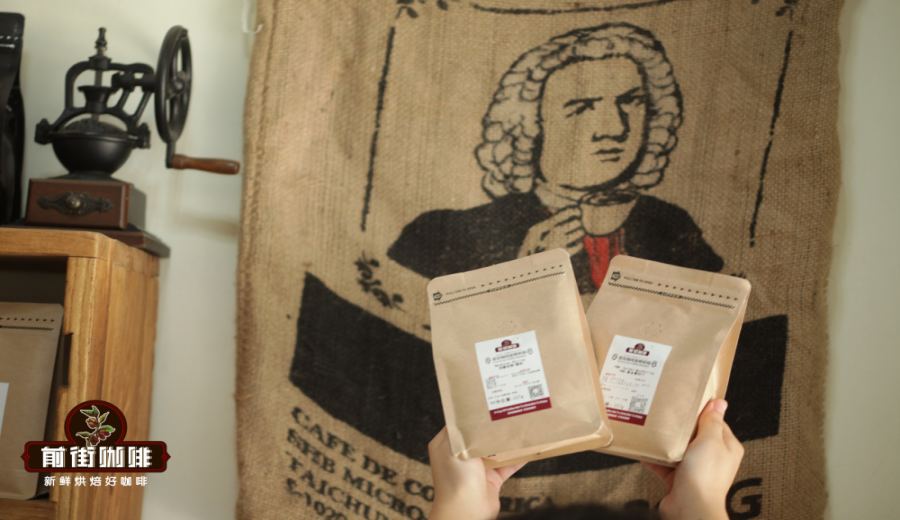
Introduction:The Tarrazú region of Costa Rica is renowned for its sweet and layered flavor profile, and among its offerings, the Mozart coffee beans stand out with their raisin honey process that showcases intense fruity aromas and unique fermentation characteristics. This article takes an in-depth look at this high-altitude-grown Catuaí and Caturra variety, exploring everything from the regional background and processing techniques to the optimal brewing methods—helping you master the brewing secrets of this music-themed specialty bean.
Costa Rican coffee has long been celebrated for its prominent sweetness and complex layers, and it is also world-famous for its series of beans named after musicians. Among them, the Mozart coffee beans come from the renowned Canet Estate in the Tarrazú region. Using the raisin honey process that retains the whole fruit mucilage, it allows the green beans to accumulate higher sugar content and fermentation potential, ultimately presenting a bright acidity akin to white wine along with rich floral and fruity notes.
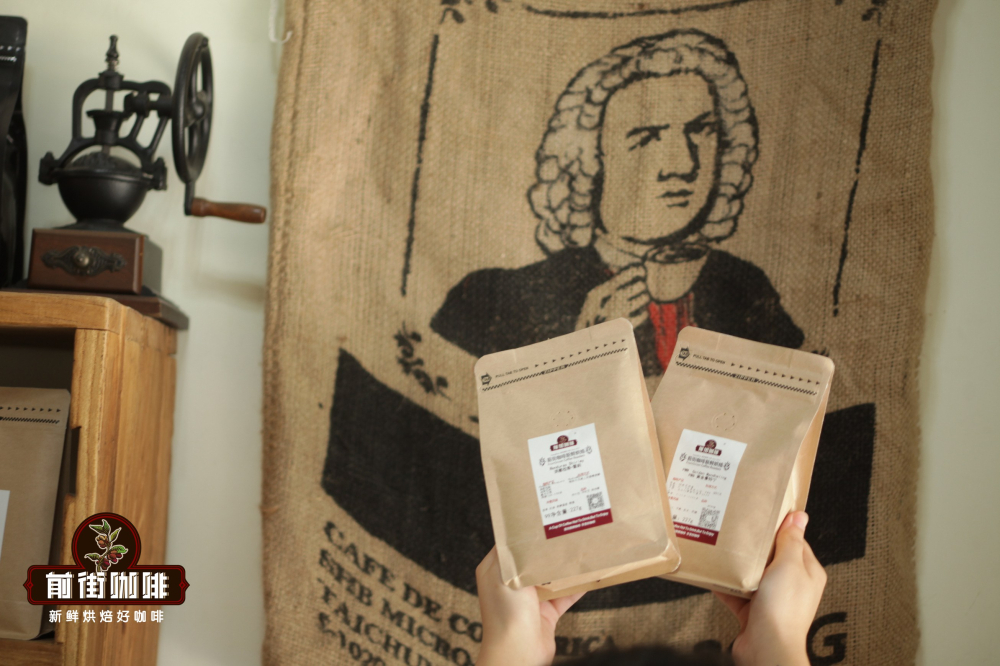
If we were to compare coffee to a symphony in the beverage world, Costa Rica could be described as a “musicians’ alliance” that brings together the essence of various regions. From the vibrant fruit acidity typical of African beans to the bold and mellow richness of Asian-origin coffees, beans from the Americas are generally known for their balanced acidity and sweetness. Costa Rica, in particular, stands out with its consistent quality and diverse processing methods. The country first introduced coffee cultivation from Cuba in 1729, becoming the first Central American nation to commercially grow coffee. By 1854, its premium beans earned it the title “Golden Bean” from British nobility.
These Mozart coffee beans, named after the classical music maestro, are grown at an altitude of 1,980 meters in the Tarrazú region. Located south of the capital, San José, the area not only boasts fertile, well-drained volcanic soil but also benefits from a year-round moderate temperature variation that aids in the slow maturation of coffee cherries, allowing them to accumulate a wealth of flavor compounds.The Canet Estate is part of the processing facilities under the Black Gold brand, focusing on developing small-batch, specialty processing methods that leverage local terroir characteristics.Its predecessor was originally a local red fruit collection station, witnessing the hard work and harvests of countless coffee farmers.

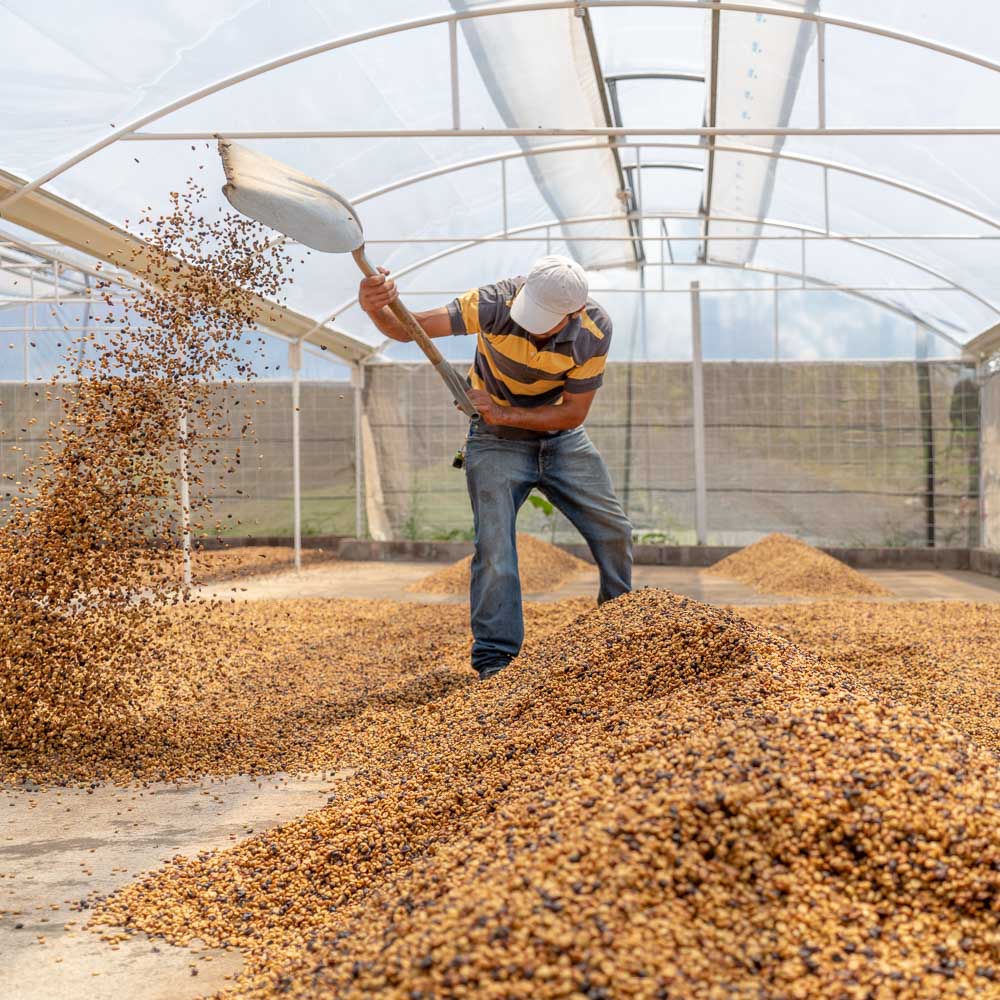
The Mozart coffee beans are made from two classic Arabica varieties—Caturra and Catuaí—and showcase their unique charm through the raisin honey process. This technique fully preserves100% of the fruit mucilage layer without any pre-washing treatment. On the day of harvest, unripe or overripe berries are first removed through floatation, and the remaining high-quality coffee cherries are then placed on raised beds to dry for at least 72 hours before the outer skin is removed and drying continues. Since the mucilage is rich in sugars, preserving it entirely allows the green beans to absorb more sweet substances, but it also places higher demands on temperature and humidity control.
Professional cupping tests have confirmed that these beans exhibit a refreshing acidity similar to white wine, accompanied by intense fermentation aromas and vivid floral and fruity notes, with a honey-like, lingering sweetness in the aftertaste.The roaster specifically used a medium roast level to balance the multiple expressions of floral, fruity, and deep syrupy notes,resulting in a more three-dimensional overall flavor profile.
During actual tasting, freshly ground Mozart coffee beans release the fresh aroma of orange peel and complex floral scents. It is recommended to use a Hario V60 filter cone withmedium-fine grind (approximately 80% passing through a #20 sieve)and perform a three-stage pour-over extraction with 91°C hot water. This method balances flavor complexity with ease of operation, making it suitable for most home brewers.
Specific parameters are suggested as follows: 15 grams of coffee, a total brew ratio of 1:15, with the first pour of 30 grams of hot water for a 30-second bloom to initiate extraction; the second pour involves pouring in a circular motion from the center outward up to 125 grams, then topping up to 225 grams after the liquid level drops; the total extraction time should be controlled to around 2 minutes. Maintain a stable flow rate and even water coverage to avoid channeling or localized over-extraction that could affect balance.
The brewed Mozart coffee delivers a rich sensory experience: upon the first sip, one can discern distinct sweetness reminiscent of raisins and dried fruits, paired with soft berry acidity and vibrant floral notes; the mid-palate gradually reveals the mellow aftertaste of caramel and cane sugar, while the finish lingers with the distinctive vinous aroma of fermentation and delicate spicy undertones. This dynamic evolution of flavors is the unique flavor signature shaped by the raisin honey process and the high-altitude environment of Tarrazú.

The above content is compiled by CoffeeHunters, a coffee news website.


