








Introduction:The Musician Series coffee beans launched by Costa Rica’s Tarrazú region are named after classical music masters, combining unique processing methods with local terroir to present delicate and varied flavor profiles. This article delves into the naming origins, regional characteristics, processing techniques, as well as detailed pour over parameters and extraction tips for beans such as Mozart, Bach, and Beethoven, helping coffee enthusiasts fully experience the cross-border dialogue between music and coffee through scent, taste, and touch.
In the high-altitude Tarrazú region of Costa Rica, there is a series of coffee beans named after Western classical music masters—Mozart, Bach, Beethoven, Chopin—not only carrying the artistic soul of these musicians but also showcasing the distinctive sweet fruitiness and clear layers typical of Costa Rican coffee. These beans come from the Finca Carretos estate, crafted through raisin honey or washed processing to create a complex flavor profile that combines the sweetness of dried fruits, berry notes, and subtle floral aromas, making them a popular choice for many specialty coffee enthusiasts to try or collect.
The history of coffee cultivation in Costa Rica dates back to the late 18th century, when Arabica coffee seedlings were first introduced to the Central Valley and quickly spread across the country. By 1829, coffee had become the nation’s most important cash crop and source of foreign exchange. The government even legislated to permit only Arabica varieties to be grown, strictly banning Robusta, laying the foundation for the quality of its coffee. In the 19th century, the coffee industry not only boosted the economy but also nurtured an influential elite class—so much so that some coffee farmers donated funds to build the National Theatre in the capital, San José, highlighting its elevated social status.
Costa Rican coffee is known for its balanced and mellow profile, often featuring bright acidity, soft sweetness, and a delicate chocolatey aftertaste in harmonious coexistence. The country’s seven major coffee-growing regions each have their own unique characteristics, with Tarrazú standing out due to its extremely high altitude and significant diurnal temperature variation. It has won numerous domestic and international green bean competitions and is regarded as the face of the country’s specialty coffee. The high-altitude environment slows the ripening process of coffee cherries, allowing the beans to accumulate more nutrients, resulting in dense, hard beans that produce a classic flavor profile with balanced acidity and sweetness, pronounced juiciness, and a clean aftertaste.
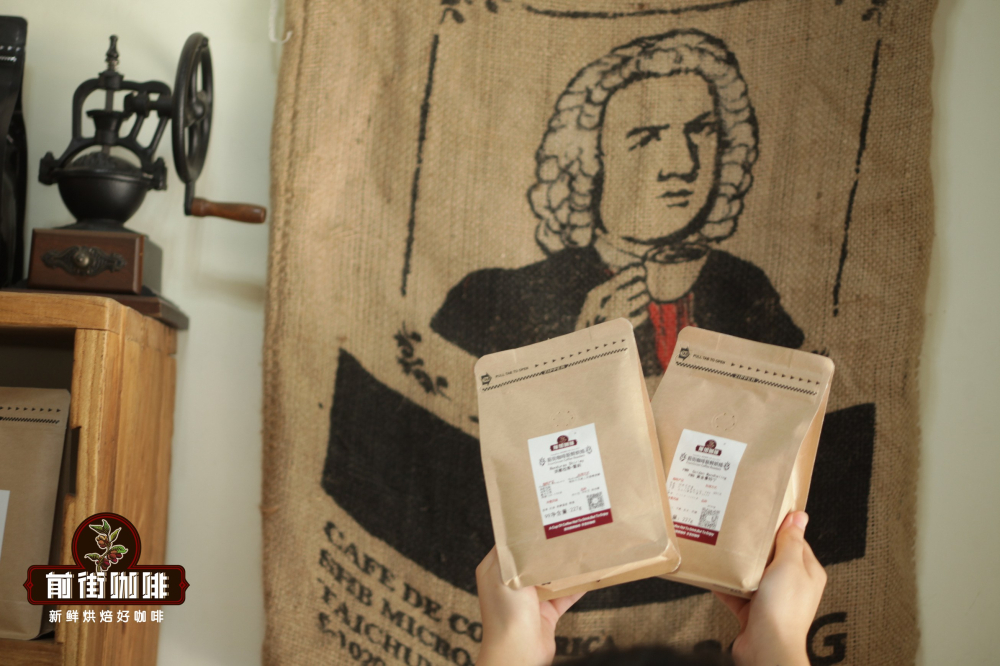
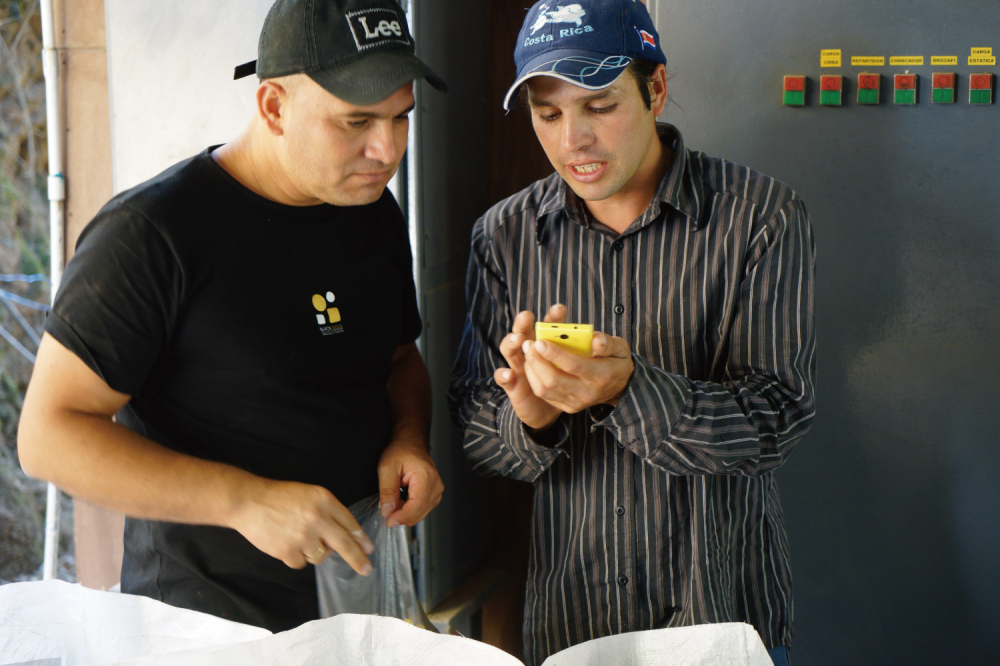
The Musician Series coffee beans are produced at the Finca Carretos estate, located at nearly 2,000 meters above sea level in the Tarrazú region. Finca Carretos is part of Taiwan’s Black Gold Coffee brand, which operates a dedicated processing facility in Costa Rica. Based on the microclimates and soil characteristics of different regions, the estate implements diverse processing methods in small batches with precision. Notably, the high-altitude Tarrazú area where Finca Carretos is located is also a major growing region for premium passion fruit and other fruits, though coffee is cultivated in only specific micro-zones in small quantities, and only fully red-ripe coffee cherries are harvested to ensure the utmost quality of the raw materials.
The reason behind the naming of the “Musician Series” actually stems from the head of the Finca Carretos processing facility’s passion for classical music. He discovered that the flavor profiles of certain coffees bear striking similarities to the emotional expressions of musical compositions—for example, one coffee exhibits unrestrained yet elegant white floral notes, paired with distinct berry tones and a honeyed sweetness in the aftertaste, perfectly matching the light and luxurious character of Mozart’s music, hence the name “Mozart.” Other beans follow this logic, linking their flavor personalities to the creative styles of musical masters, forming a unique naming narrative.
Costa Rica Musician Series — Mozart Coffee Beans
Region: Costa Rica Tarrazú
Estate: Finca Carretos
Altitude: 1,980 meters
Variety: Caturra, Catuaí
Grade: SHB
Processing Method: Raisin Honey Process
Costa Rica Musician Series — Bach Coffee Beans
Region: Costa Rica Tarrazú
Altitude: 1,950 meters
Variety: Caturra
Processing Method: Raisin Honey Process
Flavor: Fermented wine-like aroma, berries, fruit tea notes
Costa Rica Musician Series — Beethoven Coffee Beans
Region: Costa Rica Tarrazú
Altitude: 1,800–1,950 meters
Variety: Caturra, Catuaí
Processing Method: Washed Process
Flavor: Citrus, berries, floral, subtle fermented wine aroma

Among them, the Mozart coffee beans stand out particularly for their intense sweetness, thanks to the “raisin honey process”—an advanced version of honey processing. Fully red coffee cherries are harvested and, without depulping, are directly placed on raised beds for sun drying until they shrink like raisins, after which the pulp and seeds are separated. This process retains a large amount of natural mucilage, not only enhancing sweetness but also imparting a balanced acidity and sweetness akin to white wine, along with rich fermented aromas. It is recommended to roast it to a medium-light level to highlight its delicate layers. For pour over, the Hario V60 filter can be used, with a water temperature of 90°C, a 1:15 coffee-to-water ratio, and a grind size of about 80% passing through a No. 20 Chinese sieve. The specific steps are as follows: first, pour 30 grams of hot water for a 30-second bloom, then circle the water outward from the center to reach 125 grams, wait for the water level to drop, and then continue pouring to 225 grams, with the total extraction time controlled to around 2 minutes. The bloom not only activates the coffee grounds but also helps stabilize subsequent flavor release, especially crucial for beans freshly roasted within 5 days.
Many coffee beginners wonder why, despite both being honey-processed, Mozart has a more pronounced sweetness. The difference lies in the multiple fermentation effects of the raisin honey process, which results in significantly higher sweetness and fruit aroma compared to regular honey processing. In contrast, Beethoven coffee beans are processed using the washed method, emphasizing a clean and refreshing taste, making them suitable for summer drinking. Its dry aroma carries red berry and floral notes, with balanced acidity and sweetness upon tasting, and the berry tones become more pronounced as it cools, delivering a refreshing experience like a summer breeze.
Brewing parameters and equipment selection also influence the final flavor presentation. In addition to the recommended settings for Mozart mentioned above, Bach and Beethoven can also be fine-tuned according to personal taste preferences, such as adjusting grind size and water temperature. For example, those who prefer stronger fruit aromas may opt for a slightly finer grind, while those seeking clearer layers may moderately increase the water temperature or extend the extraction time. Regardless of which bean you choose, it is recommended to use freshly roasted beans (with a recommended resting period of 4–7 days), and to grind and brew as close to brewing time as possible to preserve maximum flavor potential. If you do not have a grinder, although you can opt for grinding services, be aware that the rate of flavor volatilization accelerates after grinding, so it is best to use the coffee as soon as possible.
The above content is compiled by CoffeeHunters, a coffee news website.


