







Introduction:Cold brew coffee has become a popular choice in summer due to its low bitterness, smooth texture, and refreshing qualities. However, the principles and techniques behind its production are often misunderstood. This article delves into the historical origins of cold brew coffee, distinguishes the flavor differences between the two main brewing methods—ice drip and cold soak—and provides professional-level home brewing parameters. It also recommends coffee bean varieties well-suited for long-duration, low-temperature extraction, helping you easily master this refreshing and refined coffee craft.
On a hot summer day, a cool and smooth cup of coffee can bring ultimate comfort. Compared to common iced Americanos or iced lattes, cold brew coffee has gradually won the hearts of coffee enthusiasts with its uniquely silky mouthfeel and mild acidity. However, many people don’t realize that cold brew actually encompasses two main techniques: the immersion-based cold soak and the drip-based ice drip. This article will explore the evolution of cold brew coffee from a scientific perspective, compare the flavor variations brought by different brewing methods, detail the key steps and parameter settings for home brewing, and finally recommend several coffee bean varieties particularly well-suited for cold brew, helping you make professional-grade iced coffee at home.
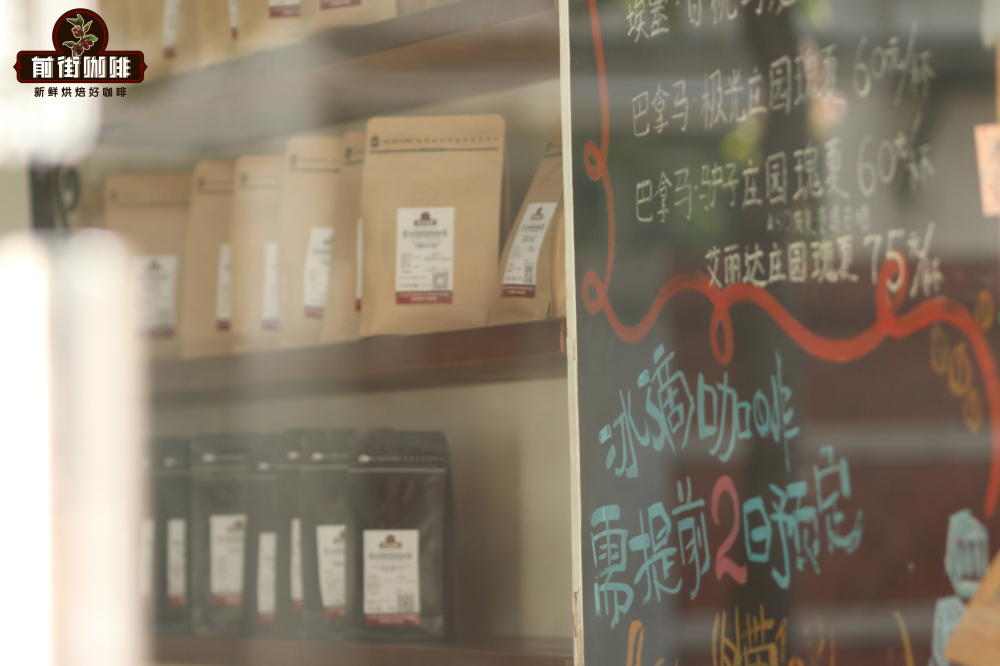
The reason cold brew coffee isn’t as widely popular as iced Americano lies largely in its strict requirements for time and temperature during the brewing process. The extraction of coffee flavors is essentially an interaction between water and various compounds in the coffee grounds, with water temperature playing a decisive role. High temperatures accelerate molecular movement, allowing small molecules like acids to be quickly released, while larger molecules responsible for bitterness take much longer to dissolve. The cold brew process uses ice water close to 0°C, which significantly reduces extraction efficiency, thus usually requiring6 to 8 hoursor even longer to complete. This is why some shops require advance reservations for specific beans when making ice drip coffee, as its production cycle is longer and needs ample time to develop its flavors.
Coffee beans from different regions and processed by different methods will exhibit varying flavor profiles during cold brewing. From tropical fruit notes to rich chocolate bases, choosing the right beans can greatly enhance the complexity of a cold brew beverage. Next, we’ll trace the origins of cold brew coffee and analyze the core differences between the ice drip and cold soak techniques.
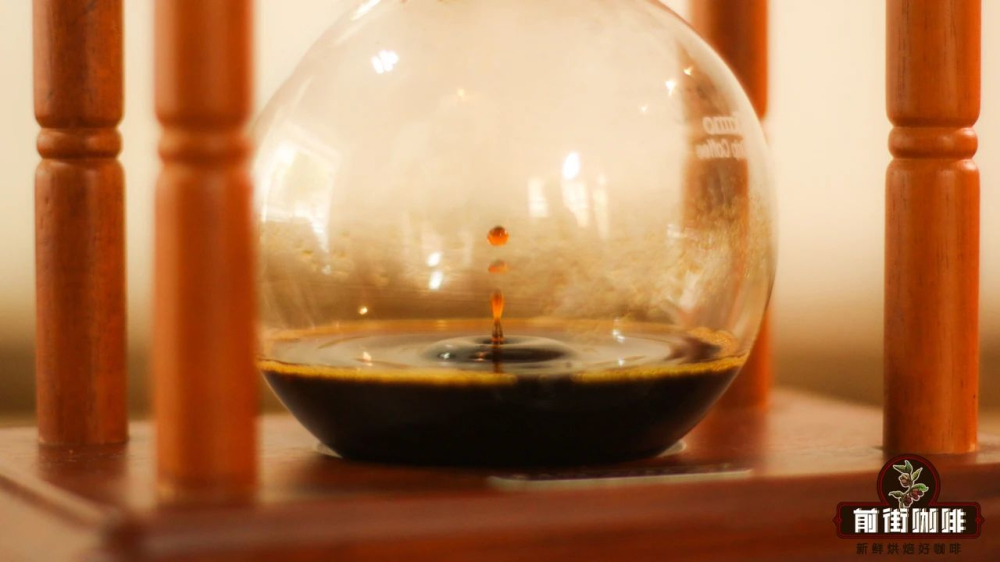
Regarding the origins of cold brew coffee, the most widely circulated story dates back to the Dutch maritime era in the 17th century. At that time, long-distance sailing fleets developed a method of soaking coffee grounds in cold water for extended periods to extend the coffee’s shelf life, producing a concentrated coffee extract for the crew. This innovative practice later spread to Japan through the trade network of the Dutch East India Company, where it merged with the local cold-brewed tea culture, further evolving into the unique ice drip technique. Japanese artisans allowed ice water to slowly drip onto layers of coffee grounds at a controlled flow rate, extracting flavors over a long period through filtration, resulting in a more refined ice drip coffee. Although historical details remain debated, the industry generally recognizes the Dutch as early pioneers of cold brew technology, and the characteristics of low-temperature extraction have given cold brew its distinctive smooth taste and low bitterness.
In modern coffee shops, cold brew coffee is often regarded as synonymous with ice drip coffee, but in reality, it covers a broader range of brewing techniques. Simply put, cold brew coffee can be divided into two main types: immersion-style cold soak and drip-style ice drip. Ice drip coffee, by slowly dripping ice water, can prioritize the extraction of aromatic compounds and acidic components in a low-temperature environment, while reducing the release of bitter sources such as tannins. After extraction, the coffee liquid is usually left to refrigerate and mature for a period of time, further developing rich fermentation aromas. In contrast, the cold soak method is simpler, involving mixing coffee grounds directly with cold water and letting them sit; although the flavor tends to be bolder, clarity and finesse are often slightly inferior compared to ice drip.
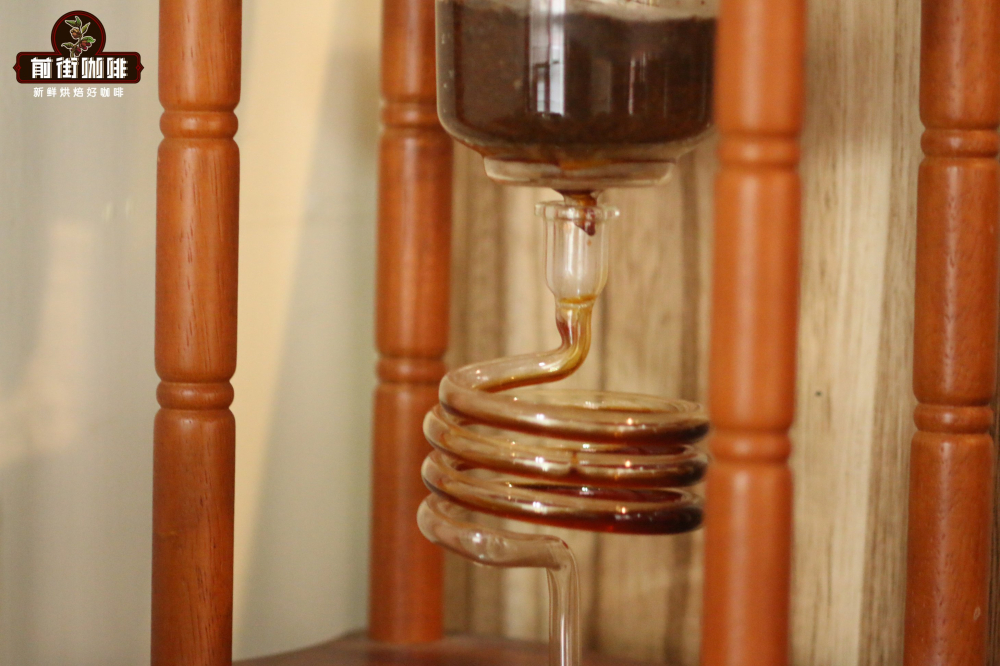
If you want to try your hand at making professional-grade ice drip coffee at home, here are some recommended parameters: keep the water temperature within the0~4°Crange, use60 gramsof medium-fine ground coffee (recommended to pass through an 85% rate 20-mesh sieve according to Chinese standards), with a1:10 coffee-to-water ratio, and a total extraction time of about6~8 hours. The specific steps include: laying filter paper in the coffee chamber and wetting it, evenly adding the coffee grounds, then covering with another layer of filter paper; performing a pre-soak by adding small amounts of water in stages; next, place ice cubes and cold water in the water container, adjusting the drip rate to7 drops per 10 seconds, and once approximately600 gramsof coffee liquid has been collected, transfer it to a sealed container and refrigerate it for overnight fermentation. It’s worth noting that some shops produce ice drip coffee using a1:15lower coffee-to-water ratio, taking into account individual preferences for strength, and adjusting the final taste by adding ice to dilute it.
Choosing the right coffee beans is a key factor influencing the flavor of the final cold brew product. Due to the characteristics of low-temperature, long-duration extraction, beans with bright acidity or unique processing methods can often showcase richer flavor layers. For example, Kenyan SL28 and SL34 varieties, processed via the K72 washed method, can present a complex sweet-and-sour profile of black plum, berries, and cherry tomatoes; while the Catuai hybrid beans from Honduras’ Mocha Estate, fermented using a whiskey barrel method, deliver unique cream and oak barrel aromas. These beans, during the cold brew process, transform their unique flavor characteristics into a gentler and more layered taste experience.
The above content is compiled by CoffeeHunters, a coffee news website.


