







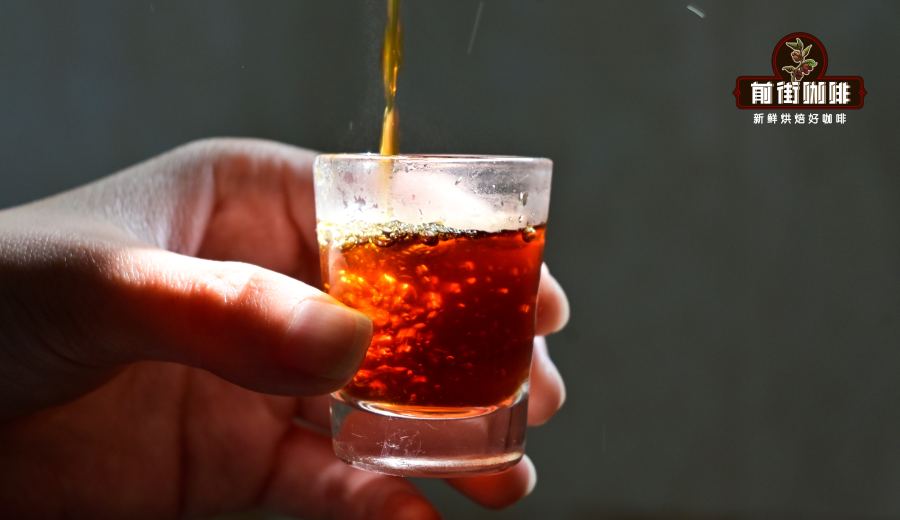
Introduction:Decaf coffee is the choice of many who want to enjoy the aroma of coffee but are concerned about its impact on sleep. This article delves into the origins of decaf coffee, its production principles, and analyzes how much of its nutrients are retained along with its potential health benefits. It also answers common questions, such as whether decaf coffee is truly caffeine-free and whether it affects flavor. At the end, we’ve also handpicked medium-to-dark roast decaf beans that are suitable for pour over brewing, helping you find the right option.
Decaf coffee refers to coffee beverages that have undergone special processing to significantly reduce their original caffeine content. Generally speaking, the caffeine content has been reduced to less than 3% of the original beans, meaning at least 97% of the caffeine has been removed. Such coffee is not only suitable for those sensitive to caffeine but has also become the first choice for those who want to reduce intake without giving up the flavor of coffee.
Many people wonder if decaf coffee still retains health benefits or if its flavor is greatly compromised. In addition, many consumers want to know which decaf beans are suitable for pour over brewing, allowing them to enjoy the aroma while also taking care of their health. This article will detail the historical background, production methods, and nutritional composition of decaf coffee, analyze its flavor performance, and recommend a medium-to-dark roast decaf bean suitable for pour over brewing.
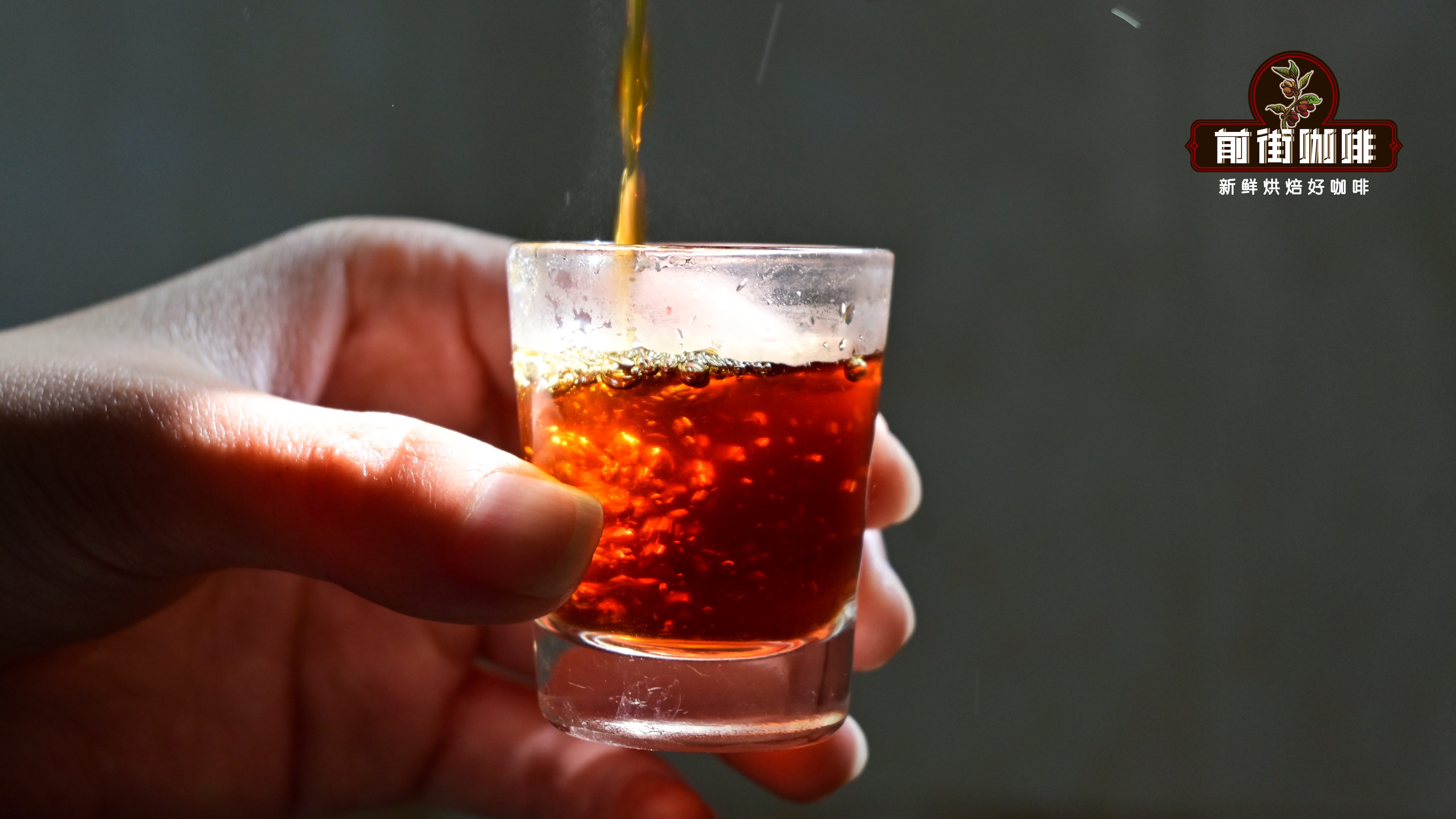
The so-called “decaf coffee,” or decaffeinated coffee in English, is abbreviated as decaf, indicating that the caffeine in these coffee beans has been removed by at least 97%. According to industry standards, a cup of decaf coffee usually contains very low levels of caffeine, approximately 0 to 7 milligrams, far lower than the 95 to 200 milligrams found in a regular cup of coffee. Therefore, even those who are more sensitive to caffeine can enjoy it with peace of mind.
The birth of decaf coffee is related to the experience of the 19th-century German literary master Goethe. It is recorded that although Goethe loved coffee, he often suffered from insomnia due to excessive consumption. As a result, he sought the help of his friend Runge to study which components in coffee affect sleep. Around 1820, Runge successfully identified caffeine as the main factor affecting sleep and attempted to isolate the substance, making him a pioneer in decaf coffee technology. However, the technology at the time was not yet mature. It wasn’t until 1903 that German businessman Ludwig Roselius discovered that soaking coffee beans in seawater noticeably reduced their caffeine content. He then organized a team of chemical experts to develop a commercially viable decaffeination process, which truly enabled mass production of decaf coffee.
Common decaffeination methods today mainly fall into three categories: the water process, organic solvent method, and supercritical carbon dioxide method. These methods are all carried out before roasting and grinding to remove caffeine from green beans without affecting the basic structure of other components. The water process uses water and activated carbon to adsorb caffeine, the organic solvent method employs specific chemical solvents such as ethyl acetate or dichloromethane, and the supercritical carbon dioxide method selectively extracts caffeine using high-pressure carbon dioxide — which is currently considered one of the safer and more environmentally friendly processes.
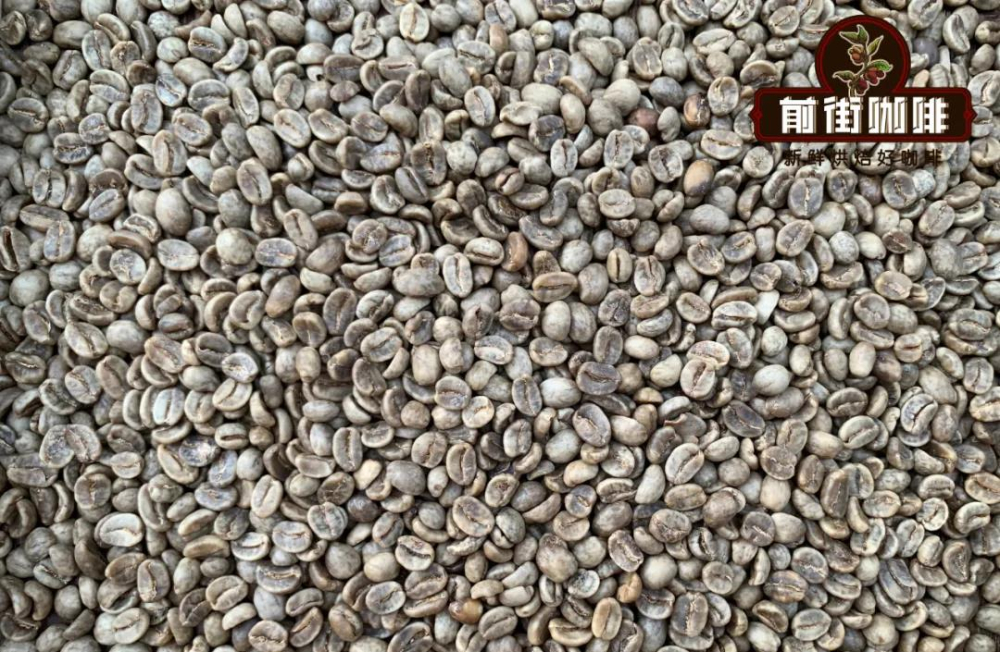
It’s important to note that decaf coffee is not completely caffeine-free. Depending on the processing method, it may still retain about 2% to 3% of caffeine. This means that a cup of decaf espresso may still contain 0 to 7 milligrams of caffeine. Although the amount is small, those who are extremely sensitive to caffeine are still advised to pay attention to when they consume it, especially close to bedtime.
There is a perception that decaf coffee doesn’t taste good. In reality, its performance largely depends on the quality of the green beans used. If low-quality commercial beans are used as raw materials, the flavor won’t be outstanding even without decaffeination. On the contrary, if high-quality Arabica green beans are selected, even after decaffeination, they can still retain rich aromatic layers and a full-bodied mouthfeel. Especially when selecting decaf beans suitable for pour over brewing, it’s recommended to choose those with a medium-to-dark roast or higher, which can showcase caramel, chocolate, and nutty flavor notes.
In addition, decaf coffee also contains a variety of antioxidants beneficial to health, such as hydroxycinnamic acids and polyphenols, which can effectively eliminate free radicals in the body and help reduce the risk of chronic diseases such as cardiovascular disease, diabetes, and certain types of cancer. Although some antioxidants may experience slight fluctuations during the decaffeination process, the overall content remains quite close to that of regular coffee, about 85% of the latter. A cup of decaf coffee can also provide 2.4% of the daily recommended intake of magnesium, 4.8% of potassium, and 2.5% of niacin (vitamin B3). Long-term consumption still offers cumulative nutritional benefits.
In summary, decaf coffee is an option that balances the enjoyment of coffee with health needs. As long as you choose high-quality green beans, even with decaffeination, it can still present captivating aromas and layers. For enthusiasts who enjoy pour over brewing and want to reduce caffeine intake, choosing medium-to-dark roast decaf beans with caramel and chocolate flavors is a great option to try.
The above content is compiled by CoffeeHunters, a coffee news website.


