







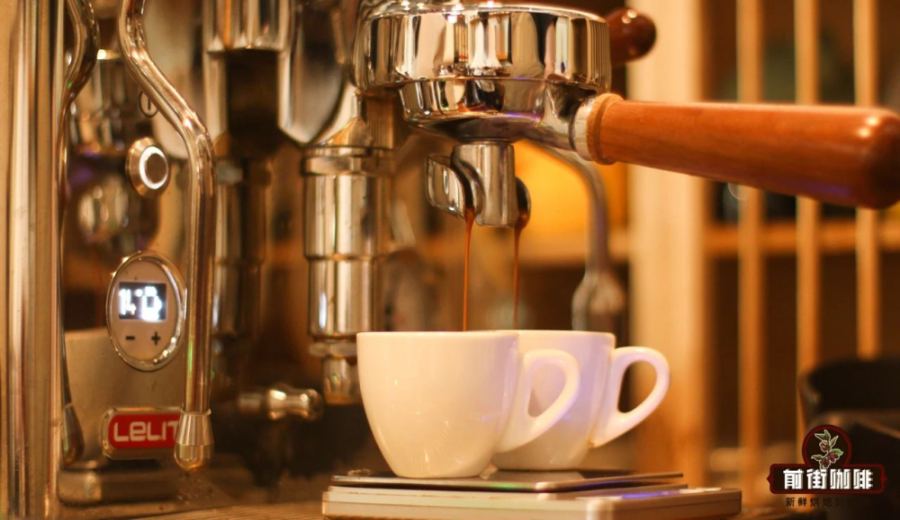
Introduction:SOE (Single Origin Espresso) has become a focal point of interest among specialty coffee enthusiasts in recent years, but its price and flavor characteristics often spark discussion. This article delves into the fundamental differences between SOE and traditional blended beans, explains why single-origin beans come with higher costs, and clarifies common misconceptions—such as the idea that SOE is always light roasted or necessarily better tasting. It also recommends Brazilian Yellow Bourbon beans, which are well-suited for SOE, analyzing their classic nutty and dark chocolate flavor profiles to help readers better understand the characteristics and brewing essentials of this type of coffee.
SOE, short for Single Origin Espresso, translated as "single origin espresso" in Chinese, is an item that has garnered significant attention in the specialty coffee field in recent years. Unlike traditional Espresso Blends, SOE emphasizes using coffee beans from a single origin or estate to make espresso, allowing the terroir characteristics of that specific region to be more prominently showcased.
In the past, espresso was predominantly made from blends, combining beans from different regions to achieve a balanced flavor, smooth mouthfeel, and consistent stability. This approach not only benefits commercial operations but also ensures uniform quality across each batch. However, as consumers have increasingly pursued personalized coffee flavors, single-origin beans have gradually come to the fore—especially in the context of espresso—giving rise to what is known as SOE.
SOE emphasizes "origin flavor," but it also comes with greater challenges.Since it uses beans from a single estate or region, the unique regional characteristics—including soil, climate, and processing methods—directly influence the final extracted taste. While this trait can highlight the individuality of the coffee from that area, it can also amplify flaws, such as excessive acidity, insufficient body, or lack of cohesive flavors. Therefore, the technical expertise of the roaster and barista is crucial, especially when it comes to selecting the right roast level and grind size to bring out the best possible result.
A common misconception is that SOE is synonymous with light roast or high-quality coffee. In reality,SOE is not necessarily premium-grade, nor is it always better tasting than blended coffee.Many people assume that, like pour over single-origin coffees, SOE must be light roasted to showcase complex flavors. But for espresso, due to the high-pressure and high-temperature extraction method, an overly light roast can lead to sharp acidity and underdeveloped flavor compounds, resulting in a thin mouthfeel. As such, a medium to medium-dark roast is actually a more suitable strategy for SOE, helping to balance acidity and sweetness, enhance body, and create a more cohesive flavor profile.
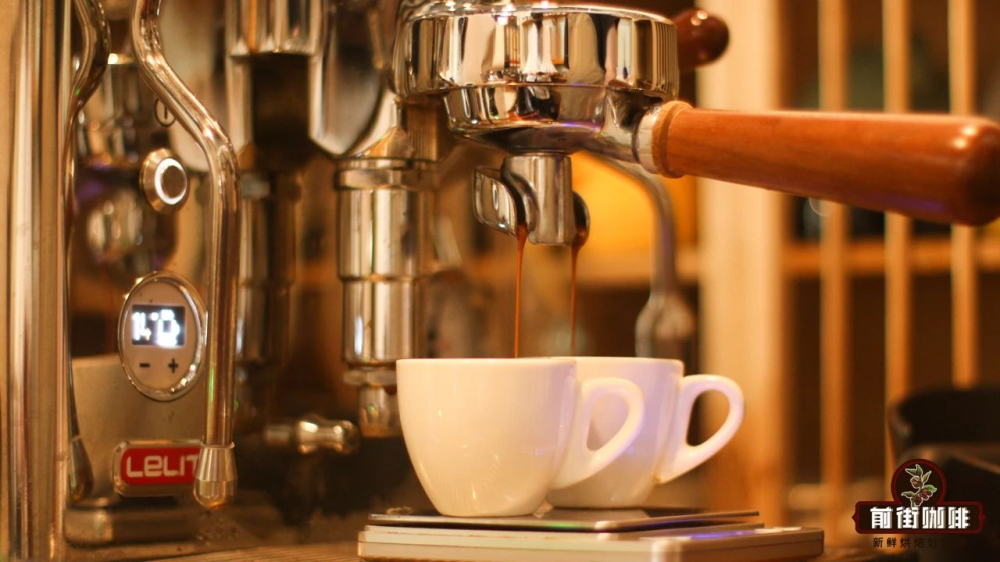
So why is SOE usually more expensive than regular blends? One reason is that the selection and processing of single-origin beans are generally more meticulous, and their availability may be limited, leading to higher procurement costs. Additionally, to fully express the characteristics of the region, both roasting and extraction require more effort and skill, all of which are reflected in the final price. For consumers, choosing SOE is not just about selecting a type of coffee—it’s also an opportunity to experience the flavors of a specific origin.
If you’d like to try making SOE at home or in your shop, consider the Brazilian Yellow Bourbon variety. Take the Queen Estate in the Mogiana region as an example—this estate grows coffee at altitudes between 1400 and 1950 meters, and such elevation gives the beans rich sugar content and complexity. After being moderately medium-dark roasted, these beans exhibit captivating notes of nuts, dark chocolate, and caramel, with a velvety texture akin to smooth peanut butter, a prominent sweetness, and a lingering caramelized aftertaste.
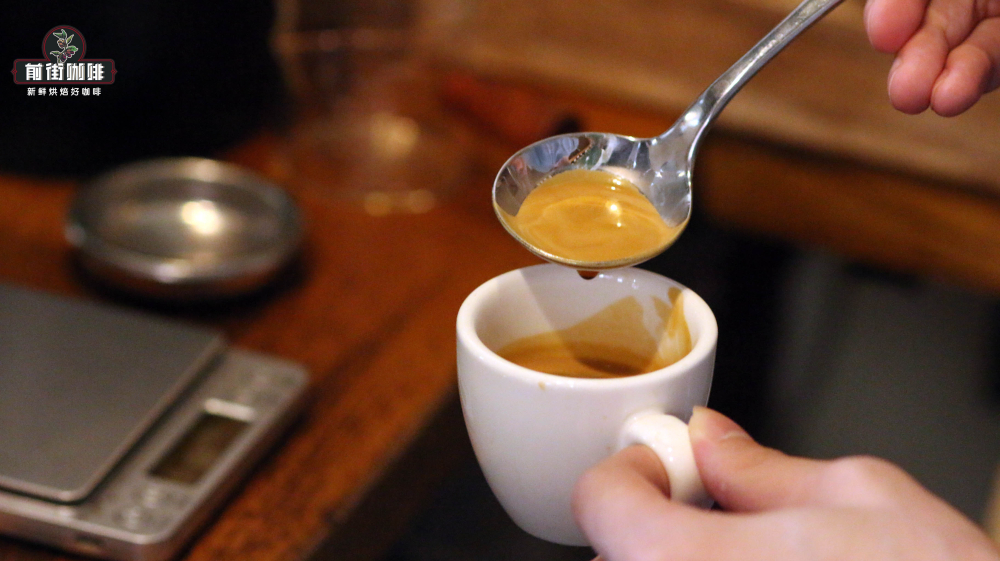
When used to make espresso, this Yellow Bourbon variety showcases a rich core of nuts and dark chocolate, with a delicate and layered mouthfeel, smooth entry, and a long, sweet finish. It’s not only ideal for solo sipping but also makes an excellent base for milk-based coffees, providing deeper flavor support for lattes or cappuccinos.
In summary, SOE coffee is a form of espresso that allows one to deeply experience the personality of its origin, but its success depends on a combination of bean variety, roast level, and extraction technique. Whether you’re a coffee enthusiast or industry professional, understanding the characteristics and challenges of SOE will help you make wiser choices and enjoy the unique charm of single-origin coffee.
The above content is compiled by CoffeeHunters, a coffee news website.


