







Category: Coffee Knowledge
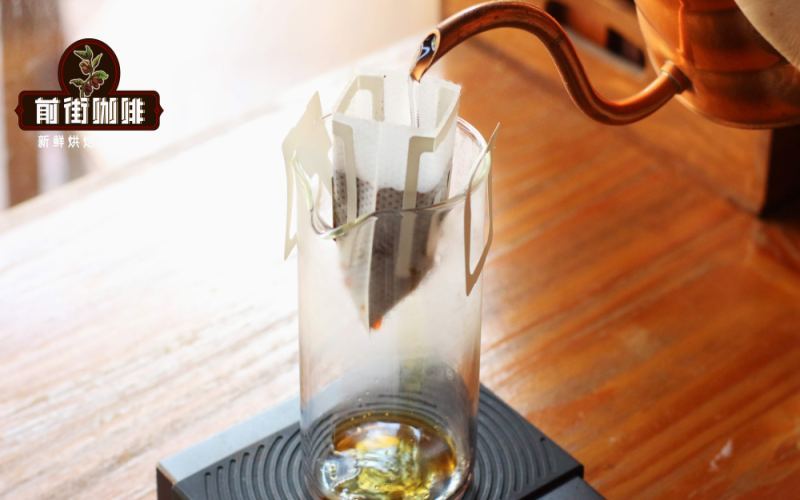
Is Drip Bag Coffee Suitable for Office Workers? Pros, Cons & 6 Recommended Picks
Drip bag coffee combines the convenience of pour over brewing with the flavor profile of specialty coffee, making it a daily choice for many office workers. This article delves into the origins of drip bag coffee, its operational advantages and flavor limitations, and provides detailed introductions to six thoughtfully selected drip bags with diverse flavor profiles — from bright fruity notes to rich and balanced profiles. It also offers professional-level brewing parameters and practical tips to help readers brew nuanced black coffee even in the office. [more…]

The Science Behind Caffeine Boost from Filter Drip Coffee Bags & Brewing Guide | Complete Flavor Analysis and Beginner Tips
Filter drip coffee bags combine convenience with high-quality extraction, making them a top choice for many busy professionals needing a caffeine boost. This article delves into the definition of filter drip coffee bags, how they differ from pour over, introduces several popular seasonal filter drip coffee bags with unique flavor profiles, and provides a detailed guide on the correct brewing steps and precautions—helping you brew a rich and smooth cup of coffee whether at home or in the office. [more…]
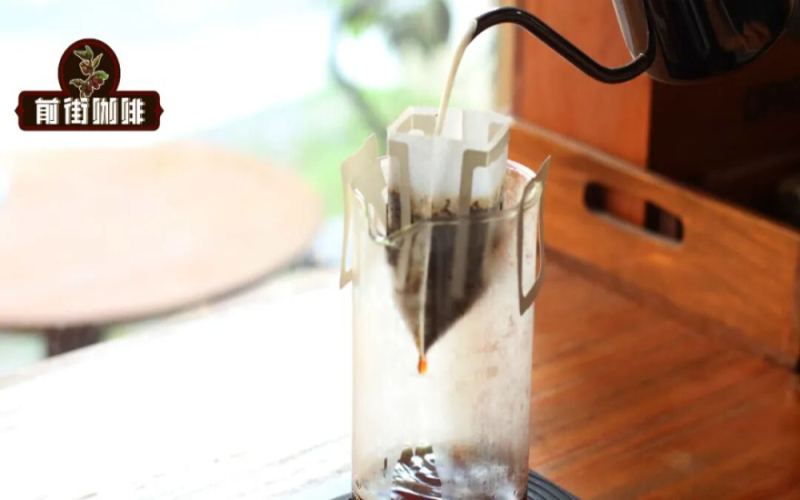
Can you add milk to drip bags? The correct brewing techniques and alternative methods for making milk lattes
Many coffee enthusiasts try brewing drip bags directly with milk, hoping to enjoy a rich latte at home. However, milk is far less efficient than hot water at extracting coffee flavors, and when heated, the properties of lactose and proteins change, making conventional brewing methods ineffective. This article delves into the challenges and real-world results of brewing drip bags with milk, and offers a simple cold-brew method using cold milk—helping you easily achieve a smooth and flavorful cup. [more…]
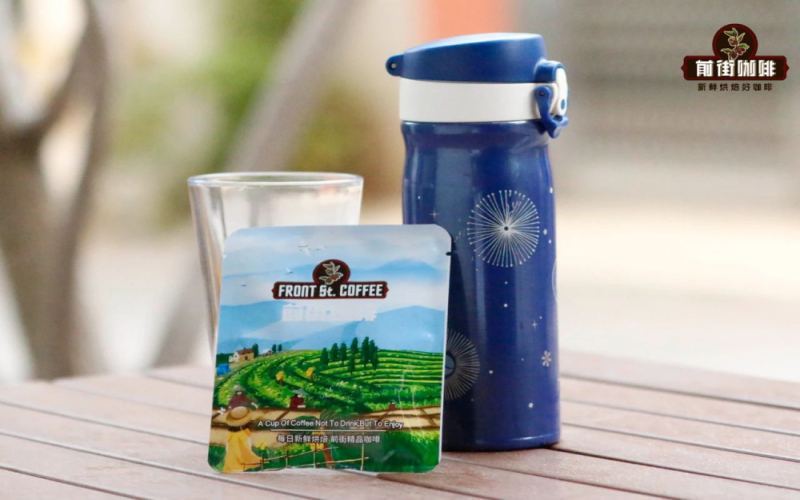
The Complete Guide to Brewing Coffee Drip Bags: From Historical Origins to Optimal Extraction Parameters
Coffee drip bags combine the flavor of pour over brewing with the convenience of instant preparation, making them a top choice for many busy individuals who enjoy black coffee. But do you know how to achieve professional-grade flavors using the right water temperature, coffee-to-water ratio, and pouring technique? This article starts with the origins of drip bags, delves into the optimal brewing steps, and provides useful tips to help you brew richly layered and distinctly flavored coffee at home or in the office. [more…]
How to Choose SOE Coffee Beans? Flavor Differences Between Single-Origin Espresso and Blends, and Recommendations
Single-Origin Espresso (SOE) has become a hot topic among specialty coffee enthusiasts in recent years. It uses single-origin beans to make espresso, showcasing the unique flavors of specific growing regions. Compared to traditional blends that prioritize consistency and balance, SOE places greater emphasis on individuality and distinctiveness. This article delves into the essential differences between SOE and blends, and recommends several single-origin beans ideal for making SOE as well as classic Italian-style blends, helping readers make more suitable choices based on their taste preferences. [more…]
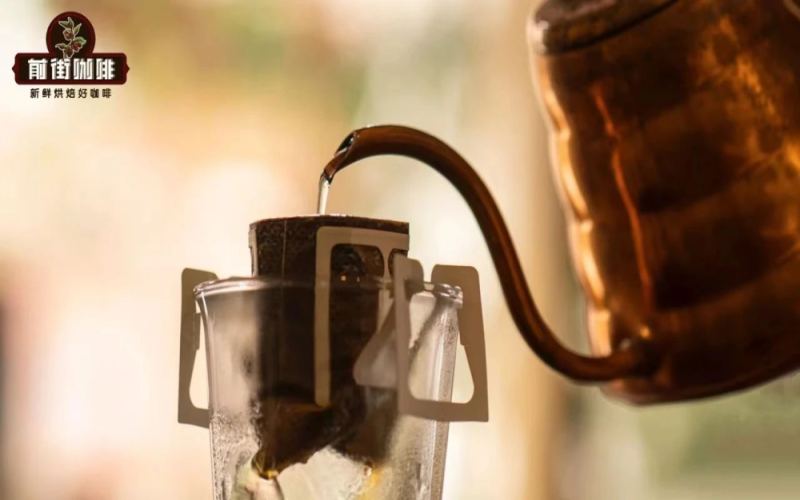
How to Brew Drip Bag Coffee for the Best Flavor? A Complete Guide to Water Temperature, Coffee-to-Water Ratio, and Pouring Techniques
As a convenient alternative to pour over coffee, drip bag coffee is easy to use yet encompasses professional techniques. This article delves into the relationship between drip bags and black coffee, providing practical parameters and reminders of common pitfalls — from grind size, water temperature settings, suitable coffee-to-water ratios, to cup selection and step-by-step pouring steps. It also includes an introduction to the flavor profiles of six major coffee-growing regions, helping you brew a layered single-origin black coffee the right way. [more…]
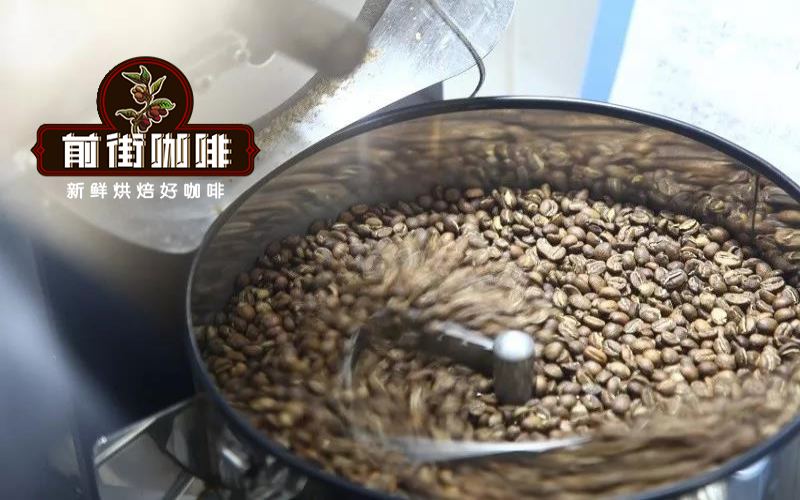
Complete Guide to Coffee Bean Roast Levels: From Light to Espresso, Choose the Right Flavor at a Glance
The roast level of coffee beans is a key factor that influences flavor expression. From the bright and fresh notes of light roasts to the rich and bold profiles of espresso roasts, each stage brings a different balance of acidity, sweetness, bitterness, and layers of aroma. This article provides an in-depth analysis of eight mainstream roast levels—including light, cinnamon, medium, high, city, full city, French, and espresso—explaining the first and second crack stages, taste characteristics, and suitable growing regions for each. It also offers roast selection advice for various brewing methods such as pour over, iced coffee, and café au lait. [more…]

Does drinking coffee with tea reduce dementia risk? A Tianjin study reveals 4 to 6 cups daily is ideal
Do you regularly drink coffee or tea every day? The latest research shows that moderate consumption of coffee and tea, or even a combination of both, can help reduce the risks of stroke and dementia. A long-term study by Tianjin Medical University involving over 360,000 participants aged 50 to 74 found that those who consumed a combined total of 4 to 6 cups of coffee and tea per day had the lowest likelihood of developing stroke and dementia. This article will explore how to drink them most effectively and the health mechanisms behind it. [more…]
Coffee Bean Resting Time & Storage Tips: Decoding the Best Drinking Windows for Pour Over & Espresso Beans
Many people mistakenly believe that the fresher the coffee beans, the better. However, freshly roasted beans actually require a "resting period" to fully develop their flavors. This article delves into the structural changes of beans after roasting, explains how carbon dioxide affects extraction, discusses why improperly rested beans can result in harshness and unstable crema, and offers practical storage advice—including whether to refrigerate beans and if pre-ground coffee still needs resting—helping you pinpoint the optimal drinking window for each coffee. [more…]
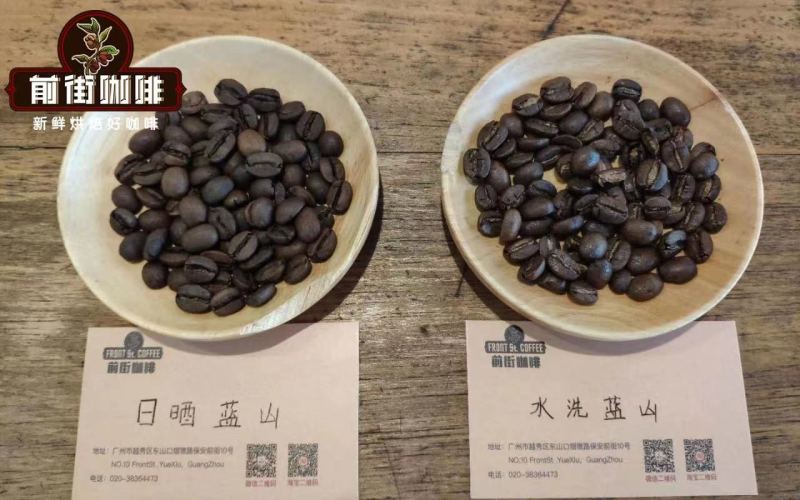
What’s the difference between Jamaican Blue Mountain coffee beans and Blue Mountain-flavored coffee? A must-read guide before buying
Jamaican Blue Mountain coffee is hailed as one of the world’s top-tier coffees, yet the commonly seen "Blue Mountain-flavored coffee" often confuses many consumers. What exactly is genuine Blue Mountain coffee beans? And what are the fundamental differences between it and the coffee that merely borrows its name? This article will delve into the origins, flavor profiles, and pricing reasons behind both, helping you accurately identify them so you don’t waste your money. [more…]
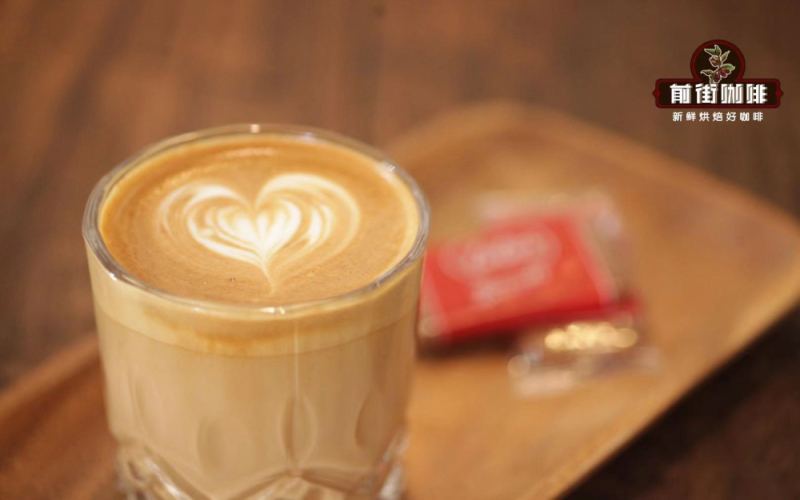
How to Make a Flat White? Mastering the Espresso-to-Milk Ratio for a Rich and Smooth Short Latte
The Flat White is renowned for its rich flavor and delicate microfoam layer, making it a favorite among many coffee enthusiasts. Compared to lattes and cappuccinos, the Flat White has a smaller cup size and thinner milk foam, which better highlights the aroma and layered complexity of the coffee itself. This article will detail the key techniques for making a Flat White—from selecting the espresso base and controlling milk foam thickness, to understanding how it differs from other hot milk-based coffees—step by step guiding you through the brewing essentials of this small yet premium specialty coffee. [more…]
Analysis of 6 Common Pour Over Coffee Mistakes: A Complete Guide from Bean Selection to Water Temperature Control
The charm of pour over coffee lies in the precise control of every detail, yet many beginners and even advanced enthusiasts may unknowingly make mistakes that affect flavor. This article delves into six common brewing pitfalls, including how to choose fresh coffee beans, adjust the optimal water temperature and water quality, the importance of equipment cleanliness, correctly assessing bean quality, and scientific storage methods — helping you fundamentally improve your pour over quality and avoid wasting good beans. [more…]

What’s the difference between a Flat White and a Flat White (Fu Rui Bai)? Australian origins, flavor analysis, and home brewing guide
Flat White (also known as 澳白), Fu Rui Bai, and Ao Rui Bai are essentially the same coffee drink—a type of espresso-based milk coffee with a thinner layer of microfoam and a higher ratio of coffee to milk. How does it differ from a latte? Does it originate from Australia or New Zealand? This article will explore the history of the Flat White, its key differences from a latte, and provide professional barista-recommended methods and extraction parameters for making it at home, helping you better understand this small cup with an intense flavor. [more…]

What’s the difference between a Flat White and a Latte? A complete guide to flavor analysis and home brewing
Although both Flat White and Latte are espresso-based milk coffees, they differ greatly in terms of milk foam thickness, milk ratio, and taste profile. This article delves into the unique charm of the Flat White, covering its origin, core differences, professional brewing parameters, and also introduces suitable coffee blend choices and home brewing techniques—helping you better understand this smooth and delicate coffee option. [more…]
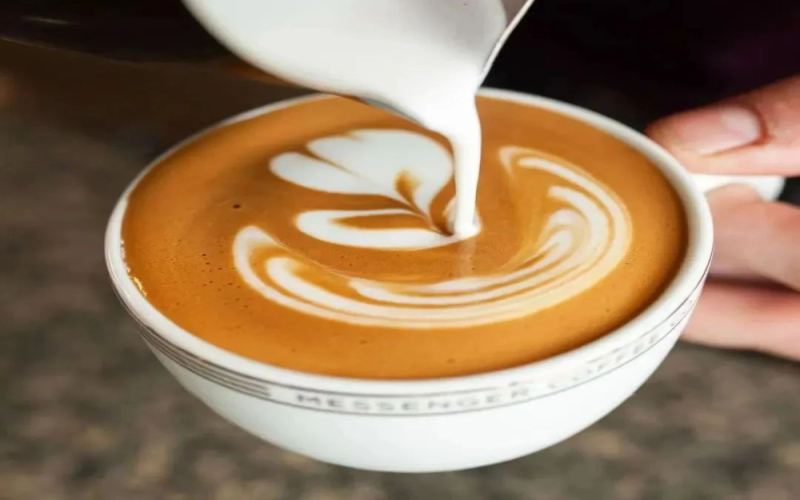
How to Tell Flat White from Flat White? A Complete Breakdown of Milk Foam Thickness, Latte Art Techniques, and Origins
Flat White (Flat White) and Flat White (Flat White), along with latte and cappuccino, all belong to the milk coffee category. However, they differ in subtle yet distinct ways when it comes to milk foam thickness, cup size, flavor profile, and even origin stories. Many customers often notice significant variations in latte art and milk foam texture among different cafés’ Flat Whites—these differences actually stem from international origin disputes and technical nuances. This article delves into the causes behind these distinctions, guiding you through factors such as milk foam fluidity, [more…]
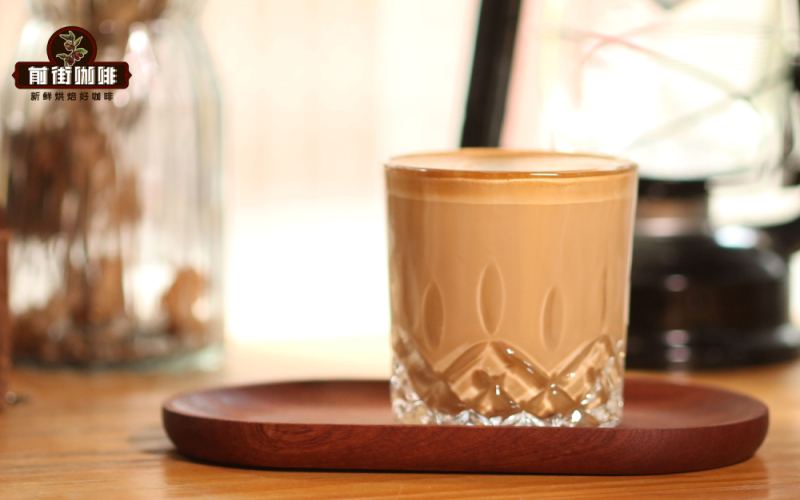
What’s the difference between Luckin’s Flat White and Latte? A professional analysis of Australian-style coffee differences
Many coffee enthusiasts often wonder about the difference between a Flat White and a Latte. Although both are made with espresso and milk, they differ significantly in milk foam thickness, coffee base, and overall flavor. This article provides an in-depth comparison of the key differences between Flat White and Latte, including milk foam fineness, brewing methods, hot drink limitations, and flavor profiles. It also recommends several suitable home-use Italian-style blended coffee beans to help you brew a cup closer to café-quality Australian-style coffee. [more…]

What’s the difference between Flat White and Latte? Cold & hot options, milk foam techniques, and full brewing guide
As a popular milk coffee in recent years, the Flat White is loved by many coffee enthusiasts for its rich and delicate flavor. This article delves into the complete brewing process of a Flat White—from coffee bean selection, extraction parameters, milk ratio, to milk foam thickness and temperature control—and provides a detailed comparison with the Latte in terms of cup size, milk foam, and flavor profile. It also explains why the Flat White is mostly served as a hot drink, and how to choose an iced version if desired. [more…]
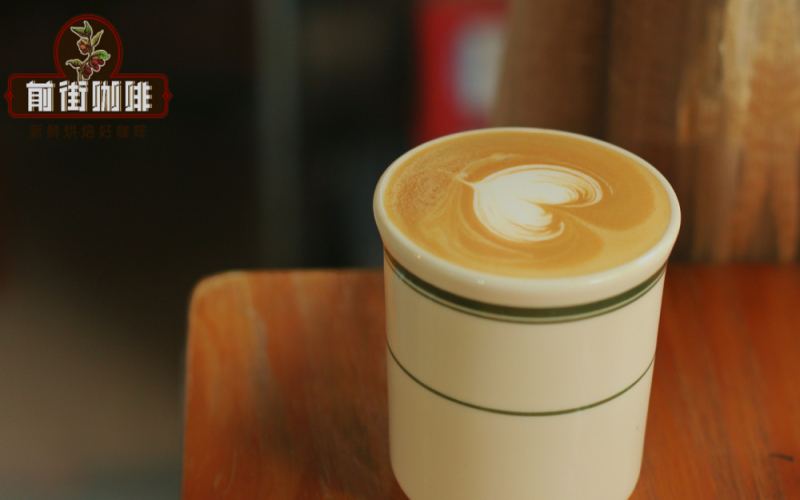
How to choose between Flat White and Latte? Understand the differences between the two in one go — from extraction ratios to milk foam details
Although Flat White and Latte both belong to the espresso coffee family, they have clear differences in cup size, milk foam thickness, and flavor presentation. This article delves into the core distinctions between the two, covering everything from their origins and background, to ratio formulations and milk steaming techniques. It also includes professional-level extraction parameters and practical advice to help you make the most suitable choice based on your taste preferences. [more…]
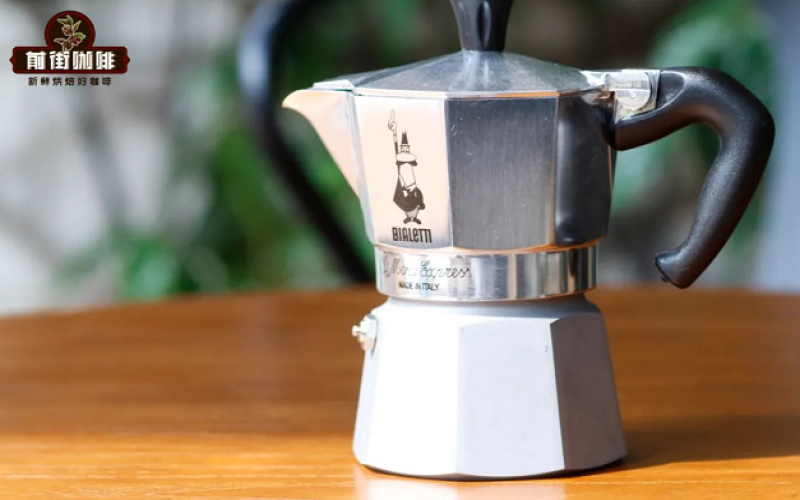
Moka Pot Brewing Essentials: How to Choose the Right Coffee Grind Size? A Complete Guide to Enhancing Crema and Moka Pot Usage
When using a moka pot at home, achieving the rich flavor profile of café-style coffee hinges on properly adjusting the coffee grind size and overall brewing parameters. This article delves into the workings of the moka pot, starting with its historical background, and takes you through key steps in the brewing process—including basket tamping, heat control, and safety precautions regarding the pressure relief valve. It also offers practical tips for improving coffee crema, along with recommended coffee bean varieties and grind size ranges, helping you consistently brew aromatic, [more…]
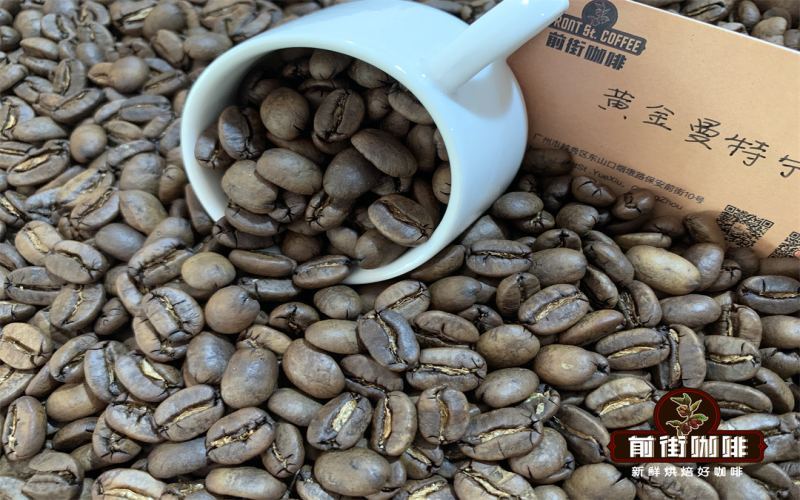
Mandheling Coffee Flavors Vary Greatly: In-Depth Comparison of Aceh and Lintong Regions in Sumatra
Mandheling coffee from Sumatra is renowned for its rich and bold flavor profile, but did you know that Mandheling beans from Aceh Province and the Lintong area—both in Sumatra—actually have distinctly different flavors? This article delves into the geographical environment and growing conditions of the two regions, exploring subtle differences such as altitude, soil composition, and hydrology, and analyzes how these factors influence the flavor characteristics of the coffee. This will help you make a more informed choice when selecting Mandheling beans that best suit your taste preferences. [more…]