








Introduction:As a popular milk coffee in recent years, the flat white’s rich and smooth flavor has won the hearts of many coffee enthusiasts. This article delves into the complete preparation process of the flat white, covering everything from coffee bean selection, extraction parameters, milk ratio, to foam thickness and temperature control. It also provides a detailed comparison between the flat white and the latte in terms of cup size, milk foam, and flavor profile. Additionally, it explains why the flat white is typically served hot and what options are available if you prefer a chilled version.
Among various milk coffees, the flat white has captured the hearts of many consumers with its rich and sweet taste, especially being quite popular in chain coffee shops like Luckin. Even if it’s not listed on the regular menu of some independent cafés, many professional baristas are happy to craft this classic drink upon request.
This article will guide you through how baristas make a standard flat white from scratch, including equipment selection, coffee powder weighing, extraction time, milk frothing techniques, and more. Through visual comparisons, it will also help you distinguish the key differences between a flat white and a latte in terms of milk foam layers, coffee ratio, and overall flavor expression.

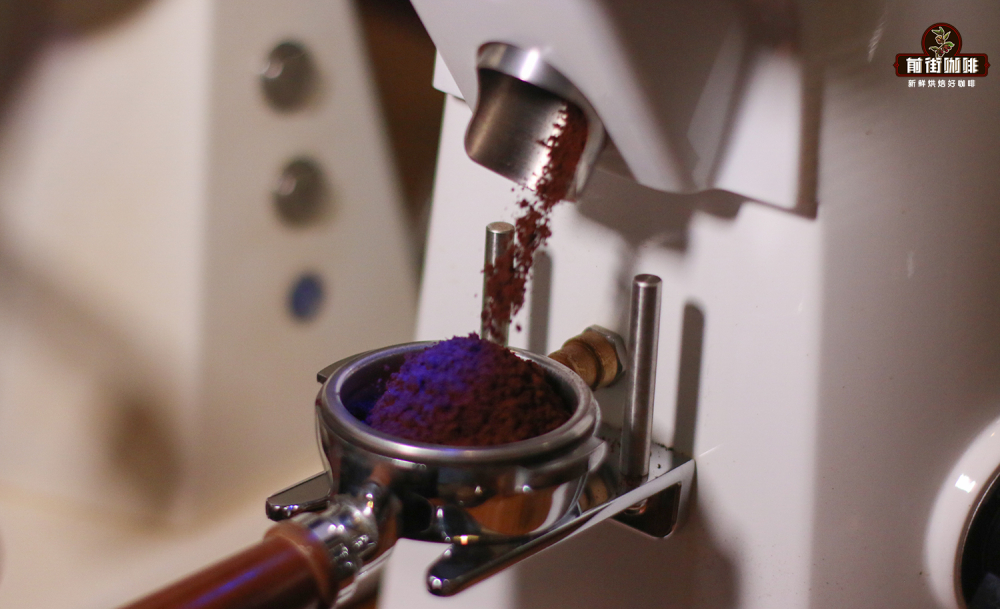
To make a flat white, start by preparing a ceramic cup with a capacity of about 200 milliliters. It’s recommended to preheat the cup to help slow down the cooling of the coffee and maintain optimal flavor. Next, accurately weigh out 20 grams of coffee powder, aiming to extract 27 grams of espresso liquid with an extraction time of around 20 to 25 seconds. In this step, only the first and middle parts of the espresso — known as the Ristretto — are used to achieve a higher concentration and brighter-flavored coffee base.
After pouring the double Ristretto into the preheated ceramic cup, the next step is to prepare the milk. It’s recommended to use about 150 milliliters of fresh milk and froth it using a suitable pouring pitcher. One of the characteristics of the flat white is that its milk foam should be thinner and denser than that of a latte, so less air should be incorporated during frothing, with the ideal foam thickness being around 0.3 to 0.4 centimeters. For temperature, it’s advised to heat the milk to 55 to 60 degrees Celsius, a range that best balances foam stability and smoothness in the mouthfeel.
Finally, slowly pour the frothed milk into the coffee liquid while maintaining a consistent flow rate and angle to ensure even blending of the milk and coffee. Whether or not to create latte art is up to personal preference, but even without art, the overall flavor remains unaffected.
Regarding coffee bean selection, the café often uses its own house-blend called “Sunflower Warm Sun Blend,” which consists of 70% Honduran Sherry and 30% Ethiopian Yirgacheffe Natural Red Cherry. This blend offers layers of whiskey-like aroma, vanilla, cream, and tropical fruits. When paired with milk, it highlights flavors reminiscent of chocolate milk, vanilla cream, and the tanginess of berries, resulting in a smooth mouthfeel and long-lasting aftertaste.
Many readers may wonder, what exactly is the difference between a flat white and a latte? On the surface, both are combinations of espresso and milk, but the details reveal significant distinctions. A typical latte has a milk foam thickness of about 0.5 centimeters, and when poured, the cup top presents a slightly domed, full effect — making it suitable for latte art with a more pronounced milk aroma. In contrast, the flat white’s milk foam is controlled to a thinner 0.3 to 0.4 centimeters, and some cafés even forgo additional frothing, pouring hot milk directly into the espresso to emphasize the pure coffee flavor.
In terms of cup size and ratio, lattes commonly come in cups of 300 milliliters or more, whereas flat whites are usually served in smaller cups of 150 to 180 milliliters. The higher proportion of coffee results in a more concentrated and intense overall flavor. Moreover, with the rise of specialty coffee trends, more and more cafés are opting to use single-origin espresso (SOE) as the base, paired with moderate milk foam, to highlight the origin characteristics of the beans — and the flat white is an excellent choice for showcasing this style.

As for cold drink options, many coffee lovers might ask, “Why is the flat white usually only offered hot?” The key lies in the texture and drinking experience of the milk foam. One of the charms of the flat white is that each sip allows you to simultaneously enjoy the fusion of fine milk foam and the rich coffee beneath, a layered sensation that relies on appropriately warm and dense foam. If served cold, ice cubes would dilute the coffee liquid, disrupting the balance of taste and flavor, making it difficult to achieve the best drinking experience.
If you prefer a chilled, rich milk coffee, you might consider trying the “Dirty.” This drink involves pouring freshly extracted espresso directly over ice-cold fresh milk, creating a visually “dirty” contrast effect along with a stimulating contrast of hot and cold temperatures. Without ice dilution, the smaller serving size helps concentrate the coffee’s aroma and layers, making it a great alternative for summer or when you’re seeking a cool, refreshing flavor.

The above content is compiled by CoffeeHunters, a coffee news website.


