







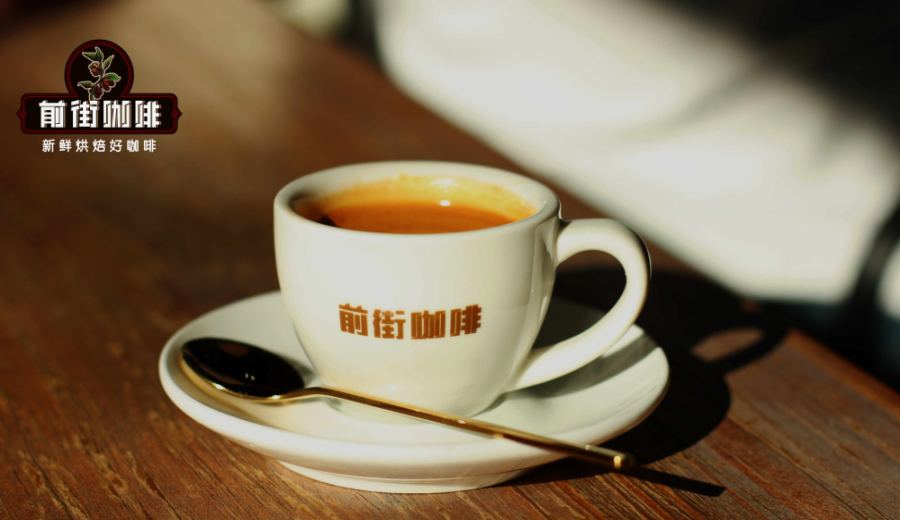
Introduction:Single-origin espresso (SOE) has become a hot topic among specialty coffee enthusiasts in recent years. Made from single-origin beans, it showcases the unique flavors of a specific region. Compared to traditional blends that prioritize consistency and balance, SOE emphasizes individuality and distinctiveness. This article delves into the fundamental differences between SOE and blends, and recommends several single-origin beans ideal for SOE and classic Italian blends, helping readers make more suitable choices based on their taste preferences.
Single-Origin Espresso (SOE), as the name suggests, is espresso made from coffee beans sourced from a single origin. Unlike common blends, SOE highlights beans from a specific region or farm, using high-pressure extraction to showcase clear regional characteristics and flavor profiles. This approach has gradually become mainstream in the specialty coffee scene, attracting many consumers who enjoy exploring the nuanced layers of coffee.
Most commercial milk-based drinks such as lattes and cappuccinos are based on espresso, so the flavor of the espresso directly affects the overall performance of the drink. To ensure consistent taste across different seasons and brewing conditions, many cafes opt for blends—mixing two or more beans from different regions in specific proportions to achieve balanced and consistent flavors. However, as consumers increasingly seek flavor diversity and individuality, SOE has stood out, allowing one to taste distinct regional characteristics even in a single shot of espresso.
The biggest difference between blends and single-origin beans lies in this: blends emphasize "stability" and "balance," while single-origin beans focus on "individuality" and "recognizability." Since coffee is an agricultural product, its flavor is easily influenced by factors such as climate, altitude, and processing methods. Therefore, roasters often blend beans from different regions to complement each other’s strengths and weaknesses, maintaining the consistency of the product's flavor. Additionally, blends offer more flexibility in cost control, making them widely used in the commercial coffee market.
If you frequently brew espresso at home or in a café, choosing the right blend is crucial. Generally speaking, medium to dark roasted blends can better withstand the high-pressure, high-temperature extraction environment. They not only easily release rich crema but also bring out deep aromas such as caramel, nuts, and chocolate. Even when milk is added, the core coffee flavor remains clear. It is recommended to choose freshly roasted blends for the best flavor experience.
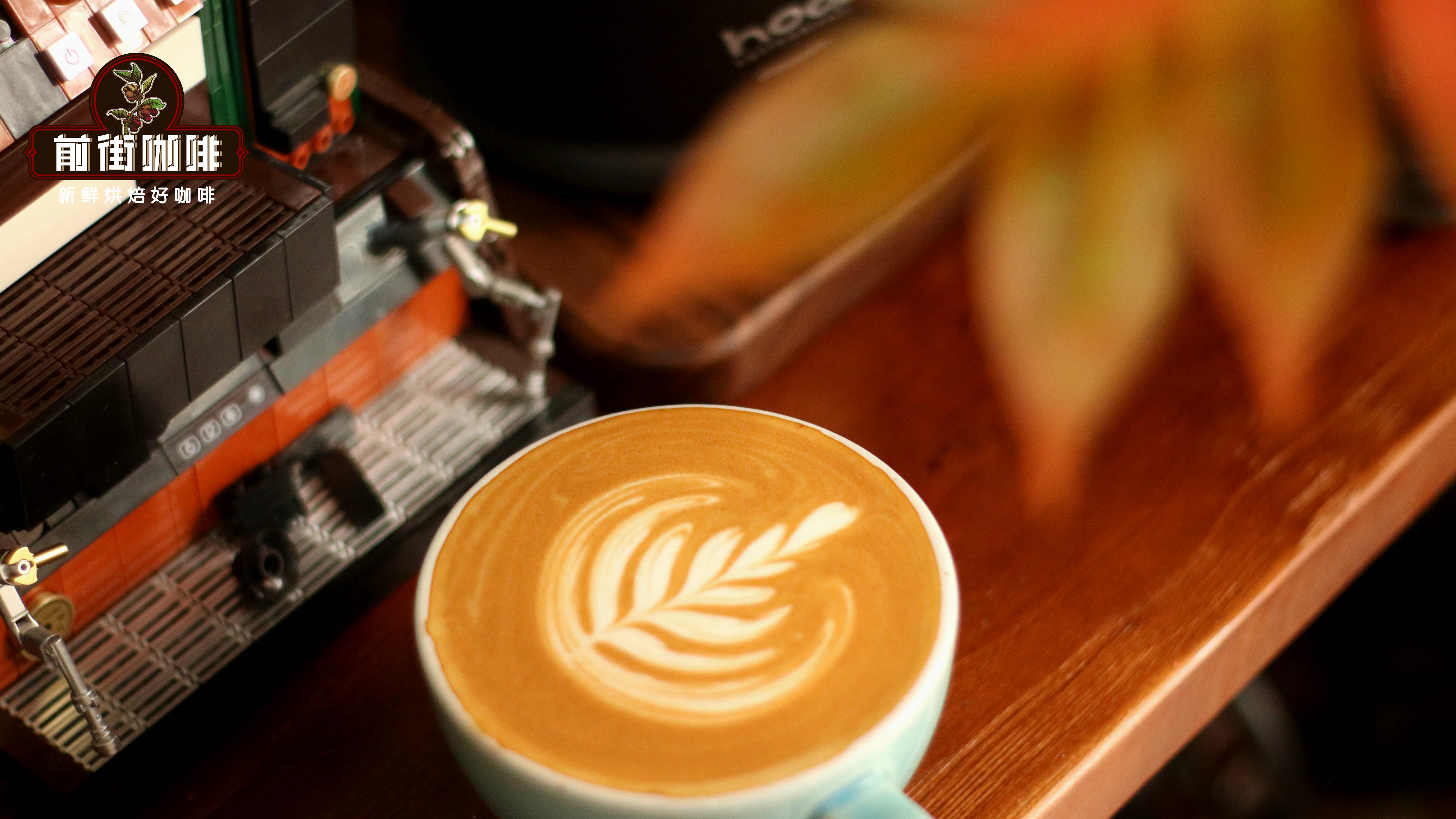
Among the many espresso blends, three classic recipes are worth recommending: the first offers intense chocolate and dark roast flavors, suitable for latte lovers who prefer a bold taste; the second focuses on nuts and caramel notes, offering a balanced and easy-drinking profile, ideal for daily consumption; the third emphasizes smoky and earthy tones, delivering a strong coffee flavor experience, perfect for users who prefer a bold personality. These blends are suitable not only for professional baristas but also for home users looking to experiment with different flavor combinations.
When it comes to selecting single-origin espresso (SOE), the key is to choose beans from regions with distinct flavors and stable extraction performance. These beans can showcase unique floral, fruity, spicy, or sweet characteristics of their origin under high-pressure extraction, bringing a completely different layer of complexity to the espresso.
First up is Ethiopia’s Natural Red Cherry SOE. This bean already exhibits vibrant floral and fruity notes with bright acidity when brewed via pour over, but when extracted using an espresso machine under high pressure, its orange and red berry aromas become especially prominent, with a naturally sweet aftertaste. It’s perfect for making a refreshing Americano, allowing you to fully experience the fruity character of single-origin beans.
Next is Costa Rica’s Mozart SOE, which uses the raisin honey process to retain abundant sugars and fruity flavors. When brewed via pour over, it shows gentle rose and dried fruit aromas, with balanced acidity and sweetness, and a clean mouthfeel. As an SOE, its raisin flavors become even more pronounced, accompanied by a subtle, elegant sweetness reminiscent of osmanthus. With a medium body, it’s suitable for making lattes or simply enjoying its espresso version.
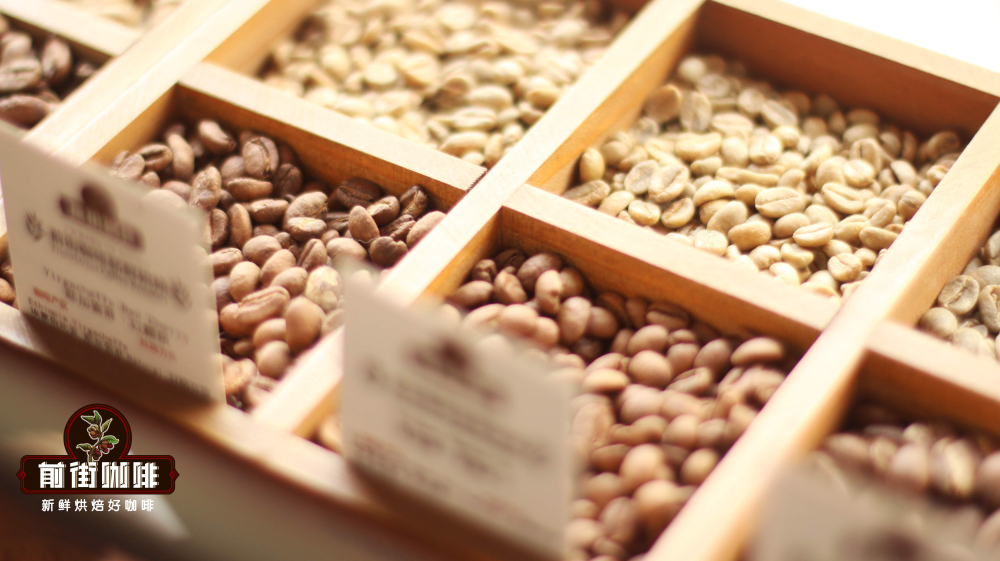
Finally, we recommend Indonesia’s Sumatra PWN Golden Mandheling SOE, a high-grade Mandheling bean. This bean undergoes multiple rounds of strict hand sorting with an extremely low defect rate and is medium to dark roasted. When extracted into espresso, it clearly delivers complex flavors of spices, herbs, sandalwood, and caramel, with a full body and long-lasting aftertaste, along with the aroma of dark chocolate. It’s an ideal choice for those who enjoy intense flavors and low acidity.
In summary, choosing between SOE or blends depends on your flavor expectations: if you prefer stable and consistent performance, blends are a good choice; if you’re eager to explore the unique character of each origin, SOE will bring you pleasant surprises. Regardless of the type, freshly roasted beans, appropriate grind size, and correct extraction parameters (such as 9Bar pressure, 90–96°C water temperature, and 25–30 seconds extraction time) are all key elements in showcasing the best flavors of coffee.
The above content is compiled by CoffeeHunters, a coffee news website.


