








Introduction:Earl coffee combines convenience with extraction quality, making it a top choice for many busy professionals seeking a quick energy boost. This article delves into the definition of earl coffee, its differences from pour over, introduces several popular seasonal flavor earl options, and provides a detailed guide on the correct brewing steps and precautions to help you brew a rich and smooth cup of coffee whether at home or in the office.
As coffee culture becomes increasingly mainstream, more and more “morning commuters” are starting their day with a cup of coffee. However, not everyone has the time to visit a café and slowly enjoy the pleasure of pour over coffee. To meet the need for speed, convenience, and quality, earl coffee has become an ideal choice.
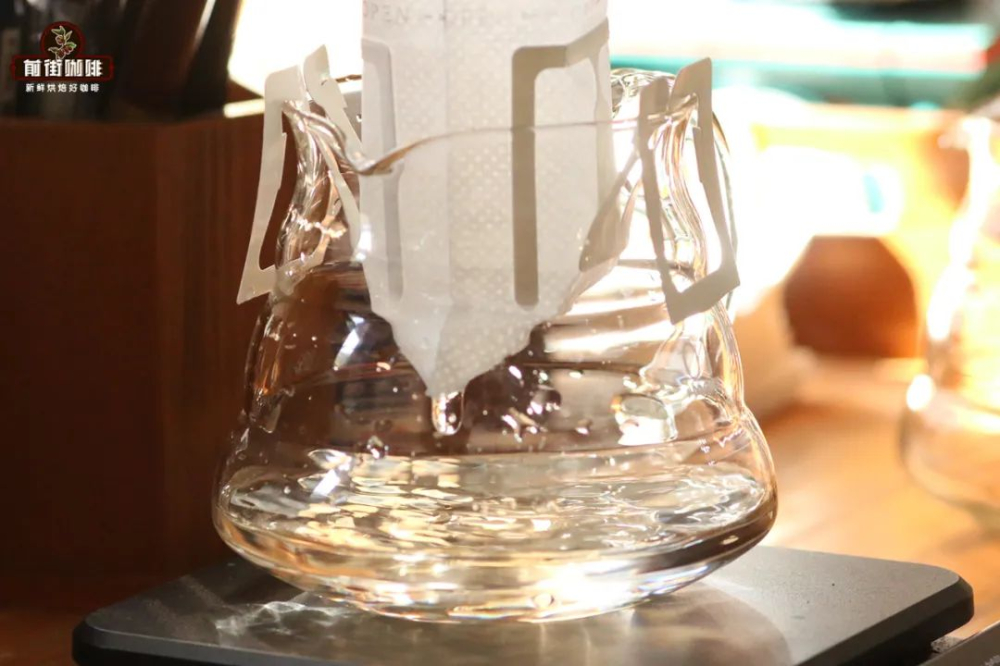
What is earl coffee? Simply put, it is a type of coffee where pre-ground coffee powder is packed into a filter bag with two “ears” on either side. All you need is hot water and a cup to enjoy the flavor of pour over coffee anytime, anywhere. This design eliminates the hassle of using a grinder, filter cone, and filter paper, while still retaining the refined taste of filtered extraction.


Compared to traditional pour over, using earl is much simpler. Pour over requires preparing multiple tools including a gooseneck kettle, thermometer, filter cone, filter paper, and grinder, whereas earl comes pre-ground, saving you the investment in additional equipment. The filter bags are usually made of biodegradable non-woven fabric. As hot water passes through the coffee grounds, it extracts soluble flavor compounds, then slowly drips through the non-woven fabric. This process doesn’t require filter paper or a filter cone, making it both eco-friendly and convenient.
Earl coffee offers a variety of flavor choices. If you prefer a smooth taste with low acidity, consider options with nutty profiles. Here are several seasonal earl coffees, each with its own unique character:
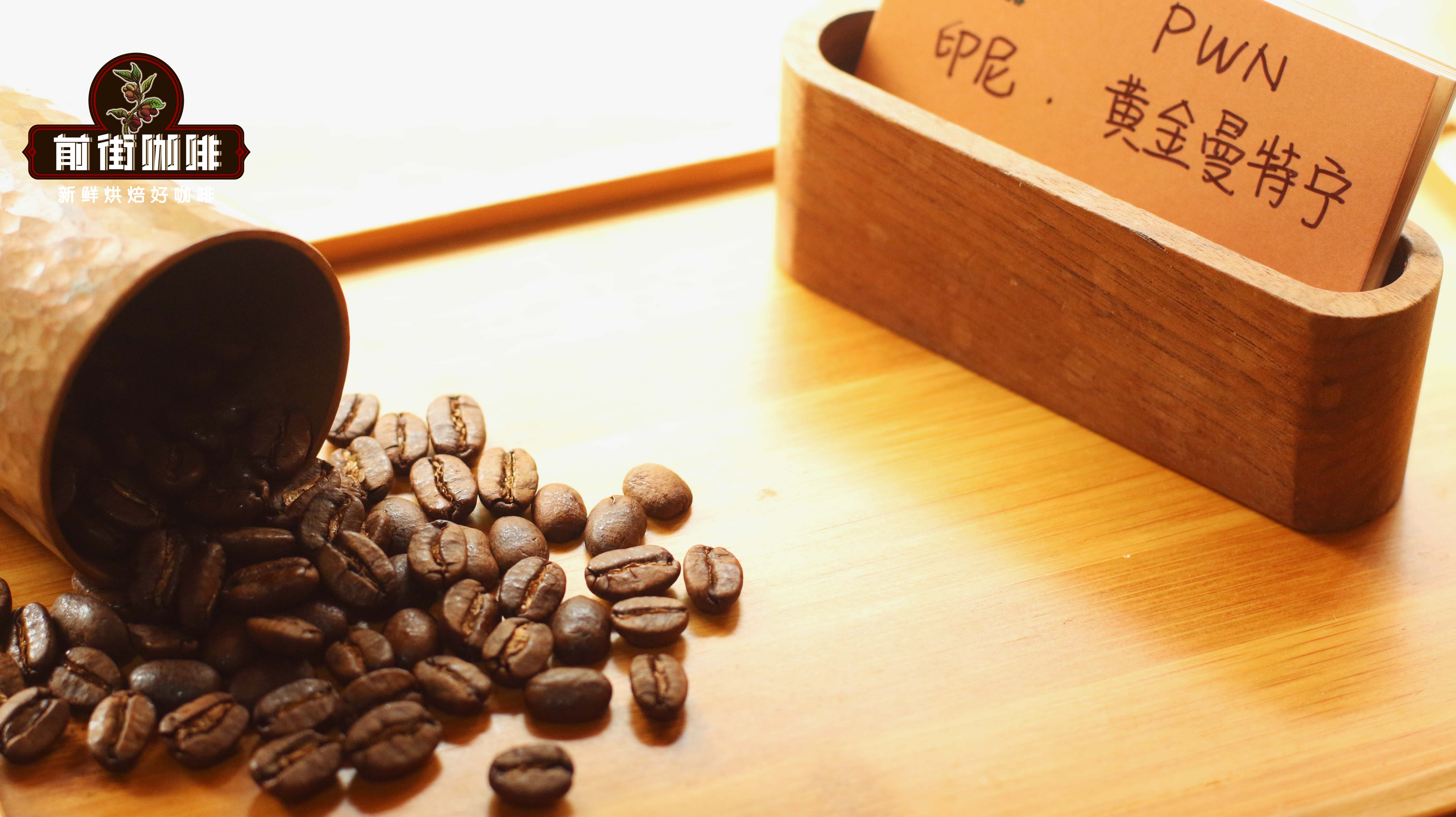
PWN Golden Mandheling Earl Coffee Beans
This Mandheling has gained increasing attention in recent years. It is known for its high body and low acidity, with flavors showcasing layers of caramel, spices, pine, and dark chocolate, along with a long aftertaste and clear sweetness. It is highly favored by seasoned coffee enthusiasts. This earl uses beans sourced from PWN, a well-known green bean supplier in Indonesia. This brand was the first to collaborate with Japan to launch “Golden Mandheling,” which was then registered as an exclusive trademark. Compared to regular Mandheling, the PWN version undergoes three rounds of rigorous manual sorting, ensuring uniform bean size and consistent roasting color, resulting in a cleaner and richer taste with noticeably fewer off-flavors.
Brazil Cerrado Red Fruit Earl Coffee Beans
As the world’s largest coffee exporting country, Brazil also has a richly interesting coffee history. Legend has it that Portuguese officers, in order to introduce coffee seeds from Guyana to Brazil, managed to win the favor of the Guyanese governor’s wife and successfully brought the seeds into the country, allowing coffee to spread from northern Brazil all the way to the southeastern São Paulo state. By 1845, Brazilian coffee beans accounted for 45% of global production. This earl showcases the classic balanced flavors of Brazilian coffee, making it a great option for understanding the characteristics of this producing region.
Yunnan Peaberry Earl Coffee Beans
The Yunnan region mainly grows Typica and Catimor varieties. Due to the small size of the coffee cherries, it’s referred to as “peaberry coffee.” The area primarily cultivates Catimor, a hybrid developed by Portuguese breeders crossing Timor and Caturra to improve disease resistance and yield. Since Timor is a Robusta variety, although crossed with Caturra, it did not fully inherit the elegant genes of Arabica, resulting in a relatively simpler overall flavor with slightly more pronounced bitterness. This water-processed earl from Baoshan features tea-like notes and melon fruit aromas, with soft and rounded acidity, accompanied by nutty tones. The latter part shows noticeable sweetness, and the aftertaste is long and caramel-like.
So, how do you brew earl coffee? Most commercial earl packs contain 10 grams of coffee. Based on a 1:15 coffee-to-water ratio, it is recommended to pour 150 grams of hot water. First, prepare a container to hold the coffee, such as a sharing pitcher or a regular drinking cup, and have a gooseneck kettle ready for pouring. Next, tear open the outer seal of the earl pack, then cut along the dotted line to open the non-woven fabric pouch, and hang the two “ears” over the edge of the cup. Start by pouring a small amount of hot water to let the coffee grounds bloom for about 10–20 seconds to release the aroma. Then, slowly pour water with a steady, small stream until the liquid level nears the top of the cup, and wait for the coffee to drip through. Finally, pour water to fill it up, wait until all the coffee has dripped through, gently swirl, and enjoy.
There are several key points to keep in mind when brewing earl coffee. First, although earl and pour over both use filtered extraction, the coffee grounds in earl are pre-ground and have a larger surface area exposed to air, making the aroma prone to dissipating over time. Therefore, it is recommended to consume it soon after purchase to experience the best flavor. All earl coffee beans are freshly roasted within 5 days, and you can also opt to have them custom-packed into earl bags. The processing fee is 20 RMB per 100 grams. It is advised to enjoy the coffee soon after receiving it to get the most vibrant flavor expression.
Secondly, water temperature is one of the key factors affecting extraction. Generally, it is recommended to control the pour over water temperature between 86–93°C. If the water temperature is too low, it may lead to under-extraction and incomplete flavor development. If conditions limit your ability to increase the water temperature, you can moderately extend the contact time between the coffee grounds and hot water to compensate for the extraction. Additionally, the pouring speed and water volume will also affect the strength and layering of the coffee. It is recommended to maintain a stable small stream and adjust the coffee-to-water ratio slightly according to personal taste preferences. Usually, 1:15 is a balanced and easily adjustable baseline.
The above content is compiled by CoffeeHunters, a coffee news website.


