







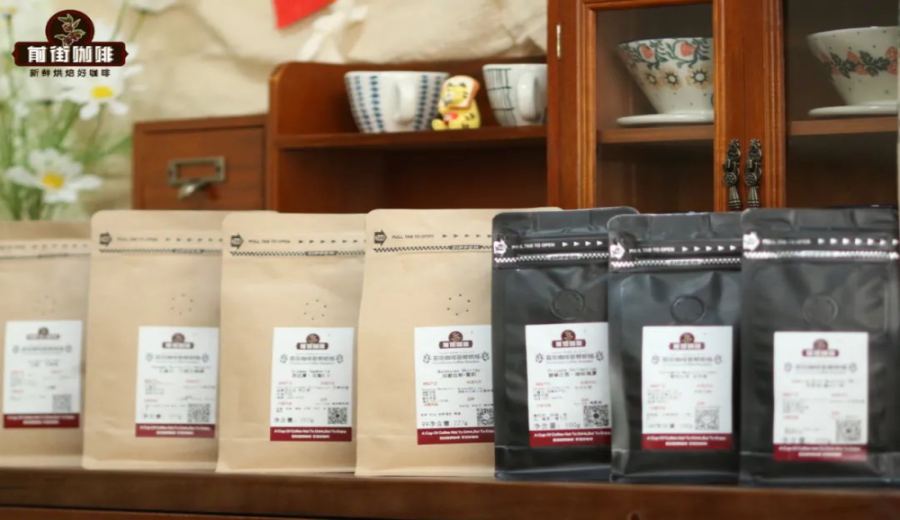
Introduction:Many people mistakenly believe that the fresher the coffee beans, the better. However, freshly roasted beans actually require a “resting period” to fully release their flavors. This article delves into the structural changes in beans after roasting, explains how carbon dioxide affects extraction, explores why improperly rested beans can result in harshness and unstable crema, and offers practical storage advice—including whether to refrigerate beans and whether resting is still needed after grinding—helping you grasp the optimal drinking window for each coffee.
Many coffee enthusiasts, upon purchasing freshly roasted beans, can’t wait to open the bag and brew, assuming that the fresher the beans, the better the flavor. However, this isn’t the case. Even beans right out of the roaster need a period of “rest” to allow internal carbon dioxide to gradually dissipate, so that the flavors can reach their optimal balance.
Especially for coffee beans purchased by mail, they often undergo several days of transit before reaching the consumer, which actually helps complete the initial part of the resting process. Generally speaking, between 4 to 7 days after roasting, the flavors of the beans gradually stabilize, marking the drinking window when most coffee types begin to show their charming characteristics.
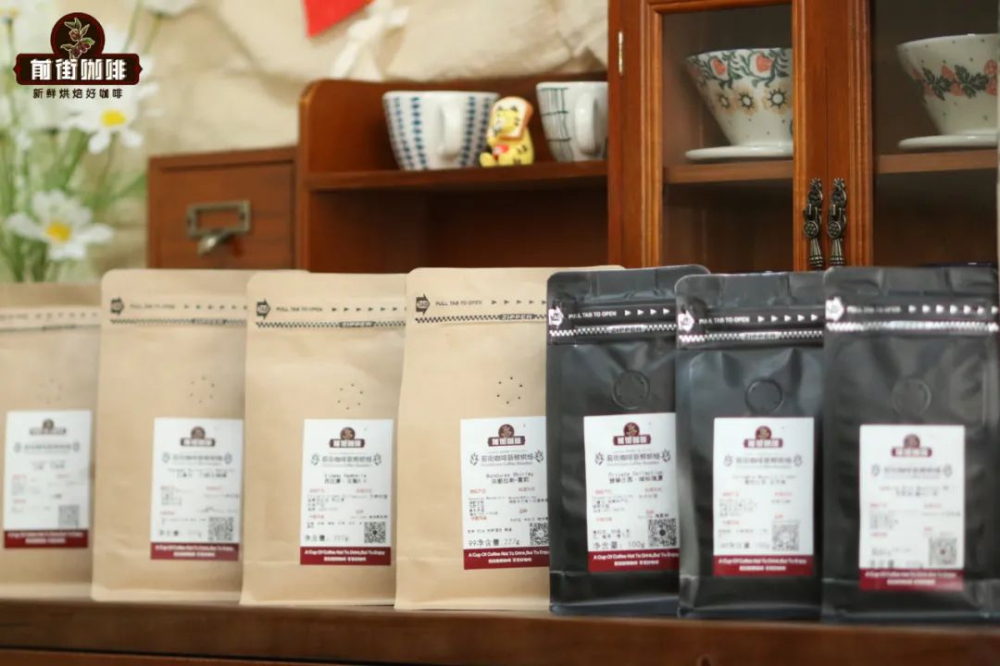
For those new to specialty coffee, the concept of “resting” may not be unfamiliar, but in practice, many still go by intuition. While using one-way valve bags or airtight containers is a common method to reduce oxygen exposure and preserve flavor, the required resting time and conditions can vary significantly depending on the origin and roast level of the beans—it’s not a one-size-fits-all scenario.
You might have had this question: the coffee beans have been sitting for a month, so the carbon dioxide should have mostly dissipated by now—so why does the brewed coffee taste dull and flavorless? The answer lies in the subtle relationship between carbon dioxide and flavor compounds.
During the roasting process, the internal structure of coffee beans becomes porous due to high heat, forming numerous tiny holes that trap large amounts of carbon dioxide, accounting for about 2% of the bean’s total weight. In the first 12 hours after roasting, the internal pressure is high enough to block oxygen from entering, but afterward, carbon dioxide begins to slowly release—a process that can last several weeks. The darker the roast, the more carbon dioxide is released, and the longer the resting period required.
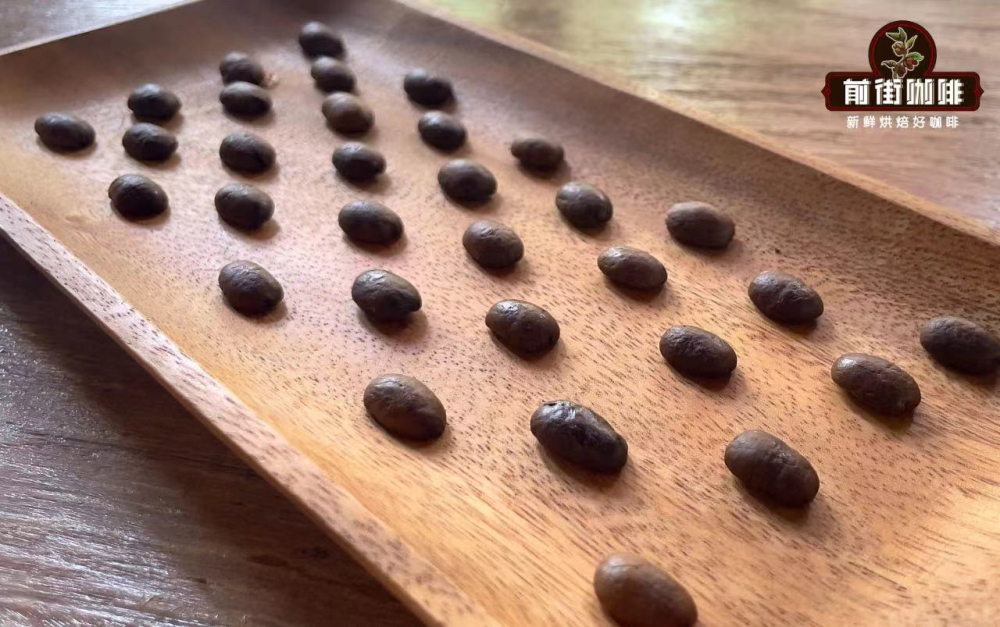
However, the release of carbon dioxide isn’t entirely beneficial. As the gas escapes, some volatile flavor compounds may also be lost. By the end of the degassing phase, a significant amount of the bean’s flavor substances have diminished—this is why we recommend enjoying your coffee within a month of roasting to experience its fullest flavor profile.
So, if carbon dioxide causes flavor loss, does that mean brewing as soon as possible is better? Actually, the opposite is true. Beans that haven’t been properly rested are filled with high-pressure carbon dioxide, which creates resistance to the brewing water flow, leading to insufficient extraction as the water and coffee grounds don’t interact thoroughly—resulting in incomplete flavor release.
Moreover, overly fresh coffee beans often exhibit a noticeable “harshness,” especially at the back of the throat, which can greatly detract from the drinking experience. Take espresso, for example: these beans are usually dark-roasted and contain more carbon dioxide. Brewing them without resting not only leads to unstable crema but can also cause excessive bubbling, resulting in emulsification that affects latte art and overall taste quality.
Many coffee lovers buy beans in bulk, making storage methods especially crucial. Some consider refrigerating the beans, thinking it extends shelf life—but this is actually a common misconception.
The temperature difference between the fridge and room environment easily causes condensation on the bean surface, leading to moisture absorption. This not only fails to prolong freshness but accelerates flavor degradation, turning what was once aromatic coffee into something unpleasant. The correct approach is to store beans in a cool, dry, and airtight environment, using one-way valve bags to balance internal pressure, allowing carbon dioxide to escape while preventing oxygen from speeding up oxidation.
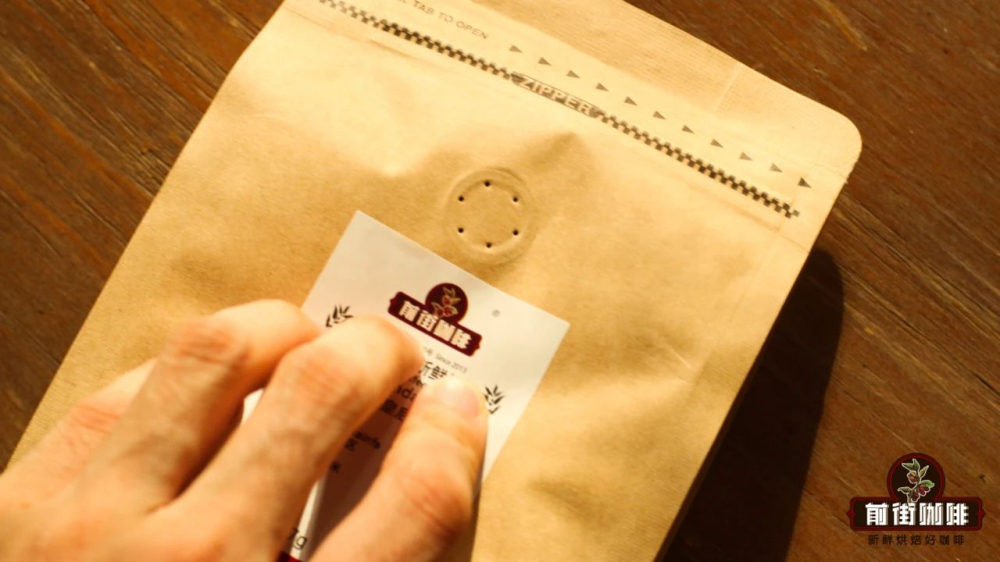
Some consumers may notice that dark-roasted beans, after being left to sit for a while, cause their packaging bags to puff up—this is because carbon dioxide is still being released. Under no circumstances should you try to squeeze the bag to release the gas, as along with carbon dioxide, these gases also contain many volatile compounds that help preserve flavor. The one-way valve is designed precisely to slow this process down, allowing the beans to mature slowly in their best possible state.
For home users without grinders, many shops offer grinding services—but it’s important to note that once beans are ground, their surface area exposed to air increases dramatically, accelerating the loss of flavor compounds. Therefore, pre-ground coffee is generally not recommended for additional resting and should be used as soon as possible. To minimize flavor loss, some shops use special packaging after grinding to help seal in aroma and prevent rapid dissipation.
In summary, resting beans is not just a scientific process but also an exciting flavor journey. From the first day post-roast to several weeks later, the flavors of coffee beans continuously fine-tune and evolve. Some prefer the bright fruit acidity within the first week, while others favor the rich sweetness after three weeks. Don’t hesitate to experiment with beans at different resting stages to discover your own ideal drinking time.
The above content is compiled by CoffeeHunters, a coffee news website.


