







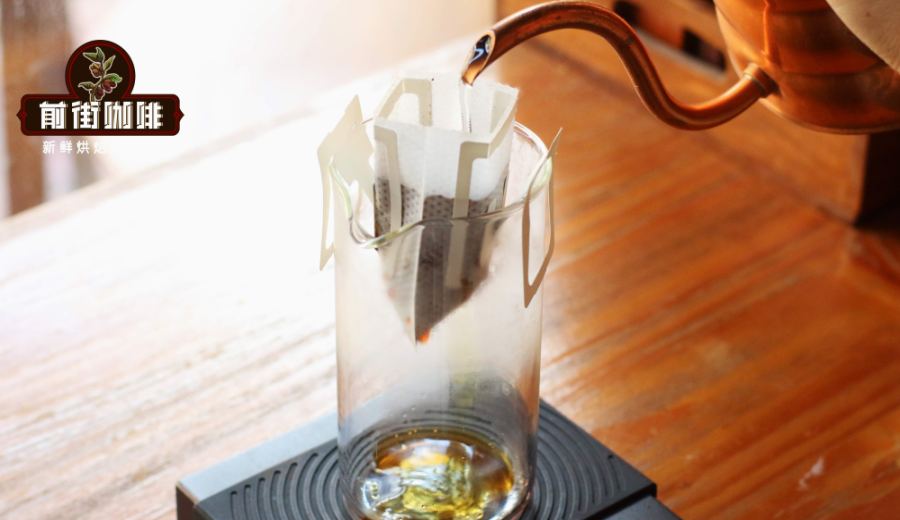
Introduction:Drip bags combine the convenience of pour over brewing with the flavor profile of specialty coffee, making them a daily choice for many office workers. This article delves into the origins of drip bags, their operational advantages and flavor limitations, and introduces in detail 6 carefully selected drip bags with diverse flavor profiles — including refreshing fruity notes, rich balance, and more. It also provides professional-grade brewing parameters and practical tips to help readers brew black coffee with distinct flavor layers even in the office.
For modern office workers accustomed to using coffee for a pick-me-up, drip bags offer the flavor experience of pour over coffee while significantly simplifying the brewing process. This coffee format, inspired by the concept of pour over drip brewing, encapsulates freshly ground coffee powder in a non-woven fabric filter bag. With just hot water and a cup, it can be quickly brewed in an office environment. However, compared to freshly ground pour over, drip bags still have certain limitations in terms of aroma longevity and flavor detail.
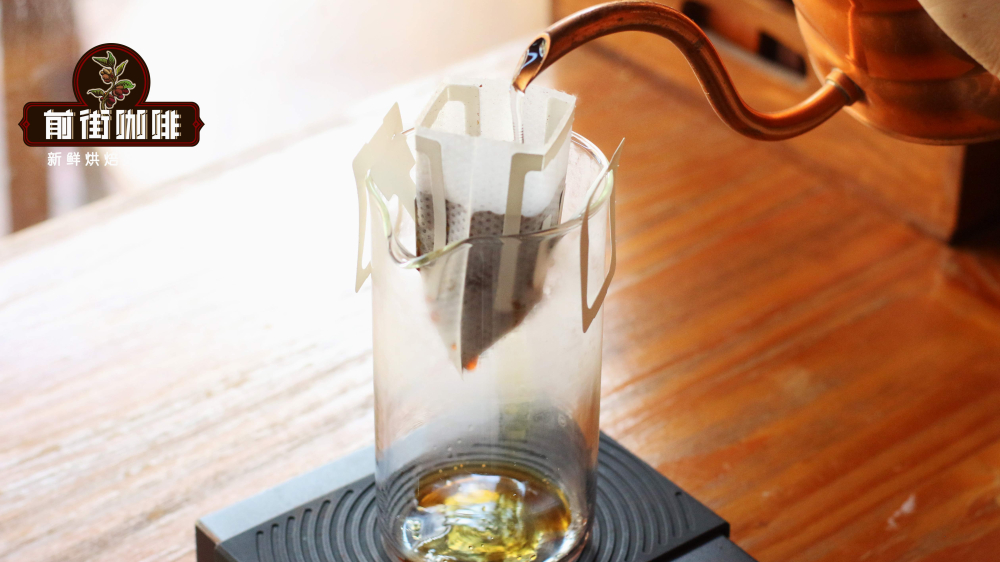
The design of drip bags is inspired by traditional tea bags, but its innovation lies in simplifying the professional pour over drip brewing principle into a portable solution. Through the “ears” on both sides of the bag opening, the filter bag can be stably suspended at the edge of the cup, allowing hot water to evenly saturate the coffee powder layer. This structure not only retains the basic extraction logic of pour over coffee, but also allows users to easily enjoy the flavor of single-origin coffees from different regions.
The market for drip bags has developed a rich and diverse selection. From classic Yirgacheffe to distinctly flavored Hambela, each product showcases a unique flavor profile. For example, Ethiopian Yirgacheffe drip bags are known for their bright citrus tones and jasmine floral notes, while Indonesia’s Golden Mandheling presents a rich profile of nuts and chocolate. It’s worth noting that these drip bags are all made with freshly roasted coffee beans, and it’s recommended to consume them as soon as possible after receipt to achieve the best flavor performance.
Among the many drip bag options, several products from a particular brand are particularly representative. The washed Gu Ding Ding drip bag showcases typical African bean characteristics, with its light to medium roast enhancing lemon acidity and white floral aromas; the natural Hambela preserves more of the honeyed tones from fruit pulp fermentation, featuring distinct layers of strawberry and mango flavors. For those who prefer a balanced taste, the Yunnan small-grain Typica drip bag offers a mellow combination of nuts and brown sugar, while the PWN-certified Golden Mandheling, with its low acidity and full body, suits consumers who enjoy a richer flavor.
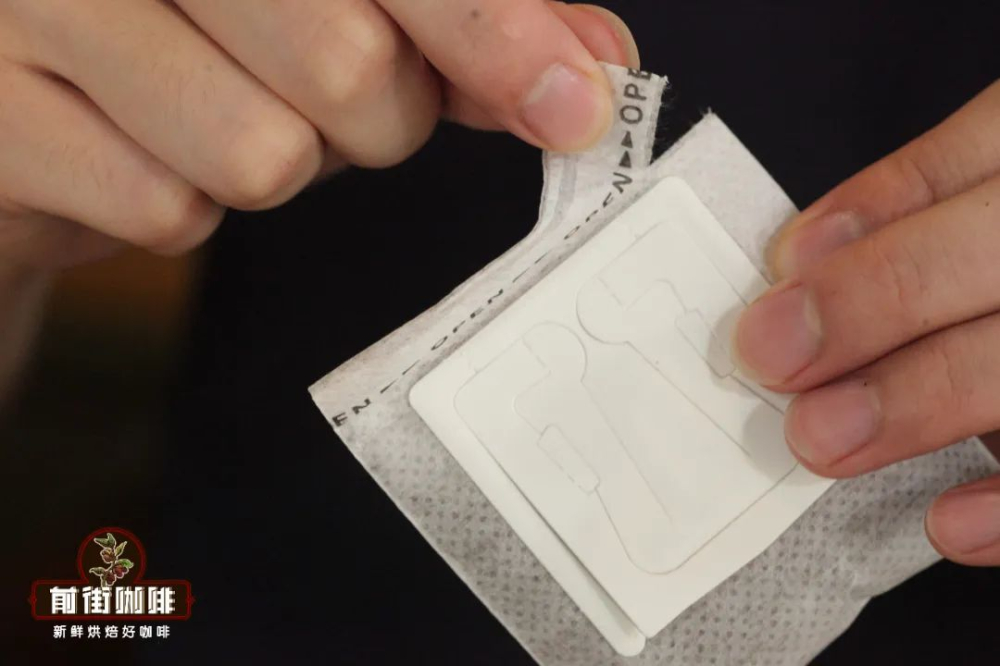
The core advantage of drip bags lies in their operational simplicity. Compared to the pour over method, which requires precise control of pouring speed and timing, drip bags only need basic heat and a container to complete brewing. The standard recommendation is to use hot water at around 90°C, with a coffee-to-water ratio of 1:15 (approximately 10 grams of coffee powder to 150 milliliters of water), using a three-stage pouring method: the first stage involves a 20-second bloom to awaken the coffee grounds, the middle stage pours steadily until about 80% full, and the final stage tops up the water until fully filtered. This parameter set effectively balances extraction efficiency and flavor expression.
However, drip bags also have notable limitations. Since the coffee powder is pre-ground and packaged, the rate of aroma volatilization is faster than with freshly ground coffee, and it’s recommended to use them within 4–5 days of roasting for optimal flavor. In addition, improper storage may cause the coffee powder to absorb environmental odors, so it’s advisable to store unused drip bags in a cool, dry place and prioritize using the ones received first. For those seeking the ultimate flavor experience, freshly ground and brewed coffee remains the more ideal choice.
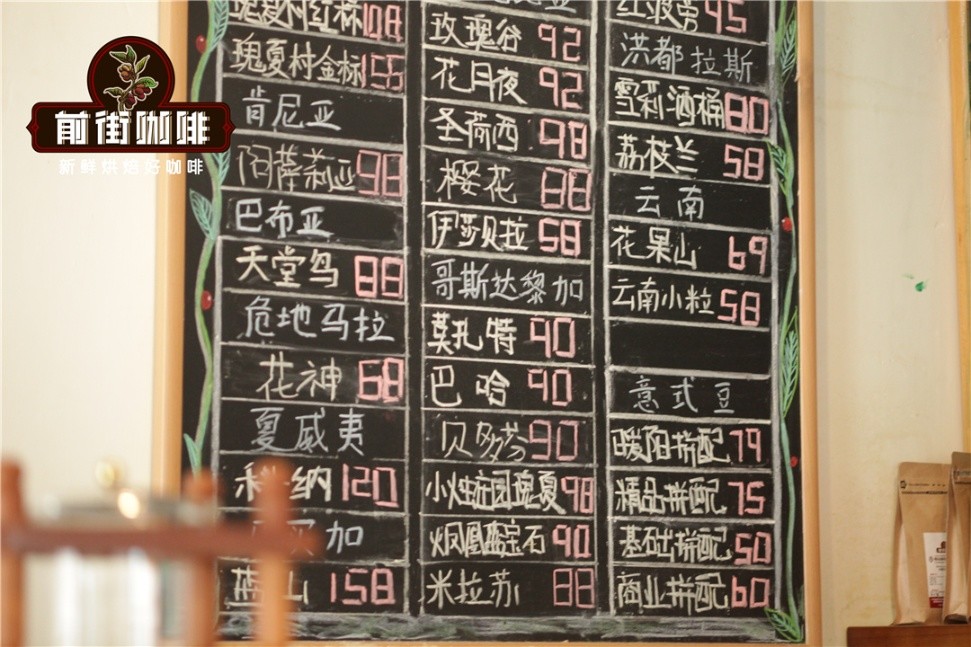
In terms of selected drip bag products, in addition to the common varieties mentioned above, there are several distinctive options worth highlighting. The washed Gu Ding Ding drip bag uses Ethiopian G1 grade green beans, with a medium-light roast highlighting the fresh tones of lemon and jasmine; the natural Hambela showcases the fruity characteristics of the new season, including complex flavors of creamy strawberry and honey. For consumers seeking special taste profiles, the Yunnan small-grain Typica drip bag, nurtured by a three-dimensional climate and an original variety, delivers a mellow aftertaste of brown sugar and dried apricot, showcasing the unique terroir of the Chinese growing region.
Correct brewing techniques are crucial to unlocking the potential of drip bags. It’s recommended to use a narrow-spout kettle for segmented pouring. The first stage involves evenly wetting the coffee grounds with 30 milliliters of hot water and letting it sit for 15–20 seconds — this process is called blooming, which helps release carbon dioxide and initiates flavor extraction. The subsequent pouring stages should maintain a steady water flow, with the pouring height recommended to be at least 5 centimeters above the coffee layer to avoid excessive agitation. The total water volume should be controlled within the range of 150–180 milliliters, and a brewing time of about 2 minutes achieves an ideal extraction balance.
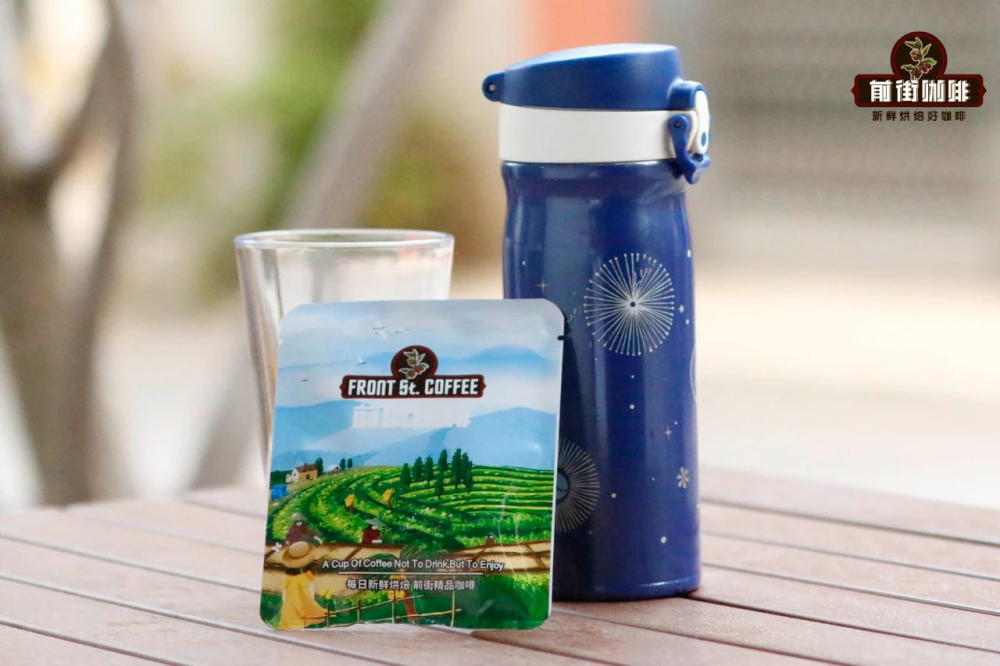
Common mistakes during brewing include using water that’s too hot, leading to burnt or bitter flavors, or pouring too quickly, causing uneven extraction. Professionals recommend letting boiling water sit for 1–2 minutes to lower the temperature to the 88–92°C range, which can fully activate the aromatic compounds in the coffee without causing over-extraction. In addition, using a filter paper cup or glass server allows you to observe the extraction process; normal coffee liquid should have an amber hue and flow at an even rate. If the flow is too fast or too slow, adjustments to grind size or pouring technique may be needed.
For office environment users, drip bags offer a solution that combines quality with convenience. It’s recommended to use ceramic or glass cups for the best flavor expression, avoiding plastic containers that might introduce unwanted odors. If you prefer coffee with milk, you can adjust the coffee liquid ratio to your taste — generally, a coffee-to-milk ratio of 1:1 to 1:3 can maintain flavor balance. Regularly trying different flavor drip bag products not only adds enjoyment to your coffee routine, but also helps you explore your personal coffee preferences.
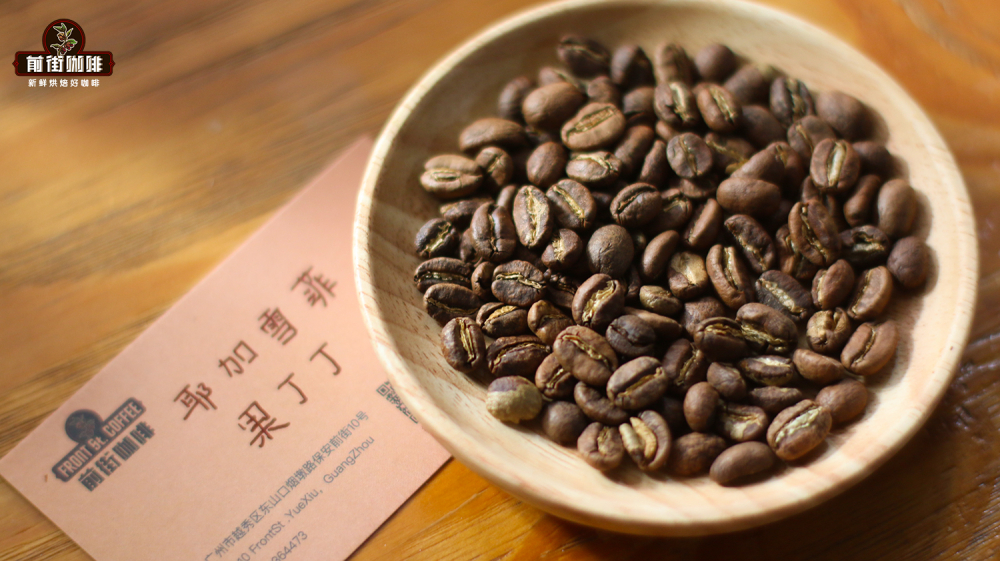
In summary, drip bags are suitable for office workers who seek efficiency without compromising on flavor quality. By understanding the characteristics of different growing regions and mastering basic brewing parameters, even beginners can easily brew black coffee with distinct flavor expression. It’s suggested to start with African beans with bright acidity, then gradually explore the flavor variations brought by different processing methods and roast levels, ultimately finding the drip bag choice that best matches your personal taste preference.
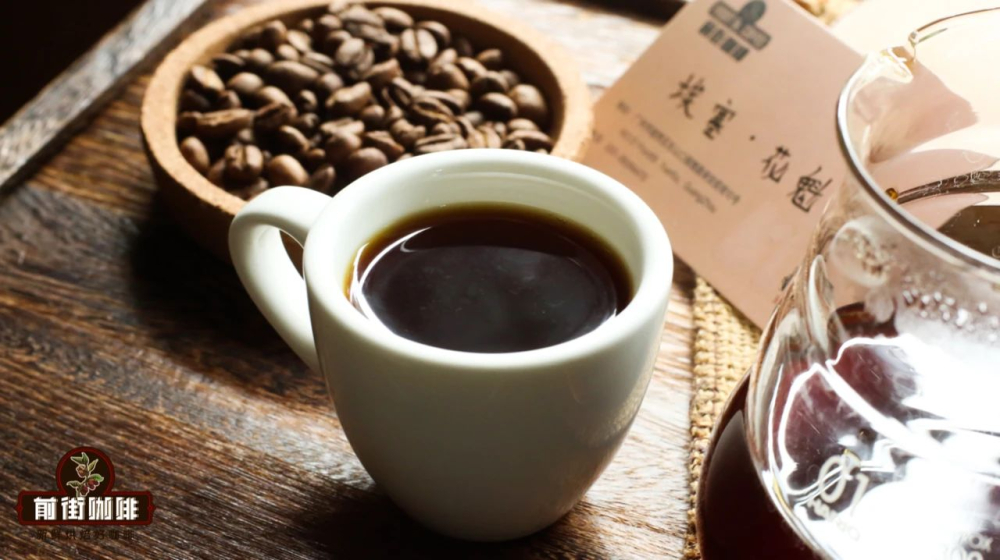
The above content is compiled by CoffeeHunters, a coffee news website.


