







Introduction:If you want to replicate the rich, intense flavor of café-style coffee at home using a moka pot, the key lies in correctly mastering the grind size of the coffee grounds and the overall extraction parameters. This article delves into the workings of the moka pot, starting with the history of the device, and takes you through the crucial steps of the extraction process—including tampering the coffee in the filter basket, controlling heat, and safety considerations regarding the pressure relief valve. It also offers practical tips on how to enhance coffee crema, while recommending suitable coffee bean types and grind size ranges so that you can consistently brew a strong, aromatic espresso-style coffee with rich layers of flavor.
If you’re aiming to recreate that rich and bold cup of coffee you enjoy at cafés at home, many people turn to the moka pot. This classic Italian brewing device, known for its simplicity and great value for money, has become a top choice for many home coffee enthusiasts. However, whether you’re a beginner or an experienced user, one key factor in brewing a cup of coffee with a solid body and glossy crema is the combination of the coffee grind size and the overall extraction conditions.
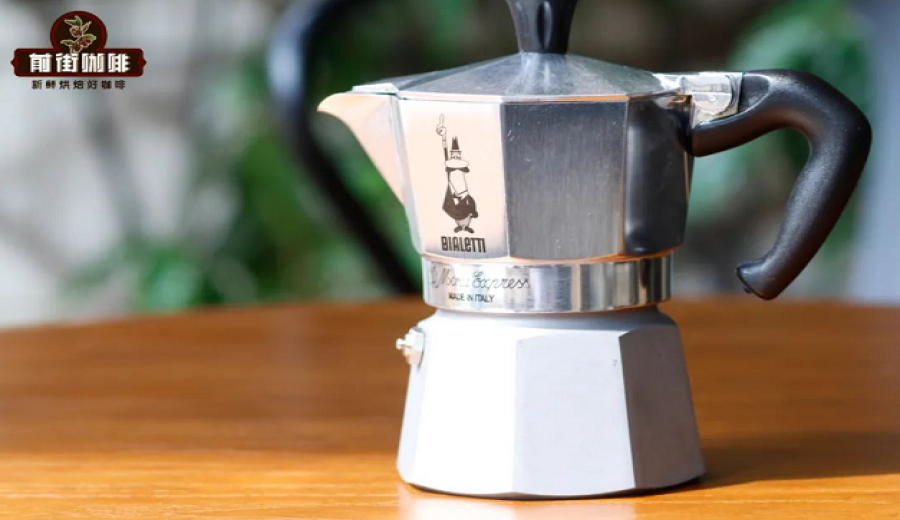
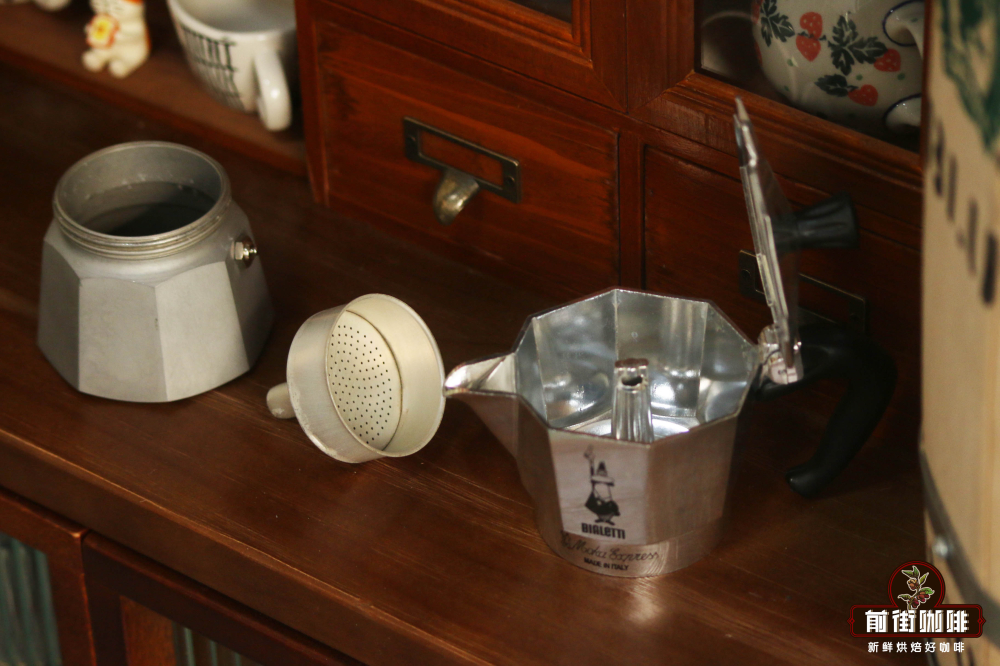
To understand how to adjust the coffee grind size for a moka pot, it’s essential to start with its basic principles. The moka pot was invented in the 1930s by Italian designer Alfonso Bialetti. Inspired by the common household washing machines of the time, he introduced the concept of steam pressure into coffee brewing and designed a two-tiered pot structure: water goes into the lower chamber, coffee grounds sit in the middle, and as the device heats up, steam pressure pushes hot water through the compacted coffee layer, eventually extracting a rich coffee into the upper chamber.
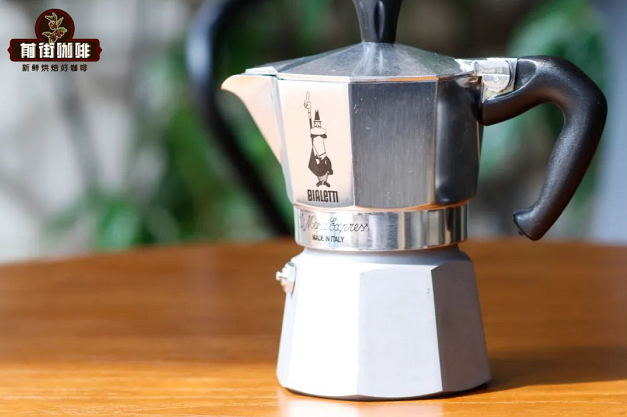
In actual use, it is recommended to first add hot water to the lower chamber, being careful not to fill it beyond about 0.5 cm below the pressure relief valve. Next, pour the pre-ground coffee into the middle filter basket—gently tapping it down to ensure an even distribution of the coffee bed—and then assemble and tighten the upper and lower chambers. Once placed on the stove and heated, when you hear a “wuu wuu” sound, it means the internal pressure is gradually increasing. At this point, you can reduce the heat and open the lid of the upper chamber. When the coffee begins to flow out steadily, you can turn off the heat and enjoy a richly aromatic cup of coffee.
Many users wonder why coffee brewed with a moka pot doesn’t have the same noticeable crema layer as espresso made with a machine. In fact, this golden layer of coffee crema is primarily formed by the carbon dioxide released from the coffee grounds and fine particles under high pressure. If you want to improve the appearance of the crema, the key lies in three factors: the fineness of the coffee grind, the freshness of the beans, and the roast level.
First, the freshness of the coffee beans is extremely important. It is recommended to choose beans that are 4 to 7 days post-roast and have completed their degassing period, as this is when their flavors are at their peak. Additionally, dark roasted beans usually have more broken cell walls, which makes it easier for carbon dioxide to be released, aiding in crema formation. For example, the Yellow Bourbon Natural from Brazil's Queen Estate, which is grown at high altitudes and undergoes a long sun-drying process, not only delivers a rich sweetness but also has intense notes of nuts and cream, making it very suitable for moka pot extraction.
When it comes to grind adjustment, the ideal coffee grind size for a moka pot is between 0.3 to 0.55 mm, which is generally slightly coarser than what is typically used in standard espresso machines. However, because it’s hard to judge accurately by eye, it’s recommended to fine-tune based on actual extraction performance. If the coffee flows out in a fountain-like manner too quickly, it usually means the grind is too coarse and there isn’t enough resistance from the water. Conversely, if you hear the “wuu wuu” sound but the coffee is slow to come out, the grind may be too fine, and you should immediately turn off the heat to avoid dangerous pressure buildup.
It’s worth noting that the bottom of the moka pot is equipped with a pressure relief valve, whose primary function is to release pressure in case of abnormal internal pressure increases, preventing the risk of explosion. If the water level is above the valve position when filling, it will affect its normal operation, significantly increasing the potential risk during use. Therefore, always pay attention to the water level markings during operation, and make sure the amount of water in the lower chamber stays within safe limits.
Overall, to brew a rich, café-quality cup of coffee with a moka pot, in addition to mastering heat control and the correct operational sequence, you also need to consider your choice of coffee beans, their roast characteristics, the evenness of the coffee bed, and using the appropriate grind size. Through continuous fine-tuning, you’ll be able to consistently produce a cup of coffee at home that is strongly aromatic, full-bodied, and features an attractive crema presentation. Don’t forget to experiment with different parameters to find the combination that best suits your taste preferences!

The above content is compiled by CoffeeHunters, a coffee news website.


