







Introduction:The charm of pour over coffee lies in the precise control of every detail, but many beginners and even advanced enthusiasts may unknowingly make mistakes that affect the flavor. This article delves into six common operational pitfalls, including how to select fresh coffee beans, adjust the optimal water temperature and water quality, the importance of equipment cleanliness, correctly assessing bean quality, and proper storage methods. It helps you fundamentally improve your pour over quality and avoid wasting good beans.
Wanting to brew a cup of coffee with balanced flavor and rich layers through pour over is not achievable by high-quality beans alone. In reality, many coffee lovers often unknowingly fall into some common traps during daily brewing, which can affect the final extraction performance and overall taste. This article will guide you through six of the most easily overlooked error-prone steps—from selecting fresh coffee beans, precisely controlling water temperature and water quality, to regularly cleaning equipment, evaluating bean quality, and proper storage. Each step directly impacts the coffee’s performance. Even professional-grade specialty coffee beans can fail to showcase their true potential if any of these steps go wrong. The article also includes practical advice to help you consistently reproduce pour over coffee close to professional standards at home, breaking free from the cycle of repeated mistakes.
No pour over enthusiast wants the coffee they’ve worked hard to brew to taste bad—especially when using expensive beans, it can be especially disappointing. However, the frequently occurring operational errors below, even if just one occurs, can lead to disappointing results even with top-tier beans. More troubling is that if the root cause is never identified, the same mistakes will keep recurring, affecting the overall drinking experience.
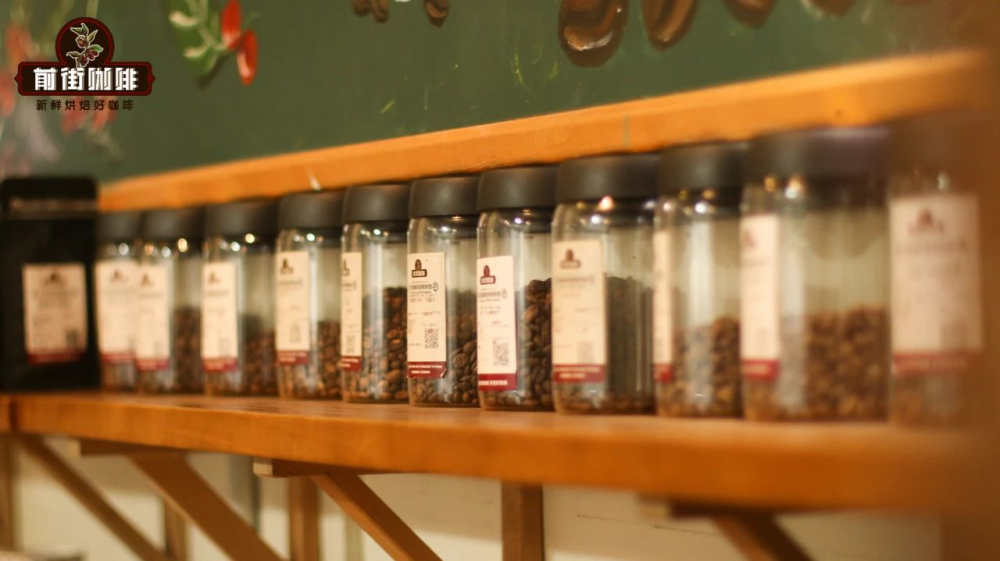
First, are you sure the coffee beans you’re using are fresh enough? This is a key issue that is often overlooked—even some seasoned baristas sometimes neglect the importance of checking the roast date. Keep in mind that once coffee beans pass their optimal freshness window, their flavor performance naturally declines significantly, and no amount of skill can fully compensate. Therefore, before brewing pour over, always confirm whether the beans are still within their freshness period; this is one of the foundations for ensuring successful extraction.
In addition, essential tools indispensable to the pour over process include an electronic scale, thermometer, and timer. They help you accurately control the coffee dosage, water temperature changes, and brewing time, forming the basic setup for improving stability.
Next, is the water temperature you’re using appropriate? Water temperature is one of the core factors affecting coffee extraction efficiency: too high and it can release excessive bitter and astringent substances, making the coffee taste rough; too low, and it may lead to under-extraction, resulting in a thin, overly acidic, and unbalanced flavor. The generally recommended water temperature range for pour over is 85 to 95 degrees Celsius, but the actual temperature should be fine-tuned based on the roast level and freshness of the beans. For example, roast levels can be roughly divided into five grades: very dark, medium-dark, medium, light, and very light, with corresponding suggested water temperatures of 85, 87, 90, 92, and 95 degrees Celsius, respectively. If the coffee beans are still actively degassing, you can appropriately extend the blooming time and, once degassing slows, consider lowering the water temperature by 1 to 2 degrees depending on the situation.
Besides water temperature, the mineral content in water (i.e., the TDS value) is also key to influencing the coffee's flavor, aroma, and smoothness. The industry generally agrees that both overly soft (low TDS) and overly hard (high TDS) water are not conducive to extracting the best flavors from coffee. Therefore, it’s recommended to use water of medium hardness and moderate purity, with specific conditions adjustable further according to individual taste preferences.
How long has it been since you thoroughly cleaned your pour over equipment? You might think skipping a wash or two won’t greatly impact the flavor, but in reality, long-term accumulation of residual oils and moisture can not only lead to off-flavors, but also potentially breed bacteria, affecting health. One enthusiast shared that a brew once had a distinct burnt taste, fuel-like odor, or even a smell reminiscent of rot—all traced back to improper equipment cleaning. Especially for grinders and pour over kettles, if not cleaned internally for a long time, they not only affect coffee flavor but could also become hygiene hazards.
So, does the coffee bean quality you’ve chosen really meet your expectations? There are countless types of coffee beans on the market, and while beans labeled “specialty” aren’t guaranteed to taste great, generally speaking, specialty-grade beans undergo stricter screening, so their flavor performance is relatively stable and the chance of disappointment is lower. However, price and quality aren’t always proportional—some specialty beans may have only slightly higher cupping scores but can be double the price. Therefore, it’s recommended that consumers, in addition to referring to scores, also comprehensively evaluate factors like bean variety, origin, processing method, and personal taste preferences.
Finally, are your coffee beans stored correctly? Coffee beans are fresh agricultural products, and how they’re stored directly affects how long their flavor is preserved. Generally, keeping them in their original packaging or a sealed container in a cool, dry place is sufficient—but there are some environments you should absolutely avoid: for example, humid kitchens, areas near heat sources such as ovens or microwaves, and windowsills exposed to direct sunlight. High temperatures, moisture, oxygen, and light in these environments accelerate the oxidation process of coffee beans, leading to flavor loss, oil oxidation, and even unpleasant odors. Proper storage not only extends shelf life, but also ensures each brew can showcase the beans’ original and wonderful flavor profile.
The above content is compiled by CoffeeHunters, a coffee news website.


