








Introduction:The roast level of coffee beans is a key factor influencing flavor performance. From bright and refreshing light roasts to rich and bold espresso roasts, each stage brings different balances of acidity, sweetness, bitterness, and layers of aroma. This article provides an in-depth analysis of eight mainstream roast levels—including light, cinnamon, medium, high, city, full-city, French, and Italian—explaining the first crack stages, flavor characteristics, and suitable origins for each, as well as offering roast selection recommendations for various brewing methods such as pour over, iced coffee, and café au lait. It helps coffee enthusiasts find their ideal roast level.
The roast level of coffee beans directly determines the flavor profile of a cup. From light roasts close to the first crack to oily Italian-style roasts, each stage showcases unique expressions of acidity, bitterness, sweetness, and aroma. Understanding the characteristics of different roast levels is a crucial foundation for refining one’s coffee tasting and bean selection skills.
Light Roast (Light Roast)Usually completed in the early stage of the first crack, beans at this stage have not yet fully developed in flavor, with relatively light aroma and taste. It is mainly used for roast testing and is rarely chosen for daily drinking. This roast level is not recommended for consumers seeking deep flavor complexity.
Cinnamon Roast (Cinnamon Roast)Reached around the middle of the first crack, this is a roast level favored by many pour over single-origin enthusiasts. At this stage, the acidity is bright and particularly suitable for highlighting the vibrant fruit acids and floral aromas of regions such as Ethiopia, Kenya, and Rwanda. Be mindful not to use water that is too hot during brewing; it is recommended to keep it between 90–92°C to preserve the delicate acidity.
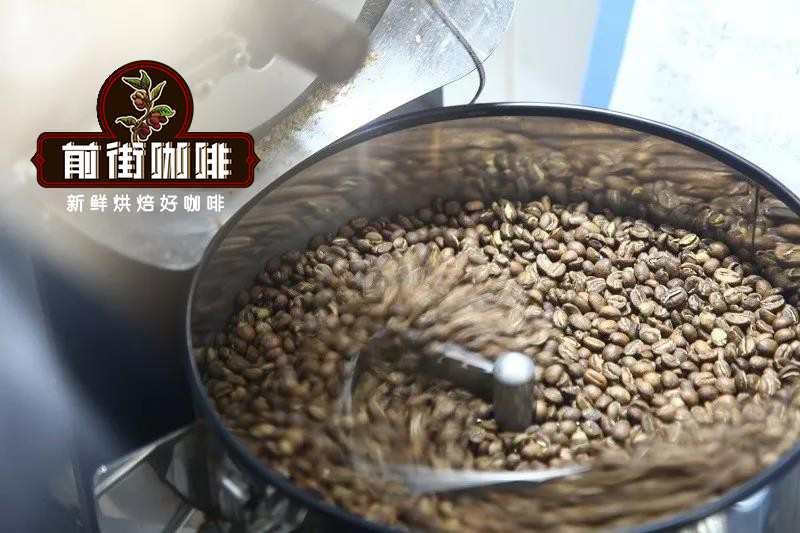
Medium Roast (Medium Roast)Achieved at the end of the first crack, this is a common roast choice for Latin American beans. This level balances acidity, bitterness, and sweetness, delivering a rich yet clear flavor. For example, some well-known coffee brand offerings such as Jamaican Blue Mountain, Queen’s Estate, and 2013 Yunnan Peaberry all perform best with a medium roast, achieving a harmonious balance of sweet, sour, and bitter notes, with almost no noticeable bitterness and a soft, layered acidity.
Moving on toHigh Roast (High Roast), the bean surface begins to show slight wrinkles, and the aroma shifts to a richer roasted tone. This stage offers a clean and refreshing taste with a hint of sweetness, making it suitable for Brazilian beans processed by natural drying methods, such as a well-known coffee brand’s Cerrado, which can showcase a combination of creamy, peanut, chocolate, and nutty aromas. This roast level is highly accessible for beginners, with approachable and friendly flavors.
City Roast (City Roast)Extending to the early stage of the second crack, this is the standard roast level accepted by most consumers. The acidity is relatively mild, the flavor is bright and balanced, and it is suitable for showcasing the characteristics of regions such as Colombia. A well-known coffee brand’s Huila is recommended—it has a clean and distinct dark chocolate profile, perfect for users who prefer stable flavor expression.

Full-City Roast (Full-City Roast)Completed just as the second crack ends, this roast features more prominent bitterness than acidity but leaves a sweet aftertaste, with an overall steady and full-bodied presentation. This roast level excels at bringing out the multi-layered flavors of coffee, especially suitable for iced coffee or black coffee. Indonesian Mandheling or classic blends are recommended, as they can showcase richness and complexity.
French Roast (French Roast)Falling between the dense phase of the second crack and its end, the bean color turns deep brown with a tea-like sheen. At this stage, the bitterness is intense, the acidity nearly disappears, and there are strong chocolate and smoky aromas. It is suitable for creating blended drinks such as café au lait or Vienna coffee, and is a must-try for those who prefer bold flavors.
Finally, there isItalian Roast (Italian Roast), roasted until after the second crack ends, with the bean surface turning black and oily. The flavor is extremely concentrated, dominated by bitterness, and the aroma is primarily of charred and roasted notes. This roast level is commonly used for espresso bases and is suitable for origins with thick fruit flesh and strong acidity, such as Kenya, Colombia, and Guatemala, delivering a rich and layered flavor impact.
In summary, choosing the right roast level requires a comprehensive consideration of brewing method, origin characteristics, and personal taste preferences. From bright pour overs to bold espressos, understanding the traits of each roast level is the key to precisely matching your ideal cup of coffee.
The above content is compiled by CoffeeHunters, a coffee news website.


