







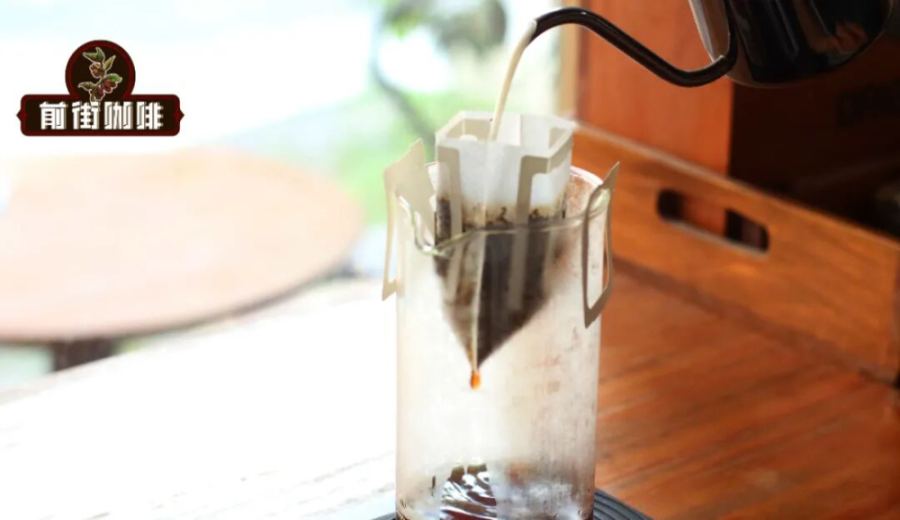
Introduction:Many coffee enthusiasts have tried brewing pour-over coffee bags directly with milk, hoping to enjoy a rich latte at home. However, milk is far less efficient at extracting flavors than hot water, and when heated, the properties of lactose and proteins change, making conventional brewing methods ineffective. This article delves into the challenges and real-world results of brewing coffee bags with milk, and provides a simple cold-brew milk coffee method to help you easily achieve a smooth and flavorful cup.
Pour-over coffee bags are typically brewed with hot water, but many coffee lovers wonder if they can brew a silky-smooth latte-like drink directly with milk. In reality, milk has significantly weaker extraction capabilities than hot water, and when heated, the proteins and lactose in it undergo chemical changes, resulting in poor extraction. Therefore, traditional hot water brewing methods cannot be directly applied.
Some experiments have attempted to first use hot water for blooming to pre-wet the coffee grounds and release more flavor compounds, followed by75°C hot milkbeing slowly poured into the filter bag in two stages. Additionally, to achieve a richer and more balanced taste, it is recommended to choose medium-dark roasted coffee bags, such as those with almond and cocoa aromas, or beans with creamy peanut and caramel notes—these all complement the flavors of milk.
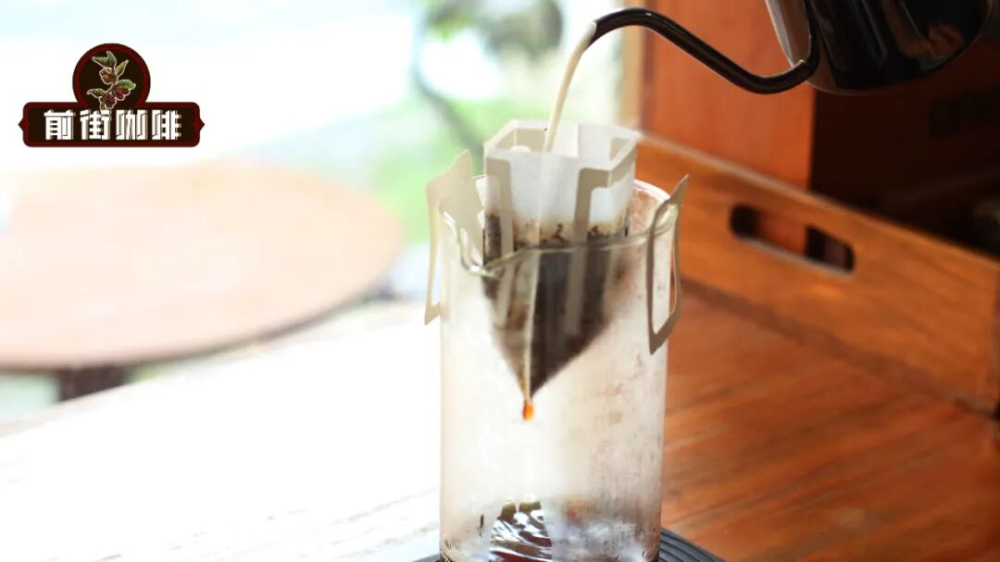
However, in practice, when milk comes into contact with the coffee grounds, the fine particles can swell and clog the pores of the filter bag, drastically slowing down the extraction rate. The entire process can take up tonearly 20 minutes, which goes against the original purpose of coffee bags—quick and convenient brewing.
So, is it really possible to brew coffee bags directly with milk? The answer is that it’s conditionally feasible, but the process is cumbersome, and the results don’t quite justify the effort or convenience. If you still want to try it, you can refer to the following tested steps, but be prepared with enough time and the right tools.
First, prepare a tall glass and a packet of coffee bags. Hang the filter bag on the edge of the cup, then pour about90–93°C hot waterinto the filter bag to about half its height, using around 25 grams of water. It is recommended to use a thin stream or circular pouring method to ensure even saturation of the coffee grounds. Once the drip-through stops, pour in75°C hot milkin multiple slow pours until the filter bag is about 90% full, keeping the total liquid volume around 150 grams.

The brewed coffee will have a rich milk-tea hue, and the flavor profile may include layers of strawberry jam, raisins, and cream. It’s suitable for drinking straight or over ice. However, since the components in milk cause the fine coffee particles to swell rapidly, the filter bag can easily become blocked, leading to slower flow rates during the second stage of milk pouring. The overall extraction time may extend to 11 minutes, and with preparation and cleanup, the total time can exceed 20 minutes—making it inefficient for users prioritizing speed.

Aside from the complicated hot milk brewing method above, there is actually a simpler alternative, ideal for those who prefer iced coffee—cold-brew milk coffee. This method requires no heating; simply soak the coffee bag directly in chilled milk overnight, and it’s ready to enjoy.
The process is very straightforward: remove the outer paper shell of an unopened coffee bag, and place the entire filter bag into a bottle of fresh milk (it’s best to use non-ultra-pasteurized milk for optimal flavor). Then screw on the cap and shake the bottle up and down to fully saturate the coffee grounds with milk. A general recommendation is a coffee-to-milk ratio of about1:12 to 1:15—for example, a 10-gram coffee bag paired with 150 milliliters of fresh milk. Place the milk and coffee bag mixture in the refrigerator for8 to 12 hours, then shake it again the next day before removing the filter bag. Your cold-brew milk coffee is now ready.
This cold-brew method not only saves time—there's no need for immediate heating or multiple pours—and avoids the issue of clogged filter bags, making it perfect for busy individuals or anyone wanting a quick coffee fix in the morning. If you don’t want to spend too much time brewing but still want to enjoy the perfect pairing of milk and coffee, this convenient and delicious alternative is worth trying.
The above content is compiled by CoffeeHunters, a coffee news website.


