







Introduction:As a convenient alternative to pour over coffee, drip bags are easy to use yet involve professional techniques. This article delves into the relationship between drip bags and black coffee, covering grind size, water temperature settings, appropriate coffee-to-water ratios, cup selection, and step-by-step brewing instructions. It provides practical parameters and common mistake alerts, along with an introduction to the flavor profiles of six major coffee regions, helping you brew layered single-origin black coffee the right way.
Among various drip coffee brewing methods, drip bags are favored for their low barrier to entry. With just a drip bag, a cup, and hot water, you can enjoy a clear-flavored single-origin black coffee without complicated equipment. However, to achieve a taste that approaches 70% of a pour over’s performance, there are still some key details to keep in mind.
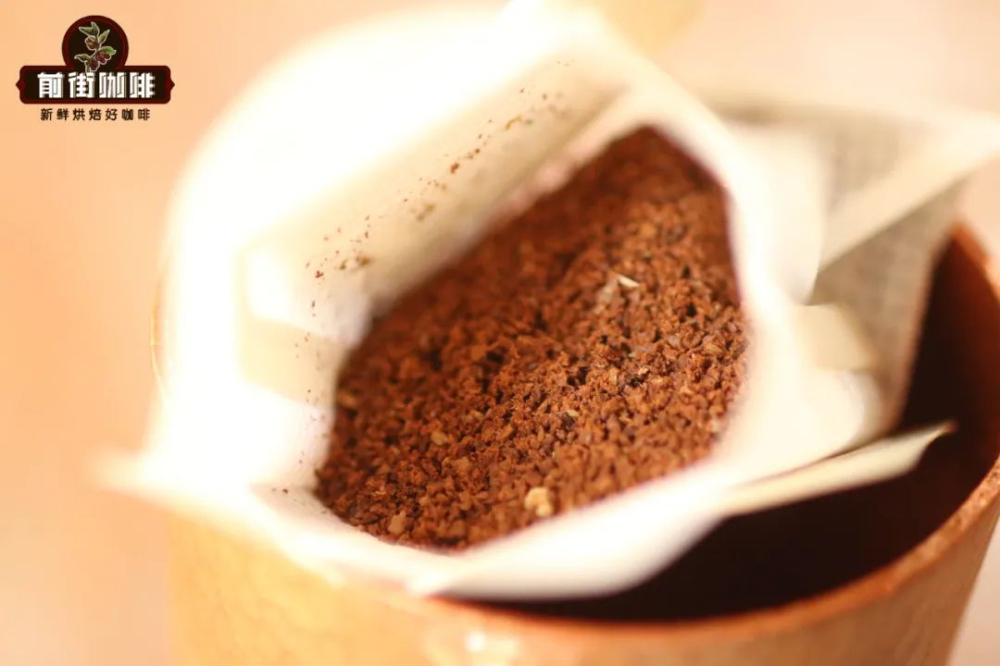
First, there is no fundamental difference in extraction principles between drip bags and pour over coffee, so many parameters suitable for pour over also apply to drip bags. Take grind size, for example—most commercially available drip bags come with pre-ground coffee. The factory has already ground the beans to the appropriate coarseness based on the coffee variety before packaging them in filter bags, so users typically do not need to adjust it again.
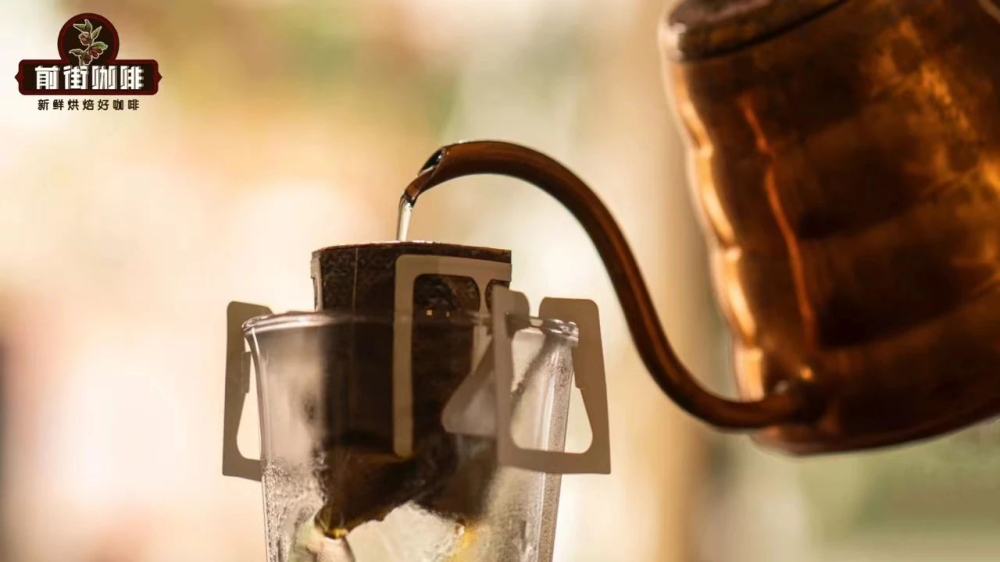
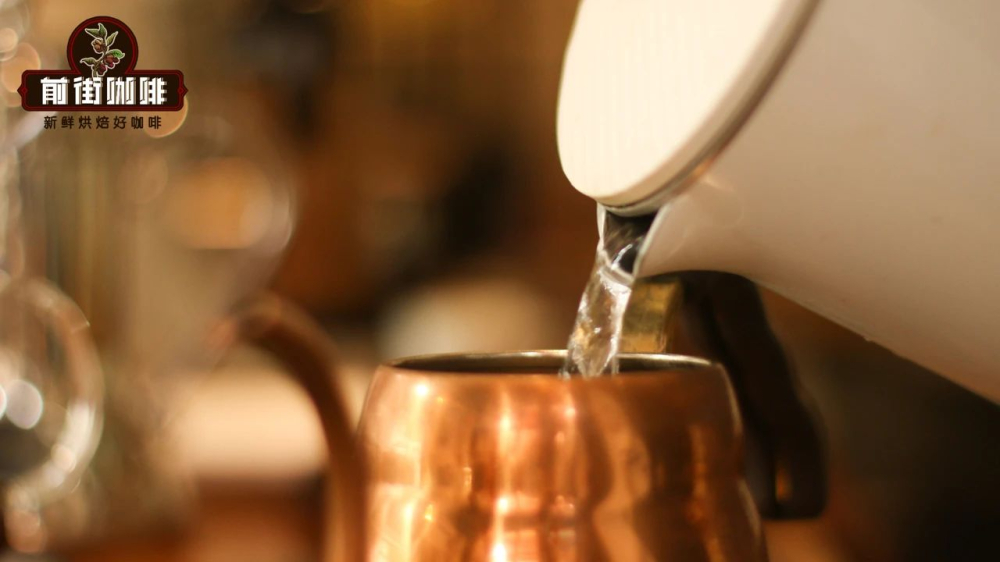
Regarding water temperature control, it is recommended to refer to standard pour over guidelines: for medium to light roasted beans, use hot water at 90–93°C; for medium to dark roasts, lower the temperature to 86–89°C. It’s worth noting that many people, for convenience, directly use water from a water dispenser, which is usually only about 80°C. Brewing with such water often results in a thin-tasting coffee with sharp acidity. Conversely, using freshly boiled water straight off the boil may release excessive bitter and burnt compounds. If you don’t have a thermometer, you can let boiled water sit uncovered for about 1–2 minutes to naturally cool down to around 90°C before brewing.
In terms of coffee-to-water ratio, many beginners tend to pour water into the entire cup until the coffee powder is fully submerged, which often leads to overly bitter and thin-tasting coffee. Generally, one drip bag contains about 10 grams of coffee powder, and it is recommended to use a 1:15 to 1:18 ratio—that is, a total water volume of about 150–180 milliliters. If you don’t have an electronic scale, you can also use a measuring cup with markings to help ensure the correct proportion.
Additionally, cup selection is also an important factor affecting flavor presentation. It is recommended to choose a cup with moderate height and a capacity of over 250 milliliters to avoid the drip bag filter being immersed in the coffee liquid for too long, which could lead to over-extraction and unwanted bitter or astringent notes.
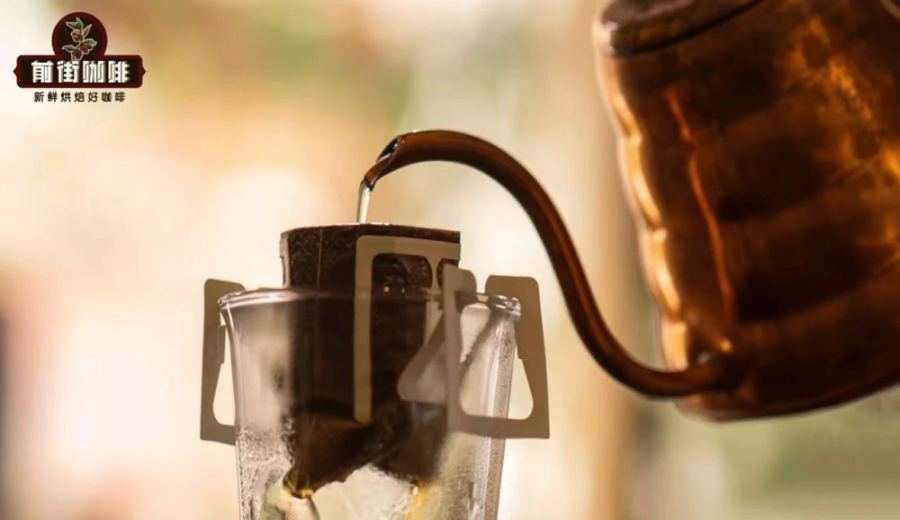
The actual brewing process can be divided into the following steps: First, prepare a clean cup, a drip bag, and water at the appropriate temperature; then, open the outer packaging of the drip bag, take out the inner filter bag, tear along the “open” line indicated on the packaging, unfold the two “ears” on either side, and securely place them on the rim of the cup. Next, begin the step-by-step pouring: for the first pour, it is recommended to pour water up to about half the height of the filter bag, then let it sit and bloom for about 10–15 seconds.
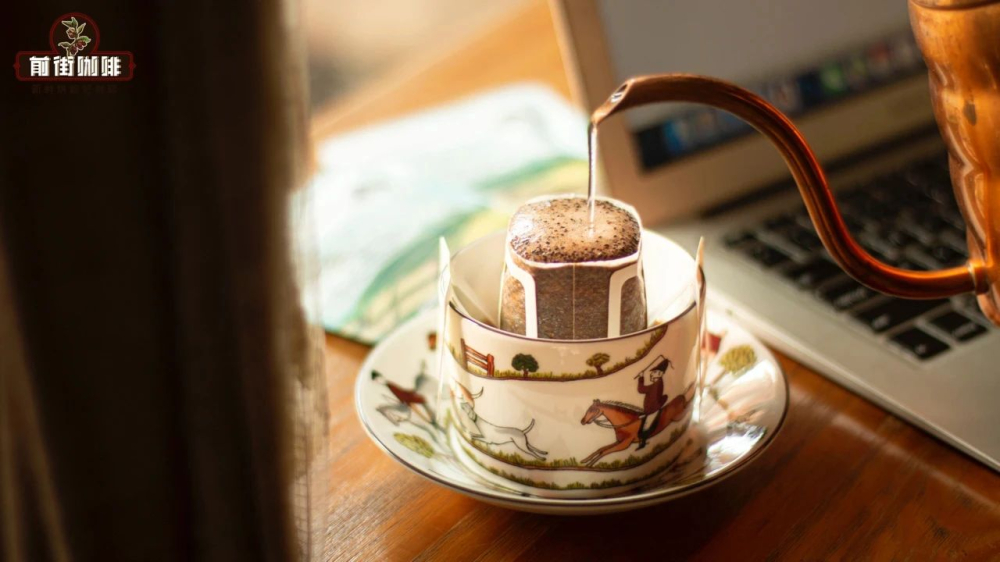
Next comes the main extraction phase: for the second pour, add water until the filter bag is about 90% full. Once the coffee liquid inside has completely dripped through, pour again until it reaches 90% full. After it has finished dripping, repeat this step once more. For the final pour, fill it to 90% full and wait until all the coffee liquid has completely dripped through before removing the drip bag filter. The whole process involves four pours—the first pours water to half the height of the filter bag, and the next three pours wait until the liquid has completely dripped out before filling to 90% each time. According to practical testing, this method results in a total water volume of about 150 milliliters. Using a measuring cup with markings or an electronic scale can help you more precisely control the coffee-to-water ratio and improve brewing consistency.
Beyond technical parameters and steps, choosing a drip bag coffee that suits your personal taste is also a key factor in achieving great flavor. Our current season’s drip bag series includes single-origin coffee beans from six renowned global coffee regions, each with its unique flavor profile to satisfy different consumer preferences.
For example, those who enjoy fresh floral and citrus notes might choose the Ethiopia Washed Yirgacheffe Drip Bag; if you prefer bright fruit acidity and a vibrant mouthfeel, the Costa Rica Tarrazu Drip Bag is a good option; for a balanced and mellow flavor, consider options from the Americas such as Brazil Cerrado Drip Bag or Asian flavors like Indonesia Lintong Mandheling Drip Bag, which offer herbal and nutty aromas; while those who love rich sweetness can try the Colombia Huila Drip Bag with its creamy and peanut notes, or the Yunnan Small Bean Drip Bag with its fruity and tea-like qualities—all delivering satisfying experiences.
In summary, although drip bags are simple to use, mastering the correct water temperature, coffee-to-water ratio, pouring rhythm, and cup selection can still allow you to brew high-quality black coffee close to professional pour over standards. Paired with drip bags that match your taste preferences in different regions, you can not only elevate your daily coffee enjoyment but also gain a deeper understanding of the diversity and charm of coffee.
The above content is compiled by CoffeeHunters, a coffee news website.


