







Introduction:The flavor of coffee comes not only from its variety and origin, but also—and crucially—from the processing method. This article takes an in-depth look at four major processing techniques: wet hulling, semi-washed, pulp natural, and honey processing. We explain each step-by-step, from procedures and parameter control to flavor profiles, and compare the differences between methods. Whether you're curious about what gives Sumatran Mandheling its unique aroma or want to explore how honey processing affects sweetness and body, you'll gain practical insights here.
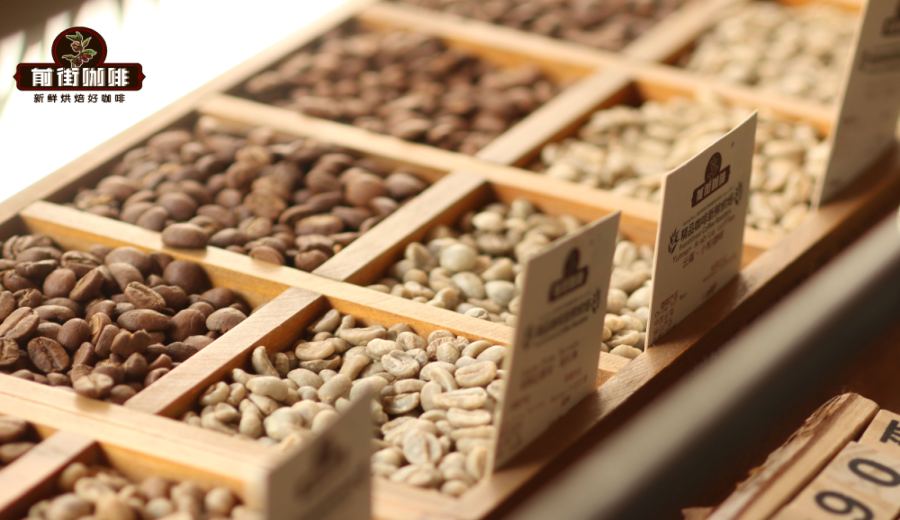
As we all know, different coffee processing methods can greatly influence the final flavor profile—some showcase bright acidity, while others highlight rich body and sweetness. The coffee bean menu of one particular brand includes a variety of processing methods, including the wet hulling, semi-washed, pulp natural, and honey processing methods introduced today. The core of these processing techniques is to remove the outer skin, pulp, mucilage, and other outer layers of the coffee cherry, then extract the inner coffee seed.
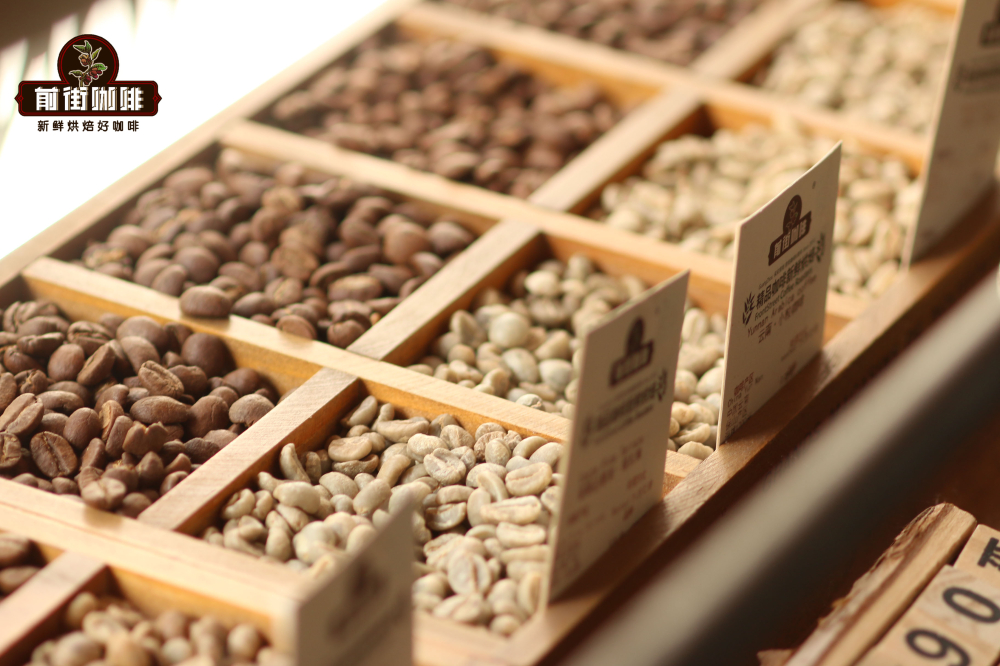
First, let’s familiarize ourselves with the basic structure of the coffee fruit. From the outside in, a coffee cherry can generally be divided into the outer skin, pulp, mucilage layer (also called the slime layer), parchment (seed coat), silver skin, and the innermost coffee bean seed. The goal of various processing methods is to effectively remove these outer layers while influencing the final flavor direction of the beans.
I. Wet Hulling: The Soul of Sumatran Mandheling
Wet hulling is a highly representative processing method in Indonesia’s Sumatra region, especially common for producing Mandheling coffee. The most distinctive feature of this technique is that the inner parchment layer is removed early, while the coffee bean still has a high moisture content (around 30–35%), allowing the bean to be directly exposed to air for subsequent drying. This design effectively shortens the overall drying time, usually taking only 2 to 4 days—much faster than traditional washed or sun-dried methods.
Due to the significantly shortened drying time and reduced fermentation, the final coffee tends to have noticeably weaker acidity, replaced instead by a richer body, prominent caramel and fruity notes, and sometimes even herbal, grassy, or woody aromas—these are the famous “regional characteristics” of Sumatran coffee.
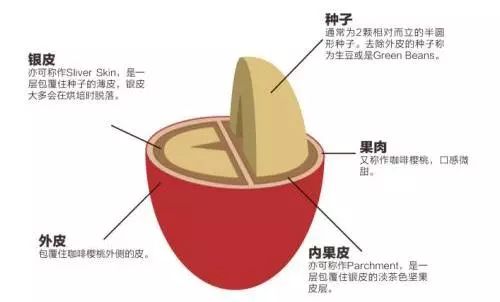
[Wet Hulling Processing Steps]
1. Sorting: After harvesting, the coffee cherries are depulped, and the parchment-covered beans are placed in a water tank where buoyancy is used to remove defective beans—the ones that float are usually unripe or damaged.
2. Fermentation: The dense parchment beans that sink to the bottom are briefly cleaned and then undergo a short dry fermentation period, lasting anywhere from about 12 to 36 hours. Fermentation can enhance the sugar conversion in the mucilage layer, further influencing the flavor. Some processing facilities skip this step entirely—in order to reduce acidity and increase body—and proceed directly to sun drying.
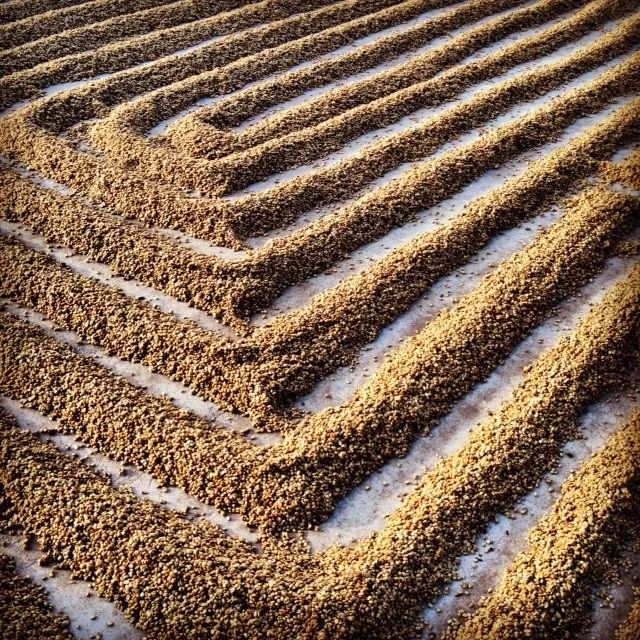
3. Hulling and Drying: The parchment beans first undergo 1 to 2 days of initial sun exposure to lower the moisture content to around 30%–50%. At this stage, the beans are still relatively soft, and then a specialized hulling machine is used to remove the inner parchment layer. They are then continuously sun-dried until the moisture content drops to 12%–13%, after which they are bagged in woven sacks and sent to the factory for further refining hulling and grading.
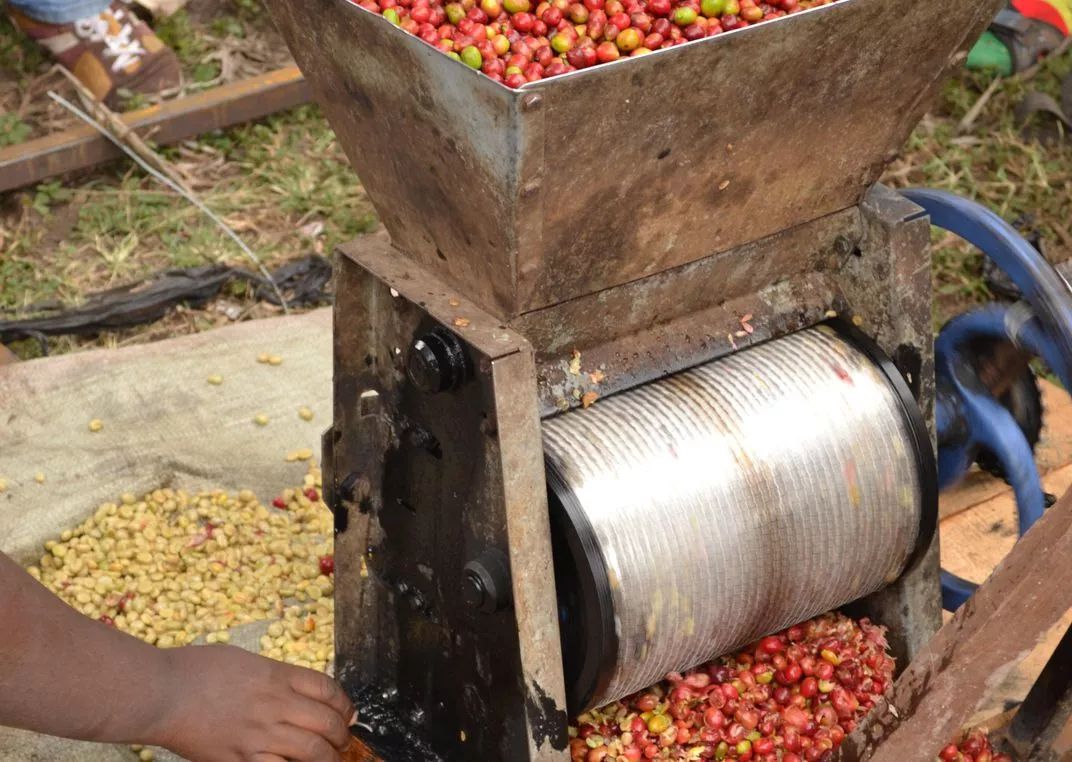
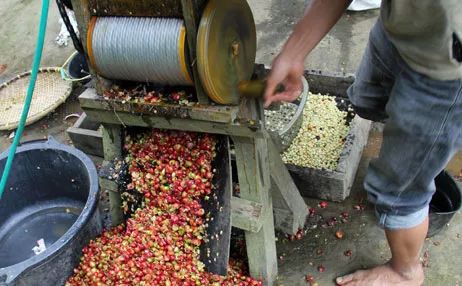
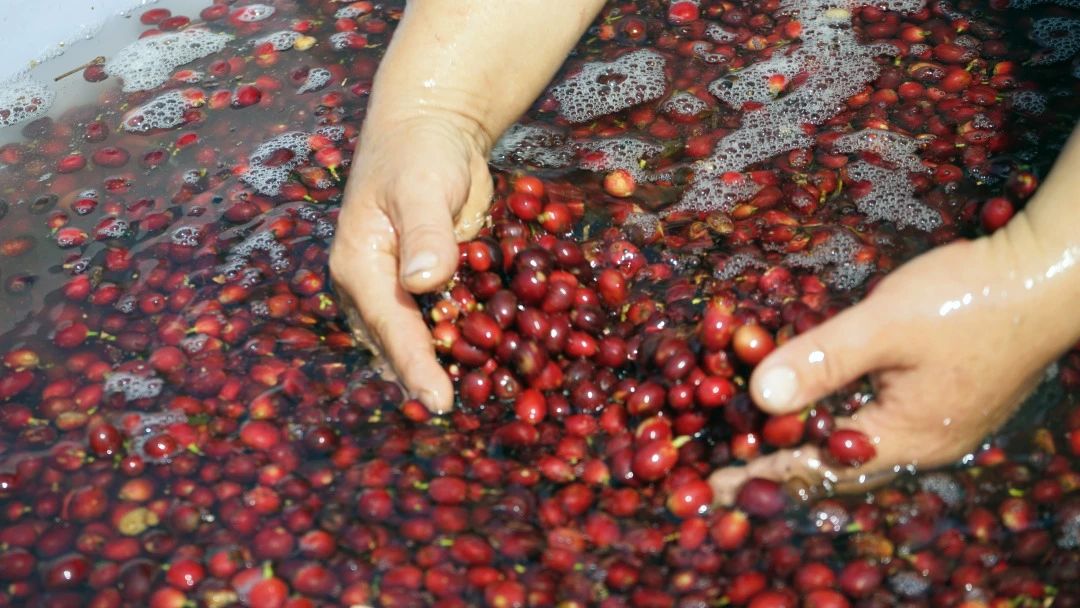
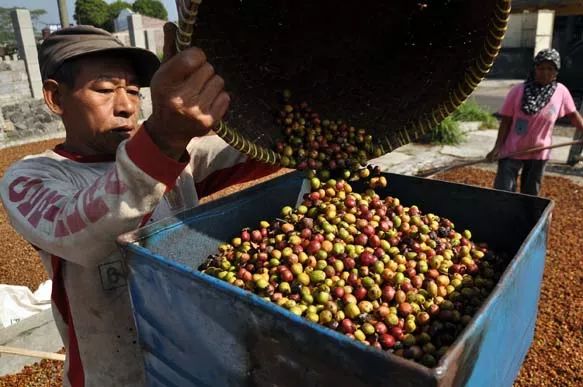
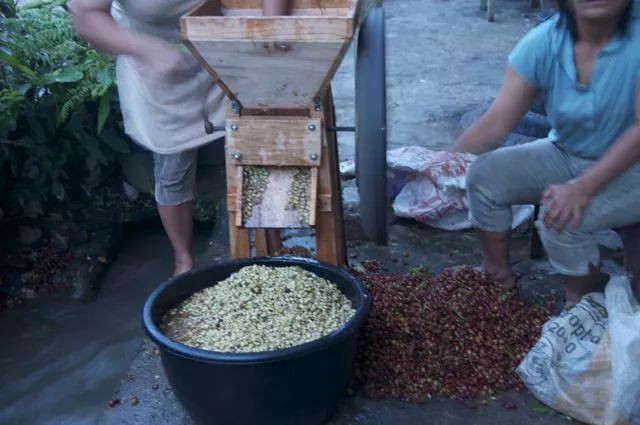
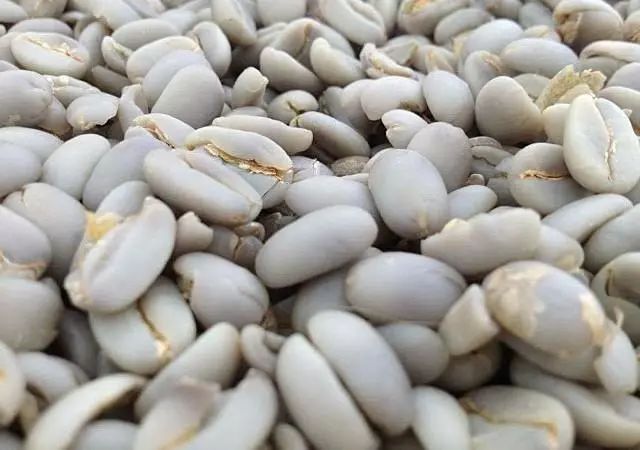
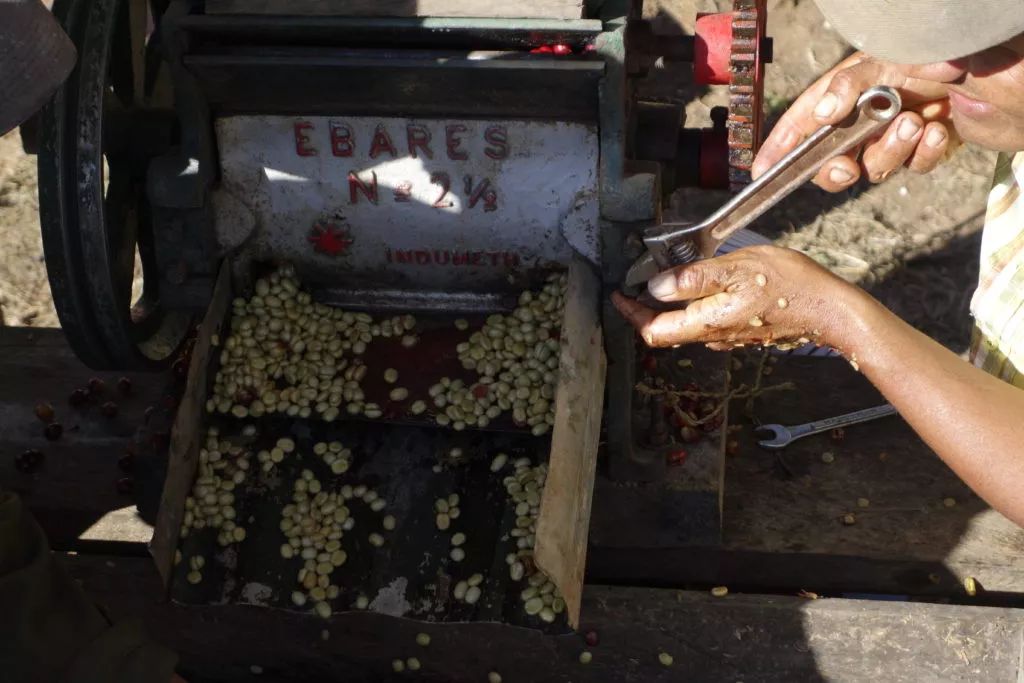
While wet hulling can shorten production time and improve efficiency, it also has its drawbacks. During the hulling process, because the beans are still at a high moisture content, their temperature may rise to 30–60 degrees Celsius, and the premature removal of the parchment layer makes the beans more susceptible to oxygen and microbes, increasing the risk of mold. In addition, without the last two protective layers (mucilage and parchment), the beans are more fragile during sun exposure, so the rate of defective beans is generally higher than with washed or traditional sun-dried methods. Interestingly, these uncontrollable factors contribute to the unique aromatic characteristics of Mandheling.
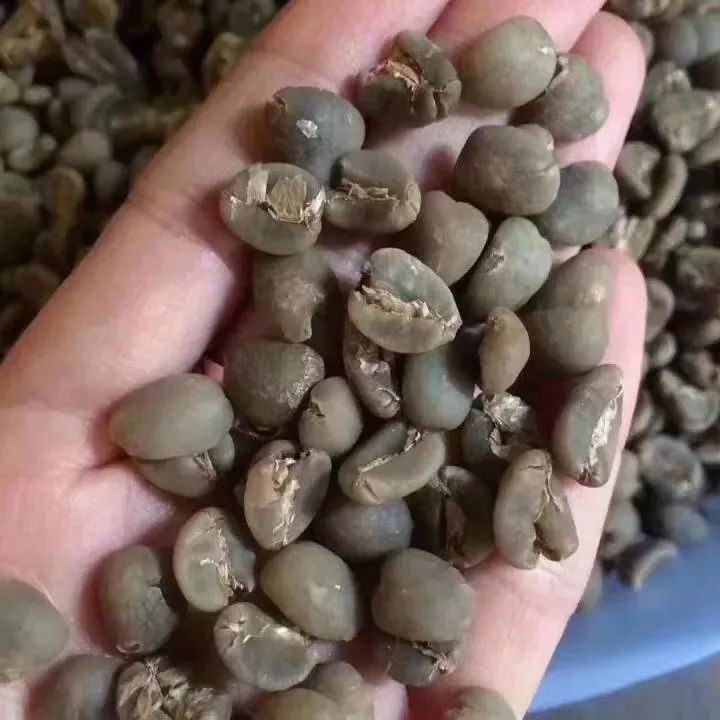
Additionally, when observing Sumatran green beans, you’ll often find what’s called “elephant ear beans”—this is due to uneven mechanical hulling under high moisture conditions, causing the beans to be unevenly compressed and form cracks resembling elephant hooves, which is one of the typical phenomena of wet hulling.
II. Semi-Washed Processing Method: A Balance Between Washed and Sun-Dried
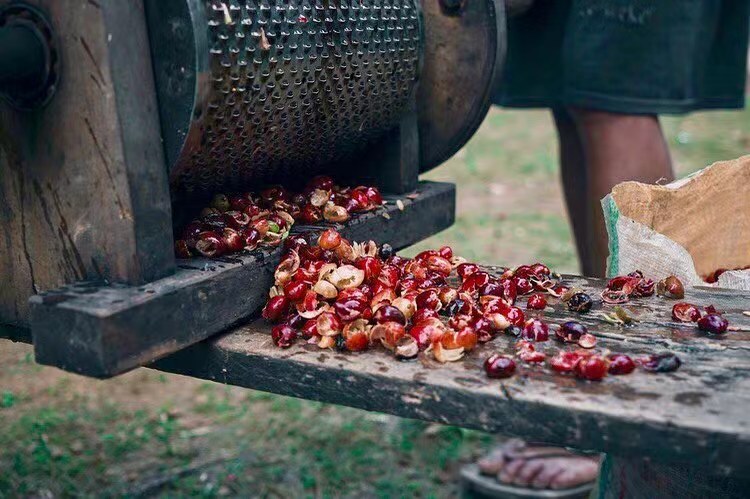
The semi-washed processing method, also known as the semi-washed method, is a processing approach that lies between washed and sun-dried. This method can generally be divided into two main types: pulp sun-dried and honey processed. Both involve removing the outer skin and part of the pulp of the coffee cherry but skip the fermentation and washing steps of the traditional washed method, proceeding directly to sun drying. As a result, this method uses less water than the washed process, but the variations in detail lead to different flavor directions.
III. Pulp Natural Method (Pulped Natural): An Efficient Process Originating from Brazil
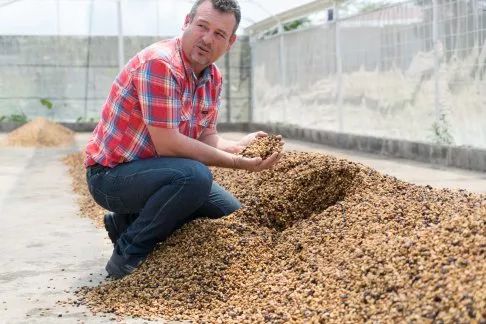
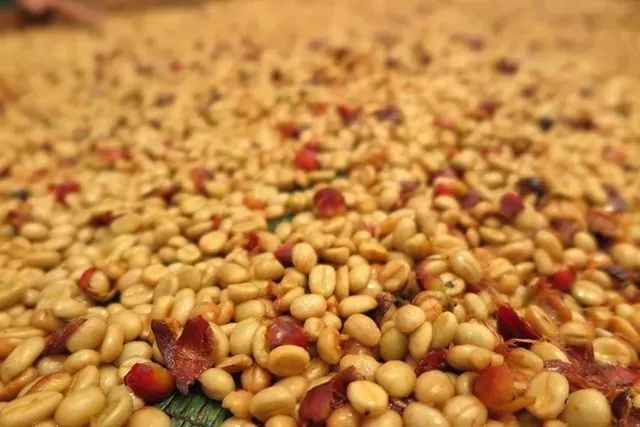
The pulp natural method was born in Brazil in the 1990s as a compromise solution to the mold susceptibility of traditional sun-dried methods and the high water consumption of washed methods. This method involves removing the outer skin, pulp, and part of the mucilage of the coffee cherry, followed by a short period of water washing and initial fermentation, then directly sun-drying the parchment beans that still retain some mucilage. Because the fermentation time is short and the mucilage isn’t fully removed, the coffee retains a certain degree of sweetness and aroma during the drying process.
The advantages of this method include reduced water usage and minimized enhancement of acidity through fermentation. The overall flavor profile sits between washed and sun-dried coffees—sweetness is pronounced, acidity is mild, but body and individual character are usually not as intense as purely sun-dried or washed coffee.
The processing steps include:
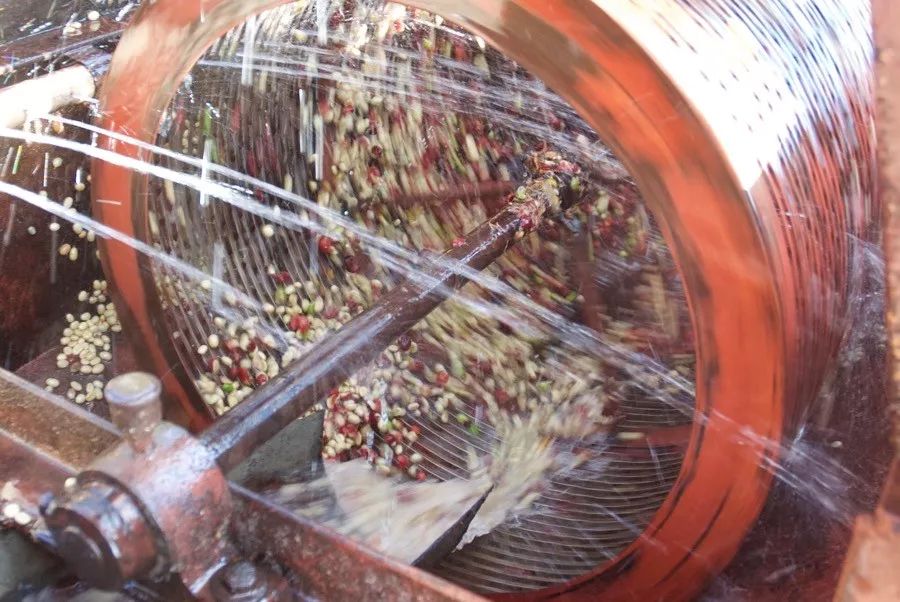
1. Bean Selection and Pulp Removal: The coffee cherries are placed in a water tank to remove floaters, then a depulper removes the outer skin and most of the pulp, while also sorting out unripe beans.
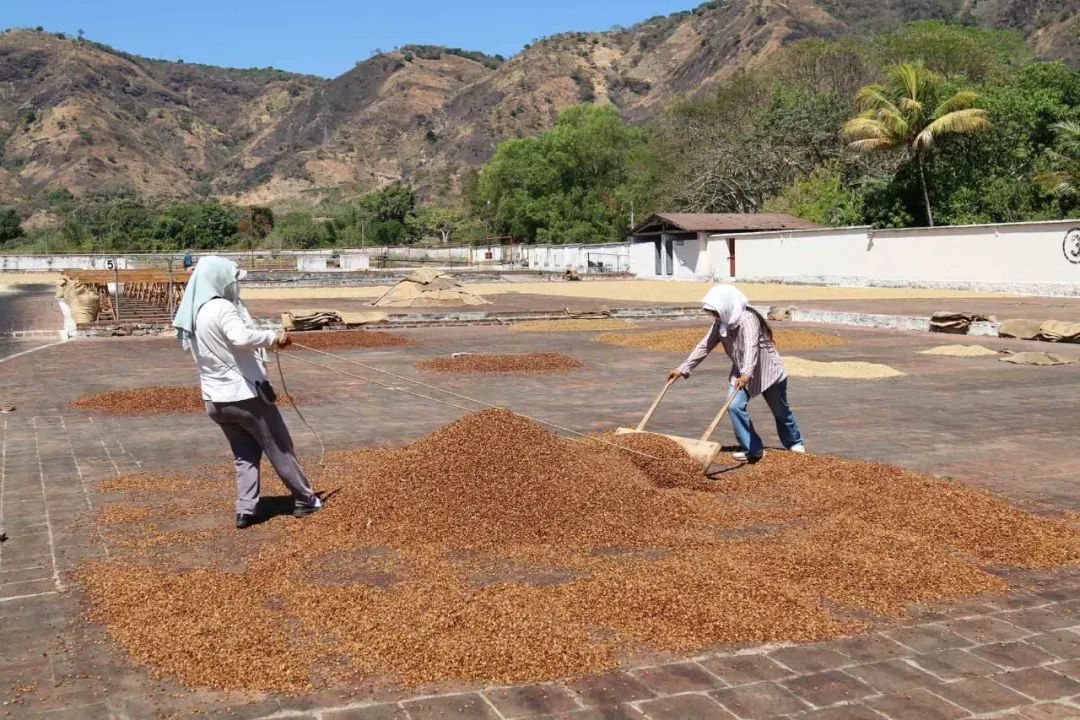
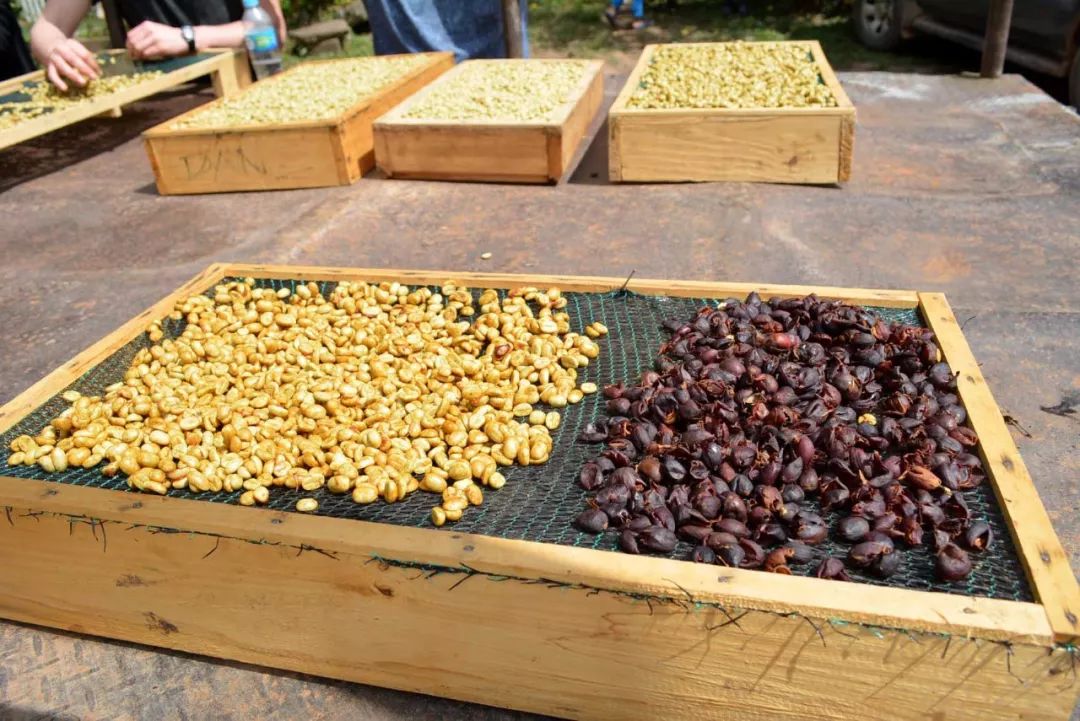
2. Brief Washing and Initial Drying: The parchment beans, which still retain some mucilage, undergo a brief wash (about 1 hour), then are moved to raised African-style mesh beds for sun drying, which aids in even drying.
3. Formal Drying: This typically takes about 3 days to reduce the moisture content to the desired range.
4. Drying and Polishing: Some processing facilities further use mechanical drying to bring the moisture content down to 10.5%–12%, and may polish the bean surface before export.
IV. Honey Processing Method: The Sweet Secret of Central America
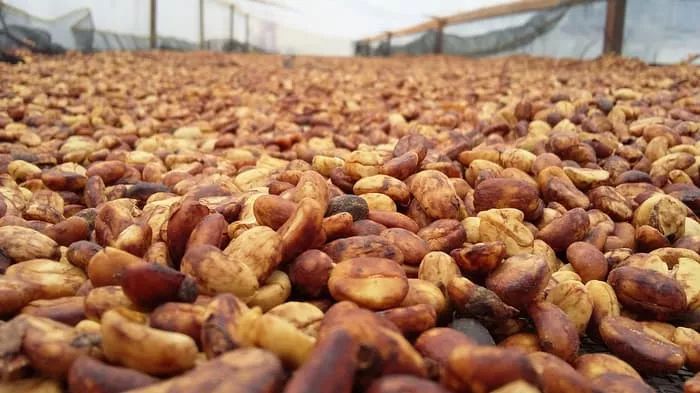
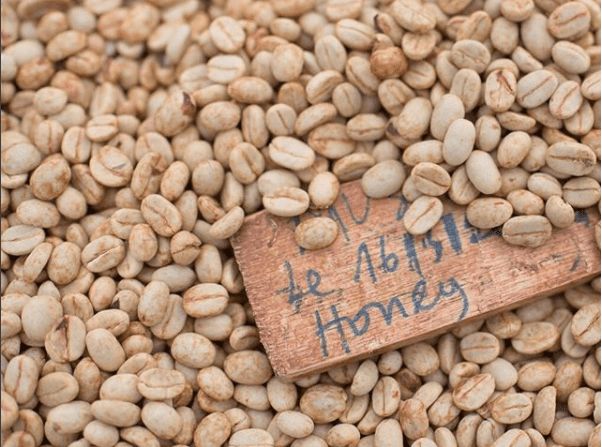
Although the term “honey processing” contains the word “honey,” no actual honey is added. The name comes from the appearance of the coffee beans during drying—the residual mucilage on the bean’s surface, due to its high sugar content and sticky texture, resembles honey. This method is mainly popular in Costa Rica and has gradually spread across Central America. Honey processing retains the sugar in the mucilage layer, which has a significant impact on the coffee’s sweetness, body, and flavor complexity.
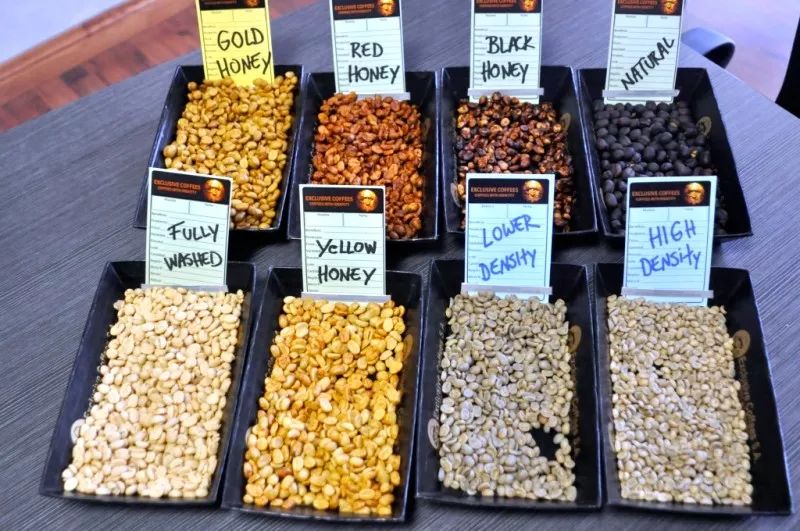
Depending on the proportion of mucilage retained and the drying method, honey processing can be subdivided into:
• White Honey: 80%–90% of the mucilage is removed
• Yellow Honey: Around 50% of the mucilage is retained, with no additional fermentation
• Red Honey: Almost all mucilage is retained, with no fermentation process
• Black Honey: All mucilage is retained, with low temperature and possible brief fermentation
• Gold Honey: All mucilage is retained, dried slowly at high altitude and low temperature
Different types of honey processing directly affect the final coffee’s color, sweetness, and body. For example, black honey often has a dark appearance, with intense and richly sweet flavors, while yellow honey leans toward a brighter, sweet-and-acid balanced profile.

In summary, although pulp natural and honey processing differ in naming and regional application, their core concepts are similar: by controlling the retention of mucilage and drying conditions, they shape a unique flavor profile that lies between washed and sun-dried methods. These processing techniques not only showcase the ingenuity of coffee farmers around the world but also offer consumers more diverse and layered coffee experiences.
The above content is compiled by CoffeeHunters, a coffee news website.


